Magnet-Free Proton Therapy with 4D Pencil Beam Delivery Optimisation
Pith reviewed 2026-06-28 07:29 UTC · model grok-4.3
The pith
A 4D pencil beam delivery strategy makes magnet-free and gantry-free proton therapy feasible for tumors that move with breathing.
A machine-rendered reading of the paper's core claim, the machinery that carries it, and where it could break.
Core claim
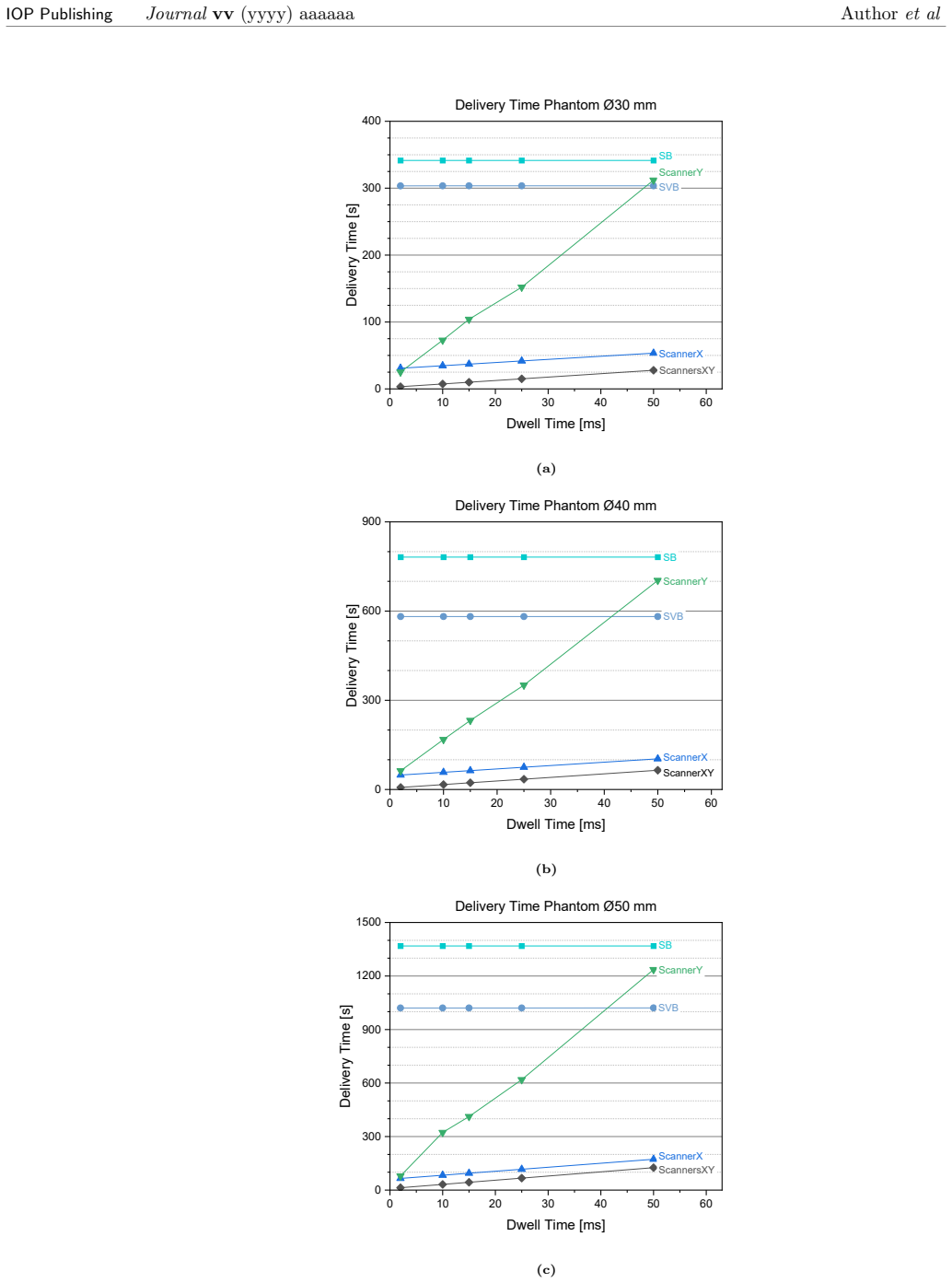
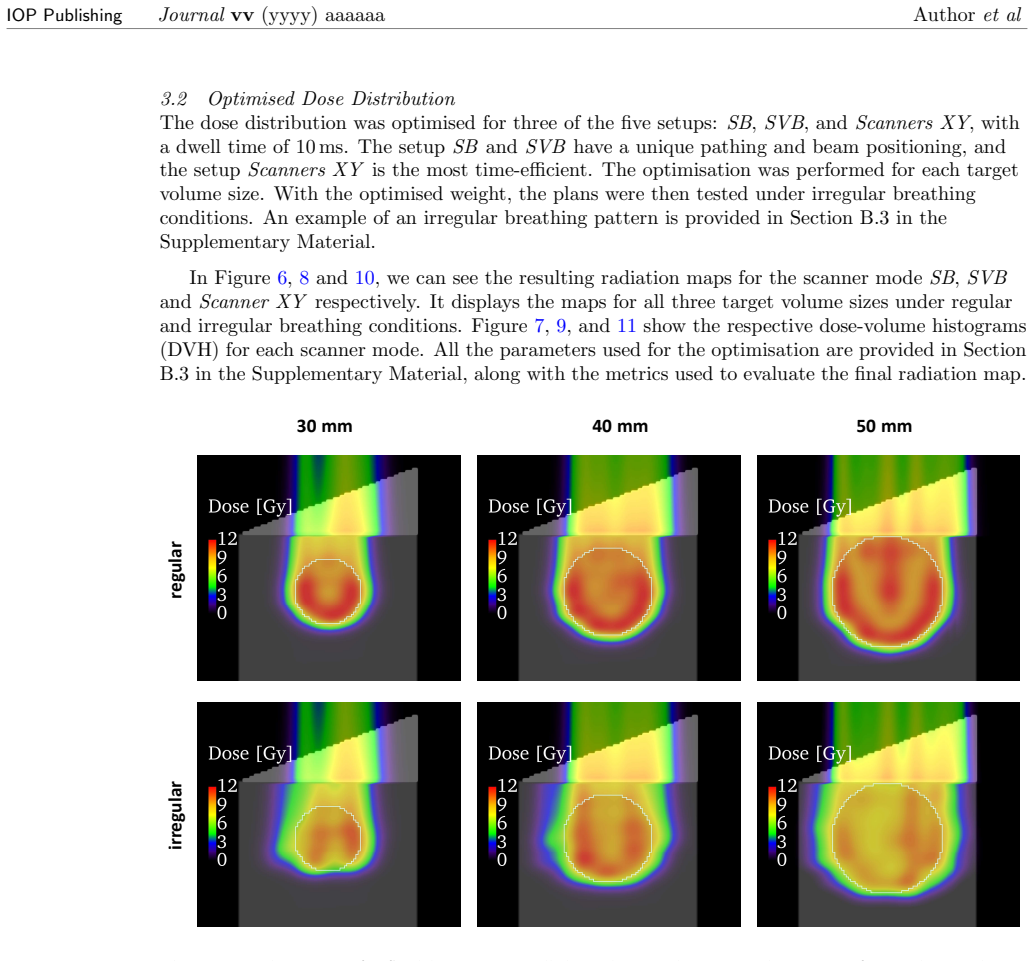
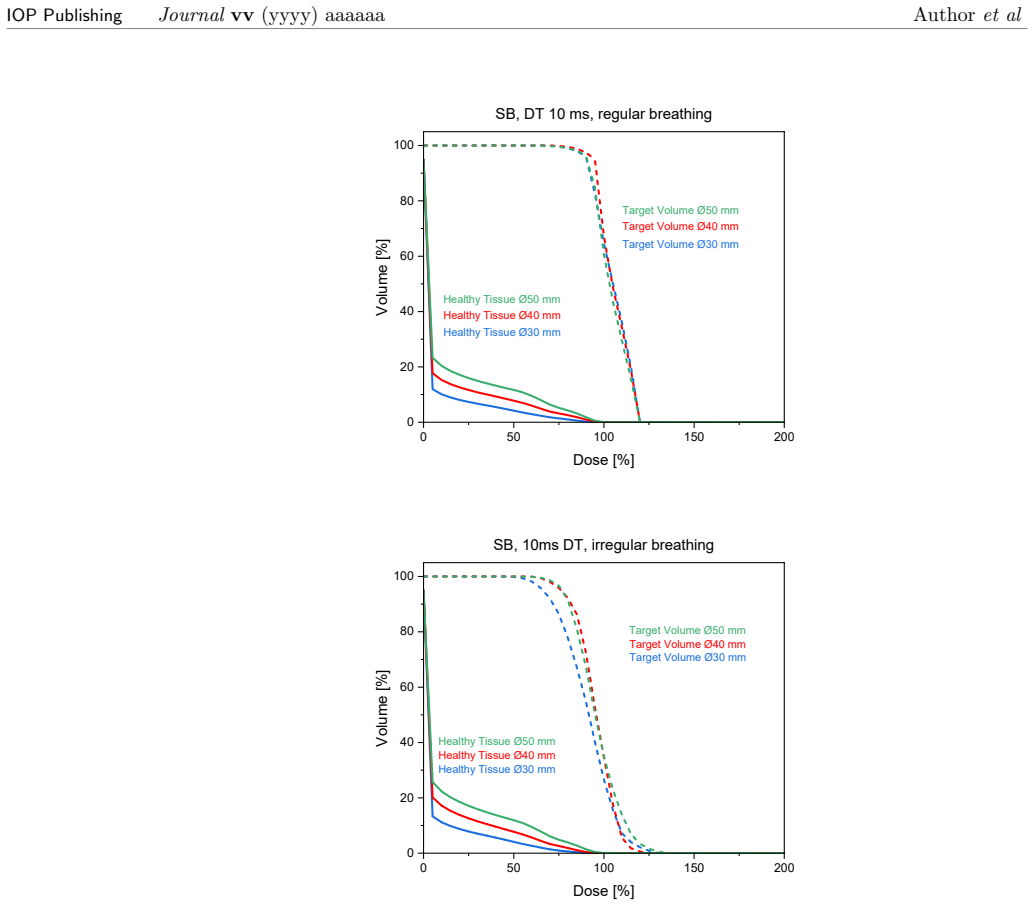
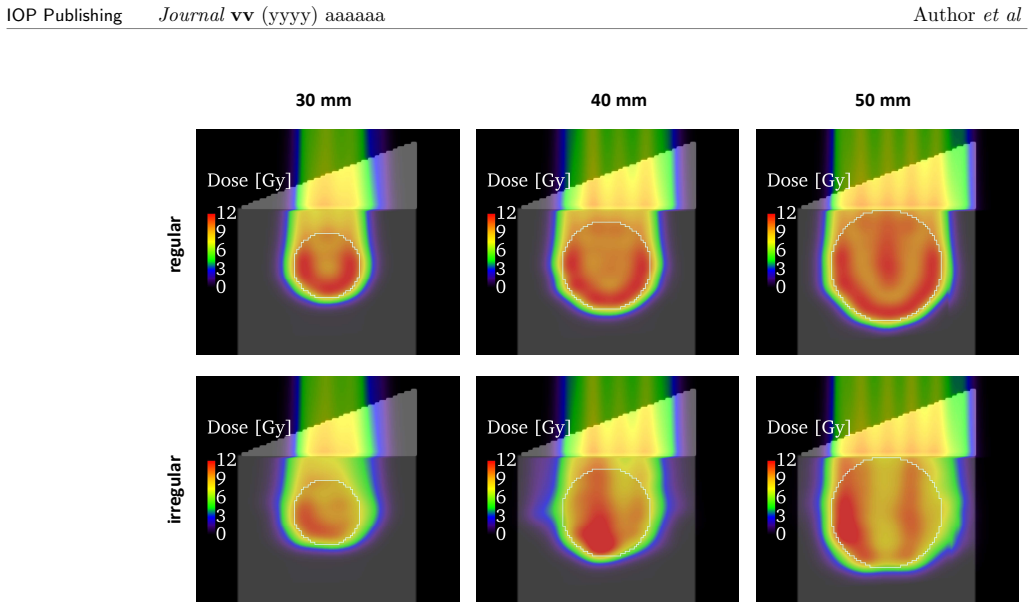
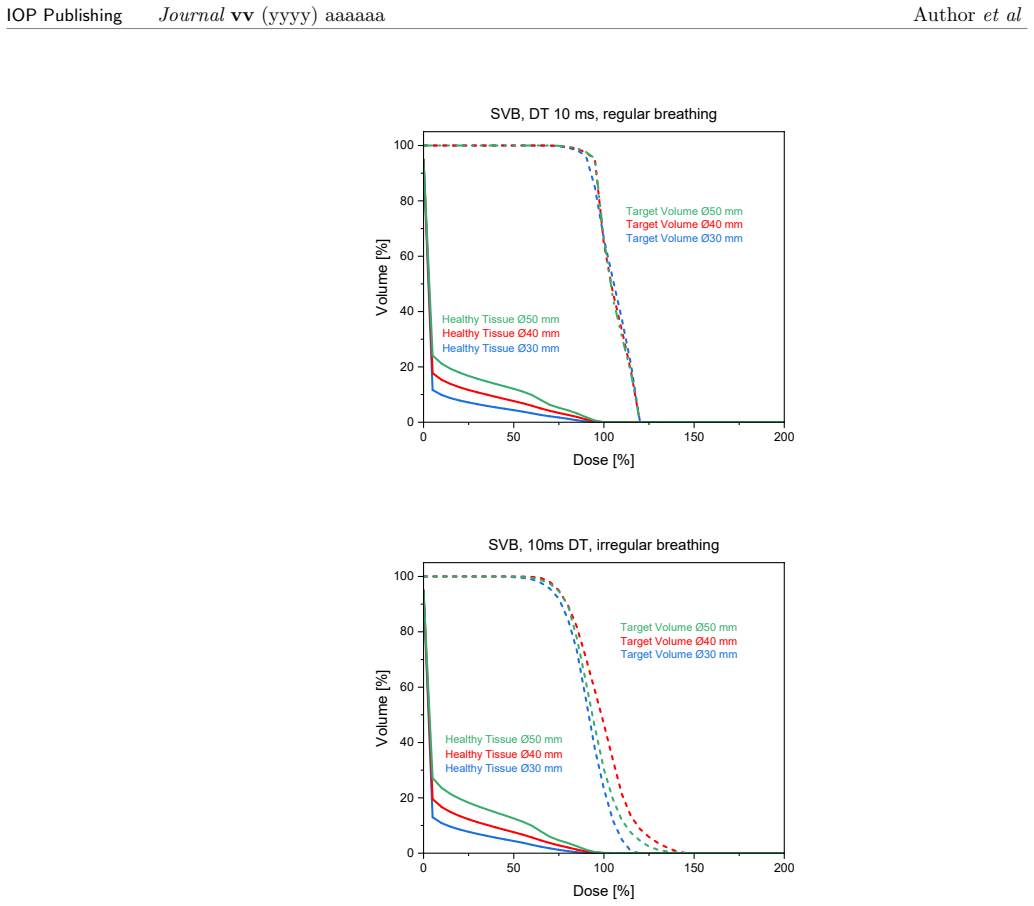
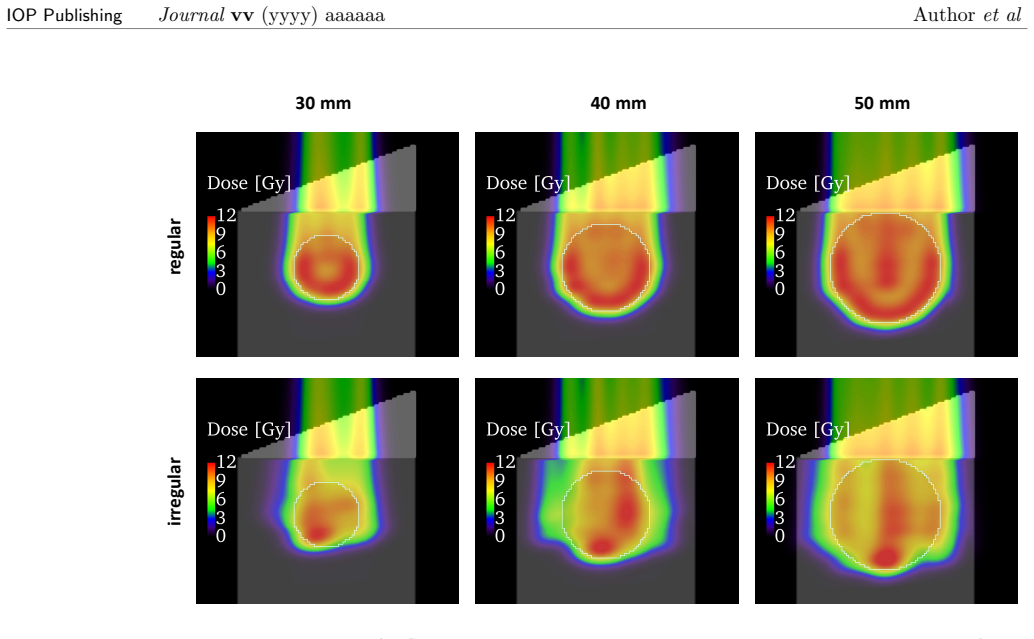
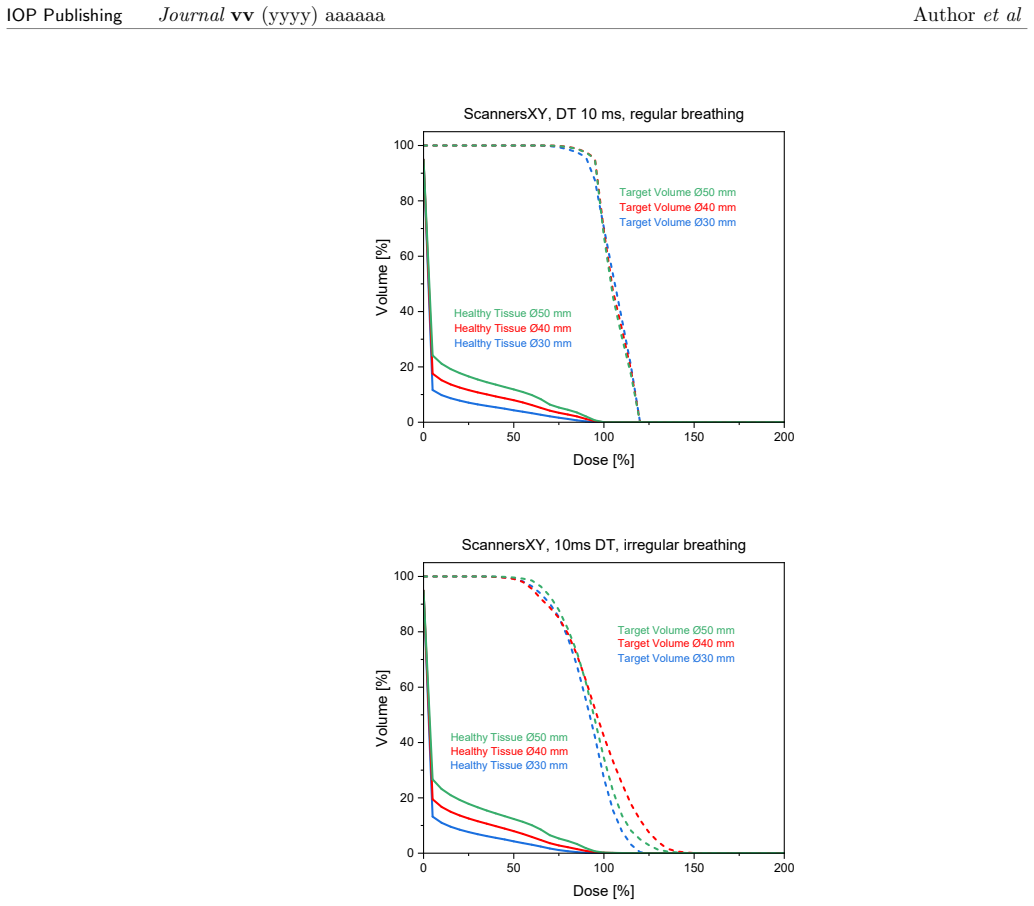
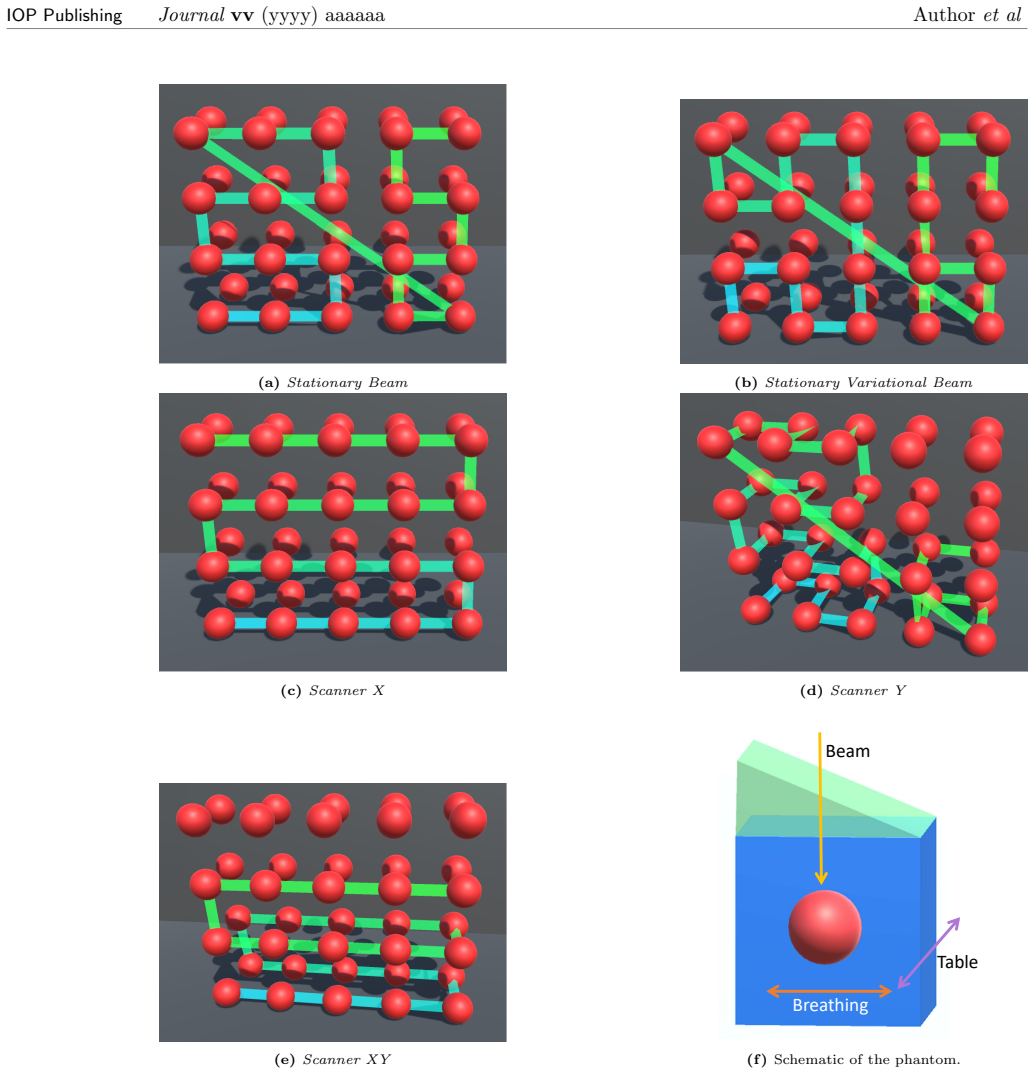
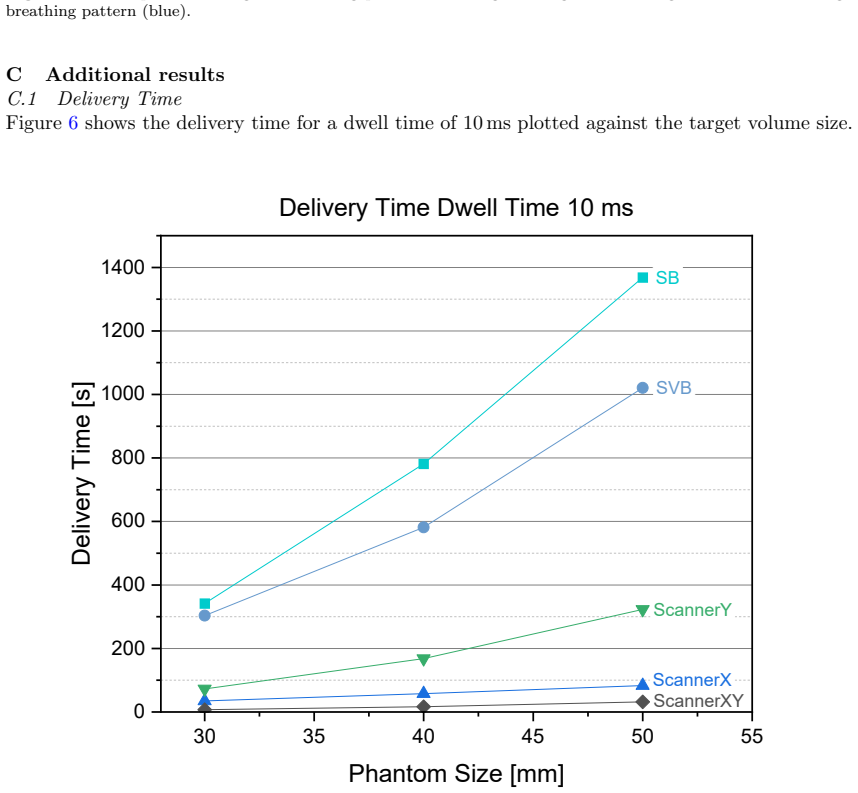
The 4D planning tool generated treatment plans that achieved clinically acceptable dose distributions across all configurations. In magnet-free configurations, static beam operation substantially increased treatment time and reduced dose conformity. In contrast, configurations using a single scanner magnet, without a gantry, maintained acceptable conformity within practical treatment times. The proposed 4D delivery strategy demonstrates feasibility for treating mobile targets with simplified, gantry-free and magnet-free scanner designs.
What carries the argument
The 4D pencil beam delivery strategy, which incorporates respiratory motion into a dynamic treatment plan to optimize beam delivery timing and position.
If this is right
- Single-magnet gantry-free setups can deliver acceptable dose conformity in practical treatment times.
- Magnet-free configurations need dynamic beam operation; static operation increases time and lowers conformity.
- Synchronizing patient breathing with the 4D delivery can further improve accuracy during irregular or interrupted breathing.
- The approach reduces system complexity while preserving dosimetric performance for motion-affected tumors.
Where Pith is reading between the lines
- The method could lower the space and cost barriers that currently limit proton therapy to specialized centers.
- Validation against actual patient motion data would be the next required step before clinical translation.
- Similar 4D optimization might extend to other beam modalities that face respiratory motion challenges.
- Real-time motion monitoring integrated with the 4D plan could reduce reliance on the phantom model.
Load-bearing premise
The mobile phantom used in the study sufficiently represents real patient respiratory motion and irregular breathing patterns to support claims of clinical feasibility.
What would settle it
A direct comparison on real patients showing that irregular breathing produces dose distributions outside clinical tolerance or treatment times exceeding practical limits would falsify the feasibility claim for simplified scanner designs.
Figures
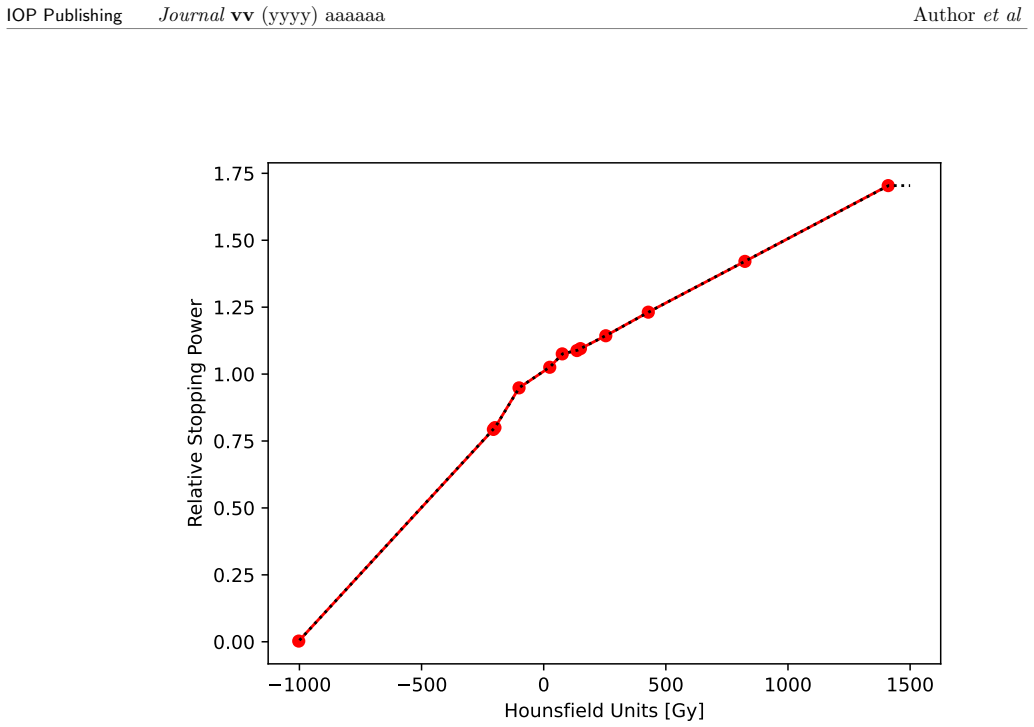
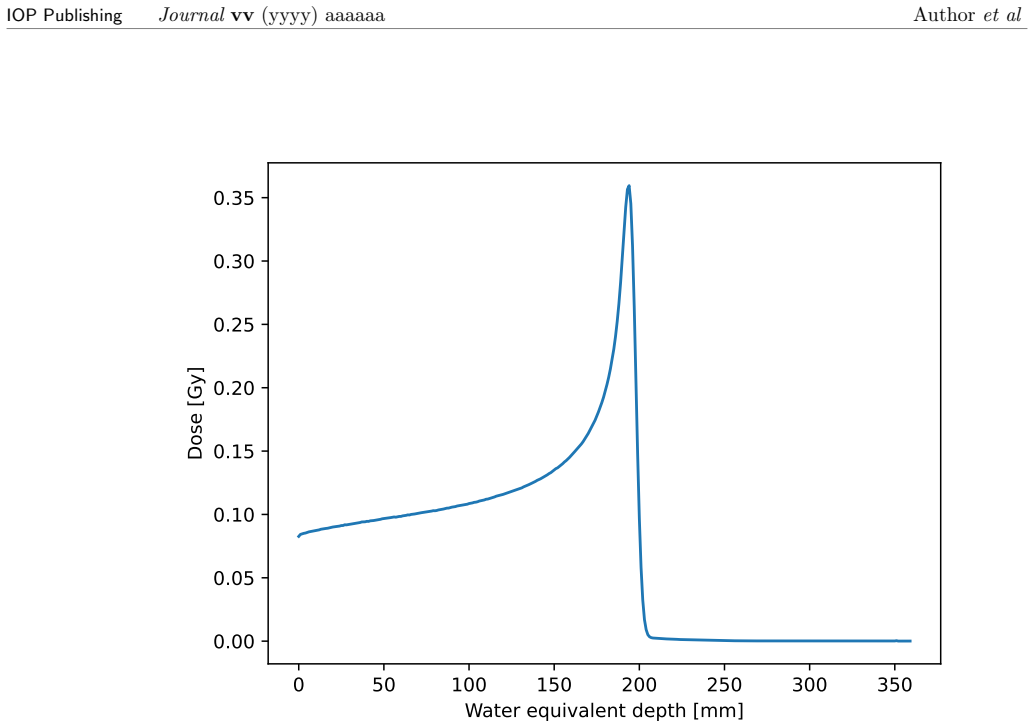
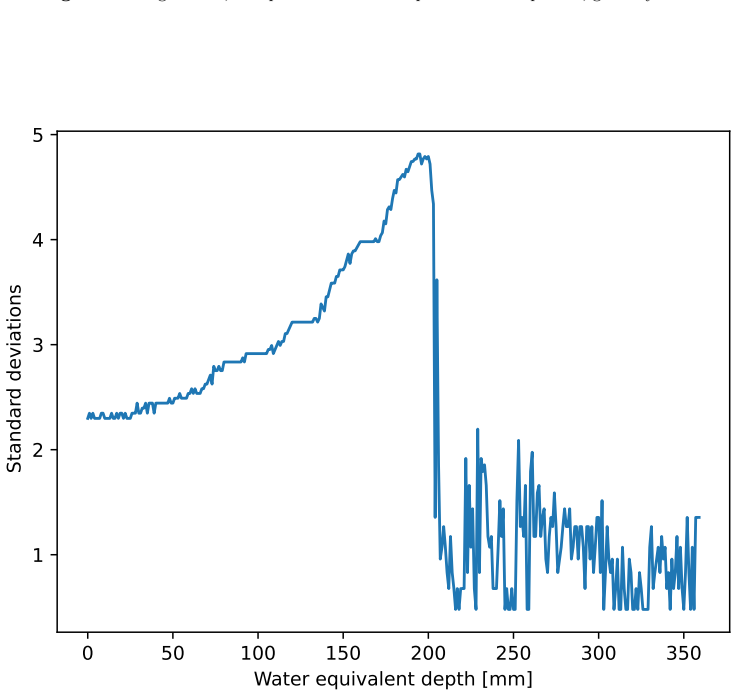
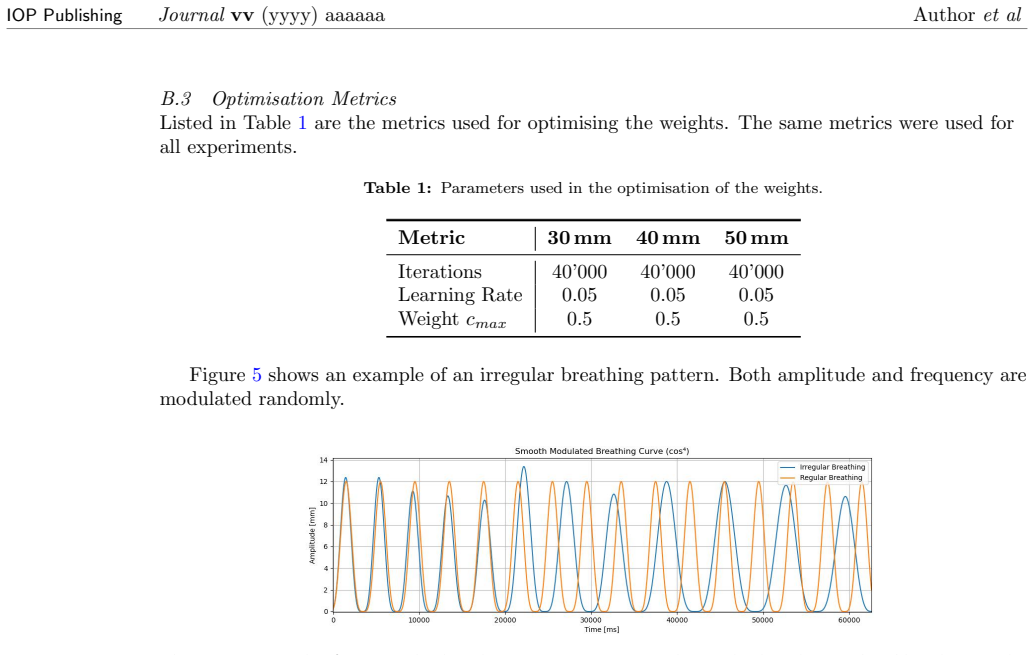
read the original abstract
Objective. Motion management is a critical challenge in proton therapy for mobile tumours. This study aims to develop and evaluate a novel four-dimensional (4D) pencil beam delivery strategy that incorporates respiratory motion into a dynamic treatment plan to improve dose conformity and treatment efficiency. Approach. To assess this 4D pencil beam delivery strategy, a mobile phantom was used. The generated 4D treatment plans were assessed with various scanner configurations, including gantry-free and magnet-free scanner heads. For each setup, the treatment time, dose conformity, and robustness against irregular breathing patterns were quantified. The influence of scanner head design and patient-specific motion irregularities on overall plan quality was evaluated. Main Results. The 4D planning tool generated treatment plans that achieved clinically acceptable dose distributions across all configurations. In magnet-free configurations, static beam operation substantially increased treatment time and reduced dose conformity. In contrast, configurations using a single scanner magnet, without a gantry, maintained acceptable conformity within practical treatment times. Significance. The proposed 4D delivery strategy demonstrates feasibility for treating mobile targets with simplified, gantry-free and magnet-free scanner designs. Further improvements could be achieved by synchronising the patient's breathing with 4D delivery, which may enhance dose accuracy during irregular or interrupted breathing. By reducing system complexity while preserving dosimetric performance, this approach offers a pathway toward more accessible and cost-effective proton beam therapy for motion-affected tumours.
Editorial analysis
A structured set of objections, weighed in public.
Referee Report
Summary. The paper develops and evaluates a 4D pencil beam delivery strategy for proton therapy that incorporates respiratory motion into dynamic treatment planning. Using a mobile phantom, it assesses treatment plans across scanner configurations including gantry-free and magnet-free designs, quantifying treatment time, dose conformity, and robustness to irregular breathing. The central claim is that single-magnet gantry-free setups achieve clinically acceptable dose distributions within practical times, demonstrating feasibility for simplified, magnet-free systems.
Significance. If validated, the work could reduce system complexity and cost for motion-managed proton therapy while preserving dosimetric performance. The phantom-based evaluation of multiple scanner heads provides a concrete test of the 4D optimization approach, but the absence of quantitative metrics and limited motion realism constrain the strength of the feasibility conclusion.
major comments (3)
- [Abstract] Abstract: The main results claim 'clinically acceptable dose distributions' and 'acceptable conformity' for single-magnet setups, yet supply no numerical values for conformity indices, target coverage metrics, OAR doses, or statistical comparisons; without these, the load-bearing feasibility claim cannot be verified from the reported data.
- [Abstract] Abstract: Robustness against irregular breathing is stated to have been quantified, but the mobile phantom motion model is not described or benchmarked against clinical 4DCT distributions (amplitude variation, baseline drift, hysteresis); this directly affects the central claim that the strategy is robust for real patient motion.
- [Abstract] Abstract: Treatment-time and conformity results for magnet-free static-beam operation are contrasted with single-magnet results, but no error bars, repeated measurements, or sensitivity analysis to phantom parameters are mentioned, leaving the quantitative advantage of the 4D strategy unsupported.
minor comments (1)
- [Abstract] The abstract uses 'gantry-free and magnet-free scanner heads' without defining the exact hardware simplifications or beam-line constraints assumed in the 4D planning tool.
Simulated Author's Rebuttal
We thank the referee for the constructive comments on our manuscript. We address each point below and will revise the abstract accordingly to improve clarity and support for the claims.
read point-by-point responses
-
Referee: [Abstract] Abstract: The main results claim 'clinically acceptable dose distributions' and 'acceptable conformity' for single-magnet setups, yet supply no numerical values for conformity indices, target coverage metrics, OAR doses, or statistical comparisons; without these, the load-bearing feasibility claim cannot be verified from the reported data.
Authors: We agree that the abstract would benefit from explicit numerical support. In the revised version we will insert the key quantitative results obtained from the phantom measurements, including conformity index values, target coverage metrics (e.g., D95, V95), and relevant OAR doses for the single-magnet configuration. Because the study is a controlled phantom experiment, formal statistical comparisons across patient cohorts are not applicable; we will therefore report the measured values with their observed ranges. revision: yes
-
Referee: [Abstract] Abstract: Robustness against irregular breathing is stated to have been quantified, but the mobile phantom motion model is not described or benchmarked against clinical 4DCT distributions (amplitude variation, baseline drift, hysteresis); this directly affects the central claim that the strategy is robust for real patient motion.
Authors: The phantom motion parameters (amplitude, period, and irregular patterns) are fully specified in the Methods section. We will add a concise description of these parameters to the abstract. Our work is a phantom-based feasibility study and does not contain a direct benchmark against clinical 4DCT distributions; we will therefore qualify the robustness claim in both the abstract and discussion to reflect this scope. revision: partial
-
Referee: [Abstract] Abstract: Treatment-time and conformity results for magnet-free static-beam operation are contrasted with single-magnet results, but no error bars, repeated measurements, or sensitivity analysis to phantom parameters are mentioned, leaving the quantitative advantage of the 4D strategy unsupported.
Authors: We will revise the abstract to report the observed ranges or standard deviations from the phantom deliveries and to clarify that each configuration was evaluated once under controlled conditions. A full sensitivity analysis to all phantom parameters lies beyond the present scope; we will note this limitation explicitly while retaining the comparative demonstration that was performed. revision: yes
Circularity Check
No circularity; results from independent phantom evaluation
full rationale
The paper develops and evaluates a 4D pencil beam delivery strategy through direct assessment on a mobile phantom, generating treatment plans and quantifying treatment time, dose conformity, and robustness for multiple scanner configurations including gantry-free and magnet-free setups. All load-bearing claims derive from these external experimental and simulation measurements rather than from any self-referential definitions, fitted parameters renamed as predictions, or self-citation chains. The derivation chain remains self-contained against the phantom-based benchmarks with no reductions by construction.
Axiom & Free-Parameter Ledger
axioms (1)
- domain assumption The mobile phantom accurately simulates patient respiratory motion and irregular breathing for evaluating 4D plans and scanner configurations.
Reference graph
Works this paper leans on
-
[1]
CA: a cancer journal for clinicians , volume=
Global cancer statistics 2022: GLOBOCAN estimates of incidence and mortality worldwide for 36 cancers in 185 countries , author=. CA: a cancer journal for clinicians , volume=. 2024 , publisher=
2022
-
[2]
Computerized Medical Imaging and Graphics , pages=
A novel population-characteristic weighted sparse model for accurate respiratory motion prediction in CT-guided lung cancer interventions , author=. Computerized Medical Imaging and Graphics , pages=. 2025 , publisher=
2025
-
[3]
doi:10.1088/0031-9155/52/6/0001 , mynotes =
2007 , journal =. doi:10.1088/0031-9155/52/6/0001 , mynotes =
-
[4]
Preiswerk, Frank and Luca, Valeria De and Arnold, Patrik and Celicanin, Zarko and Petrusca, Lorena and Tanner, Christine and Salomir, Rares and Cattin, Philippe C. , year =. Model-Guided Respiratory Organ Motion Prediction of the Liver from. Medical Image Analysis , volume =. doi:10.1016/j.media.2014.03.006 , owner =
-
[5]
2025 , langid =
Patients numbers, Center for Proton Therapy , url =. 2025 , langid =
2025
-
[6]
Physics in Medicine & Biology , volume=
Proton therapy , author=. Physics in Medicine & Biology , volume=. 2006 , publisher=
2006
-
[7]
Journal of clinical oncology , volume=
Particle radiation therapy using proton and heavier ion beams , author=. Journal of clinical oncology , volume=. 2007 , publisher=
2007
-
[8]
Molecular and clinical oncology , volume=
An assessment of interfractional bladder, rectum and vagina motion in postoperative cervical cancer based on daily cone-beam computed tomography , author=. Molecular and clinical oncology , volume=. 2016 , publisher=
2016
-
[9]
Medical Image Computing and Computer Assisted Intervention--MICCAI 2018: 21st International Conference, Granada, Spain, September 16-20, 2018, Proceedings, Part IV 11 , pages=
Respiratory motion modelling using cGANs , author=. Medical Image Computing and Computer Assisted Intervention--MICCAI 2018: 21st International Conference, Granada, Spain, September 16-20, 2018, Proceedings, Part IV 11 , pages=. 2018 , organization=
2018
-
[10]
Predictive Intelligence in Medicine: Second International Workshop, PRIME 2019, Held in Conjunction with MICCAI 2019, Shenzhen, China, October 13, 2019, Proceedings 2 , pages=
Inter-fractional respiratory motion modelling from abdominal ultrasound: A feasibility study , author=. Predictive Intelligence in Medicine: Second International Workshop, PRIME 2019, Held in Conjunction with MICCAI 2019, Shenzhen, China, October 13, 2019, Proceedings 2 , pages=. 2019 , organization=
2019
-
[11]
Technology in Cancer Research & Treatment , volume=
Clinical immobilization techniques for proton therapy , author=. Technology in Cancer Research & Treatment , volume=. 2015 , publisher=
2015
-
[12]
International Journal of Radiation Oncology* Biology* Physics , volume=
Robustness of the voluntary breath-hold approach for the treatment of peripheral lung tumors using hypofractionated pencil beam scanning proton therapy , author=. International Journal of Radiation Oncology* Biology* Physics , volume=. 2016 , publisher=
2016
-
[13]
Medical physics , volume=
Evaluation of motion mitigation using abdominal compression in the clinical implementation of pencil beam scanning proton therapy of liver tumors , author=. Medical physics , volume=. 2017 , publisher=
2017
-
[14]
International Journal of Radiation Oncology* Biology* Physics , volume=
Uncertainties in CT-based radiation therapy treatment planning associated with patient breathing , author=. International Journal of Radiation Oncology* Biology* Physics , volume=. 1996 , publisher=
1996
-
[15]
Lung Cancer , volume=
Usefulness of four dimensional (4D) PET/CT imaging in the evaluation of thoracic lesions and in radiotherapy planning: Review of the literature , author=. Lung Cancer , volume=. 2016 , publisher=
2016
-
[16]
International Journal of Molecular Sciences , volume=
Proton radiation therapy: a systematic review of treatment-related side effects and toxicities , author=. International Journal of Molecular Sciences , volume=
-
[17]
Frontiers in Oncology , volume=
Management of motion and anatomical variations in charged particle therapy: past, present, and into the future , author=. Frontiers in Oncology , volume=. 2022 , publisher=
2022
-
[18]
Radiotherapy and oncology , volume=
Impact of internal target volume definition for pencil beam scanned proton treatment planning in the presence of respiratory motion variability for lung cancer: A proof of concept , author=. Radiotherapy and oncology , volume=. 2020 , publisher=
2020
-
[19]
International Journal of Radiation Oncology* Biology* Physics , volume=
Consensus guidelines for implementing pencil-beam scanning proton therapy for thoracic malignancies on behalf of the PTCOG thoracic and lymphoma subcommittee , author=. International Journal of Radiation Oncology* Biology* Physics , volume=. 2017 , publisher=
2017
-
[20]
International Journal of Radiation Oncology* Biology* Physics , volume=
The probability of correct target dosage: dose-population histograms for deriving treatment margins in radiotherapy , author=. International Journal of Radiation Oncology* Biology* Physics , volume=. 2000 , publisher=
2000
-
[21]
state-of-the-art research and future visions: Report on the 4D treatment planning workshop for particle therapy--Edition 2018 and 2019 , author=
Clinical practice vs. state-of-the-art research and future visions: Report on the 4D treatment planning workshop for particle therapy--Edition 2018 and 2019 , author=. Physica Medica , volume=. 2021 , publisher=
2018
-
[22]
International Journal of Radiation Oncology* Biology* Physics , volume=
The use of active breathing control (ABC) to reduce margin for breathing motion , author=. International Journal of Radiation Oncology* Biology* Physics , volume=. 1999 , publisher=
1999
-
[23]
Physics in Medicine & Biology , volume=
A study on repainting strategies for treating moderately moving targets with proton pencil beam scanning at the new Gantry 2 at PSI , author=. Physics in Medicine & Biology , volume=. 2010 , publisher=
2010
-
[24]
Journal of breath research , volume=
The physics of human breathing: flow, timing, volume, and pressure parameters for normal, on-demand, and ventilator respiration , author=. Journal of breath research , volume=. 2021 , publisher=
2021
-
[25]
Journal of Radiation Research , volume=
Reproducibility of image quality for moving objects using respiratory-gated computed tomography: a study using a phantom model , author=. Journal of Radiation Research , volume=. 2012 , publisher=
2012
-
[26]
Adam: A Method for Stochastic Optimization
Adam: A method for stochastic optimization , author=. arXiv preprint arXiv:1412.6980 , year=
work page internal anchor Pith review Pith/arXiv arXiv
-
[27]
2016 , doi =
Leveraging Respiratory Organ Motion for Non-Invasive Tumor Treatment Devices: A Feasibility Study , author =. 2016 , doi =
2016
-
[28]
Möri, Nadia and Gui, Laura and Jud, Christoph and Lorton, Orane and Salomir, Rares and Cattin, Philippe C. , year =. An Optimal Control Approach for. doi:10.1007/978-3-319-66185-8 60 , owner =
-
[29]
International Journal of Radiation Oncology* Biology* Physics , volume=
Reassessment of the necessity of the proton gantry: analysis of beam orientations from 4332 treatments at the Massachusetts General Hospital proton center over the past 10 years , author=. International Journal of Radiation Oncology* Biology* Physics , volume=. 2016 , publisher=
2016
-
[30]
Journal of Applied Clinical Medical Physics , volume=
Clinical implementation of respiratory-gated spot-scanning proton therapy: an efficiency analysis of active motion management , author=. Journal of Applied Clinical Medical Physics , volume=. 2019 , publisher=
2019
-
[31]
Japanese journal of clinical oncology , volume=
Respiration-gated fast-rescanning carbon-ion radiotherapy , author=. Japanese journal of clinical oncology , volume=. 2017 , publisher=
2017
-
[32]
Zeitschrift f
The PSI Gantry 2: a second generation proton scanning gantry , author=. Zeitschrift f. 2004 , publisher=
2004
-
[33]
JACoW, Proceedings of RuPAC-2016 , year=
Gantry free transport line for proton/ion therapy , author=. JACoW, Proceedings of RuPAC-2016 , year=
2016
-
[34]
Kataria, Tejinder and Sharma, Kuldeep and Subramani, Vikraman and Karrthick, K. P. and Bisht, Shyam S. , urldate =. Homogeneity Index: An objective tool for assessment of conformal radiation treatments , volume =. doi:10.4103/0971-6203.103606 , shorttitle =
-
[35]
International Journal of Radiation Oncology* Biology* Physics , volume=
A conformation number to quantify the degree of conformality in brachytherapy and external beam irradiation: application to the prostate , author=. International Journal of Radiation Oncology* Biology* Physics , volume=. 1997 , publisher=
1997
-
[36]
Frontiers in oncology , volume=
Commissioning of a novel gantry-less proton therapy system , author=. Frontiers in oncology , volume=
-
[37]
Radiotherapy and Oncology , volume=
Combined proton--photon treatments--A new approach to proton therapy without a gantry , author=. Radiotherapy and Oncology , volume=. 2020 , publisher=
2020
-
[38]
Physics in Medicine & Biology , volume=
The precision of proton range calculations in proton radiotherapy treatment planning: experimental verification of the relation between CT-HU and proton stopping power , author=. Physics in Medicine & Biology , volume=. 1998 , publisher=
1998
-
[39]
Nuclear Instruments and Methods in Physics Research Section B: Beam Interactions with Materials and Atoms , volume=
High accuracy proton relative stopping power measurement , author=. Nuclear Instruments and Methods in Physics Research Section B: Beam Interactions with Materials and Atoms , volume=. 2018 , publisher=
2018
-
[40]
Physics in Medicine & Biology , volume=
Dose calculation models for proton treatment planning using a dynamic beam delivery system: an attempt to include density heterogeneity effects in the analytical dose calculation , author=. Physics in Medicine & Biology , volume=. 1999 , publisher=
1999
-
[41]
The Use of Computers in Radiation Therapy: XIIIth International Conference Heidelberg, Germany May 22--25, 2000 , pages=
Correlation between CT number and water-equivalent thickness for heavy charged particles , author=. The Use of Computers in Radiation Therapy: XIIIth International Conference Heidelberg, Germany May 22--25, 2000 , pages=. 2000 , organization=
2000
discussion (0)
Sign in with ORCID, Apple, or X to comment. Anyone can read and Pith papers without signing in.