pith. sign in

arxiv: 2606.25847 · v2 · pith:D2EJMTL7new · submitted 2026-06-24 · ⚛️ physics.atom-ph · physics.app-ph

Collisions and Stopping of Fast Charged Particles in Matter

Pith reviewed 2026-06-26 05:45 UTC · model grok-4.3

classification ⚛️ physics.atom-ph physics.app-ph
keywords charged particle collisionsstopping powerBethe formuladielectric formalismelastic scatteringinelastic collisionsenergy stragglingmultiple scattering
0
0 comments X

The pith

A consistent theory describes collisions and energy loss for fast charged particles in matter at intermediate kinetic energies.

A machine-rendered reading of the paper's core claim, the machinery that carries it, and where it could break.

The paper sets out to deliver a unified account of how charged particles scatter and lose energy while traveling through matter, restricted to speeds where atoms behave as isolated targets and extreme relativistic effects like pair creation can be ignored. It starts with classical fields and quantum wave mechanics, then moves through elastic collisions, inelastic scattering in the Born approximation that yields the Bethe stopping-power formula, and finally the dielectric response of dense media modeled from optical data. A reader would value this because stopping-power and transport calculations underpin radiation dosimetry, detector design, and material analysis at energies where simpler approximations break down. The presentation ends with transport distributions and sample computer codes that implement the reviewed models.

Core claim

This text offers a consistent presentation of the theory of collisions and stopping of charged particles in matter, limited to the range of intermediate kinetic energies where atomic aggregation effects are relatively unimportant and processes such as the creation of particle-antiparticle pairs are not likely to occur.

What carries the argument

The dielectric formalism for inelastic collisions, extended to real materials through optical-data models, together with the Bethe stopping-power formula derived inside the plane-wave Born approximation.

If this is right

  • Derivations of energy-straggling and multiple-scattering distributions become available as input for condensed-history transport simulations.
  • Stopping-power values can be corrected by the Bloch and Barkas terms within the same framework.
  • Elastic and inelastic cross sections for atoms follow directly from the classical and quantum treatments given in earlier chapters.

Where Pith is reading between the lines

These are editorial extensions of the paper, not claims the author makes directly.

  • The same optical-data approach could be tested against stopping measurements in compounds once the single-material models are validated.
  • Transport schemes built on the derived distributions would allow direct comparison with Monte Carlo results that track individual collisions.
  • The separation into atom and dense-medium regimes suggests a natural boundary condition for low-energy extensions that reintroduce aggregation.

Load-bearing premise

Atomic aggregation effects remain unimportant and pair production does not occur inside the chosen intermediate-energy window.

What would settle it

Experimental energy-loss data in thin targets that deviate systematically from the Bethe formula plus dielectric predictions at energies where aggregation should still be negligible.

Figures
Figures reproduced from arXiv: 2606.25847 by Francesc Salvat.
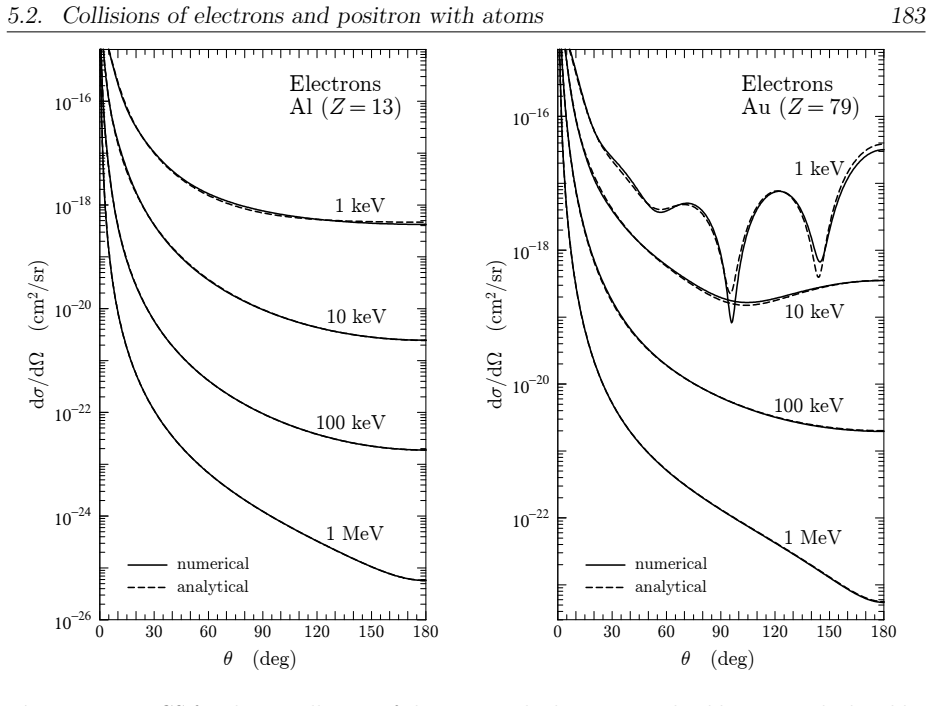
Figure 1
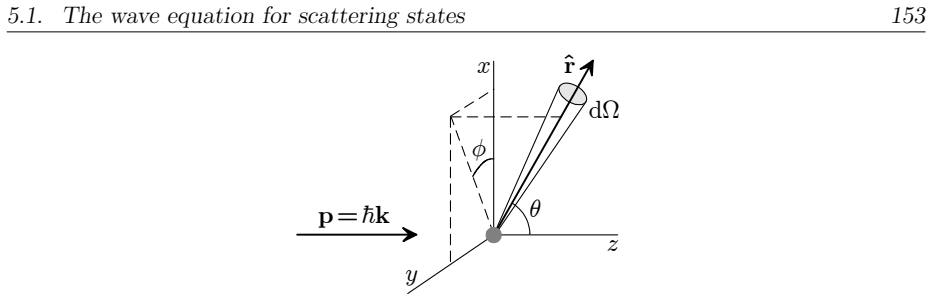
Figure 1. Figure 1 [PITH_FULL_IMAGE:figures/full_fig_p048_1.png] view at source ↗
Figure 1
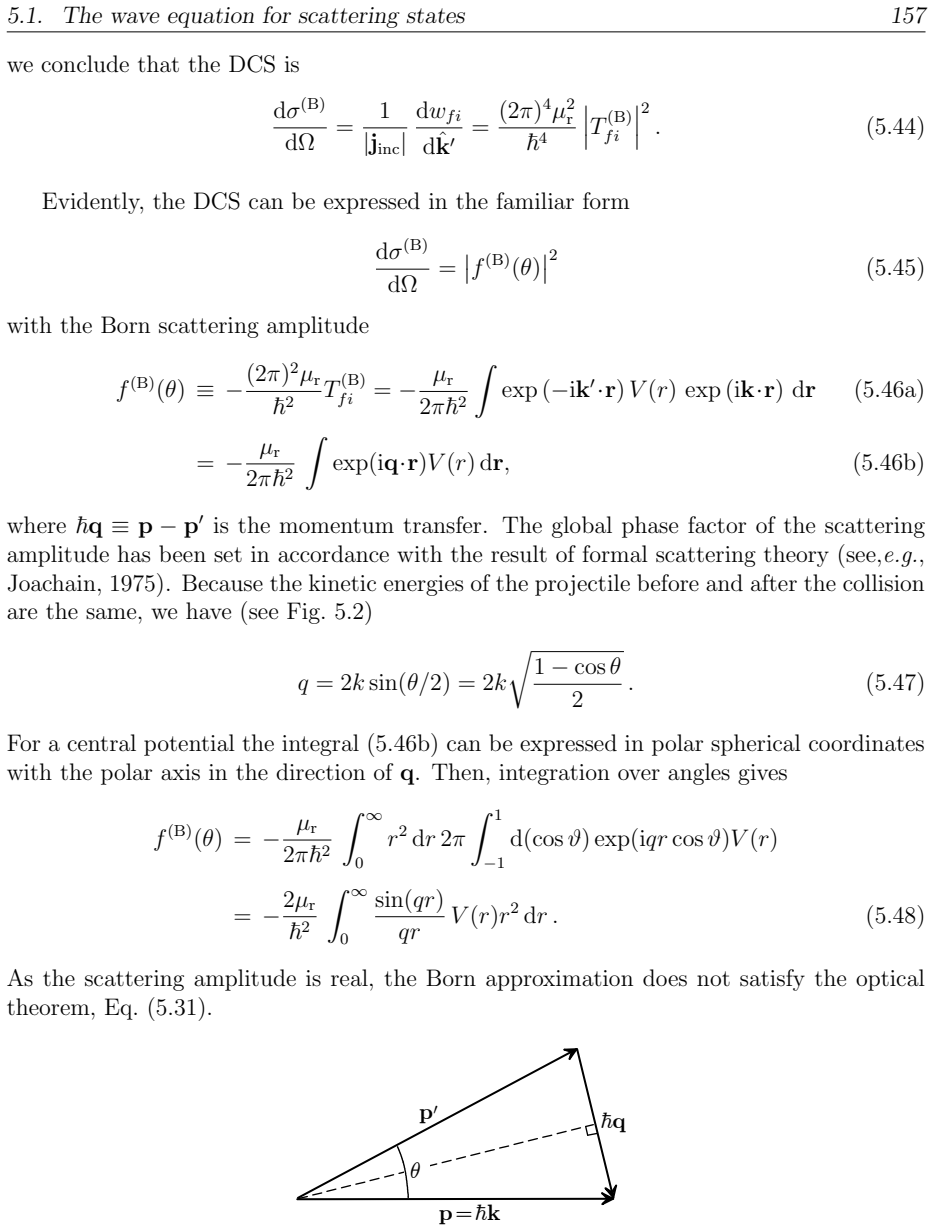
Figure 1. Figure 1 [PITH_FULL_IMAGE:figures/full_fig_p051_1.png] view at source ↗
Figure 2
Figure 2. Figure 2 [PITH_FULL_IMAGE:figures/full_fig_p062_2.png] view at source ↗
Figure 3
Figure 3. Figure 3 [PITH_FULL_IMAGE:figures/full_fig_p107_3.png] view at source ↗
Figure 3
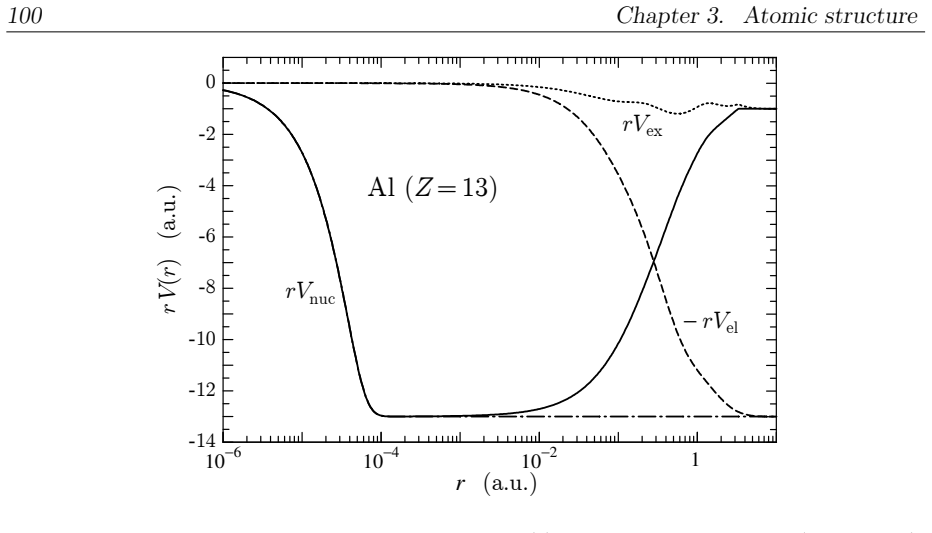
Figure 3. Figure 3: displays the various components of the self-consistent DHFS potential (cal [PITH_FULL_IMAGE:figures/full_fig_p113_3.png] view at source ↗
Figure 3
Figure 3. Figure 3 [PITH_FULL_IMAGE:figures/full_fig_p114_3.png] view at source ↗
Figure 3
Figure 3. Figure 3 [PITH_FULL_IMAGE:figures/full_fig_p115_3.png] view at source ↗
Figure 3
Figure 3. Figure 3 [PITH_FULL_IMAGE:figures/full_fig_p116_3.png] view at source ↗
Figure 3
Figure 3. Figure 3 [PITH_FULL_IMAGE:figures/full_fig_p118_3.png] view at source ↗
Figure 3
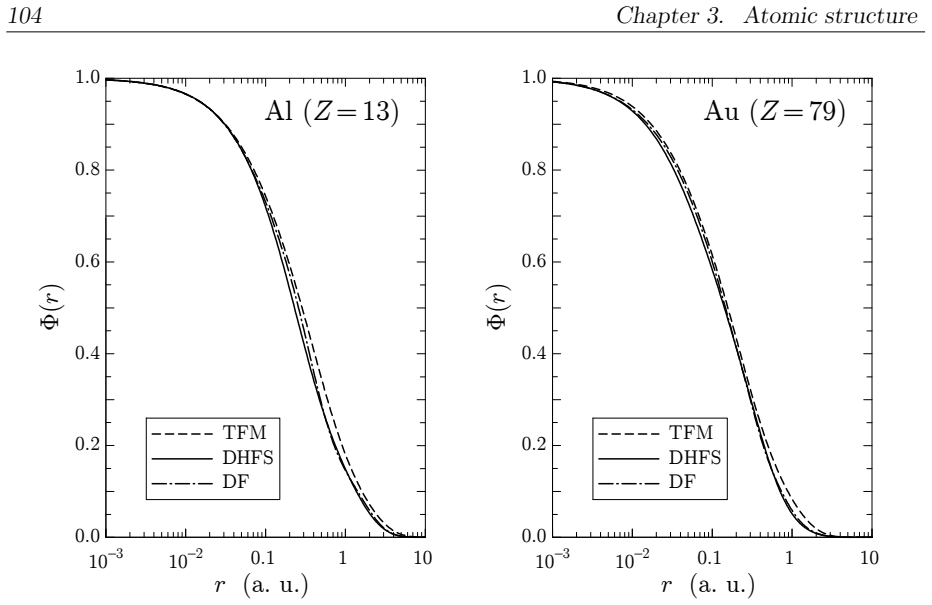
Figure 3. Figure 3: displays the TFM and DHFS analytical screening functions of aluminum [PITH_FULL_IMAGE:figures/full_fig_p119_3.png] view at source ↗
Figure 4
Figure 4. Figure 4 [PITH_FULL_IMAGE:figures/full_fig_p122_4.png] view at source ↗
Figure 4
Figure 4. Figure 4 [PITH_FULL_IMAGE:figures/full_fig_p124_4.png] view at source ↗
Figure 4
Figure 4. Figure 4 [PITH_FULL_IMAGE:figures/full_fig_p125_4.png] view at source ↗
Figure 4
Figure 4. Figure 4: shows the function [PITH_FULL_IMAGE:figures/full_fig_p126_4.png] view at source ↗
Figure 4
Figure 4. Figure 4 [PITH_FULL_IMAGE:figures/full_fig_p128_4.png] view at source ↗
Figure 4
Figure 4. Figure 4 [PITH_FULL_IMAGE:figures/full_fig_p133_4.png] view at source ↗
Figure 4
Figure 4. Figure 4 [PITH_FULL_IMAGE:figures/full_fig_p139_4.png] view at source ↗
Figure 4
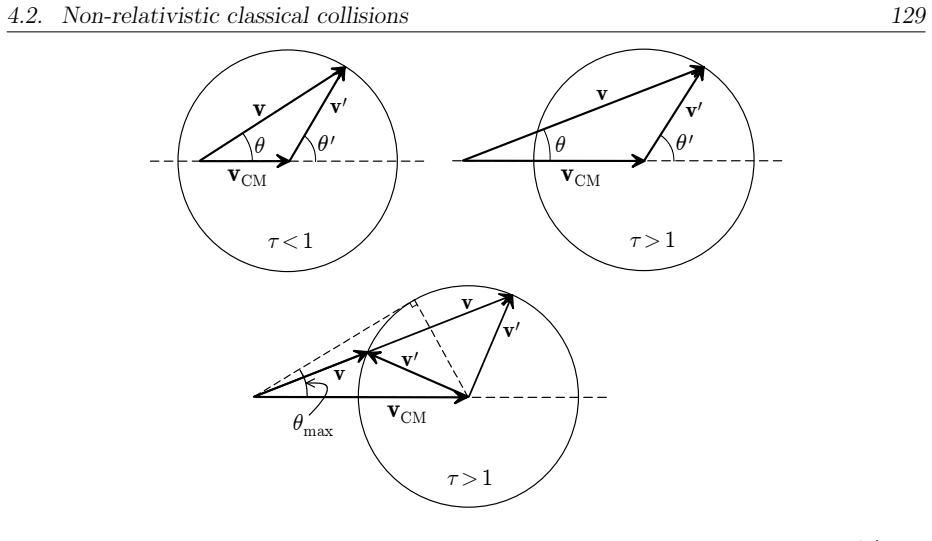
Figure 4. Figure 4: is meant to illustrate these transformation relations for a given value of the [PITH_FULL_IMAGE:figures/full_fig_p142_4.png] view at source ↗
Figure 4
Figure 4. Figure 4 [PITH_FULL_IMAGE:figures/full_fig_p143_4.png] view at source ↗
Figure 4
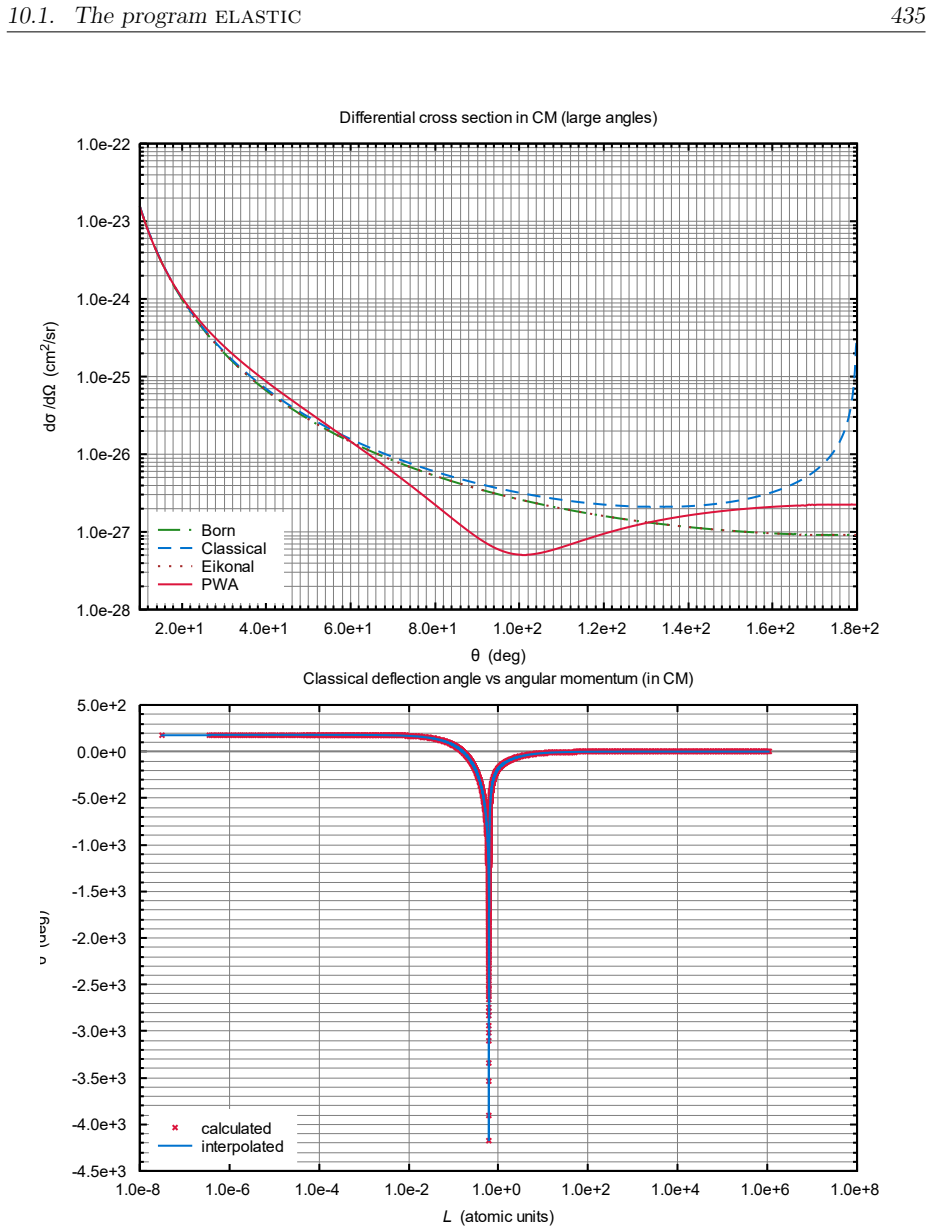
Figure 4. Figure 4: displays the DCSs in CM for collisions of protons and antiprotons with [PITH_FULL_IMAGE:figures/full_fig_p152_4.png] view at source ↗
Figure 4
Figure 4. Figure 4 [PITH_FULL_IMAGE:figures/full_fig_p153_4.png] view at source ↗
Figure 4
Figure 4. Figure 4 [PITH_FULL_IMAGE:figures/full_fig_p155_4.png] view at source ↗
Figure 4
Figure 4. Figure 4 [PITH_FULL_IMAGE:figures/full_fig_p157_4.png] view at source ↗
Figure 5
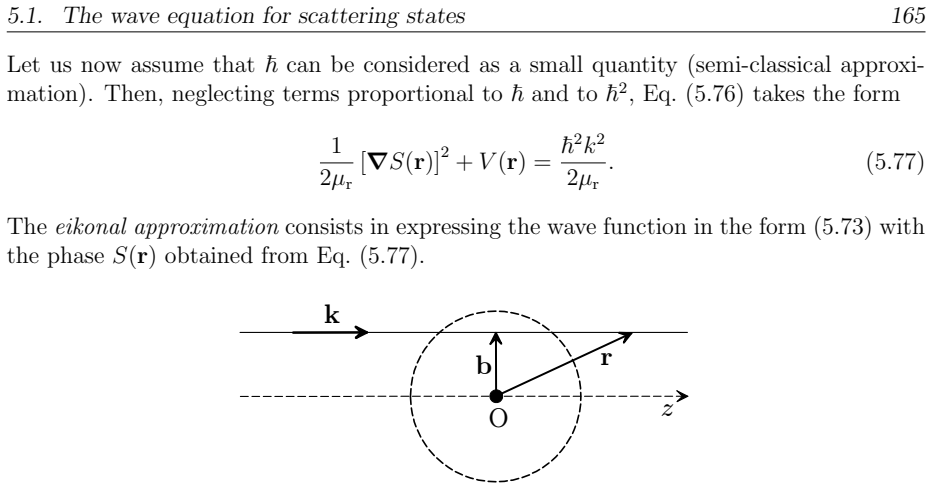
Figure 5. Figure 5 [PITH_FULL_IMAGE:figures/full_fig_p167_5.png] view at source ↗
Figure 5
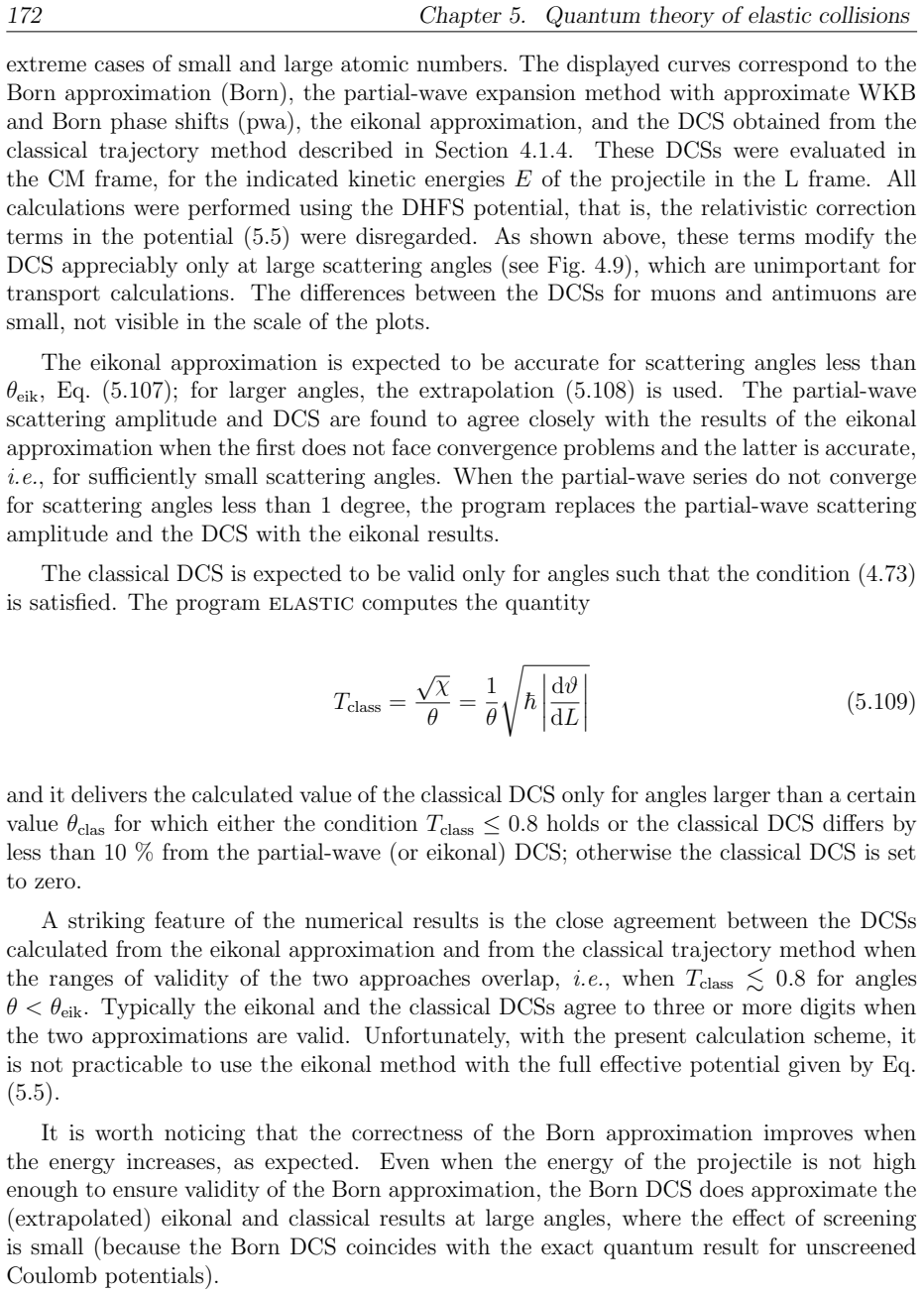
Figure 5. Figure 5 [PITH_FULL_IMAGE:figures/full_fig_p171_5.png] view at source ↗
Figure 5
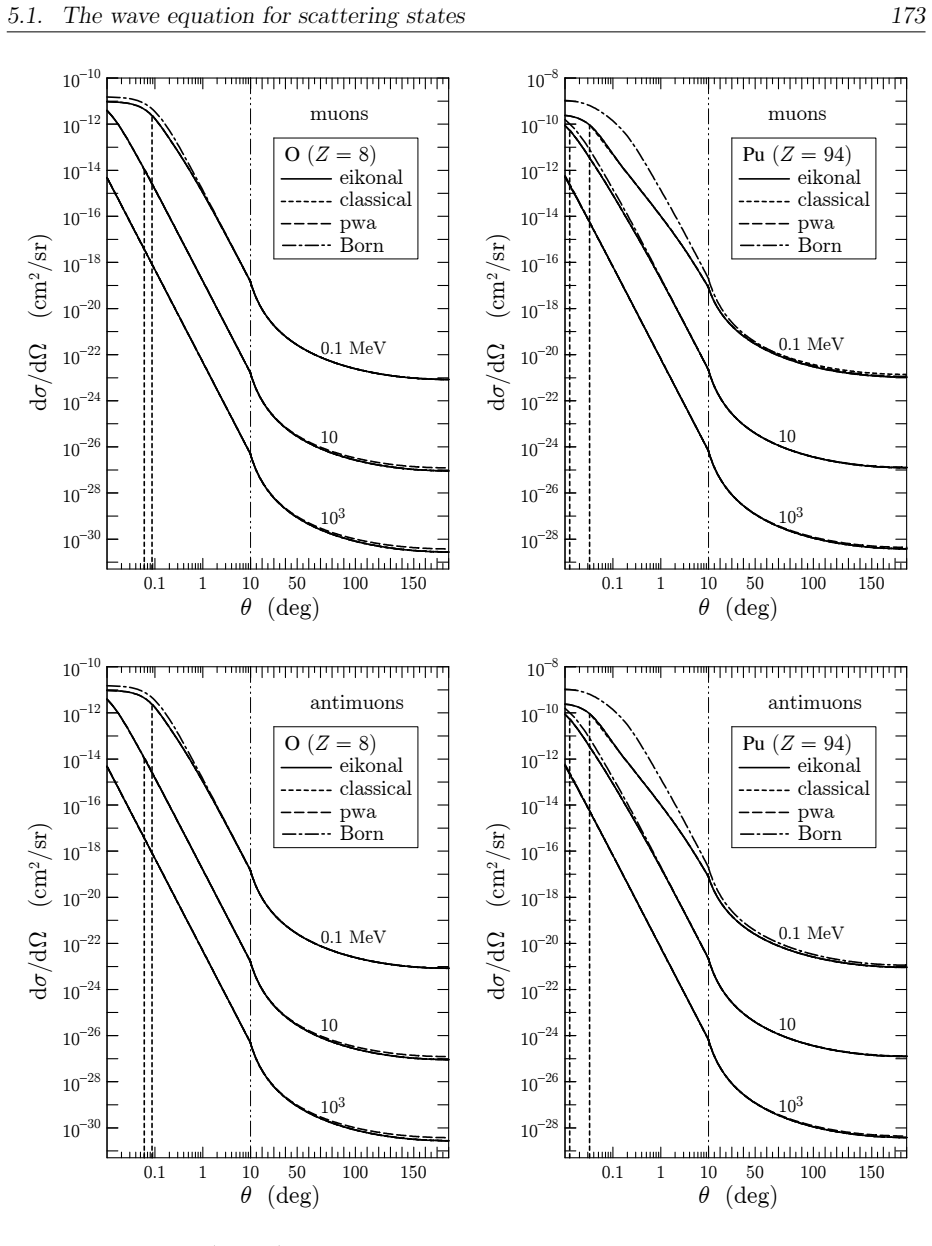
Figure 5. Figure 5 [PITH_FULL_IMAGE:figures/full_fig_p179_5.png] view at source ↗
Figure 5
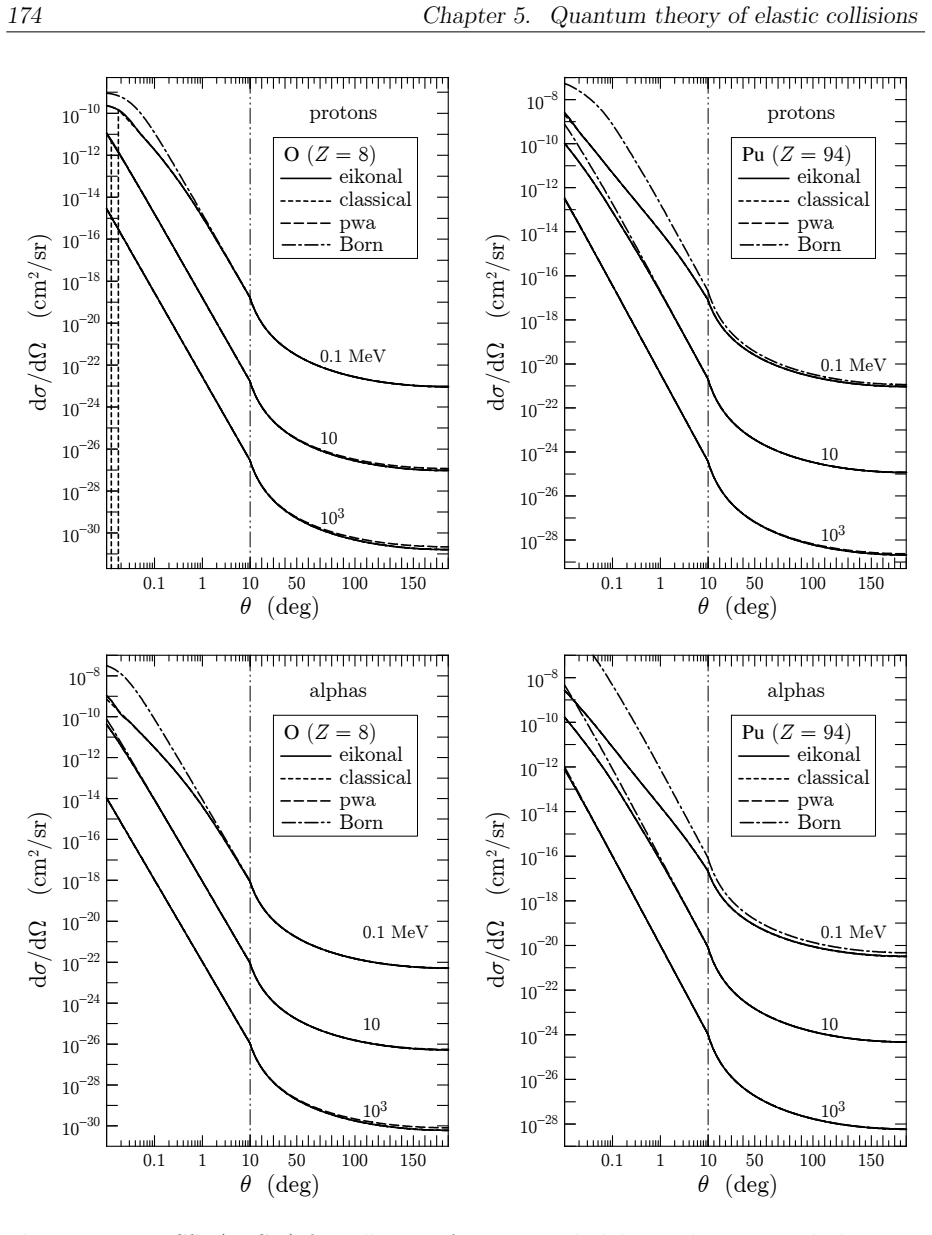
Figure 5. Figure 5: displays results from similar calculations for collisions of protons ( [PITH_FULL_IMAGE:figures/full_fig_p186_5.png] view at source ↗
Figure 5
Figure 5. Figure 5 [PITH_FULL_IMAGE:figures/full_fig_p187_5.png] view at source ↗
Figure 5
Figure 5. Figure 5 [PITH_FULL_IMAGE:figures/full_fig_p188_5.png] view at source ↗
Figure 5
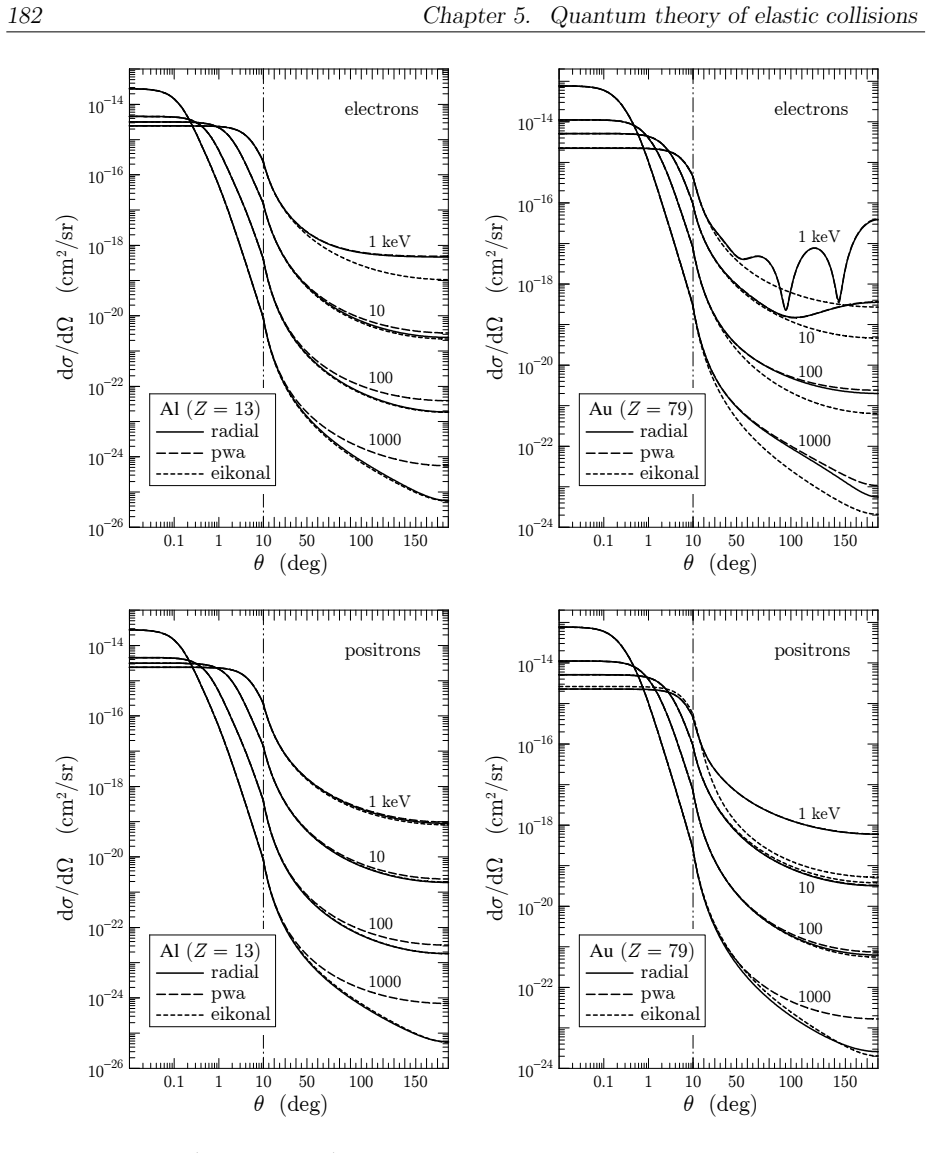
Figure 5. Figure 5: shows DCSs for scattering of electrons and positrons with the indicated energies [PITH_FULL_IMAGE:figures/full_fig_p195_5.png] view at source ↗
Figure 5
Figure 5. Figure 5 [PITH_FULL_IMAGE:figures/full_fig_p196_5.png] view at source ↗
Figure 5
Figure 5. Figure 5 [PITH_FULL_IMAGE:figures/full_fig_p197_5.png] view at source ↗
Figure 6
Figure 6. Figure 6: displays the kinematics of the collision. Before the interaction, the projectile [PITH_FULL_IMAGE:figures/full_fig_p206_6.png] view at source ↗
Figure 6
Figure 6. Figure 6 [PITH_FULL_IMAGE:figures/full_fig_p227_6.png] view at source ↗
Figure 6
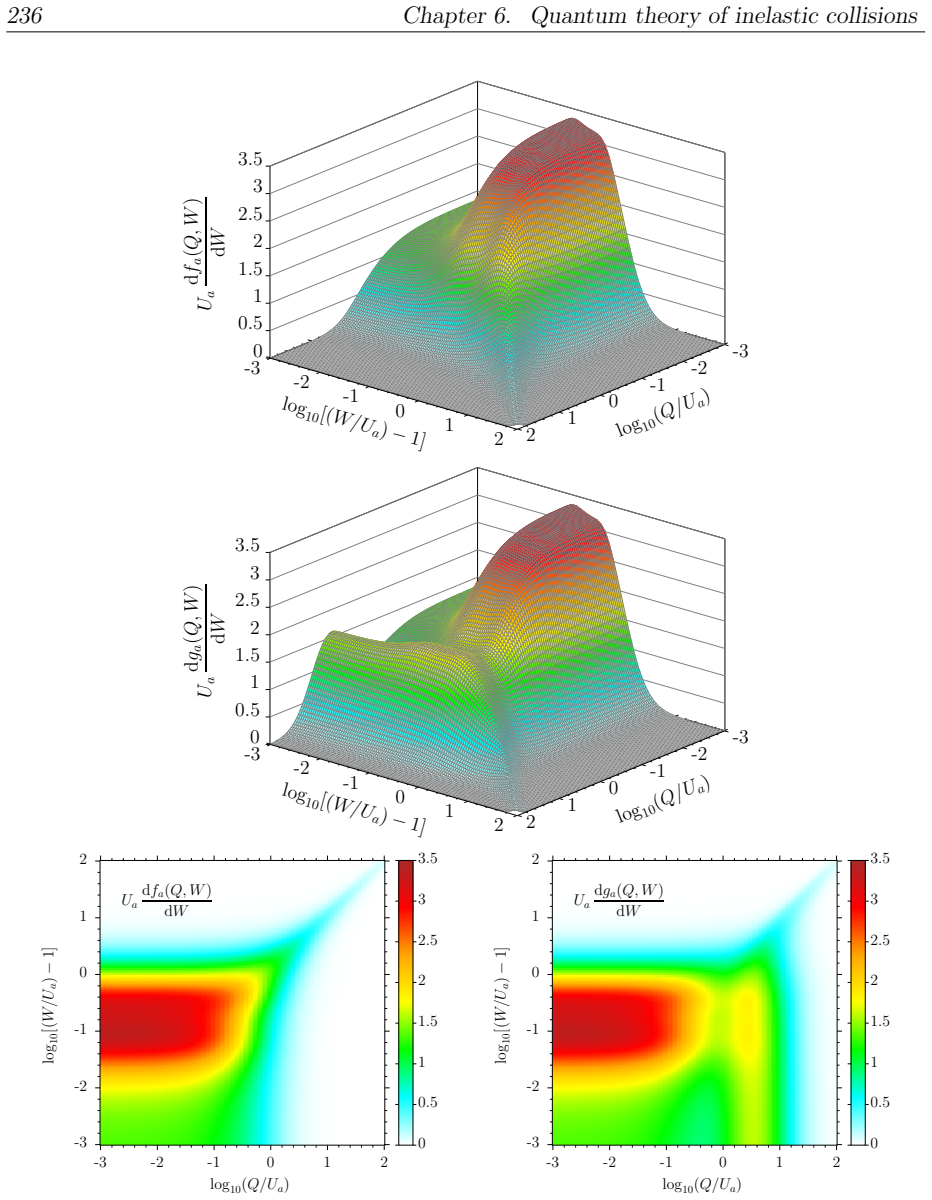
Figure 6. Figure 6: compares the exact GOS of hydrogenic ions, Eq. (6.103), with the BEA [PITH_FULL_IMAGE:figures/full_fig_p236_6.png] view at source ↗
Figure 6
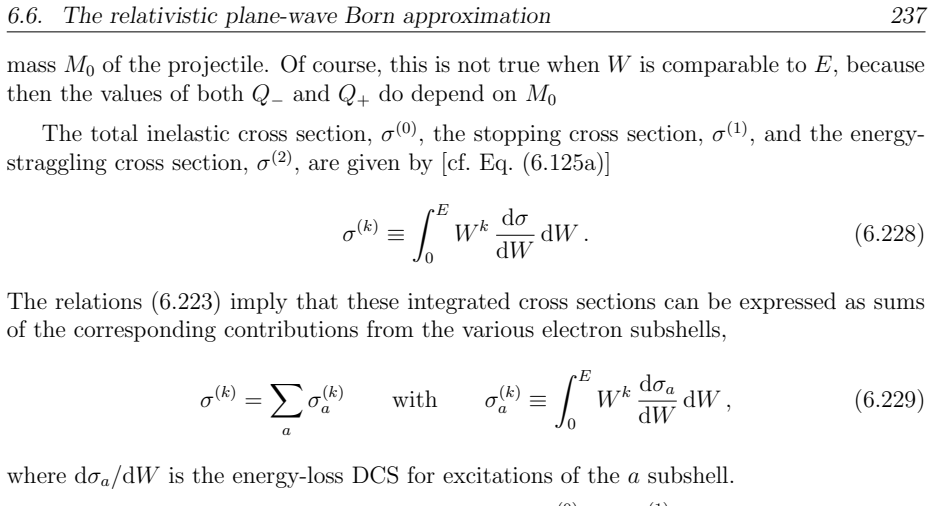
Figure 6. Figure 6 [PITH_FULL_IMAGE:figures/full_fig_p237_6.png] view at source ↗
Figure 6
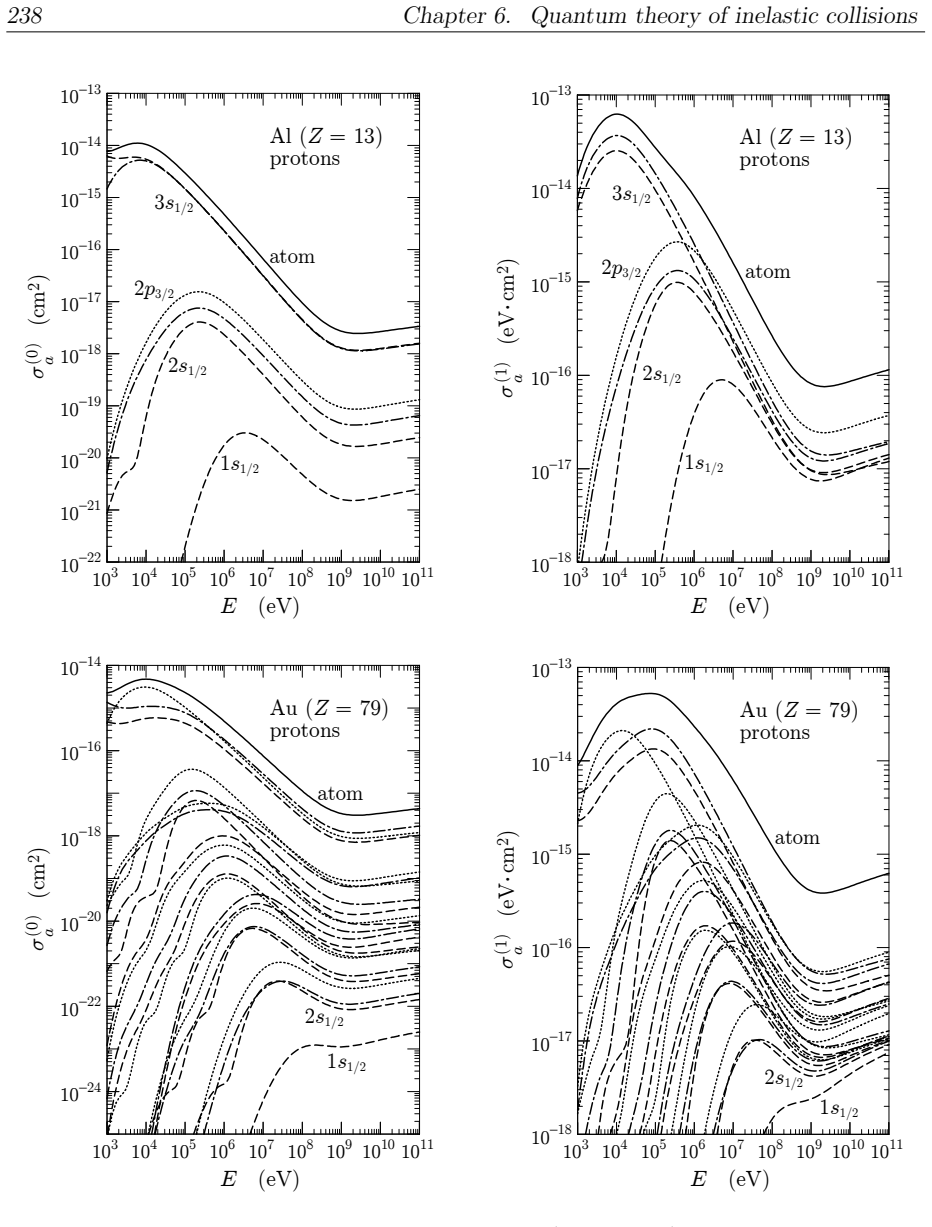
Figure 6. Figure 6 [PITH_FULL_IMAGE:figures/full_fig_p238_6.png] view at source ↗
Figure 6
Figure 6. Figure 6 [PITH_FULL_IMAGE:figures/full_fig_p240_6.png] view at source ↗
Figure 6
Figure 6. Figure 6 [PITH_FULL_IMAGE:figures/full_fig_p249_6.png] view at source ↗
Figure 6
Figure 6. Figure 6 [PITH_FULL_IMAGE:figures/full_fig_p250_6.png] view at source ↗
Figure 6
Figure 6. Figure 6: displays the integrated cross sections [PITH_FULL_IMAGE:figures/full_fig_p251_6.png] view at source ↗
Figure 6
Figure 6. Figure 6 [PITH_FULL_IMAGE:figures/full_fig_p252_6.png] view at source ↗
Figure 6
Figure 6. Figure 6 [PITH_FULL_IMAGE:figures/full_fig_p268_6.png] view at source ↗
Figure 6
Figure 6. Figure 6 [PITH_FULL_IMAGE:figures/full_fig_p269_6.png] view at source ↗
Figure 6
Figure 6. Figure 6 [PITH_FULL_IMAGE:figures/full_fig_p271_6.png] view at source ↗
Figure 6
Figure 6. Figure 6 [PITH_FULL_IMAGE:figures/full_fig_p272_6.png] view at source ↗
Figure 6
Figure 6. Figure 6 [PITH_FULL_IMAGE:figures/full_fig_p273_6.png] view at source ↗
Figure 7
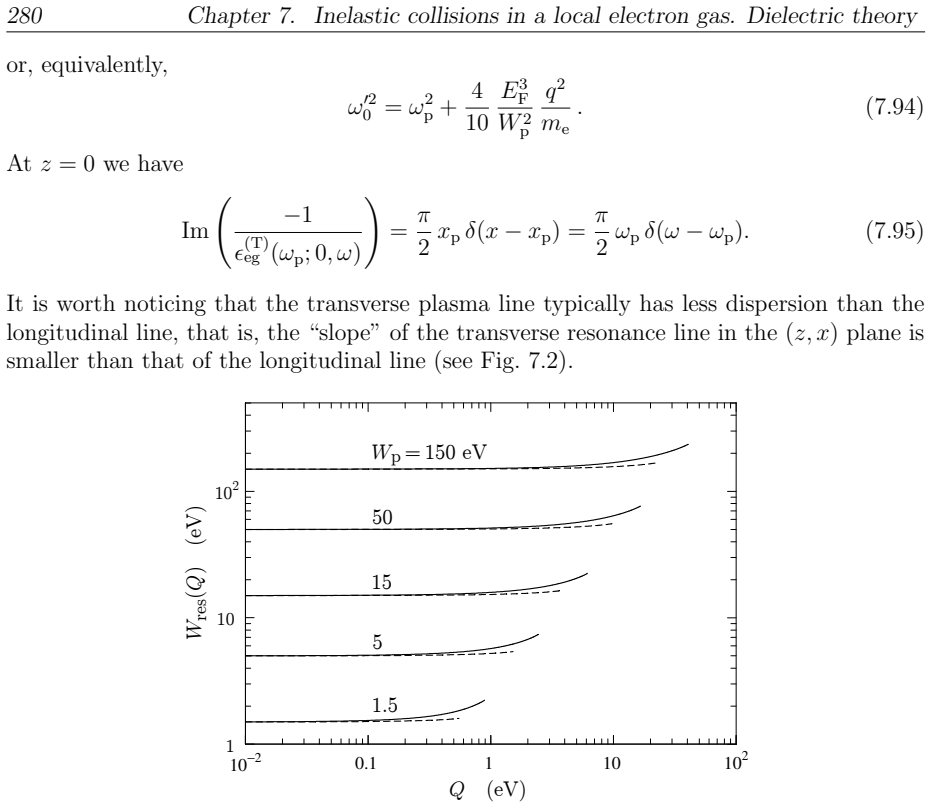
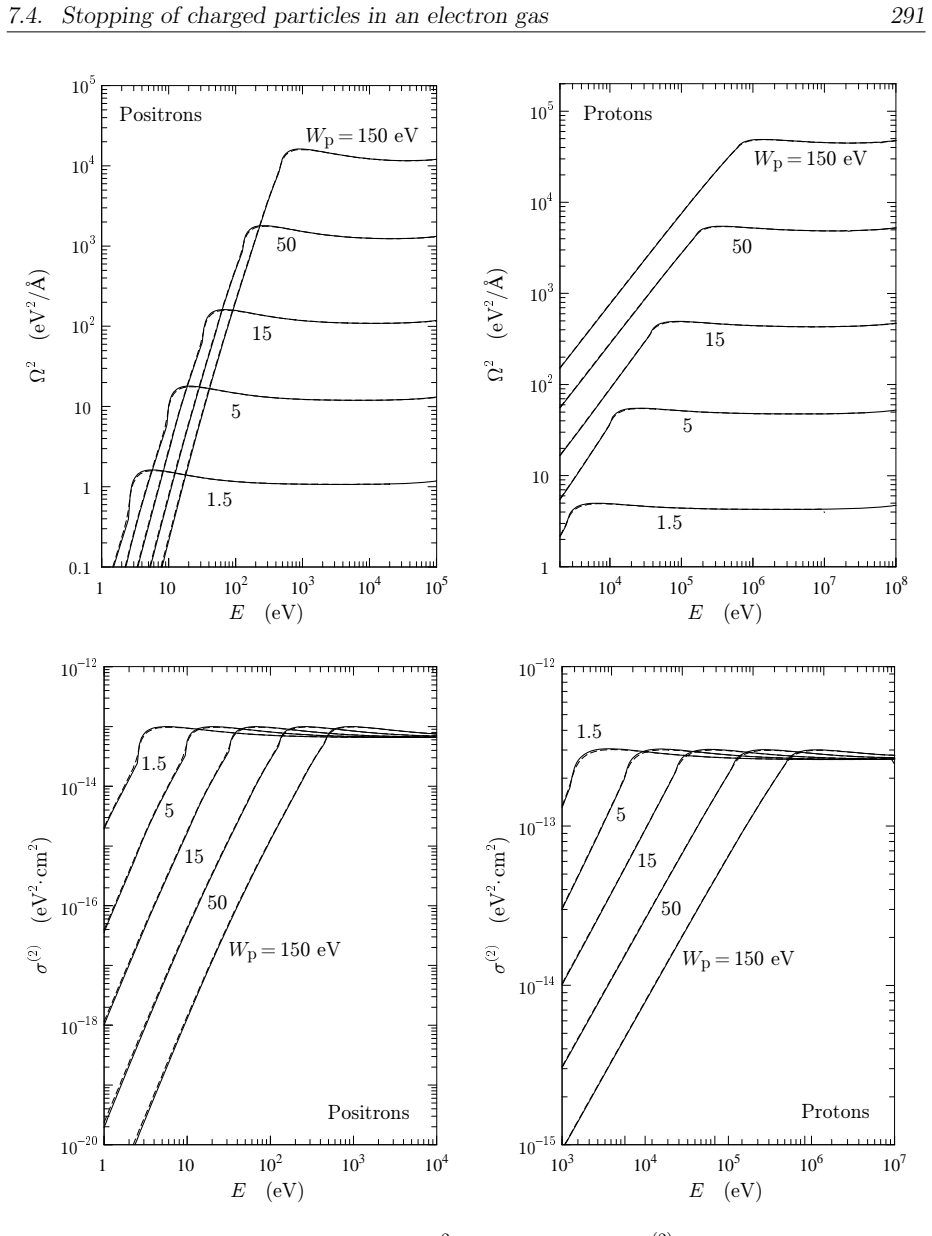
Figure 7. Figure 7 [PITH_FULL_IMAGE:figures/full_fig_p290_7.png] view at source ↗
Figure 7
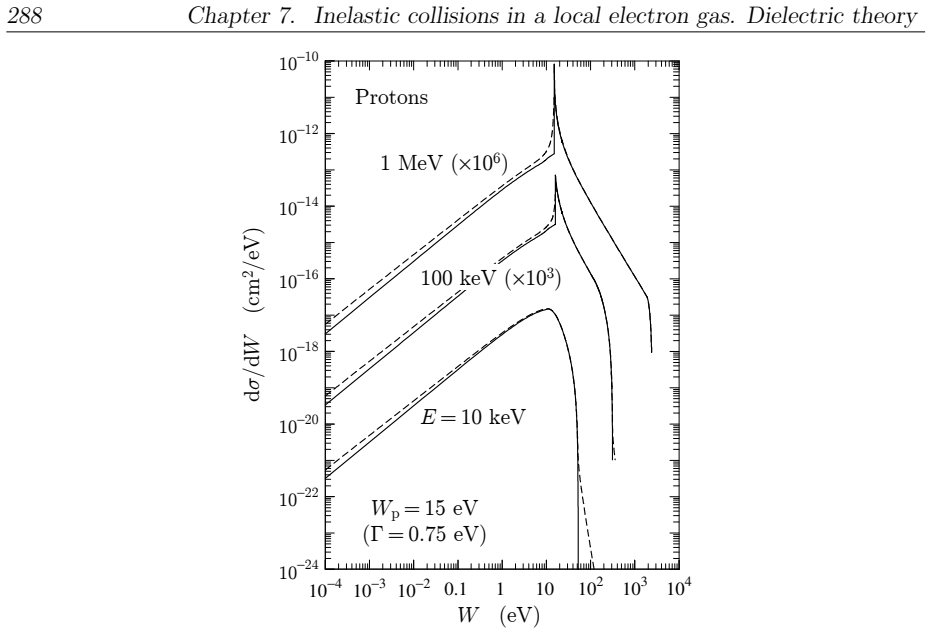
Figure 7. Figure 7 [PITH_FULL_IMAGE:figures/full_fig_p294_7.png] view at source ↗
Figure 7
Figure 7. Figure 7 [PITH_FULL_IMAGE:figures/full_fig_p302_7.png] view at source ↗
Figure 7
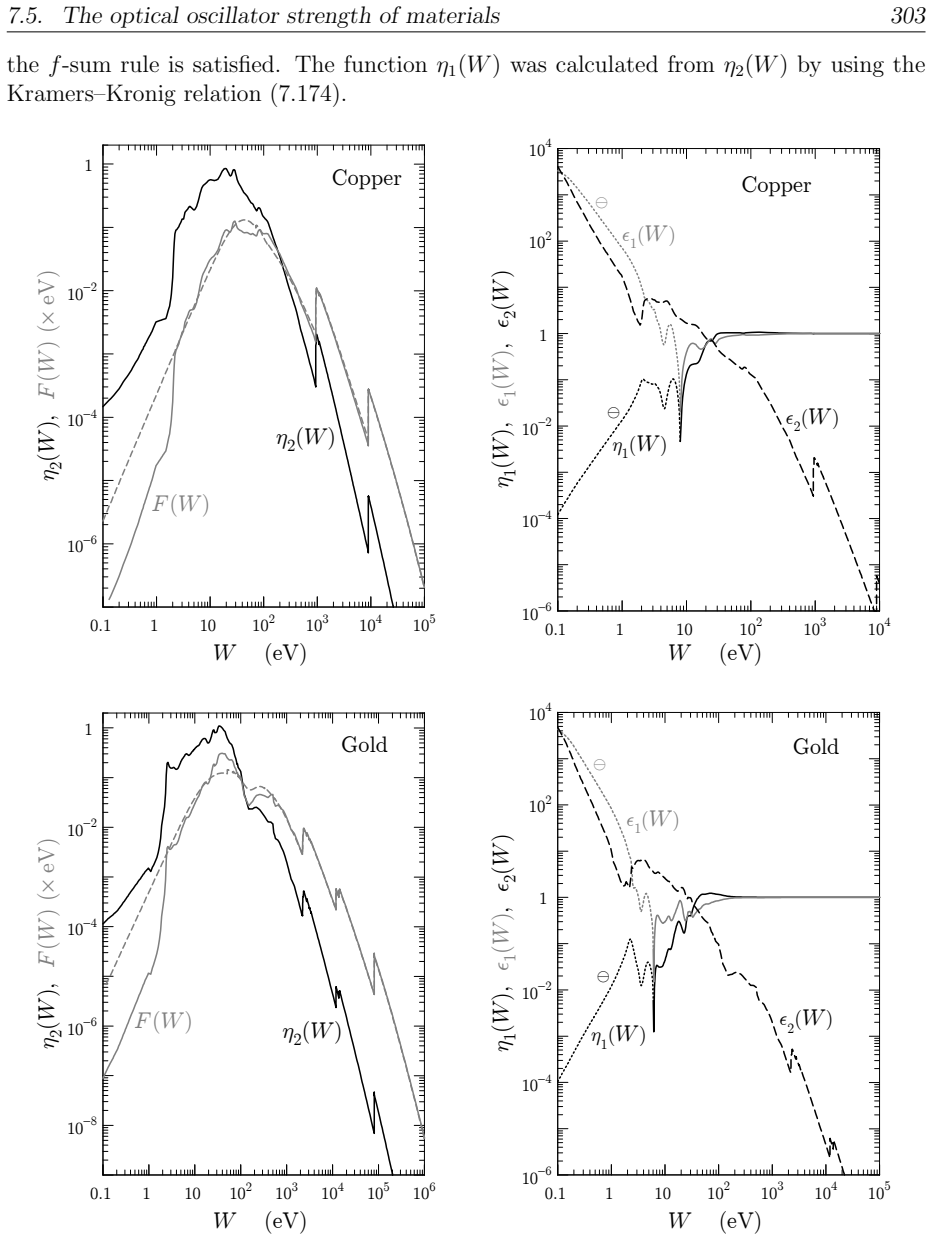
Figure 7. Figure 7 [PITH_FULL_IMAGE:figures/full_fig_p303_7.png] view at source ↗
Figure 7
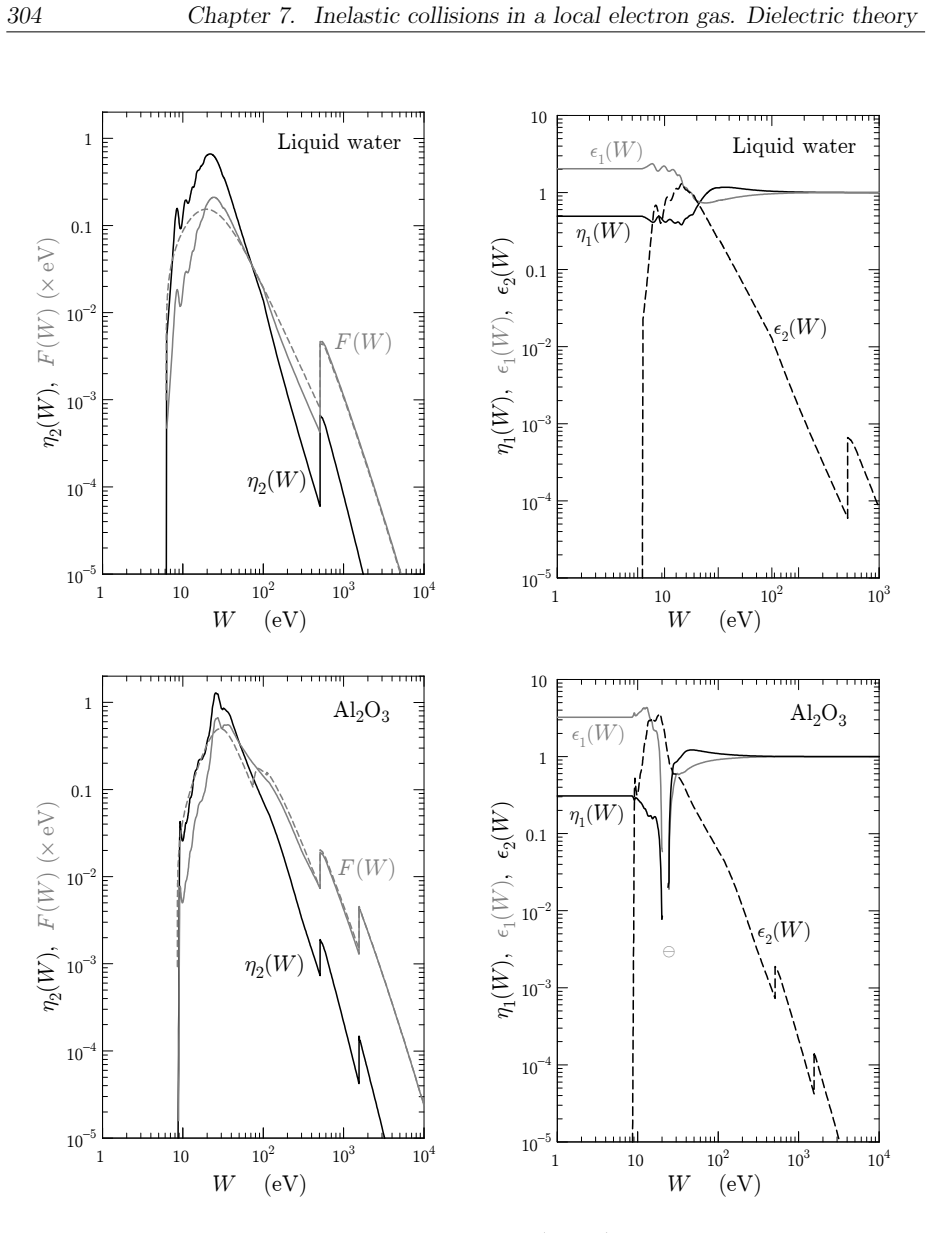
Figure 7. Figure 7 [PITH_FULL_IMAGE:figures/full_fig_p304_7.png] view at source ↗
Figure 7
Figure 7. Figure 7 [PITH_FULL_IMAGE:figures/full_fig_p305_7.png] view at source ↗
Figure 7
Figure 7. Figure 7 [PITH_FULL_IMAGE:figures/full_fig_p309_7.png] view at source ↗
Figure 7
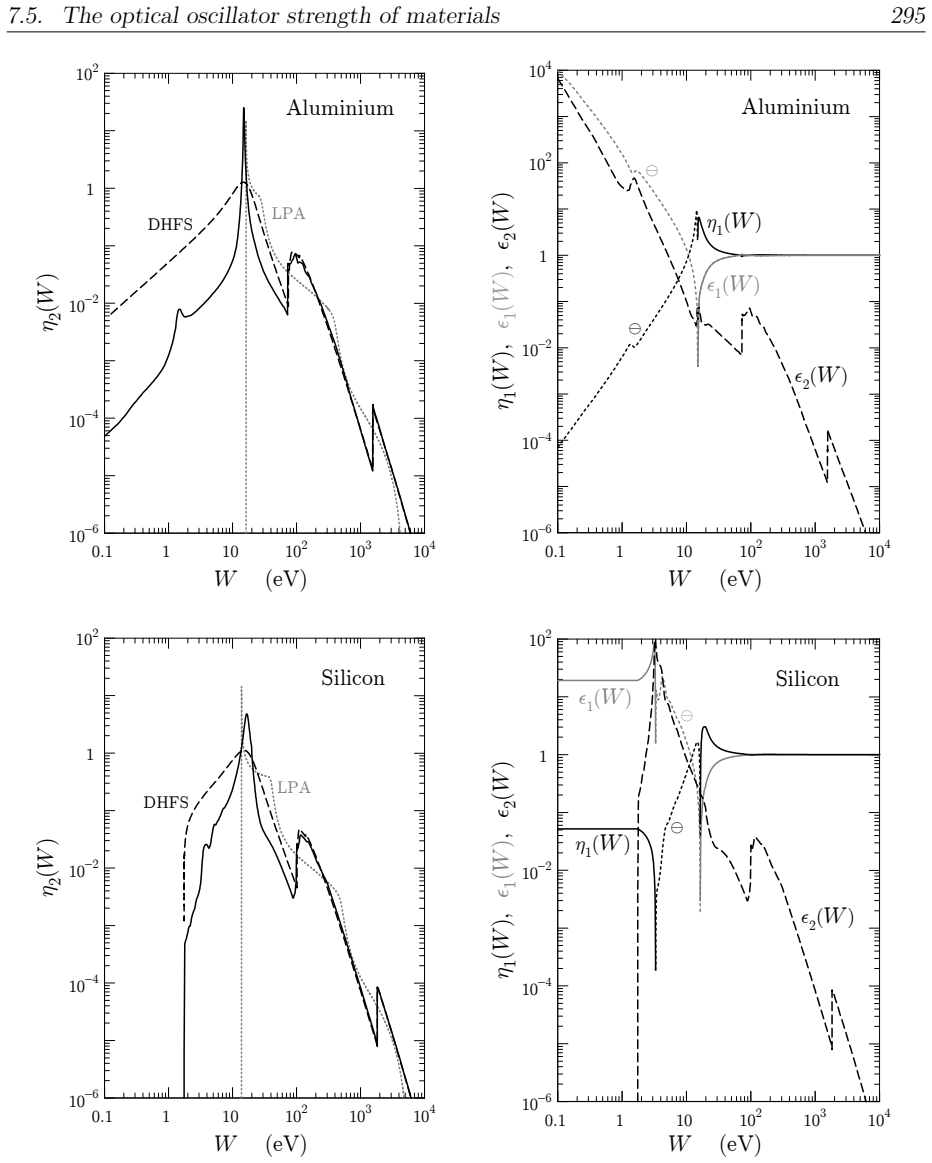
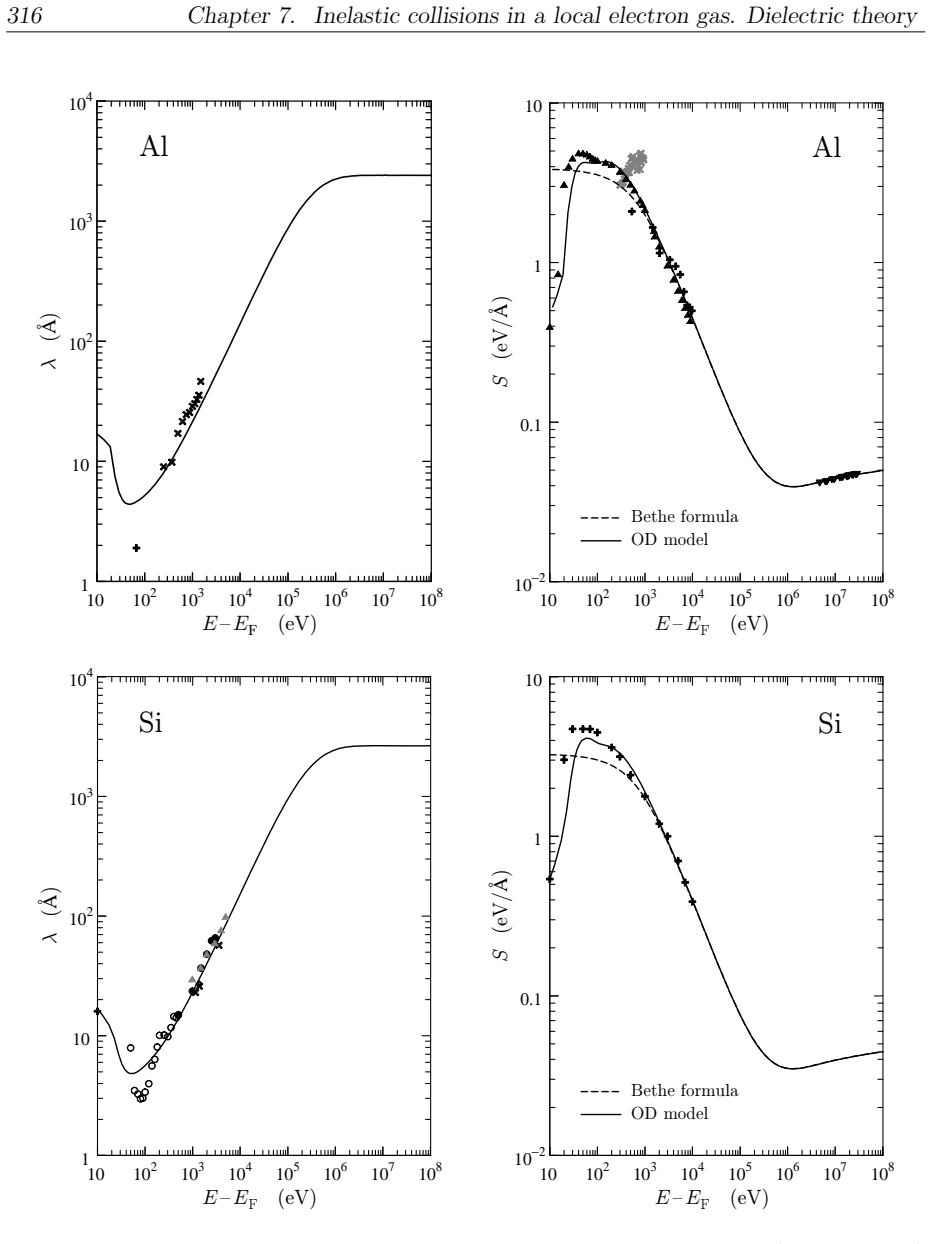
Figure 7. Figure 7: displays the optical functions for solid aluminum and silicon, a conductor [PITH_FULL_IMAGE:figures/full_fig_p316_7.png] view at source ↗
Figure 7
Figure 7. Figure 7 [PITH_FULL_IMAGE:figures/full_fig_p317_7.png] view at source ↗
Figure 7
Figure 7. Figure 7 [PITH_FULL_IMAGE:figures/full_fig_p318_7.png] view at source ↗
Figure 7
Figure 7. Figure 7 [PITH_FULL_IMAGE:figures/full_fig_p322_7.png] view at source ↗
Figure 7
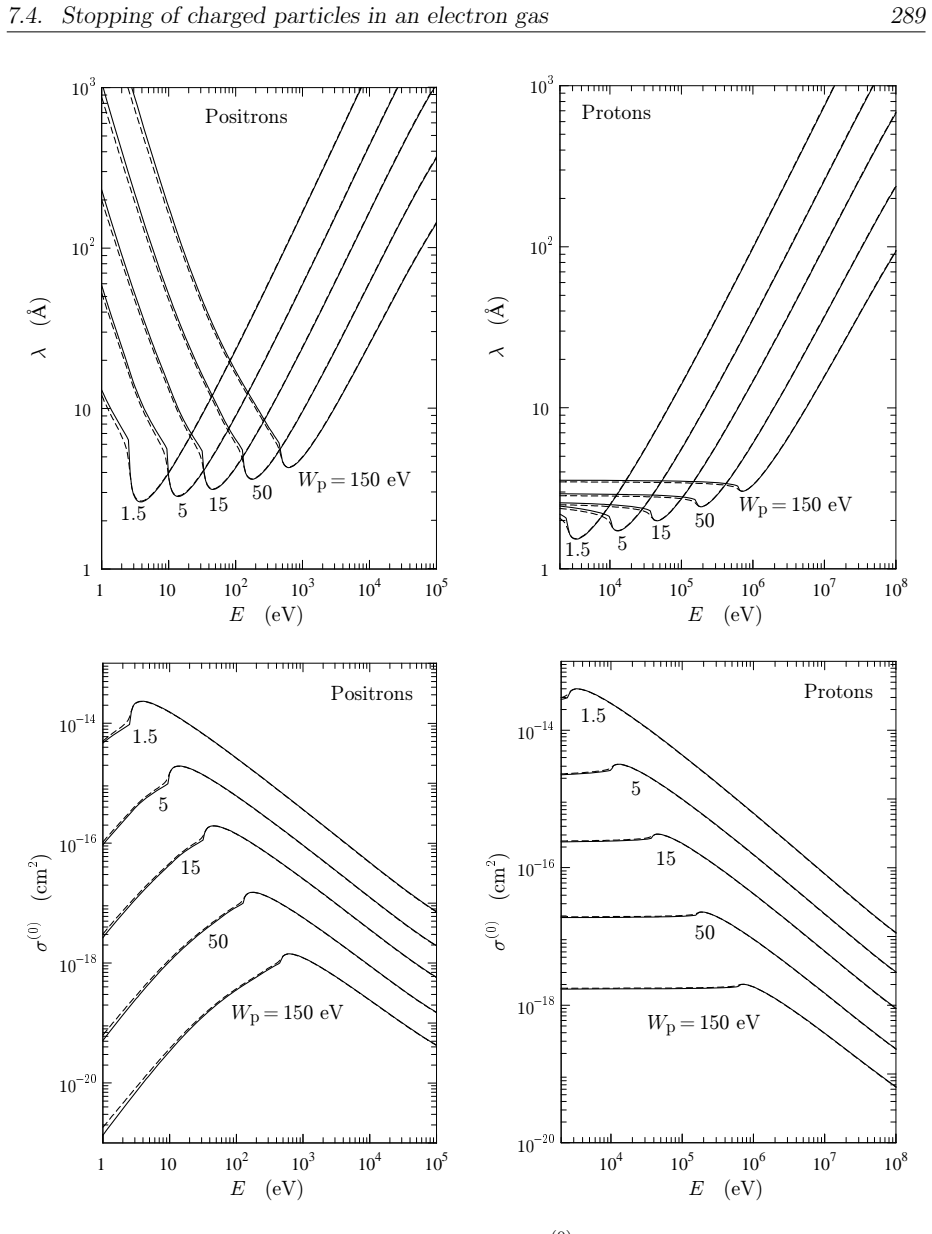
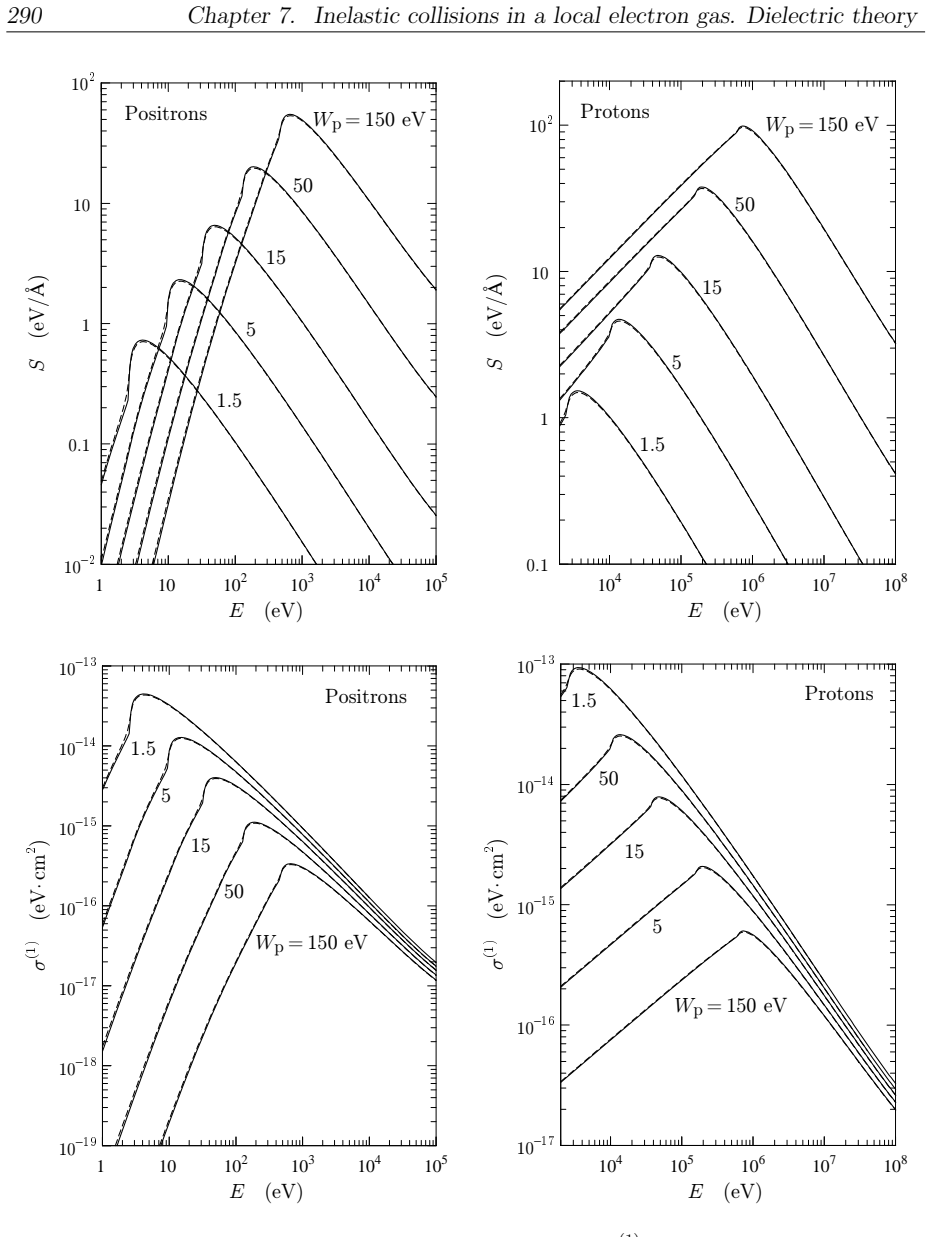
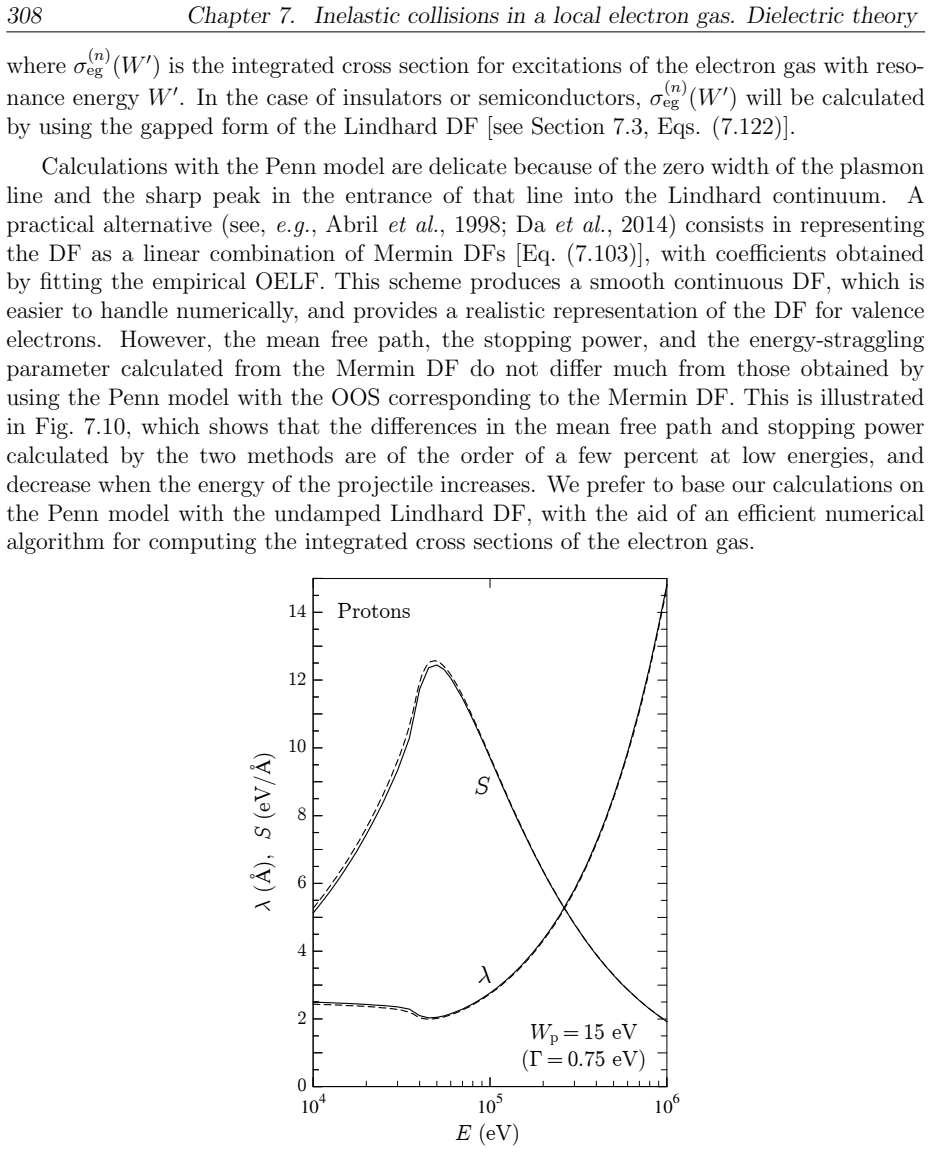
Figure 7. Figure 7: shows mean free paths, stopping powers, and energy-straggling parameters [PITH_FULL_IMAGE:figures/full_fig_p327_7.png] view at source ↗
Figure 7
Figure 7. Figure 7 [PITH_FULL_IMAGE:figures/full_fig_p328_7.png] view at source ↗
Figure 7
Figure 7. Figure 7 [PITH_FULL_IMAGE:figures/full_fig_p329_7.png] view at source ↗
Figure 7
Figure 7. Figure 7 [PITH_FULL_IMAGE:figures/full_fig_p330_7.png] view at source ↗
Figure 7
Figure 7. Figure 7 [PITH_FULL_IMAGE:figures/full_fig_p331_7.png] view at source ↗
Figure 8
Figure 8. Figure 8 [PITH_FULL_IMAGE:figures/full_fig_p337_8.png] view at source ↗
Figure 8
Figure 8. Figure 8 [PITH_FULL_IMAGE:figures/full_fig_p338_8.png] view at source ↗
Figure 8
Figure 8. Figure 8 [PITH_FULL_IMAGE:figures/full_fig_p355_8.png] view at source ↗
Figure 8
Figure 8. Figure 8 [PITH_FULL_IMAGE:figures/full_fig_p360_8.png] view at source ↗
Figure 8
Figure 8. Figure 8 [PITH_FULL_IMAGE:figures/full_fig_p361_8.png] view at source ↗
Figure 8
Figure 8. Figure 8 [PITH_FULL_IMAGE:figures/full_fig_p366_8.png] view at source ↗
Figure 8
Figure 8. Figure 8 [PITH_FULL_IMAGE:figures/full_fig_p370_8.png] view at source ↗
Figure 8
Figure 8. Figure 8 [PITH_FULL_IMAGE:figures/full_fig_p373_8.png] view at source ↗
Figure 8
Figure 8. Figure 8 [PITH_FULL_IMAGE:figures/full_fig_p374_8.png] view at source ↗
Figure 8
Figure 8. Figure 8 [PITH_FULL_IMAGE:figures/full_fig_p377_8.png] view at source ↗
Figure 8
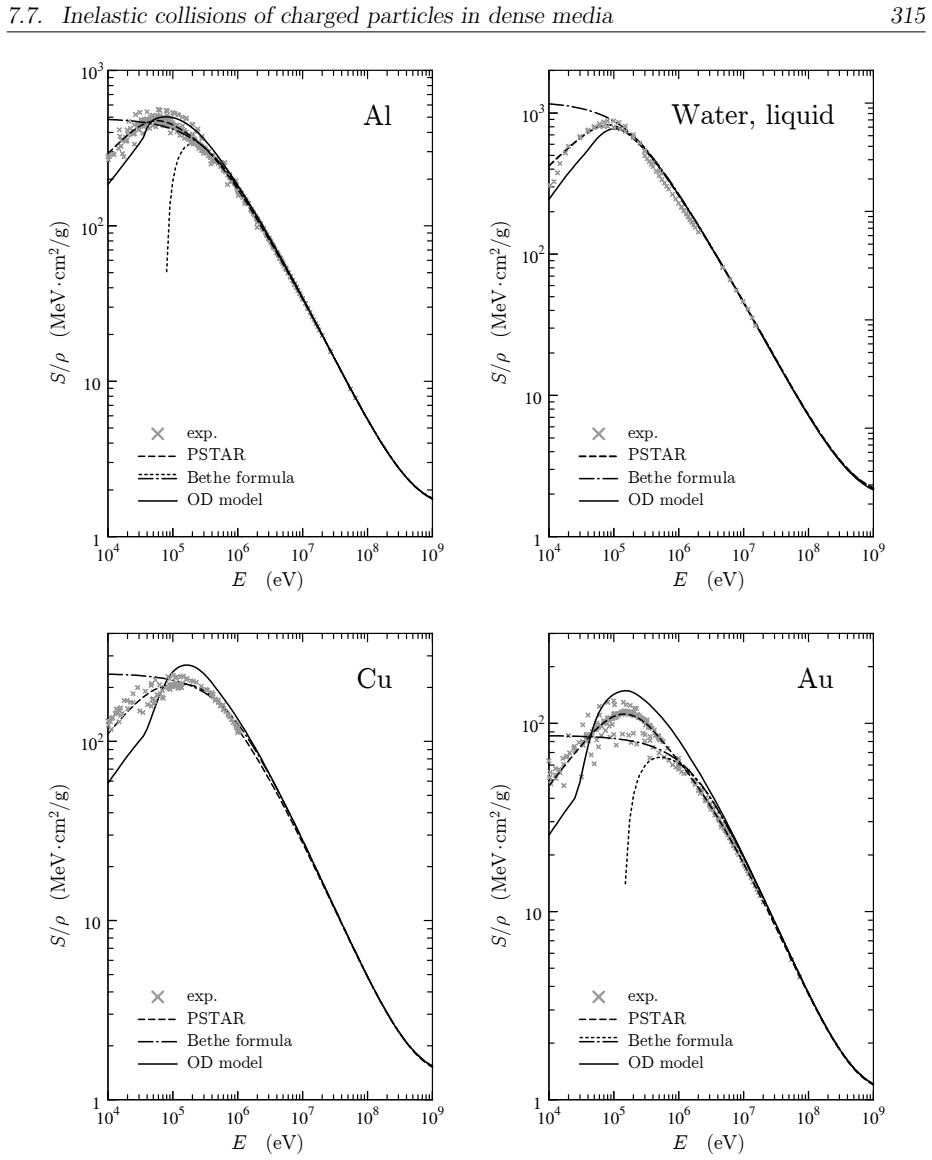
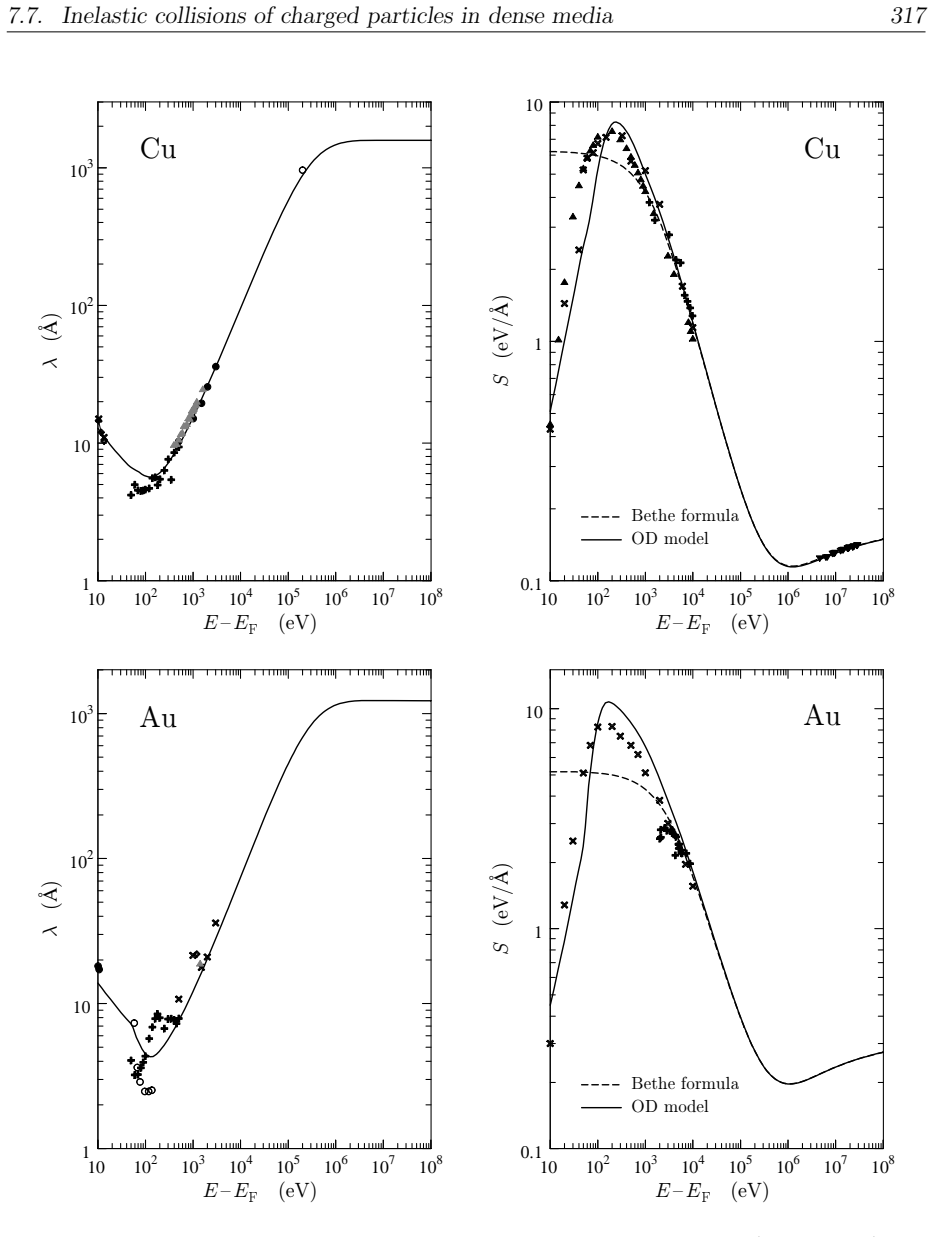
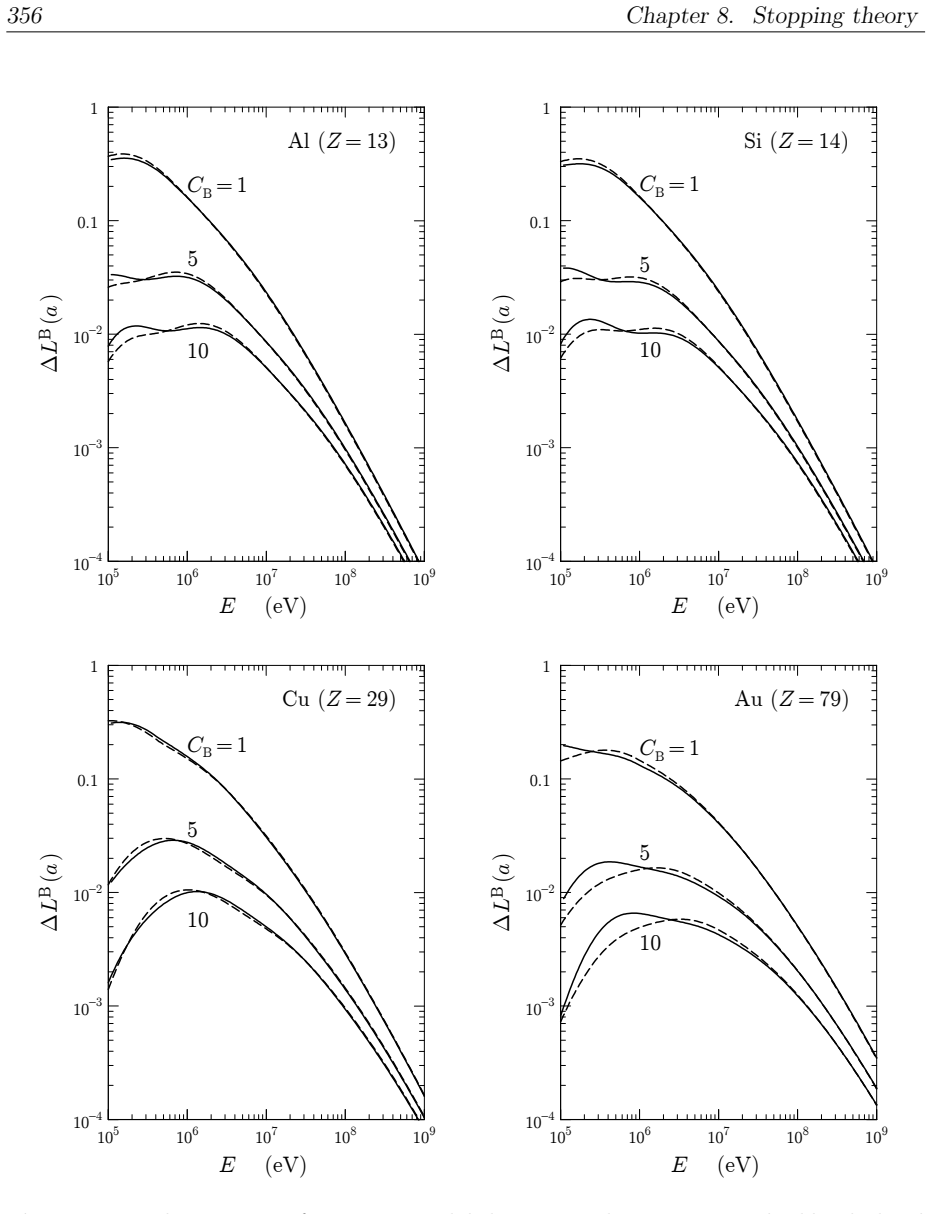
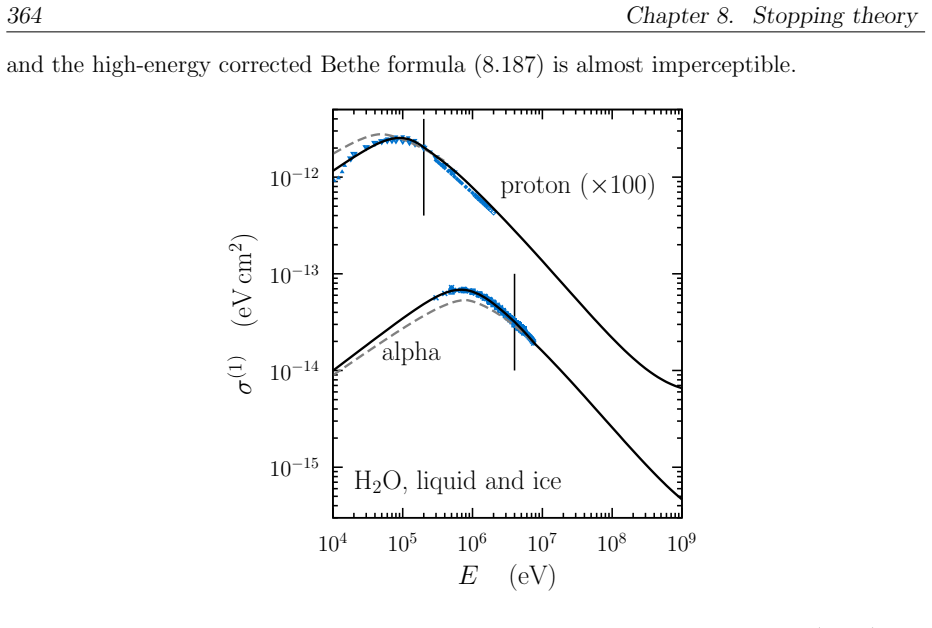
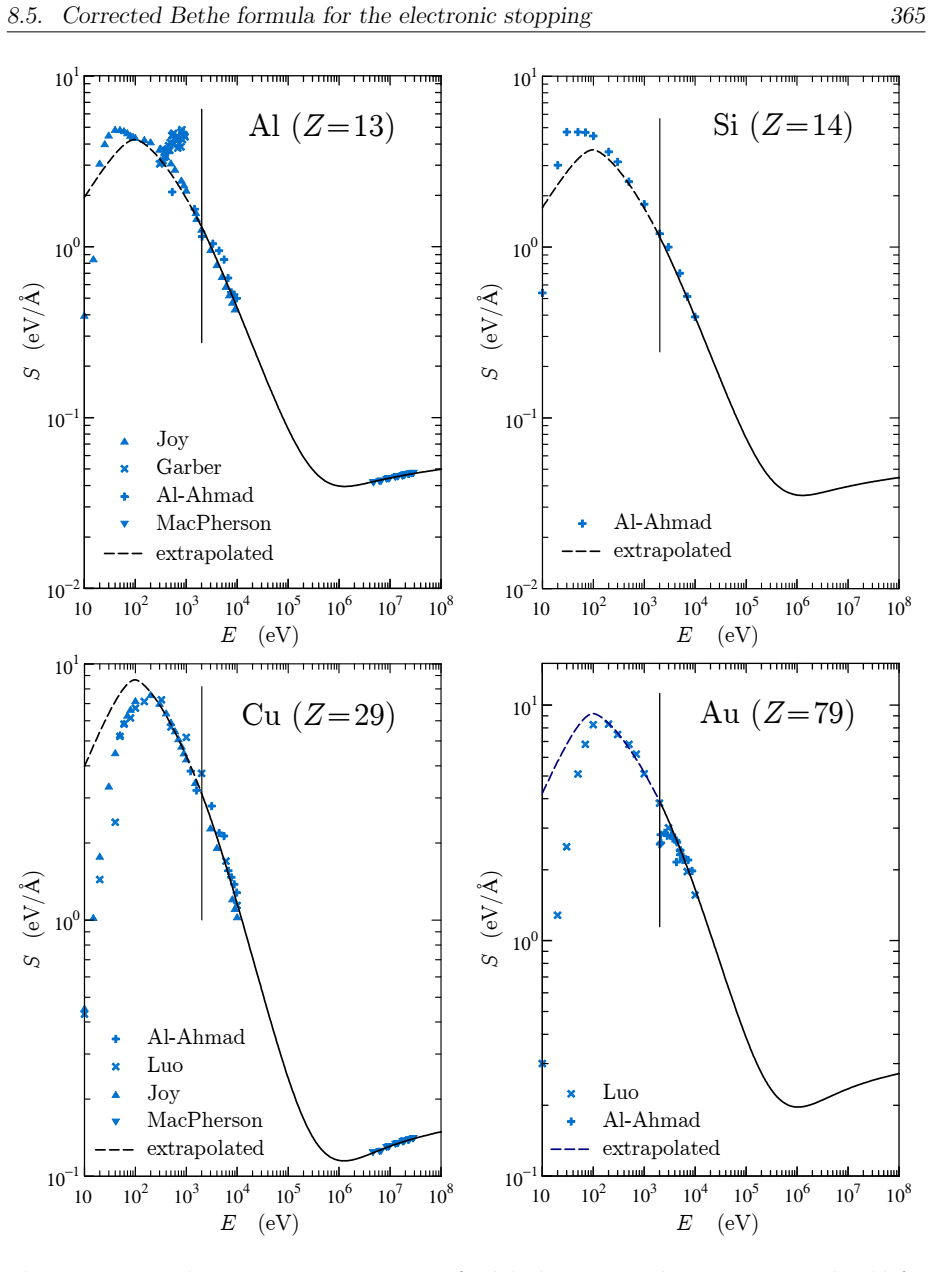
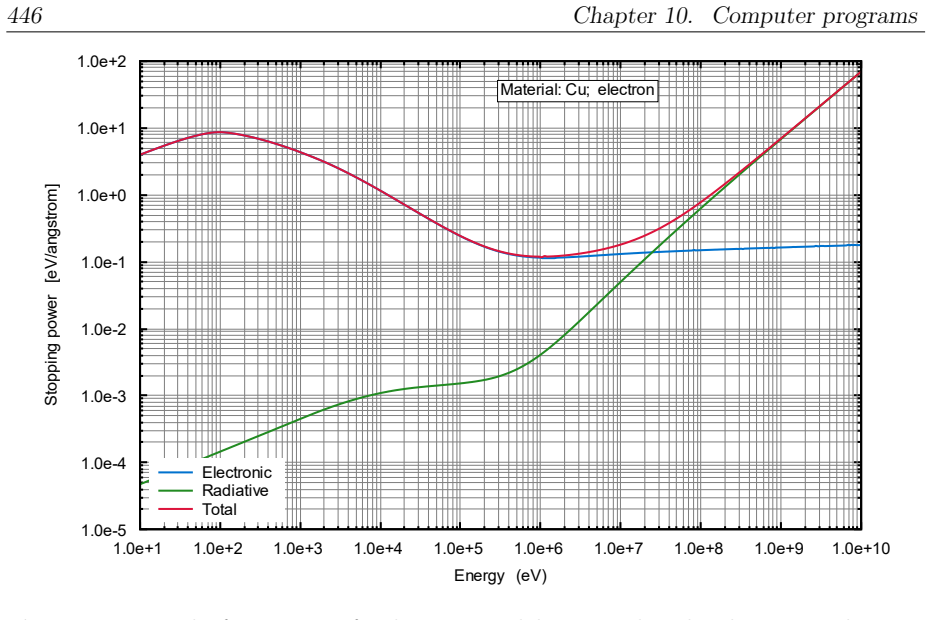
Figure 8. Figure 8: compares stopping powers of metallic aluminium, silicon, copper, and gold [PITH_FULL_IMAGE:figures/full_fig_p378_8.png] view at source ↗
Figure 8
Figure 8. Figure 8 [PITH_FULL_IMAGE:figures/full_fig_p379_8.png] view at source ↗
Figure 8
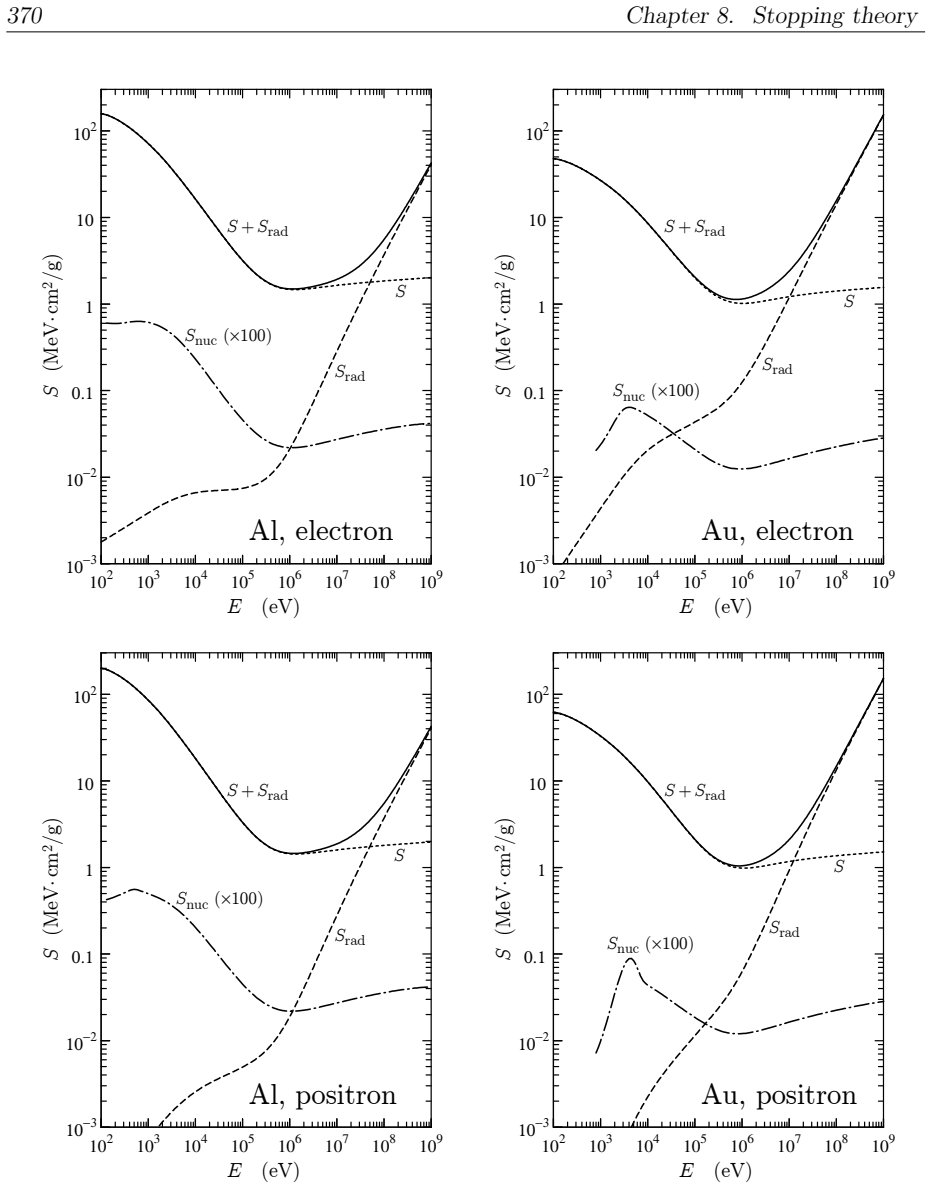
Figure 8. Figure 8: compares the radiative stopping powers of electrons and positrons in alu [PITH_FULL_IMAGE:figures/full_fig_p383_8.png] view at source ↗
Figure 8
Figure 8. Figure 8 [PITH_FULL_IMAGE:figures/full_fig_p384_8.png] view at source ↗
Figure 9
Figure 9. Figure 9 [PITH_FULL_IMAGE:figures/full_fig_p391_9.png] view at source ↗
Figure 9
Figure 9. Figure 9 [PITH_FULL_IMAGE:figures/full_fig_p392_9.png] view at source ↗
Figure 9
Figure 9. Figure 9: b), so that [PITH_FULL_IMAGE:figures/full_fig_p393_9.png] view at source ↗
Figure 9
Figure 9. Figure 9 [PITH_FULL_IMAGE:figures/full_fig_p411_9.png] view at source ↗
Figure 9
Figure 9. Figure 9 [PITH_FULL_IMAGE:figures/full_fig_p414_9.png] view at source ↗
Figure 9
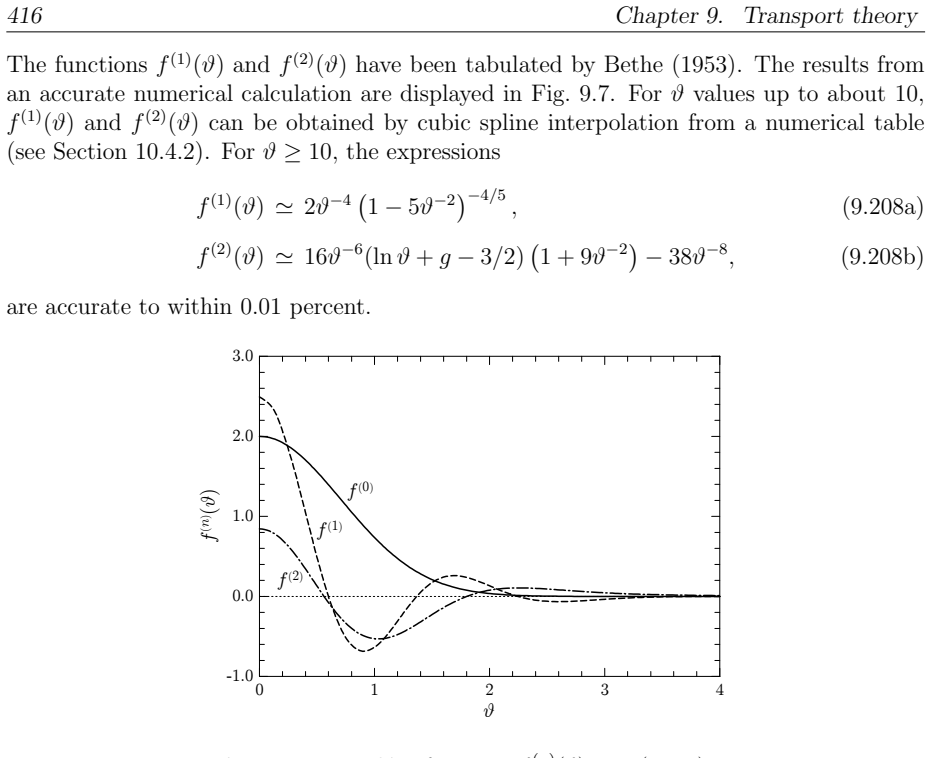
Figure 9. Figure 9 [PITH_FULL_IMAGE:figures/full_fig_p417_9.png] view at source ↗
Figure 9
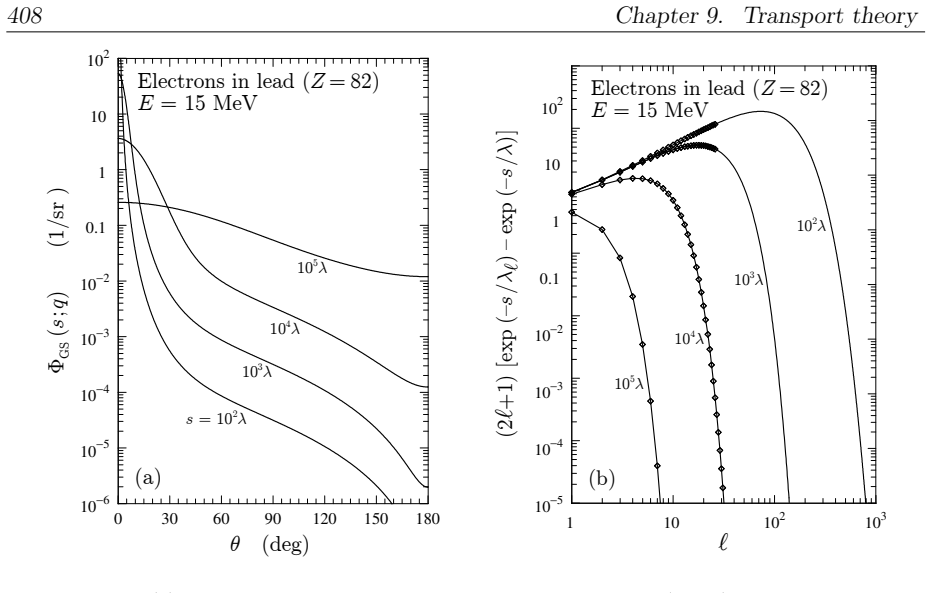
Figure 9. Figure 9: (a) shows Goudsmit–Saunderson distributions of 15 MeV electrons in lead [PITH_FULL_IMAGE:figures/full_fig_p421_9.png] view at source ↗
Figure 9
Figure 9. Figure 9 [PITH_FULL_IMAGE:figures/full_fig_p422_9.png] view at source ↗
Figure 9
Figure 9. Figure 9: (b) displays the coefficients (2 [PITH_FULL_IMAGE:figures/full_fig_p423_9.png] view at source ↗
Figure 9
Figure 9. Figure 9 [PITH_FULL_IMAGE:figures/full_fig_p430_9.png] view at source ↗
Figure 10
Figure 10. Figure 10 [PITH_FULL_IMAGE:figures/full_fig_p449_10.png] view at source ↗
Figure 10
Figure 10. Figure 10 [PITH_FULL_IMAGE:figures/full_fig_p450_10.png] view at source ↗
Figure 10
Figure 10. Figure 10 [PITH_FULL_IMAGE:figures/full_fig_p459_10.png] view at source ↗
Figure 10
Figure 10. Figure 10 [PITH_FULL_IMAGE:figures/full_fig_p460_10.png] view at source ↗
Figure 10
Figure 10. Figure 10 [PITH_FULL_IMAGE:figures/full_fig_p461_10.png] view at source ↗
read the original abstract

This text is intended to offer a consistent presentation of the theory of collisions and stopping of charged particles in matter, limited to the range of intermediate kinetic energies where atomic aggregation effects are relatively unimportant and processes such as the creation of particle-antiparticle pairs are not likely to occur. The first three Chapters contain introductory material on the classical description of electromagnetic fields in matter, an overview of quantum wave equations for a particle in a central potential, and an account of elementary atomic-structure models. Chapters 4 and 5 are devoted to the classical and quantum theories of elastic collisions of charged particles with atoms. The theory of inelastic collisions and stopping is split into two parts: first, collisions with atoms are considered within the plane-wave Born approximation in Chapter 6, which includes a derivation of the Bethe stopping power formula; second, the theory of inelastic collisions in dense materials is based on the dielectric formalism, which is formulated for the electron gas, and extended to arbitrary materials by means of optical-data models in Chapter 7. Chapter 8 offers a detailed review of the theory of stopping, starting with the classical study by Bohr and ending with derivations of the Bloch and Barkas corrections to the stopping power. Chapter 9 deals with general aspects of transport theory, including derivations of energy-straggling distributions and multiple-scattering distributions, which are the basis for condensed simulation schemes of charged particle transport. Finally, Chapter 10 describes the Fortran programs elastic and sbethe, which implement the main theoretical models presented in the preceding Chapters and are distributed as ancillary information.

Editorial analysis

A structured set of objections, weighed in public.

Desk editor's note, referee report, simulated authors' rebuttal, and a circularity audit. Tearing a paper down is the easy half of reading it; the pith above is the substance, this is the friction.

Referee Report

0 major / 0 minor

Summary. This manuscript offers a consistent presentation of the theory of collisions and stopping of charged particles in matter, restricted to intermediate kinetic energies. It reviews classical electromagnetic fields in matter, quantum wave equations and atomic models (Chapters 1-3), elastic collisions (Chapters 4-5), inelastic collisions and stopping via Born approximation and Bethe formula (Chapter 6), dielectric formalism for dense materials (Chapter 7), historical and corrective stopping theory including Bloch and Barkas terms (Chapter 8), transport including straggling and multiple scattering (Chapter 9), and supplies Fortran codes elastic and sbethe (Chapter 10).

Significance. The manuscript compiles established results from electromagnetism, quantum mechanics, and stopping-power theory with no new claims, fitted parameters, or self-referential predictions. Its value, if the presentation is accurate, is as a coherent reference and pedagogical resource that includes reproducible code for the reviewed models.

Simulated Author's Rebuttal

0 responses · 0 unresolved

We thank the referee for the careful review and the recommendation to accept the manuscript. The report accurately captures the scope and purpose of the work as a consistent presentation of established theory with accompanying code.
Circularity Check

0 steps flagged

No significant circularity identified

full rationale

The manuscript is a review that compiles and presents established results from classical electromagnetism, quantum mechanics, atomic physics, and stopping-power theory without advancing novel derivations, fitted parameters, or predictions. It explicitly frames itself as offering a consistent presentation of prior literature within a stated energy regime, supplies codes for known models, and contains no self-referential steps, self-citation chains, or renamings that reduce any claim to its own inputs by construction. All load-bearing content is drawn from independent external sources and is therefore self-contained against external benchmarks.

Axiom & Free-Parameter Ledger

0 free parameters · 0 axioms · 0 invented entities

The paper reviews existing models and does not introduce new free parameters, axioms, or invented entities of its own; any such quantities belong to the cited historical derivations (Bohr, Bethe, Bloch, etc.).

pith-pipeline@v0.9.1-grok · 5804 in / 1012 out tokens · 23127 ms · 2026-06-26T05:45:03.244357+00:00 · methodology

discussion (0)

Sign in with ORCID, Apple, or X to comment. Anyone can read and Pith papers without signing in.

Reference graph

Works this paper leans on

12 extracted references

  1. [1]

    Dielectric description of wakes and stopping powers in solids,

    Abramowitz, M. and I. A. Stegun (1972),Handbook of Mathematical Functions(Dover, New York). Abril, I., R. Garc´ ıa-Molina, C. D. Denton, F. J. P´ erez-P´ erez, and N. R. Arista (1998), “Dielectric description of wakes and stopping powers in solids,”Phys. Rev. A58, 357–

  2. [2]

    Theoretical and experimental aspects of the energy loss of relativistic heavily ionizing particles,

    Ahlen, S. P. (1980), “Theoretical and experimental aspects of the energy loss of relativistic heavily ionizing particles,”Rev. Mod. Phys.52, 121–173. Al-Ahmad, K. O. and D. E. Watt (1983), “Stopping powers and extrapolated ranges for electrons (1-10 keV) in metals,”J. Phys. D: Appl. Phys.16, 2257–2267. Arfken, G. (1985),Mathematical Methods for Physicists...

  3. [3]

    Nonlinear stopping power of an electron gas for slow ions,

    DeVries, P. L. (1994),A First Course in Computational Physics(John Wiley and Sons, Inc., New York). Echenique, P. M., R. M. Nieminen, J. C. Ashley, and R. H. Ritchie (1986), “Nonlinear stopping power of an electron gas for slow ions,”Phys. Rev. A33, 897–904. Echenique, P. M., R. H. Ritchie, and W. Brandt (1979), “Spatial excitation patterns in- duced by s...

  4. [4]

    Inelastic scatter- ing of electrons in solids from a generalized oscillator strength model using optical and photoelectric data,

    References 499 Fern´ andez-Varea, J. M., R. Mayol, D. Liljequist, and F. Salvat (1993b), “Inelastic scatter- ing of electrons in solids from a generalized oscillator strength model using optical and photoelectric data,”J. Phys.: Condens. Matter5, 3593–3610. Fern´ andez-Varea, J. M., F. Salvat, M. Dingfelder, and D. Liljequist (2005), “A relativis- tic opt...

  5. [5]

    Aluminium oxide (Al 2O3),

    Gervais, F. (1991), “Aluminium oxide (Al 2O3),” in E. D. Palik (editor), “Handbook of Optical Constants of Solids,” volume 2, pages 761–776 (Academic Press, San Diego, CA). Goldberger, M. L. and K. M. Watson (1964),Collision Theory(John Wiley and Sons, New York). Goldstein, H. (1980),Classical Mechanics(Addison-Wesley, Reading, MA). Goudsmit, S. and J. L....

  6. [6]

    Electron mean-free-path calculations using a model dielectric func- tion,

    Penn, D. R. (1987), “Electron mean-free-path calculations using a model dielectric func- tion,”Phys. Rev. B35, 482–486. Pines, D. and P. Nozi` eres (1989),Theory of Quantum Liquids(Addison-Wesley Pub. Co., Advanced Book Program, Reading, Mass.). Pratt, R. H., A. Ron, and H. K. Tseng (1973), “Atomic photoelectric effect above 10 keV,” Rev. Mod. Phys.45, 27...
  7. [7]

    X-ray continuum from thick elemental targets for 10-50 kev electrons,

    The art of Scientific Computing(Cambridge University Press, New York), 2nd edition. Rao-Sahib, T. S. and D. B. Wittry (1974), “X-ray continuum from thick elemental targets for 10-50 kev electrons,”J. Appl. Phys.45, 5060–5068. Rehr, J. J. and R. C. Albers (2000), “Theoretical approaches to x-ray absorption fine structure,”Rev. Mod. Phys.72, 621–654. Ritchi...
  8. [8]

    Energy spectrum resulting from electron slowing down,

    Spencer, L. V. and U. Fano (1954), “Energy spectrum resulting from electron slowing down,”Phys. Rev.93, 1172–1181. Stabler, R. C. (1964), “Classical impulse approximation for inelastic electron-atom colli- sions,”Phys. Rev.133, A1268–A1273. Sternheimer, R. M. (1952), “The density effect for the ionization loss in various materials,” Phys. Rev.88, 851–859....
  9. [9]

    Density effect for the ion- ization loss of charged particles in various substances,

    References 507 Sternheimer, R. M., S. M. Seltzer, and M. J. Berger (1982), “Density effect for the ion- ization loss of charged particles in various substances,”Phys. Rev. B26, 6067–6076. Erratum (1983),Ibidem,27,

  10. [10]

    Density effect for the ioniza- tion loss of charge particles in various substances,

    Sternheimer, R. M., S. M. Seltzer, and M. J. Berger (1984), “Density effect for the ioniza- tion loss of charge particles in various substances,”At. Data and Nucl. Data Tables26, 261–271. Strange, P. (1998),Relativistic Quantum Mechanics(Cambridge University Press, Cam- bridge, UK). Thomson, J. J. (1912), “XLII. Ionization by moving electrified particles,...

  11. [11]

    Differential cross sections for ionization of the hydrogen atom by fast charged particles in the binary-encounter theory and Bethe theory,

    Vriens, L. (1968), “Differential cross sections for ionization of the hydrogen atom by fast charged particles in the binary-encounter theory and Bethe theory,”J. Phys. B (Proc. Phys. Soc.)1, 1123–1130. Walker, D. W. (1971), “Relativistic effects in low energy electron scattering from atoms,” Adv. Phys.20, 257–323. Wallace, S. J. (1971), “Eikonal expansion...

  12. [12]

    Phase-shift calculation of high-energy electron scattering,

    Yennie, D. R., D. G. Ravenhall, and R. N. Wilson (1954), “Phase-shift calculation of high-energy electron scattering,”Phys. Rev.95, 500–512. Zeitler, E. and H. Olsen (1967), “Complex scattering amplitudes in elastic electron scat- tering,”Phys. Rev.162, 1439–1447. Zheng-Ming, L. and A. Brahme (1993), “An overview of the transport theory of charged particl...