Functional trends and rheological evaluation of polyurethane microcapsules in dermato-cosmetic applications
Pith reviewed 2026-06-28 04:02 UTC · model grok-4.3
The pith
Polyurethane microcapsules for skin products show benefits but suffer from a clear shortage of rheological data.
A machine-rendered reading of the paper's core claim, the machinery that carries it, and where it could break.
Core claim
Polyurethane based microcapsules have received comparatively minor attention despite possessing a multitude of intrinsic benefits, and there is an acute deficiency of rheological studies targeting polyurethane-based microcapsules in dermato-cosmetic applications. The review collates contemporary trends, examines the state of rheological characterization, and calls for novel procedures to assess mechanical behavior while advocating green raw materials and customer-focused applications.
What carries the argument
Collation of 2017-to-date studies on polyurethane capsule walls or shells combined with critical mapping of the missing rheological data needed to interpret microcapsule mechanical behavior in cosmetic matrices.
If this is right
- Green raw materials can be incorporated into polyurethane microcapsules once their mechanical response is better quantified.
- Domain-optimized applications become feasible after systematic rheological characterization identifies suitable shell properties.
- Customer-focused products advance when microcapsule breakage and release behavior is linked to measurable flow properties.
- Novel rheological procedures will be required to capture the specific mechanical signatures of these capsules in cosmetic bases.
Where Pith is reading between the lines
- The identified rheological gap may also limit scale-up of similar microcapsule systems in adjacent fields such as pharmaceutical topical delivery.
- If rheological protocols are developed, they could be adapted to compare polyurethane shells directly with established natural polymer alternatives in the same formulation.
- Long-term projections for sustainability would benefit from linking the rheological data to degradation or stability metrics under storage conditions typical for cosmetics.
Load-bearing premise
The body of literature published from 2017 to date is representative enough to identify both the functional trends and the urgent deficiency in rheological characterization.
What would settle it
A set of rheological measurements (viscoelastic moduli, yield stress, shear thinning) performed on multiple polyurethane microcapsule formulations in realistic dermato-cosmetic vehicles that shows no distinctive data gaps relative to other polymer systems.
Figures
read the original abstract
To date, natural and synthetic polymer-based microcapsules have been used extensively in various dermato-cosmetic applications, with an emphasis on the targeted delivery of active ingredients, including therapeutic and aesthetic interventions. Although numerous polymer candidates have been comprehensively investigated, polyurethane based microcapsules have received comparatively minor attention, despite possessing a multitude of intrinsic benefits. However, in recent years, although there has been an upsurge of studies involving polyurethane, predominantly as a capsule wall or shell component, towards tangible dermato-cosmetic applications, these are only intermittently documented. In the current review, we target this lacuna, explore, and collate only the most contemporary trends and advances (2017-to date) in the field. In addition, despite the significance, and pertaining to the acute deficiency of rheological studies targeting polyurethane-based microcapsules in dermato-cosmetic applications, we critically examine and lay a comprehensive interpretation, based on the current state-of-the-art, inevitability for systematic inquiries, and identification of several target domains that need urgent attention. Finally, we deliberate on the challenges and the impending projections from a diverse outlook. We focus on a steady and more sustainable path forward via incorporation of green raw materials, cumulative domain-optimized and customer-focused applications, and a significantly improved understanding of the microcapsule mechanical behavior via implementation of novel rheological characterization procedures.
Editorial analysis
A structured set of objections, weighed in public.
Referee Report
Summary. The manuscript is a literature review of polyurethane-based microcapsules for dermato-cosmetic applications. It claims that these microcapsules have received comparatively minor attention despite intrinsic benefits, notes an upsurge in studies from 2017 onward (primarily as shell components), identifies an acute deficiency in rheological characterization, and calls for systematic inquiries, green raw materials, customer-focused applications, and novel rheological procedures to understand mechanical behavior.
Significance. If the survey is systematic and representative, the review could usefully flag a specific gap in rheological data for polyurethane microcapsules, which is relevant to soft-matter applications involving stability, texture, and delivery in cosmetic formulations.
major comments (2)
- [Introduction] Introduction and review framing: the central claims that polyurethane microcapsules have received 'comparatively minor attention' and that there is an 'acute deficiency' of rheological studies are not supported by any documented search strategy, databases, keywords, number of papers screened, or inclusion/exclusion criteria. This is load-bearing because the assertions of trends, upsurge, and specific gaps cannot be evaluated for coverage or bias without this information.
- [Literature trends and rheological evaluation sections] Main collation sections: no quantitative comparison (e.g., publication counts for polyurethane versus other polymers, or fraction of studies including rheological data) is provided to substantiate the 'minor attention' or 'deficiency' claims, leaving the interpretation of the 2017–present literature unverifiable.
minor comments (1)
- The abstract states the review covers 'only the most contemporary trends' but the manuscript should explicitly state the total number of papers reviewed to allow readers to gauge scope.
Simulated Author's Rebuttal
We thank the referee for their detailed and constructive feedback, which highlights important aspects of transparency in literature reviews. We address each major comment below and have revised the manuscript accordingly to strengthen the framing and substantiation of our claims.
read point-by-point responses
-
Referee: [Introduction] Introduction and review framing: the central claims that polyurethane microcapsules have received 'comparatively minor attention' and that there is an 'acute deficiency' of rheological studies are not supported by any documented search strategy, databases, keywords, number of papers screened, or inclusion/exclusion criteria. This is load-bearing because the assertions of trends, upsurge, and specific gaps cannot be evaluated for coverage or bias without this information.
Authors: We agree that explicit documentation of the literature search methodology is necessary to support the claims regarding attention levels and gaps. Although the review is narrative in nature and focused on post-2017 trends rather than a formal systematic review, the absence of search details limits verifiability. In the revised manuscript, we have added a dedicated subsection in the Introduction outlining the databases consulted (Scopus and Web of Science), primary keywords and Boolean combinations used (e.g., 'polyurethane microcapsules' AND 'cosmetic' OR 'dermato-cosmetic'), approximate number of records screened, and inclusion criteria (English-language studies from 2017 onward with direct relevance to dermato-cosmetic applications). This addition allows readers to assess potential coverage and bias. revision: yes
-
Referee: [Literature trends and rheological evaluation sections] Main collation sections: no quantitative comparison (e.g., publication counts for polyurethane versus other polymers, or fraction of studies including rheological data) is provided to substantiate the 'minor attention' or 'deficiency' claims, leaving the interpretation of the 2017–present literature unverifiable.
Authors: We concur that quantitative metrics would provide stronger substantiation for the assertions of comparatively minor attention and rheological deficiency. The original manuscript presented a qualitative synthesis of selected studies. To address this, the revised version includes a new table summarizing publication counts by polymer type (polyurethane versus alternatives such as chitosan, PLGA, and silica) across the 2017–present period, as well as the proportion of polyurethane microcapsule studies that report any rheological or mechanical characterization. These counts are derived from our surveyed literature and are accompanied by a brief discussion of the observed trends. revision: yes
Circularity Check
No circularity: literature review contains no derivations or self-referential reductions.
full rationale
This is a literature review paper with no equations, derivations, predictions, fitted parameters, or mathematical claims of any kind. The central statements concern the relative volume of prior work on polyurethane microcapsules and the absence of rheological studies; these are presented as observations from surveying the 2017–present literature rather than as outputs derived from any internal model or self-citation chain. No load-bearing step reduces to a self-definition, a fitted input renamed as a prediction, or an ansatz smuggled via the authors' own prior work. The paper is therefore self-contained against external benchmarks with a circularity score of 0.
Axiom & Free-Parameter Ledger
Reference graph
Works this paper leans on
-
[1]
Suphasomboon, T., Vassanadumrongdee, S. Toward sustainable consumption of green cosmetics and personal care products: The role of perceived value and ethical concern (2022) Sustainable Production and Consumption, 33, pp. 230 -243. DOI: 10.1016/j.spc.2022.07.004
-
[2]
Pan, S., Sivanathan, S., Kiepe, G., Kiepe, T., Germann, N. Candidate Formulations for a Sustainable Lipstick Supplemented with Vitamin D3: Effects of Wax Type and Concentration on Material Properties (2021a) Industrial and Engineering Chemistry Research, 60 (5), pp. 2027-2040. DOI: 10.1021/acs.iecr.0c05264
-
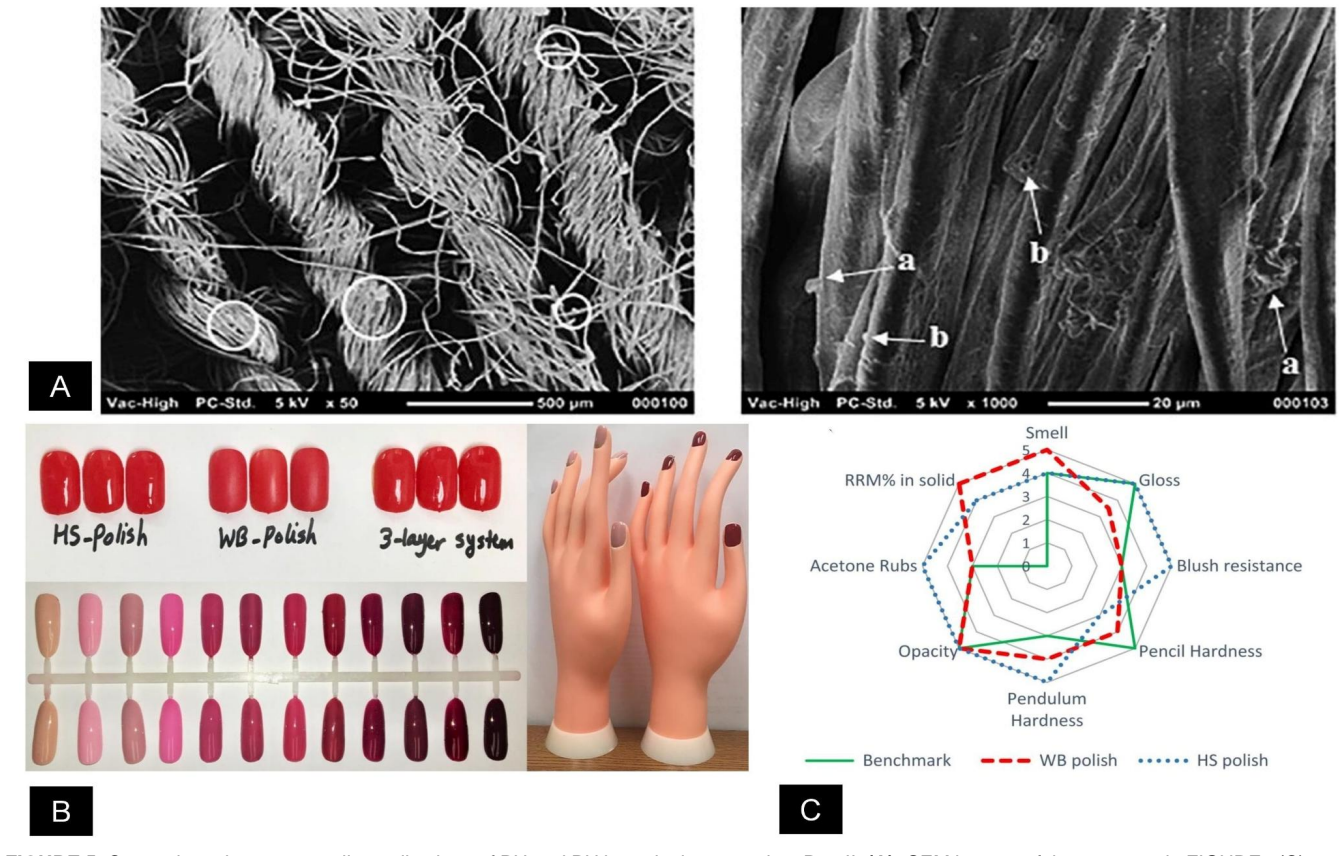
[3]
Meftahi, A., Samyn, P., Geravand, S.A., Khajavi, R., Alibkhshi, S., Bechelany, M., Barhoum, A. Nanocelluloses as skin biocompatible materials for skincare, cosmetics, and healthcare: Formulations, regulations, and emerging applications (2022) Carbohydrate Polymers, 278, art. no. 118956,. DOI: 10.1016/j.carbpol.2021.118956
-
[4]
Pan, S., Germann, N. Thermal and mechanical properties of industrial benchmark lipstick prototypes (2019) Thermochimica Acta, 679, art. no. 178332,. DOI: 10.1016/j.tca.2019.178332
-
[5]
Dini, I., Laneri, S. The new challenge of green cosmetics: Natural food ingredients for cosmetic formulations (2021) Molecules, 26 (13), art. no. 3921,. DOI: 10.3390/molecules26133921
-
[6]
Pan, S., Goudoulas, T.B., Jeevanandam, J., Tan, K.X., Chowdhury, S., Danquah, M.K. Therapeutic Applications of Metal and Metal -Oxide Nanoparticles: Dermato -Cosmetic Perspectives (2021b) Frontiers in Bioengineering and Biotechnology, 9, art. no. 724499,. DOI: 10.3389/fbioe.2021.724499
-
[7]
Cosmeceuticals: A Newly Expanding Industry in South Africa (2022) Cosmetics, 9 (4), art
Gebashe, F.C., Naidoo, D., Amoo, S.O., Masondo, N.A. Cosmeceuticals: A Newly Expanding Industry in South Africa (2022) Cosmetics, 9 (4), art. no. 77,. DOI: 10.3390/cosmetics9040077
-
[8]
Alves, T.F.R., Morsink, M., Batain, F., Chaud, M.V., Almeida, T., Fernandes, D.A., da Silva, C.F., Souto, E.B., Severino, P. Applications of natural, semi-synthetic, and synthetic polymers in cosmetic formulations (2020) Cosmetics, 7 (4), art. no. 0075,. D OI: 10.3390/COSMETICS7040075
-
[9]
Perinelli, D.R., Palmieri, G.F., Cespi, M., Bonacucina, G. Encapsulation of Flavours and Fragrances into Polymeric Capsules and Cyclodextrins Inclusion Complexes: An Update (2020) Molecules, 25 (24), art. no. 5878,. DOI: 10.3390/MOLECULES25245878
-
[10]
Application and research progress of phase change materials in biomedical field (2021) Biomaterials Science, 9 (17), pp
Ma, K., Zhang, X., Ji, J., Han, L., Ding, X., Xie, W. Application and research progress of phase change materials in biomedical field (2021) Biomaterials Science, 9 (17), pp. 5762-
2021
-
[11]
DOI: 10.1039/d1bm00719j
-
[12]
Xiao, Z., Liu, H., Zhao, Q., Niu, Y., Chen, Z., Zhao, D. Application of microencapsulation technology in silk fibers (2022) Journal of Applied Polymer Science, 139 (25), art. no. e52351,. DOI: 10.1002/app.52351 45
-
[13]
Skurkyte-Papieviene, V., Abraitiene, A., Sankauskaite, A., Rubeziene, V., Baltusnikaite - Guzaitiene, J. Enhancement of the thermal performance of the paraffin -based microcapsules intended for textile applications (2021) Polymers, 13 (7), art. no. 1120,. DOI: 10.3390/polym13071120
-
[14]
Petrulis, D., Petrulyte , S. Potential use of microcapsules in manufacture of fibrous products: A review (2019) Journal of Applied Polymer Science, 136 (7), art. no. 47066,. DOI: 10.1002/app.47066
-
[15]
Boh Podgornik, B., Šandric, S., Kert, M. Microencapsulation for functional textile coatings with emphasis on biodegradability—a systematic review (2021) Coatings, 11 (11), art. no. 1371,. DOI: 10.3390/coatings11111371
-
[16]
Introduction to Polyurethane Chemistry (2021) ACS Symposium Series, 1380, pp
De Souza F.M., Kahol P.K., Gupta R.K. Introduction to Polyurethane Chemistry (2021) ACS Symposium Series, 1380, pp. 1 – 24. DOI: 10.1021/bk-2021-1380.ch001
-
[17]
Ben Abdelkader, M., Azizi, N., Baffoun, A., Bordes, C., Chevalier, Y., Majdoub, M. Application of an experimental design methodology for the optimization of cosmetotextile impregnation process by β-cyclodextrin based microcapsules (2022) Journal of the Textile Institute,. DOI: 10.1080/00405000.2022.2031710
-
[18]
Mertgenç, C., Enginar, H., Yılmaz, H. Microencapsulation of Fragrance with Polyurethane—Urea and Application on Different Fabrics (2021) Iranian Journal of Science and Technology, Transaction A: Science, 45 (5), pp. 1677 -1687. DOI: 10.1007/s40995-021-01135-y
-
[19]
Jeevanandam, J., Pan, S., Danquah, M.K. Biomedical and Environmental Applications of Waterborne Polyurethane -Metal Oxide Nanocomposites (2021) Advances in Science, Technology and Innovation, pp. 179-192. DOI: 10.1007/978-3-030-72869-4_12
-
[20]
Zhang, F., Zhao, T., Ruiz-Molina, D., Liu, Y., Roscini, C., Leng, J., Smoukov, S.K. Shape Memory Polyurethane Microcapsules with Active Deformation (2020a) ACS Applied Materials and Interfaces, 12 (41), pp. 47059-47064. DOI: 10.1021/acsami.0c14882
-
[21]
-B., Zhang, H., Yue, C.Y., Yang, J
Chong, Y. -B., Zhang, H., Yue, C.Y., Yang, J. Fabrication and Release Behavior of Microcapsules with Double -Layered Shell Containing Clove Oil for Antibacterial Applications (2018) ACS Applied Materials and Interfaces, 10 (18), pp. 15532-15541. DOI: 10.1021/acsami.8b05467
-
[22]
New β -Cyclodextrin-Based Microcapsules for Textiles Uses (2019) Fibers and Polymers, 20 (4), pp
Azizi, N., Ben Abdelkader, M., Chevalier, Y., Majdoub, M. New β -Cyclodextrin-Based Microcapsules for Textiles Uses (2019) Fibers and Polymers, 20 (4), pp. 683 -689. DOI: 10.1007/s12221-019-7289-5
-
[23]
Sobczak, M., Kędra, K. Biomedical Polyurethanes for Anti-Cancer Drug Delivery Systems: A Brief, Comprehensive Review (2022) International Journal of Molecular Sciences, 23 (15), art. no. 8181,. DOI: 10.3390/ijms23158181
-
[24]
Parsaee, S., Mirabedini, S.M., Farnood, R., Alizadegan, F. Development of self -healing coatings based on urea-formaldehyde/polyurethane microcapsules containing epoxy resin (2020) Journal of Applied Polymer Science, 137 (41), art. no. 49663,. DOI: 10.1002/app.49663 46
-
[25]
Zhou, X., Zhang, X., Mengyuan, P., He, X., Zhang, C. Bio -based polyurethane aqueous dispersions (2021) Biopolymers and Composites: Processing and Characterization, pp. 155-188. DOI: 10.1515/9781501521942-005
-
[26]
Yin, Q., Guo, M., Li, W., Ren, H., Wang, J., Zhang, X. Fabrication and Performance of Polyurethane / Polyurea Microencapsulated Phase Change Materials with Isophorone Diisocyanate via Interfacial Polymerization (2019) Science of Advanced Materials, 11 (5), pp. 647-654(8). DOI: 10.1166/sam.2019.3407
-
[27]
Lu, S., Shen, T., Xing, J., Song, Q., Xin, C. Preparation, characterization, and thermal stability of double -composition shell microencapsulated phase change material by interfacial polymerization (2017) Colloid and Polymer Science, 295 (10), pp. 2061-2067. DOI: 10.1007/s00396-017-4189-3
-
[28]
Cao, V.D., Salas -Bringas, C., Schüller, R.B., Szczotok, A.M., Hiorth, M., Carmona, M., Rodriguez, J.F., Kjøniksen, A. -L. Rheological and thermal properties of suspensions of microcapsules containing phase change materials (2018) Colloid and Polymer Science , 296 (5), pp. 981-988. DOI: 10.1007/s00396-018-4316-9
-
[29]
Parcheta, P., Datta, J. Structure -rheology relationship of fully bio -based linear polyester polyols for polyurethanes - Synthesis and investigation (2018) Polymer Testing, 67, pp. 110-121. DOI: 10.1016/j.polymertesting.2018.02.022
-
[30]
Naveen, V., Raja, S., Deshpande, A.P. A two -step approach for synthesis, characterization and analysis of dicyclopentadiene –urea formaldehyde –siloxane-based double-walled microcapsules used in self-healing composites (2019) International Journal of Plastics Technology, 23 (2), pp. 157-169. DOI: 10.1007/s12588-019-09247-2
-
[31]
Tian, Y., Huang, X., Cheng, Y., Niu, Y., Meng, Q., Ma, J., Zhao, Y., Kou, X., Ke, Q. Preparation of self -adhesive microcapsules and their application in functional textiles (2022) Journal of Applied Polymer Science, 139 (29), art. no. e52650,. DOI: 10.1002/app.52650
-
[32]
Pan, S., Nguyen, D.A., Sunthar, P., Sridhar, T., Prakash, J.R. Uniaxial extensional viscosity of semidilute DNA solutions (2019b) Korea Australia Rheology Journal, 31 (4), pp. 255-266. DOI: 10.1007/s13367-019-0026-1
-
[33]
Tafuro, G., Costantini, A., Baratto, G., Francescato, S., Busata, L., Semenzato, A. Characterization of polysaccharidic associations for cosmetic use: Rheology and texture analysis (2021) Cosmetics, 8 (3), art. no. 62,. DOI: 10.3390/cosmetics8030062
-
[34]
Pan, S., Nguyen, D.A., Dünweg, B., Sunthar, P., Sridhar, T., Ravi Prakash, J. Shear thinning in dilute and semidilute solutions of polystyrene and DNA (2018) Journal of Rheology, 62 (4), pp. 845-867. DOI: 10.1122/1.5010203
-
[35]
Kokkinos D., Dakhil H., Wierschem A., Briesen H., Braun A. Deformation and rupture of Dunaliella salina at high shear rates without the use of thickeners (2016) Biorheology, 53 (1), pp. 1 – 11. DOI: 10.3233/BIR-15057
-
[36]
Dakhil H., Gilbert D.F., Malhotra D., Limmer A., Engelhardt H., Amtmann A., Hansmann J., Hübner H., Buchholz R., Friedrich O., Wierschem A. Measuring average rheological quantities of cell monolayers in the linear viscoelastic regime (2016) Rheologica Acta, 55 (7), pp. 527 – 536. DOI: 10.1007/s00397-016-0936-5 47
-
[37]
Dakhil H., Do H., Hübner H., Wierschem A. Measuring the adhesion limit of fibronectin for fibroblasts with a narrow -gap rotational rheometer (2018) Bioprocess and Biosystems Engineering, 41 (3), pp. 353 – 358. DOI: 10.1007/s00449-017-1868-x
-
[38]
Lee S., Bashir K.M.I., Jung D.H., Basu S.K., Seo G., Cho M.-G., Wierschem A. Measuring the linear viscoelastic regime of MCF-7 cells with a monolayer rheometer in the presence of microtubule-active anti-cancer drugs at high concentrations (2022) Interface Focus, 12 (6), art. no. 20220036. DOI: 10.1098/rsfs.2022.0036
-
[39]
Malhotra, D., Pan, S., Rüther, L., Schlippe , G., Voss, W., Germann, N. Polysaccharide - based skin scaffolds with enhanced mechanical compatibility with native human skin (2021) Journal of the Mechanical Behavior of Biomedical Materials, 122, art. no. 104607,. DOI: 10.1016/j.jmbbm.2021.104607
-
[40]
Malhotra, D., Pan, S., Rüther, L., Goudoulas, T.B., Schlippe, G., Voss, W., Germann, N. Linear viscoelastic and microstructural properties of native male human skin and in vitro 3D reconstructed skin models (2019) Journal of the Mechanical Behavior of Biom edical Materials, 90, pp. 644-654. DOI: 10.1016/j.jmbbm.2018.11.013
-
[41]
Pan, S., Malhotra, D., Germann, N. Nonlinear viscoelastic properties of native male human skin and in vitro 3D reconstructed skin models under LAOS stress (2019a) Journal of the Mechanical Behavior of Biomedical Materials, 96, pp. 310 -323. DOI: 10.1016/j.jmbbm.2019.04.032
-
[42]
Pan, S., Germann, N. Mechanical response of industrial benchmark lipsticks under large- scale deformations (2020) Acta Mechanica, 231 (7), pp. 3031 -3042. DOI: 10.1007/s00707-020-02691-x
-
[43]
Venkataraman, M., Mishra, R., Militky, J., Xiong, X., Marek, J., Yao, J., Zhu, G. Electrospun nanofibrous membranes embedded with aerogel for advanced thermal and transport properties (2018) Polymers for Advanced Technologies, 29 (10), pp. 2583-2592. DOI: 10.1002/pat.4369
-
[44]
Hu, L., Li, X., Ding, L., Chen, L., Zhu, X., Mao, Z., Feng, X., Sui, X., Wang, B. Flexible textiles with polypyrrole deposited phase change microcapsules for efficient photothermal energy conversion and storage (2021) Solar Energy Materials and Solar Cells , 224, art. no. 110985,. DOI: 10.1016/j.solmat.2021.110985
-
[45]
De Castro, P.F., Minko, S., Vinokurov, V., Cherednichenko, K., Shchukin, D.G. Long-Term Autonomic Thermoregulating Fabrics Based on Microencapsulated Phase Change Materials (2021) ACS Applied Energy Materials, 4 (11), pp. 12789 -12797. DOI: 10.1021/acsaem.1c02170
-
[46]
Qureshi S.A., Dorugade V.A., Bihonegn S., Agazie T., Marie A., Shiferaw S., Fentaw L., Mohammed A. Cosmetic textiles: important active ingredients, products and their applications (2025) Research Journal of Textile and Apparel. DOI: 10.1108/RJTA -08- 2024-0140
-
[47]
Bezerra F.M., Zurita M.E.P.P., Volante E.K.T.S., Moisés M.P., Lis M.J. Microcapsules and Biofunctionality: Enhancing Textile and Dermocosmetic Properties Through Microencapsulation (2025) Journal of Applied Polymer Science. DOI: 10.1002/app.57036 48
-
[48]
Tariq H., Rehman A., Raza Z.A., Kishwar F., Abid S. Recent progress in the microencapsulation of essential oils for sustainable functional textiles (2024) Polymer Bulletin, 81 (9), pp. 7585 – 7629. DOI: 10.1007/s00289-023-05092-x
-
[49]
Cosmeto -textiles (2023) Textile Progress, 55 (3), pp
Singh M.K., Singh A., Morris H.V. Cosmeto -textiles (2023) Textile Progress, 55 (3), pp. 109 – 163. DOI: 10.1080/00405167.2023.2258675
-
[50]
Julaeha E., Nurzaman M., Wahyudi T., Nurjanah S., Permadi N., Anshori J.A. The Development of the Antibacterial Microcapsules of Citrus Essential Oil for the Cosmetotextile Application: A Review (2022) Molecules, 27 (22), art. no. 8090. DOI: 10.3390/molecules27228090
-
[51]
Ben Abdelkader, M., Azizi, N., Baffoun, A., Chevalier, Y., Majdoub, M. New microcapsules based on isosorbide for cosmetotextile: Preparation and characterization (2018) Industrial Crops and Products, 123, pp. 591-599. DOI: 10.1016/j.indcrop.2018.07.020
-
[52]
Kou, S., Chang, S., Huang, Z., Min, X., Zhang, X., Fang, M., Hao, L. Flexible Phase Change Composite Fibers for Wearable Applications—A Review (2025) Journal of Applied Polymer Science. DOI: 10.1002/app.57962
-
[53]
Peng, X., Umer, M., Pervez, M.N., Hasan, K.M.F., Habib, M.A., Islam, M.S., Lin, L., Xiong, X., Naddeo, V., Cai, Y. Biopolymers-based microencapsulation technology for sustainable textiles development: A short review (2023) Case Studies in Chemical and Environmental Engineering, 7, art. no. 100349. DOI: 10.1016/j.cscee.2023.100349
-
[54]
Ghonia J.R., Savani N.G., Prajapati V., Dholakiya B.Z. A review on polyurethane based multifunctional materials synthesis for advancement in textile coating applications (2024) Journal of Polymer Research, 31 (3), art. no. 95. DOI: 10.1007/s10965-024-03941-5
-
[55]
Yılmaz, B., Karavana, H.A. Application of chitosan-encapsulated orange oil onto footwear in sock leathers spray drying technique for an environmentally sustainable antibacterial formulation (2020) Johnson Matthey Technology Review, 64 (4), pp. 443 – 451. DOI: 10.1595/205651320X15901340190139
-
[56]
Silva, M., Martins, I.M., Barreiro, M.F., Dias, M.M., Egídio Rodrigues, A.E. Functionalized textiles with PUU/limonene microcapsules: effect of finishing methods on fragrance release (2017) Journal of the Textile Institute, 108 (3), pp. 361 – 367. DOI: 10.1080/00405000.2016.1166823
-
[57]
Zhang, Y., Zhang, W., Wang, X., Dong, Q., Zeng, X., Quirino, R.L., Lu, Q., Wang, Q., Zhang, C. Waterborne polyurethanes from castor oil-based polyols for next generation of environmentally-friendly hair-styling agents (2020b) Progress in Organic Coatings, 142, art. no. 105588,. DOI: 10.1016/j.porgcoat.2020.105588
-
[58]
Zareanshahraki, F., Mannari, V. “Green” UV -LED gel nail polishes from bio -based materials (2018) International Journal of Cosmetic Science, 40 (6), pp. 555 -564. DOI: 10.1111/ics.12497
-
[59]
Hedayati S., Tarahi M., Iraji A., Hashempur M.H. Recent developments in the encapsulation of lavender essential oil (2024) Advances in Colloid and Interface Science, 331, art. no. 103229. DOI: 10.1016/j.cis.2024.103229 49
-
[60]
Lobel B.T., Baiocco D., Al -Sharabi M., Routh A.F., Zhang Z., Cayre O.J. Current Challenges in Microcapsule Designs and Microencapsulation Processes: A Review (2024) ACS Applied Materials and Interfaces, 16 (31), pp. 40326 – 40355. DOI: 10.1021/acsami.4c02462
-
[61]
Giustra M., Sinesi G., Spena F., De Santes B., Morelli L., Barbieri L., Garbujo S., Galli P., Prosperi D., Colombo M. Microplastics in Cosmetics: Open Questions and Sustainable Opportunities (2024) ChemSusChem, 17 (22), art. no. e202401065. DOI: 10.1002/cssc.202401065
-
[62]
Elkalla E., Khizar S., Tarhini M., Lebaz N., Zine N., Jaffrezic -Renault N., Errachid A., Elaissari A. Core -shell micro/nanocapsules: from encapsulation to applications (2023) Journal of Microencapsulation, 40 (3), pp. 125 – 156. DOI: 10.1080/02652048.2023.2178538
-
[63]
Kłosowska A., Wawrzyńczak A., Feliczak -Guzik A. Microencapsulation as a Route for Obtaining Encapsulated Flavors and Fragrances (2023) Cosmetics, 10 (1), art. no. 26. DOI: 10.3390/cosmetics10010026
-
[64]
Li J., Parakhonskiy B.V., Skirtach A.G. A decade of developing applications exploiting the properties of polyelectrolyte multilayer capsules (2023) Chemical Communications, 59 (7), pp. 807 – 835. DOI: 10.1039/d2cc04806j
-
[65]
Russell S., Bruns N. Encapsulation of Fragrances in Micro - and Nano -Capsules, Polymeric Micelles, and Polymersomes (2023) Macromolecular Rapid Communications, 44 (16), art. no. 2300120. DOI: 10.1002/marc.202300120
-
[66]
Parente J.F., Sousa V.I., Marques J.F., Forte M.A., Tavares C.J. Biodegradable Polymers for Microencapsulation Systems (2022) Advances in Polymer Technology, 2022, art. no. 4640379. DOI: 10.1155/2022/4640379
-
[67]
Anıl, D., Berksun, E., Durmuş -Sayar, A., Sevinis, E. B., Ünal, S. Recent advances in waterborne polyurethanes and their nanoparticle -containing dispersions (2020). Handbook of waterborne coatings , 249 -302. DOI: 10.1016/B978 -0-12-814201- 1.00011-1
-
[68]
Qiu J., Zhao H., Luan S., Wang L., Shi H. Recent advances in functional polyurethane elastomers: from structural design to biomedical applications (2025) Biomaterials Science. DOI: 10.1039/d5bm00122f
-
[69]
Zainab, I., Naseem, Z., Batool, S.R., Waqas, M., Nazir, A., Nazeer, M.A. Polyurethane/silk fibroin-based electrospun membranes for wound healing and skin substitute applications (2025) Beilstein Journal of Nanotechnology, 16, pp. 591–612. DOI:10.3762/bjnano.16.46
-
[70]
Biomimetic Polyurethanes in Tissue Engineering (2025) Biomimetics, 10 (3), art
Hebda E., Pielichowski K. Biomimetic Polyurethanes in Tissue Engineering (2025) Biomimetics, 10 (3), art. no. 184. DOI: 10.3390/biomimetics10030184
-
[71]
Shanno K., Mangala P., Shanmugarajan T.S., Bhyan B., Shinde M.G., Rane B.Y., Ali S.S., Kumar M., Kumar P. 3D -Printed Polyurethane Scaffolds for Bone Tissue Engineering: Techniques and Emerging Applications (2025) Regenerative Engineering and Translational Medicine. DOI: 10.1007/s40883-024-00381-x 50
-
[72]
Joseph T.M., Thomas M.G., Mahapatra D.K., Unni A.B., Kianfar E., Haponiuk J.T., Thomas S. Adaptive and intelligent polyurethane shape-memory polymers enabling next- generation biomedical platforms (2025) Case Studies in Chemical and Environmental Engineering, 11, art. no. 101165. DOI: 10.1016/j.cscee.2025.101165
-
[73]
Azarmgin S., Torabinejad B., Kalantarzadeh R., Garcia H., Velazquez C.A., Lopez G., Vazquez M., Rosales G., Heidari B.S., Davachi S.M. Polyurethanes and Their Biomedical Applications (2024) ACS Biomaterials Science and Engineering, 10 (11), pp. 6828 – 6859. DOI: 10.1021/acsbiomaterials.4c01352
-
[74]
Zhang J., Lv S., Zhao X., Ma S., Zhou F. Functional Zwitterionic Polyurethanes: State-of- the-Art Review (2024) Macromolecular Rapid Communications, 45 (5), art. no. 2300606. DOI: 10.1002/marc.202300606
-
[75]
Biobased polyurethanes for biomedical applications (2021) Bioactive Materials, 6 (4), pp
Wendels, S., Avérous, L. Biobased polyurethanes for biomedical applications (2021) Bioactive Materials, 6 (4), pp. 1083-1106. DOI: 10.1016/j.bioactmat.2020.10.002
-
[76]
Sikdar, P., Dip, T.M., Dhar, A.K., Bhattacharjee, M., Hoque, M.S., Ali, S.B. Polyurethane (PU) based multifunctional materials: Emerging paradigm for functional textiles, smart, and biomedical applications (2022) Journal of Applied Polymer Science, e52832. DOI: 10.1002/app.52832
-
[77]
Feldman, D. Polyurethane and polyurethane nanocomposites: Recent contributions to medicine (2021) Biointerface Research in Applied Chemistry, 11 (1), pp. 8179-8189. DOI: 10.33263/BRIAC111.81798189
-
[78]
Gupta, A., Maharjan, A., Kim, B.S. Shape memory polyurethane and its composites for various applications (2019) Applied Sciences (Switzerland), 9 (21), art. no. 4694,. DOI: 10.3390/app9214694
-
[79]
Balavigneswaran, C.K., Muthuvijayan, V. Nanohybrid -Reinforced Gelatin - Ureidopyrimidinone-Based Self -healing Injectable Hydrogels for Tissue Engineering Applications (2021) ACS Applied Bio Materials, 4 (6), pp. 5362 -5377. DOI: 10.1021/acsabm.1c00458
-
[80]
Mohamady Hussein, M.A., Gunduz, O., Sahin, A., Grinholc, M., El -Sherbiny, I.M., Megahed, M. Dual Spinneret Electrospun Polyurethane/PVA -Gelatin Nanofibrous Scaffolds Containing Cinnamon Essential Oil and Nanoceria for Chronic Diabetic Wound Healing: Preparation, Physicochemical Characterization and In -Vitro Evaluation (2022) Molecules, 27 (7), art. no....
discussion (0)
Sign in with ORCID, Apple, or X to comment. Anyone can read and Pith papers without signing in.