Motile colloids and microbes generate internal flows that replace passive capillary transport in drying droplets.
abstractclick to expand
Evaporating colloidal droplets have long been used as model systems to understand capillarity, interfacial transport, and particle assembly, most prominently through the coffee ring effect. In classical descriptions, suspended particles are treated as passive tracers carried by evaporation-driven capillary flow, with additional influence from Marangoni stresses, wettability, and contact line pinning. More recent studies, however, show that this picture changes significantly when the particles themselves are active. Systems containing motile microorganisms, chemically active colloids, or externally driven particles can continuously inject energy or generate gradients within the droplet, leading to self-driven flows, modified interfacial stresses, and dynamic contact line behavior. In this Perspective, we bring together these developments, identify the key mechanisms governing active droplets, highlight the role of bubble-mediated flows, and outline strategies for controlled deposition and functional interface design.
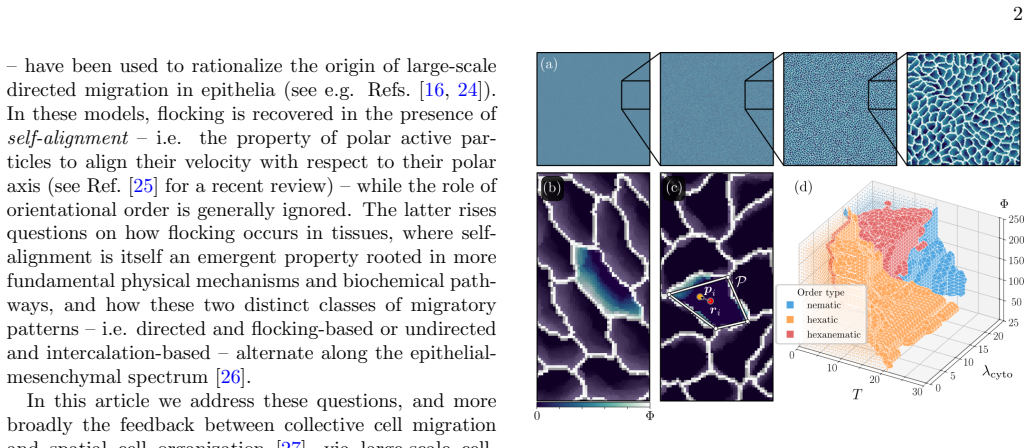
In epithelia, how do collective cell migration and tissue spatial organization feedback on each other? We address this question through large-scale numerical simulations of the cellular Potts model. By accounting for both cell morphology and cytoskeletal activity, we uncover a remarkably rich phase diagram featuring multiple types of orientational order, either as distinct phases or coexisting across length scales. We identify a specific pathway in parameter space along which a gradual increase in the actin polymerization rate drives a phase transition into a long-range flocking state. Simultaneously, quasi-long-range nematic order emerges at length scales much larger than the cell size due to the combined effects of directed motion and lateral cell-cell interactions. At length scales comparible to cell size, however, cells adopt an approximatively hexagonal morphology, resulting in hexanematic order, similar to that observed in reconstituted Madin-Darby Canine Kidney (MDCK) cell monolayers. With further increases in actin polymerization, nematic order becomes fully long-range, while hexatic order remains quasi-long-range and confined to short length scales, but independent of cytoskeletal activity. When noise is sufficiently low to allow crystallization at finite actin polymerization rate, cycling the cell-monolayer across the melting transition yields an example of phenotypical hysteresis, reminiscent of that observed across the epithelial-mesenchymal transition.
Pattern formation in soft, active, and biological matter is described by two ostensibly distinct continuum frameworks: phase-field theories driven by chemical-potential gradients, and mass-conserving reaction-diffusion (McRD) dynamics governed by local interconversion kinetics. Here we establish a constructive, equation-level duality valid in the nonlinear, far-from-equilibrium regime. McRD is the broader class: every chemical-potential theory with conserved order parameters embeds as the slow dynamics on an attracting manifold of an McRD system; conversely, every McRD with attractive nullcline admits an exact chemical-potential representation in the fast-interconversion limit, with the constitutive relation set by the nullcline. The construction resolves the generic non-invertibility of the chemical-potential as a function of density in phase-separating regimes by embedding it as an attracting manifold in an extended two-field description with conserved total density. Gradient stiffness maps faithfully onto an intrinsic reaction-diffusion length set by the auxiliary field, yielding a diagonal-diffusion normal form whose interface profile matches the original Cahn-Hilliard model by construction. The duality yields an explicit dictionary for phase coexistence: the Maxwell equal-area construction is exactly equivalent to the reactive turnover-balance condition. It extends to weakly nonconservative dynamics, unifying reaction-arrested coarsening and mesa splitting, and to multicomponent theories with broken Maxwell symmetry. As a concrete payoff, the dual sharp-interface picture yields a closed-form velocity law for traveling waves in nonreciprocal Cahn-Hilliard dynamics, in quantitative agreement with simulations.
The thermoresponsive behavior of Pluronic F127 solutions is governed by temperature-dependent micellization and complex self-assembly of these micelles. This study investigates the effect of thermal stimuli on the kinetics of phase transition of Pluronic systems during heating and cooling cycles. We employ Differential Scanning Calorimetry measurements to investigate the dependence of the micellization temperature on thermal stimuli, revealing that both the micellization temperature and the peak intensity vary systematically with the applied thermal ramp rate. Furthermore, we employ rheological characterization which reveals a sharp sol to soft-solid transition upon heating. Interestingly, we observe a novel multi-step transition during the cooling phase, indicating a more complex reorganization pathway with intermediate metastable states than typically assumed for reversible micellization. Our findings indicate that the characteristic multi-step cooling transition is transient, gradually weakening with successive thermal cycles. We also present a comprehensive mathematical model which accurately captures the kinetics and multiple step transition in viscoelastic parameters. Significantly, the distinct peaks in Small-Angle X-ray Scattering (SAXS) measurements clearly reveal the evolution from a disordered unimers/micelles state at low temperatures to a highly ordered lattice with long-range spatial correlation at elevated temperatures. We also present a comprehensive phase diagram highlighting the critical role of thermal stimuli and pathways in defining the phase behavior of Pluronic system. This work, therefore, offers essential experimental and theoretical insights into the thermally driven self-assembly, transition kinetics, and microstructural evolution of thermoreversible Pluronic solution.
In living cells, proteins involved in specialized biochemical functions are often spatially organized within biomolecular condensates. Increasing evidence suggests that some of these condensates, including DNA repair condensates, emerge through liquid-liquid phase separation (LLPS). In the nucleus, however, condensates form within a highly heterogeneous environment composed of chromatin fibers, RNA, and additional protein scaffolds such as PAR chains, all of which may interact with phase-separating proteins. Moreover, condensate formation is frequently associated with specific chromatin conformations; for instance, loop extrusion has been proposed as a mechanism promoting DNA repair condensates. Here, we investigate how the surrounding fibrous environment controls the morphology and spatial organization of phase-separated condensates. Using Brownian dynamics simulations of minimal models combining Lennard-Jones particles with fixed fibrous substrates, we examine the respective roles of local fiber geometry and large-scale network organization, reflecting the multiscale architecture of chromatin. We show that protein-fiber interactions strongly influence droplet positioning relative to the substrate, in a manner analogous to wetting transitions in soft condensed matter systems. Both local geometric constraints and global network organization markedly affect droplet size, morphology, and multiplicity. In addition, large-scale asymmetries in fiber organization can induce robust spatial localization of the dense phase. Our results thus highlight how multiscale structural heterogeneity of the nuclear environment can regulate the emergence and organization of biomolecular condensates.
Simulations find the ordered rods stay after the field is removed and have lower free energy than the starting state.
abstractclick to expand
Coarse-grained molecular-dynamics simulations were used to study the morphological changes induced in a Nafion$^{\tiny
\textregistered}$-like ionomer by the imposition of a strong electric field. We observe the formation of novel structures aligned along the direction of the applied field. The polar head groups of the ionomer side chains aggregate into clusters, which then form rod-like formations which assemble into a hexatic array aligned with the direction of the field. Occasionally these lines of sulfonates and protons form a helical structure. Upon removal of the electric field, the hexatic array of rod-like structures persists, and has a lower calculated free energy than the original isotropic morphology.
Hard-sphere solvent pulls divalent counterions to particle surfaces and produces net attraction where the primitive model predicts only repu
abstractclick to expand
We study the effect of solvent granularity on the effective force between two charged colloidal particles by computer simulations of the primitive model of strongly asymmetric electrolytes with an explicitly added hard sphere solvent. Apart from molecular oscillating forces for nearly touching colloids which arise from solvent and counterion layering, the counterions are attracted towards the colloidal surfaces by solvent depletion providing a simple statistical description of hydration. This, in turn, has an important influence on the effective forces for larger distances which are considerably reduced as compared to the prediction based on the primitive model. When these forces are repulsive, the long-distance behaviour can be described by an effective Yukawa pair potential with a solvent-renormalized charge. As a function of colloidal volume fraction and added salt concentration, this solvent-renormalized charge behaves qualitatively similar to that obtained via the Poisson-Boltzmann cell model but there are quantitative differences. For divalent counterions and nano-sized colloids, on the other hand, the hydration may lead to overscreened colloids with mutual attraction while the primitive model yields repulsive forces. All these new effects can be accounted for through a solvent-averaged primitive model (SPM) which is obtained from the full model by integrating out the solvent degrees of freedom. The SPM was used to access larger colloidal particles without simulating the solvent explicitly.
Ion correlations produce a non-monotonic second virial coefficient missed by Poisson-Boltzmann theory and seen in experiments.
abstractclick to expand
The effective Coulomb interaction between globular proteins is calculated as a function of monovalent salt concentration $c_s$, by explicit Molecular Dynamics simulations of pairs of model proteins in the presence of microscopic co and counterions. For discrete charge patterns of monovalent sites on the surface, the resulting osmotic virial coefficient $B_2$ is found to be a strikingly non-monotonic function of $c_s$. The non-monotonicity follows from a subtle Coulomb correlation effect which is completely missed by conventional non-linear Poisson-Boltzmann theory and explains various experimental findings.
Simulations show that local field reversal by strong neighbors drives attraction and new equilibrium structures in nanocomposite films.
abstractclick to expand
A nanocomposite film containing highly polarizable inclusions in a fluid background is explored when an external electric field is applied perpendicular to the planar film. For small electric fields, the induced dipole moments of the inclusions are all polarized in field direction, resulting in a mutual repulsion between the inclusions. Here we show that this becomes qualitatively different for high fields: the total system self-organizes into a state which contains both polarizations, parallel and antiparallel to the external field such that a fraction of the inclusions is counter-polarized to the electric field direction. We attribute this unexpected counter-polarization to the presence of neighboring dipoles which are highly polarized and locally revert the direction of the total electric field. Since dipoles with opposite moments are attractive, the system shows a wealth of novel equilibrium structures for varied inclusion density and electric field strength. These include fluids and solids with homogeneous polarizations as well as equilibrium clusters and demixed states with two different polarization signatures. Based on computer simulations of a linearized polarization model, our results can guide the control of nanocomposites for various applications, including sensing external fields, directing light within plasmonic materials, and controlling the functionality of biological membranes.
Primitive-model simulations show DLVO theory fails when Coulomb coupling rises, producing fluid-fluid demixing absent from linear screening.
abstractclick to expand
Structural correlations between colloids in a binary mixture of charged and uncharged spheres are calculated using computer simulations of the primitive model with explicit microions. For aqueous suspensions in a solvent of large dielectric constant, the traditional Derjaguin-Landau-Vervey-Overbeek (DLVO) theory of linear screening, supplemented with hard core interactions, reproduces the structural correlations obtained in the full primitive model quantitatively. However for lower dielectric contrast, the increasing Coulomb coupling between the micro- and macroions results in strong deviations. We find a fluid-fluid phase separation into two regions either rich in charged or rich in uncharged particles which is not reproduced by DLVO theory. Our results are verifiable in scattering or real-space experiments on charged-uncharged mixtures of colloids or nanoparticles.
New solver computes pair correlations for micrometer colloids in electrolyte, far beyond prior limits.
abstractclick to expand
The pair-correlation functions for fluid ionic mixtures in arbitrary spatial dimensions are computed in hypernetted chain (HNC) approximation. In the primitive model, all ions are approximated as non-overlapping hyperspheres with Coulomb interactions. Our spectral HNC solver is based on a Fourier-Bessel transform introduced by Talman [J. Comput. Phys., 29, 35 (1978)], with logarithmically spaced computational grids. Numeric efficiency for arbitrary spatial dimensions is a commonly exploited virtue of this transform method. Here, we highlight another advantage of logarithmic grids, consisting in efficient sampling of pair-correlation functions for highly asymmetric ionic mixtures. For three-dimensional fluids, ion size- and charge-ratios larger than one thousand can be treated, corresponding to hitherto computationally not accessed micrometer-sized colloidal spheres in 1-1 electrolyte. Effective colloidal charge numbers are extracted from our primitive model results. For moderately large ion size- and charge-asymmetries, we present Molecular Dynamics simulation results that agree well with the approximate HNC pair correlations.
Simulations find the interface width peaks sharply at intermediate sedimentation strengths and exceeds equilibrium values by a large factor.
abstractclick to expand
For sedimenting colloidal hard spheres, the propagation and broadening of the crystal-fluid interface is studied by Brownian dynamics computer simulations of an initially homogeneous sample. Two different types of interface broadenings are observed: the first occurs during growth and is correlated with the interface velocity, the second is concomitant with the splitting of the crystal-fluid interface into the crystal-amorphous and amorphous-liquid interfaces. The latter width is strongly peaked as a function of the gravitational driving strength with a huge amplitude relative to its equilibrium counterpart.
Explicit-microion simulations reveal that unlike-particle Yukawa amplitudes deviate from geometric means and improve pair-correlation match.
abstractclick to expand
Based on primitive model computer simulations with explicit microions, we calculate the effective interactions in a binary mixture of charged colloids with species $A$ and $B$ for different size and charge ratios. An optimal pairwise interaction is obtained by fitting the many-body effective forces. This interaction is close to a Yukawa (or Derjaguin-Landau-Verwey-Overbeek(DLVO)) pair potential but the $AB$ cross-interaction is different from the geometric mean of the two direct $AA$ and $BB$ interactions. As a function of charge asymmetry, the corresponding nonadditivity parameter is first positive, then getting significantly negative and is getting then positive again. We finally show that an inclusion of nonadditivity within an optimal effective Yukawa model gives better predictions for the fluid pair structure than DLVO-theory.
Simulations show that like-charged plates pull colloids into surface layers at short range, explaining observed wall crystals.
abstractclick to expand
The effective interaction between charged colloidal particles confined between two planar like-charged walls is investigated using computer simulations of the primitive model describing asymmetric electrolytes. In detail, we calculate the effective force acting onto a single macroion and onto a macroion pair in the presence of slit-like confinement. For moderate Coulomb coupling, we find that this force is repulsive. Under strong coupling conditions, however, the sign of the force depends on the distance to the plates and on the interparticle distance. In particular, the particle-plate interaction becomes strongly attractive for small distances which may explain the occurrence of colloidal crystalline layers near the plates observed in recent experiments.
Simulations show aligned backbone aggregates create a directional water network that favors proton flow parallel to elongation.
abstractclick to expand
We have used coarse-grained simulation methods to investigate the effect of stretching-induced structure orientation on the proton conductivity of Nafion-like polyelectrolyte membranes. Recent experimental data on the morphology of ionomers describe Nafion as an aggregation of polymeric backbone chains forming elongated objects embedded in a continuous ionic medium. Uniaxial stretching of a recast Nafion film causes a preferential orientation of these objects in the direction of stretching. Our simulations of humid Nafion show that this has a strong effect on the proton conductivity, which is enhanced along the stretching direction, while the conductivity perpendicular to the stretched polymer backbone is reduced. Stretching also causes the perfluorinated side chains to orient perpendicular to the stretching axis.
This in turn affects the distribution of water at low water contents. The water forms a continuous network with narrow bridges between small water clusters absorbed in head-group multiplets.
Colloidal experiments show crystallites break contact with mismatched seeds at a critical size and keep growing only away from the seed.
abstractclick to expand
Crystallization represents the prime example of a disorder order transition. In realistic situations, however, container walls and impurities are frequently present and hence crystallization is heterogeneously seeded. Rarely the seeds are perfectly compatible with the thermodynamically favoured crystal structure and thus induce elastic distortions, which impede further crystal growth. Here we use a colloidal model system, which not only allows us to quantitatively control the induced distortions but also to visualize and follow heterogeneous crystallization with single-particle resolution. We determine the sequence of intermediate structures by confocal microscopy and computer simulations, and develop a theoretical model that describes our findings. The crystallite first grows on the seed but then, on reaching a critical size, detaches from the seed. The detached and relaxed crystallite continues to grow, except close to the seed, which now prevents crystallization. Hence, crystallization seeds facilitate crystallization only during initial growth and then act as impurities.
Imposed polar defects in confined rod mixtures produce length-dependent patterns absent on flat surfaces.
abstractclick to expand
We explore length segregation in binary mixtures of spherocylinders of lengths $L_1$ and $L_2$ with the same diameter $D$ which are tangentially confined on a spherical surface of radius $R$. The orientation of spherocylinders is constrained along an externally imposed direction field on the sphere which is either along the longitude or the latitude lines of the sphere. In both situations, integer orientational defects at the poles are imposed. We show that these topological defects induce a complex segregation picture also depending on the length ratio factor $\gamma$=$L_2/L_1$ and the total packing fraction $\eta$ of the spherocylinders. When the binary mixture is aligned along longitudinal lines of the sphere, shorter rods tend to accumulate at the topological defects of the polar caps whereas longer rods occupy central equatorial area of the spherical surface. In the reverse case of latitude ordering, a state can emerge where longer rods are predominantly both in the cap and in the equatorial areas and shorter rods are localized in between. As a reference situation, we consider a defect-free situation in the flat plane and do not find any length segregation there at similar $\gamma$ and $\eta$, hence the segregation is purely induced by the imposed topological defects. It is also revealed that the shorter rods at $\gamma$=4 and $\eta \ge$0.5 act as obstacles to the rotational relaxation of the longer rods when all orientational constraints are released.
Simulations show linear rise in diffusion with chain length until chains extend far enough to split charge radially across the pore.
abstractclick to expand
We present coarse-grained simulation results for enhanced ion diffusion in a charged nanopore grafted with ionomer sidechains. The pore surface is hydrophobic and its diameter is varied from 2.0 nm to 3.7 nm. The sidechains have from 2 to 16 monomers (united atom units) and contain sulfonate terminal groups.
Our simulation results indicate a strong dependence of the ion diffusion along the pore axis on the pore parameters. In the case of short sidechains and large pores the ions mostly occupy the pore wall area, where their distribution is strongly disturbed by their host sulfonates. In the case of short sidechains and narrow pores, the mobility of ions is strongly affected by the structuring and polarization effects of the water molecules. In the case of long sidechains, and when the sidechain sulfonates reach the pore center, a radial charge separation occurs in the pore. Such charge separation suppresses the ion diffusion along the pore axis.
An enhanced ion diffusion was found in the pores grafted with medium-size sidechains provided that the ions do not enter the central pore area, and the water is less structured around the ions and sulfonates. In this case, the 3D density of the ions has a hollow-cylinder type shape with a smooth and uninterrupted surface. We found that the maximal ion diffusion has a linear dependence on the number of sidechain monomers. It is suggested that the maximal ion diffusion along the pore axis is attained if the effective length of the sidechain extension into the pore center (measured as twice the gyration radius of the sidechain with the Flory exponent 1/4) is about 1/3 of the pore radius.
Stacking two different magnetic layers produces larger strain or contraction where single layers only expand.
abstractclick to expand
Magnetic elastomers are appealing materials from an application point of view: they combine the mechanical softness and deformability of polymeric substances with the addressability by external magnetic fields. In this way, mechanical deformations can be reversibly induced and elastic moduli can be reversibly adjusted from outside. So far, mainly the behavior of single-component magnetic elastomers and ferrogels has been studied. Here, we go one step further and analyze the magnetoelastic response of a bilayered material composed of two different magnetic elastomers. It turns out that, under appropriate conditions, the bilayered magnetic elastomer can show a strongly amplified deformational response in comparison to a single-component material. Furthermore, a qualitatively opposite response can be obtained, i.e.\ a contraction along the magnetic field direction (as opposed to an elongation in the single-component case). We hope that our results will further stimulate experimental and theoretical investigations directly on bilayered magnetic elastomers, or, in a further hierarchical step, on bilayered units embedded in yet another polymeric matrix.
Simulations of asymmetric charged mixtures show that standard repulsions alone underpredict the weakening of big-small contacts.
abstractclick to expand
We explore structural correlations of strongly asymmetric mixtures of binary charged colloids within the primitive model of electrolytes considering large charge and size ratios of 10 and higher. Using computer simulations with explicit microions, we obtain the partial pair correlation functions between the like-charged colloidal macroions. Interestingly the big-small correlation peak amplitude is smaller than that of the big-big and small-small macroion correlation peaks, which is unfamiliar for additive repulsive interactions. Extracting optimal effective microion-averaged pair interactions between the macroions, we find that on top of non-additive Yukawa-like repulsions an additional shifted Gaussian attractive potential between the small macroions is needed to accurately reproduce their correct pair correlations. For small Coulomb couplings, the behavior is reproduced in a coarse-grained theory with microion-averaged effective interactions between the macroions. However, the accuracy of the theory deteriorates with increasing Coulomb coupling. We emphasize the relevance of entropic interactions exerted by the microions on the macroions. Our results are experimentally verifiable in binary mixtures of micron-sized colloids and like-charge nanoparticles
Simulations show a maximum at intermediate ionic strength that appears only when surface charges are kept discrete.
abstractclick to expand
The osmotic virial coefficient $B_2$ of globular protein solutions is calculated as a function of added salt concentration at fixed pH by computer simulations of the ``primitive model''. The salt and counter-ions as well as a discrete charge pattern on the protein surface are explicitly incorporated. For parameters roughly corresponding to lysozyme, we find that $B_2$ first decreases with added salt concentration up to a threshold concentration, then increases to a maximum, and then decreases again upon further raising the ionic strength. Our studies demonstrate that the existence of a discrete charge pattern on the protein surface profoundly influences the effective interactions and that non-linear Poisson Boltzmann and Derjaguin-Landau-Verwey-Overbeek (DLVO) theory fail for large ionic strength. The observed non-monotonicity of $B_2$ is compared to experiments. Implications for protein crystallization are discussed.
Simulations show compact spheres or elongated networks emerge according to the strength of acidic-end dipoles relative to other charges.
abstractclick to expand
This simulation study investigates the dependence of the structure of dry Nafion$^{\tiny\textregistered}$-like ionomers on the electrostatic interactions between the components of the molecules. In order to speed equilibration, a procedure was adopted which involved detaching the side chains from the backbone and cutting the backbone into segments, and then reassembling the macromolecule by means of a strong imposed attractive force between the cut ends of the backbone, and between the non-ionic ends of the side chains and the midpoints of the backbone segments. Parameters varied in this study include the dielectric constant, the free volume, side-chain length, and strength of head-group interactions. A series of coarse-grained mesoscale simulations shows the morphlogy to depend sensitively on the ratio of the strength of the dipole-dipole interactions between the side-chain acidic end groups to the strength of the other electrostatic components of the Hamiltonian. Examples of the two differing morphologies proposed by Gierke and by Gebel emerge from our simulations.
Effective potentials from explicit-ion simulations map a condensation window, redissolution, and a stable mesocrystal whose spacing matches
abstractclick to expand
The distance-resolved effective interaction potential between two parallel DNA molecules is calculated by computer simulations with explicit tetravalent counterions and monovalent salt. Adding counterions first yields an attractive minimum in the potential at short distances which then disappears in favor of a shallower minimum at larger separations. The resulting phase diagram includes a DNA-condensation and redissolution transition and a stable mesocrystal with an intermediate lattice constant for high counterion concentration.
Simulations show the force between parallel strands strengthens with ion valence and reverses at high monovalent salt.
abstractclick to expand
The effective force between two parallel DNA molecules is calculated as a function of their mutual separation for different valencies of counter- and salt ions and different salt concentrations. Computer simulations of the primitive model are used and the shape of the DNA molecules is accurately modelled using different geometrical shapes. We find that multivalent ions induce a significant attraction between the DNA molecules whose strength can be tuned by the averaged valency of the ions. The physical origin of the attraction is traced back either to electrostatics or to entropic contributions. For multivalent counter- and monovalent salt ions, we find a salt-induced stabilization effect: the force is first attractive but gets repulsive for increasing salt concentration. Furthermore, we show that the multivalent-ion-induced attraction does not necessarily correlate with DNA overcharging.
Switching from a smooth cylinder to a grooved DNA model reverses where ions prefer to sit, with added salt further loading the minor groove.
abstractclick to expand
Adsorption of monovalent and multivalent cat- and anions on a deoxyribose nucleic acid (DNA) molecule from a salt solution is investigated by computer simulation. The ions are modelled as charged hard spheres, the DNA molecule as a point charge pattern following the double-helical phosphate strands. The geometrical shape of the DNA molecules is modelled on different levels ranging from a simple cylindrical shape to structured models which include the major and minor grooves between the phosphate strands. The densities of the ions adsorbed on the phosphate strands, in the major and in the minor grooves are calculated. First, we find that the adsorption pattern on the DNA surface depends strongly on its geometrical shape: counterions adsorb preferentially along the phosphate strands for a cylindrical model shape, but in the minor groove for a geometrically structured model. Second, we find that an addition of monovalent salt ions results in an increase of the charge density in the minor groove while the total charge density of ions adsorbed in the major groove stays unchanged. The adsorbed ion densities are highly structured along the minor groove while they are almost smeared along the major groove. Furthermore, for a fixed amount of added salt, the major groove cationic charge is independent on the counterion valency. For increasing salt concentration the major groove is neutralized while the total charge adsorbed in the minor groove is constant. DNA overcharging is detected for multivalent salt. Simulations for a larger ion radii, which mimic the effect of the ion hydration, indicate an increased adsorbtion of cations in the major groove.
Hydrogen bridges between particles strengthen friction in cornstarch mixtures, but longer diols weaken them enough to cause thinning instead
abstractclick to expand
Strong shear thickening and jamming in dense suspensions are driven by friction as particles are sheared into contact. Control over these frictional interactions can be achieved via particle shape and roughness, and also via the particles' surface chemistry and interactions with the surrounding solvent. We report on experiments with cornstarch suspensions where friction is enhanced by molecular bridging when hydrogen atoms at the ends of solvent molecules bond with hydroxyl groups on the surfaces of adjacent particles. We systematically vary the hydrogen bonding propensity by increasing the size of the backbone of the solvent molecule, from water to diols with up to 4 carbon atoms. For a fixed particle weight fraction, we find a sudden transition from strong shear thickening (in water and ethylene glycol) to shear thinning (in propanediol and butanediol). Combining data from rheology, density functional theory simulations, and fixed-rate pull tests, our results show how changes in the solvent's molecular structure affect both particle-solvent and solvent-solvent interactions, and how this can be used to tailor the shear thickening and jamming behavior of suspensions.
The equilibrium behavior of binary mixtures can be understood through the competition of energy scales, which classifies their corresponding phase diagrams into distinct topological regimes (Types I-IV). However, in many soft-matter mixtures, strong competing interactions and kinetic barriers often promote dynamical arrest, disrupting the formation of equilibrium and metastable states, and thus rendering conventional phase diagrams incomplete. Here we extend the description and classification of binary systems inside regions of thermodynamical instability. Specifically, we discuss how the interplay between two kind of instabilities and kinetic arrest generates a variety of amorphous states driven by different underlying mechanisms. For strong cross-attraction, for example, dynamical arrest suppresses demixing, whereas in competitive regimes, a mixture may display either condensation-driven or demixing-induced arrested states. The crossover between these regimes can be described by a structural order parameter $\chi$, providing a unified non-equilibrium description that reconciles theoretical predictions with experimentally observed arrested states.
Crack initiation and propagation are fundamental problems in materials science, often leading to catastrophic failure. While fracture in elastic solids occurs instantaneously above a critical load, viscoelastic materials may sustain high loads for a finite time before cracks start to propagate. This phenomenon, known as delayed fracture, has been widely observed experimentally but is still only partially understood theoretically. In this study, we present a rigorous framework based on the Lagrange--d'Alembert principle of virtual work (PVW) to predict both the viscoelastic delay time and the subsequent crack evolution under arbitrary loading histories. We derive how the delay time depends on the applied remote load and validate the theory through quantitative comparison with experiments, using directly measured delay times together with DMA-based viscoelastic characterization of the material. Very good agreement is obtained over a broad range of loading and delay times. Our results also show that crack propagation starts at finite speed and that load-dependent steady-state conditions are soon established. Finite element analyses further support the proposed framework and clarify the role of finite-ranged adhesion forces at fixed adhesion energy, showing that shorter interaction ranges yield results in quantitative agreement with theory. We also present, for the first time, a rigorous J-integral formulation valid for linear viscoelastic solids under arbitrary, time-varying loading histories. The result restores path independence and yields a generalized Griffith criterion that naturally predicts delayed fracture initiation in non-conservative materials. Remarkably, fracture initiation can be described without specifying the detailed stress distribution within the process zone, as long as it remains small relative to the crack length.
Nonequilibrium hyperuniformity can arise either as a steady-state property of driven active fluids or as a critical signature at continuous absorbing transition points in two and three dimensions. Whether analogous structural order exists near discontinuous absorbing transitions, and what mechanism generates it, remains unclear. Here, we show that discontinuous absorbing transitions generically host a metastable hyperuniform regime near the stability limit. Using a facilitated Manna model without center-of-mass conservation, we find anomalous scaling $S(k\to0)\sim k^{1.2}$, which appears only near the metastable regime and disappears both deep in the active phase and in the absorbing phase. This scaling is robust in both two and three dimensions, in contrast to critical hyperuniformity at continuous absorbing transitions. We further formulate a minimal conserved Reggeon field theory that reproduces the same metastable hyperuniform regime and anomalous scaling, demonstrating that the phenomenon does not rely on microscopic update rules but arises from the interplay of nonlinear activation, multiplicative demographic noise, and conserved diffusive fluctuations. These results identify metastable hyperuniformity as a generic pseudo-critical structural signature of discontinuous absorbing transitions coupled to a conserved density.
The size-dependent liquid-vapor surface tension controls phase change, wetting, and transport at nanoscales, yet its first curvature correction, the Tolman length, remains difficult to determine. We develop a thermodynamic and statistical-mechanical framework that relates this correction to bulk response properties of a one-component liquid near liquid-vapor coexistence. For curved interfaces, the analysis considers two local formulations of the same capillary-chemical balance, in excess pressures and in relative density deviations. For weakly compressible liquids in the regime emphasized here, the adopted asymmetric density-based formulation is the practically relevant one, with finite-curvature effects entering through vapor supersaturation under capillary equilibrium. At coexistence, the planar-limit value of the same Tolman length reduces to a combination of the liquid isothermal compressibility and its pressure derivative and can be recast as a bulk fluctuation-response observable of the homogeneous liquid in the isothermal-isobaric ensemble. In this representation, the planar-limit coefficient is determined by second and third central moments of the volume distribution, equivalently by the pressure response of the relative fluctuation width. For water, homogeneous (N,P,T) simulations of SPC/E and TIP4P/2005 sample the bulk liquid, not an explicit liquid-vapor interface, and yield estimates near -0.7 Angstrom at 300 K. An independent evaluation based on the IAPWS-IF97 industrial formulation gives -0.713 +/- 0.004 Angstrom at the same coexistence state and predicts a weakly nonmonotonic temperature dependence along coexistence. Beyond water, the framework applies to other one-component liquids in regimes where an accurate thermal equation of state or sufficiently converged bulk volume statistics are available.
Imaging shows mostly gyroid-like nodes and non-interlocked loops, marking clear boundaries with the ordered double-gyroid.
abstractclick to expand
Many soft matter systems exhibit ordered, polycontinuous network morphologies, such as the cubic (double) gyroid or diamond, as well as disordered network morphologies known generically as ``random sponges". While presumed to share similar local packing geometry, the structural relationship between these ordered and disordered network morphologies has remained obscure. We use slice and view scanning electron microscopy to analyze and compare multi-scale morphological features of an ordered double-gyroid morphology to the amorphous sponge morphology formed in the same block copolymer sample. We find that node valence of the minority component network of the sponge is mostly gyroidal (trivalent), with a small fraction of diamond-like (tetravalent) connections. We analyze mesoatoms -- space-filling volumes occupied by chains around each network node -- finding significant differences in shape and size between ordered and amorphous regions. Local block thickness and inter-domain curvature within mesoatomic units of the disordered sponge exhibits a surprisingly similar degree of dispersity to the ordered double-gyroid. The mean differences in local packing geometry derive from topological distinction: loops of the minority networks of the ordered double-gyroid are intercatenated, while loops of the disordered sponge are not. In this way, the sponge may be viewed as disordered variant of a single-gyroidal morphology. We exploit these topological differences to demarcate the boundary region between ordered and disordered networks and highlight modulations of the mesoatom motifs at the boundary. These observations point to new questions about potential metastability of disordered networks and their possible role as kinetic precursors to long-range ordered network morphologies.
Polymer-Attenuated Coulombic Self-Assembly (PACS) is a flexible experimental approach for generating crystals from simple colloidal building blocks. The central components are charged spherical particles coated with a polymer brush that prevents irreversible aggregation. Whether oppositely charged colloids crystallize, and which structures they form, depends on several factors, including colloid concentration, charge, and size, as well as the salt concentration of the solution. Molecular dynamics (MD) simulations are a powerful tool for predicting the outcomes of PACS assembly experiments and also provide particle-level insight into the assembly processes. Here, we present an open-source simulation framework, PACSim, that enables MD simulation studies of assembly by PACS across a range of experimentally relevant scenarios. PACSim is built on top of OpenMM, a flexible MD simulation framework that readily supports the implementation of different interaction potentials, as well as integration with other tools such as enhanced-sampling and machine-learning frameworks. We describe the motivation for PACSim, outline its features, report methodological advancements inspired by this framework, and provide examples of its use.
Electrokinetically-driven Janus colloids, e.g., with one metallic and one dielectric hemisphere, confined between parallel walls exhibit a boundary-accumulation mechanism enabled by an effective cross-channel diffusivity which is distinct from wall accumulation of active Brownian or run-andtumble particles. Using density-matched suspensions and three-dimensional confocal imaging, we directly measure the full time-dependent redistribution of particles across the channel under an applied AC electric field. The wall population grows exponentially while the bulk depletes, and data obtained over multiple field strengths collapse onto a single curve when rescaled by the measured relaxation rate, revealing one dominant, confinement-controlled timescale. Propulsion follows the expected induced-charge electrophoretic scaling, with a mean orientation angle lying between 2 degrees and 10 degrees above horizontal, leading to a top-biased accumulation. Comparison with an overdamped Ornstein-Uhlenbeck turning model suggests that persistent stochastic turning about a small out-ofplane angle results in a cross-channel effective drift and diffusion. The drift governs the dominant timescale and the diffusion is strong enough to provide significant accumulation on the bottom wall despite a mean upward orientational bias.
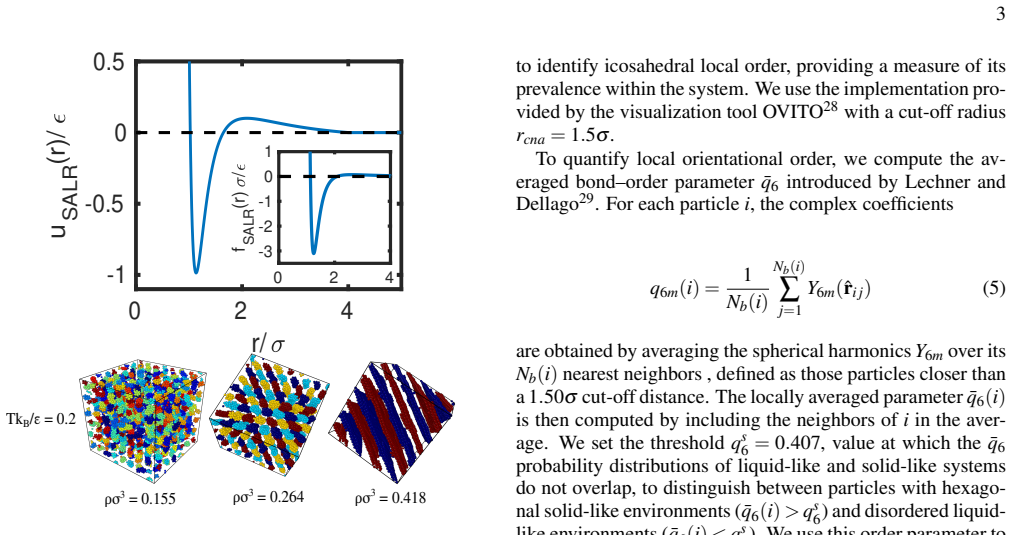
Colloidal models with short-range attraction and long range repulsion (SALR) have been extensively studied using theoretical and simulations methods due to their rich and universal equilibrium phase behavior. Using Brownian Dynamics simulations, we study the dynamical phase behavior of active suspensions in which colloidal particles interact with each other via a SALR potential. Upon increasing the self-propulsion force of the particles, we observed that the structural transitions the active suspension undergoes resemble those observed in its passive counterpart by increasing the temperature of the thermal bath. However, when looking at the transport properties of active and passive suspensions with similar structure, we observed a clear mismatch. We demonstrated that increasing the activity enhances the particles mobility within the SALR fluid when simultaneously preserves the structure. This leads to a structure-dynamics decoupling induced by the activity whereas at the same time highlights the structural memory of SALR potentials under non-equilibrium conditions.
Polarizable particle systems, including charged colloids, polarizable ions, biomolecular assemblies, and soft nanomaterials, can exhibit contact electrostatic interactions that depart strongly from Coulomb behavior when dielectric mismatch and geometric singularities amplify polarization effects. Here we use charged dielectric spheres as a model system and show that these polarization contributions can be canceled by jointly tuning size, charge, and dielectric asymmetries. By extending a recently developed image-charge formula to contacting dielectric spheres, we derive analytical conditions under which the contact interaction reduces to the bare Coulomb form. Accurate two-sphere calculations validate the resulting contact design rules with relative errors below $3\%$. Strikingly, many-body molecular dynamics simulations reveal that systems satisfying these two-body rules self-assemble into structures that closely match their pure Coulomb references. These results establish asymmetry as a route for turning electrostatic complexity into Coulombic simplicity at contact, with implications for controlled self-assembly and materials design.
Tissue-scale shape changes are driven by ensembles of intracellular forces. However measuring force in these contexts remains a difficult challenge. Here we perform spectral analysis of transverse fluctuations of cell-cell junctions in \emph{Xenopus} embryonic tissue explants undergoing convergent extension. We developed an image analysis pipeline to extract fluctuation amplitude profiles $u(x,t)$ from time-lapse confocal movies and computed two-dimensional spatiotemporal power spectra. We observe power-law scaling of mean-squared fluctuation power spectra consistent with $\langle u_q^2 \rangle \sim q^{-2}$ and $\langle u_f^2 \rangle \sim f^{-2}$. The spatial scaling agrees with predictions from the Helfrich Hamiltonian, and the temporal scaling agrees with overdamped dynamics of a fluctuating membrane, both in the tension-dominated regime. Pharmacological reduction of actomyosin contractility (via low-dose blebbistatin or latrunculin B) did not significantly alter either scaling exponent. Our results provide an early empirical characterization of junction fluctuation spectra in an actively shape-changing tissue. Simple tension-dominated membrane models appear sufficient to describe transverse junction dynamics despite their active and coupled nature. This work establishes a quantitative baseline for future studies of tension-bearing tissues and motivates the development of physical models specific to multicellular systems.
We show how dynamical equations for liquid films and drops on uneven surfaces, including contact line dynamics and evaporation/condensation effects, may be formulated as a variational dynamics, generated via Onsager's variational principle. The theory applies in the isothermal overdamped-dynamics limit. We apply this general approach to obtain several well-known results on contact line dynamics and to study drops pinning and sliding on inclined corrugated surfaces. This approach constructs the dynamical equations starting from the free energy of the system and therefore has the advantage that it naturally incorporates the correct equilibrium properties.
Three-dimensional X-ray microtomography, coupled to rheometric measurements, enables a morphology-resolved reconstruction of capillary stresses at the grain scale in unsaturated wet granular materials. Liquid domains are automatically classified into capillary bridges, dimers, trimers, and larger clusters, and their spatial organization is tracked as a function of shear deformation and liquid content. We show that shear localization governs the redistribution of the liquid phase: capillary bridges remain uniformly distributed throughout the sample, while higher-order morphologies accumulate preferentially near the lower boundary of the shear-zone through a shear-driven coalescence mechanism. Despite this spatial localization, simple two-grain bridges generate the dominant contribution to the isotropic capillary pressure, accounting for nearly 85\% of the total at liquid-to-solid volume ratio $\epsilon = 0.05$, whereas more complex liquid clusters contribute only weakly to the overall cohesion. Incorporating the morphology-resolved capillary pressure into an effective-stress framework qualitatively reproduces the macroscopic friction coefficient across the full range of investigated liquid contents, without adjustable parameters. These results establish a predictive micro--macro link between liquid morphology and the rheology of wet granular materials.
Poroelastic materials, consisting of a permeable solid matrix infiltrated with fluid, are ubiquitous in natural and engineering contexts. In poroelastic polymer solids, the elastic matrix swells to equilibrium when immersed in a solvent bath; thus, the network elasticity couples to the solvent transport. Despite the ubiquity and importance of poroelastic theory in describing phenomena as diverse as earthquakes and biological tissues, there is a paucity of experimental data that probe the local network response to controlled stress and solvent boundary conditions. Here, we first probe the baseline diffusion kinetics of a polymeric solvent during free swelling of a polydimethylsiloxane (PDMS) network with well-characterized silicone oils. In situ 3D spatiotemporal measurements identify a flux-limited interfacial boundary condition, contradicting the canonical fully drained assumption. This correction eliminates an order-of-magnitude underestimation of diffusivity in standard bulk analysis. The swelling equilibrium is accurately captured by a Flory-Rehner theory that requires modification to include the effective finite extensibility of the filled network. Solvent migration is then studied using a bending configuration for three material preparations: as-prepared, mobile-phase-free, and fully swollen in silicone oils. The as-prepared and mobile-phase-free beams show no discernible volumetric change or force relaxation, whereas local in situ measurements directly resolve tensile-side dilation and compressive-side contraction, yielding the effective diffusivities in agreement with the force-relaxation data. These measurements rigorously benchmark solvent diffusivity in polymer networks, underscoring the importance of unambiguous interfacial boundary conditions and shedding light on mechanics and engineering across poroelastic polymers and geomaterials.
Developing tissues often maintain mechanical coherence while continuously remodeling through cellular processes such as cell divisions and rearrangements. In this way, they are an example of amorphous solids. In passive amorphous solids, local rearrangements can trigger one another through long-ranged elastic interactions, leading to system-spanning avalanches near yielding. Whether similar collective dynamics should be expected in living tissues is unclear, because cell divisions generate stress and remodeling events independently of local mechanical stability. Here, we address this question using a two-dimensional elastoplastic model in which cell divisions are treated as active plastic events. We find that while cell divisions fluidize the tissue below the passive yield stress, but preserve the marginal stability in the quasistatic limit. However, they also strongly suppress the system-spanning avalanches of cell rearrangements, in constrast with the expected behavior in passive amorphous solids. Finally, we show that the avalanche supression originates from the energy balance in the system. Namely, the energy injected by cell divisions allows for shear flow below the yield stress, but also provides a finite budget for rearrangements. These results suggest that proliferating tissues display the structural hallmarks of marginal amorphous solids while exhibiting much shorter-ranged correlations in dynamics, compared to passive amorphous solids.
The spacial heterogeneity of hydrogels composed of PEGDA and added polymer chains is expected to play a crucial role on their transport properties which can be exploited in filtration or tissue engineering. However little is known about the arrangement of the polymer chains in the matrix and the length scales of these heterogeneities. Here we combine solid-state NMR and Small Angle Neutron Scattering to unravel the structure and dynamics of PEGDA hydrogels containing added PEG chains of various concentrations. Our results show that the samples present heterogeneities in both the PEGDA and PEG concentrations and suggest that the PEG chains entangle with the PEGDA network. When plotting the sample permeability, K, as a function the specific surface of the PEGDA heterogeneities we obtain a master curve, showing that the heterogeneity of the PEGDA matrix controls the permeability of the sample. Moreover the scaling K ___ V/S suggests a structure composed of facetted PEGDA/PEG heterogeneities separated by a network of aqueous thin and flattened films in which the water can permeate.
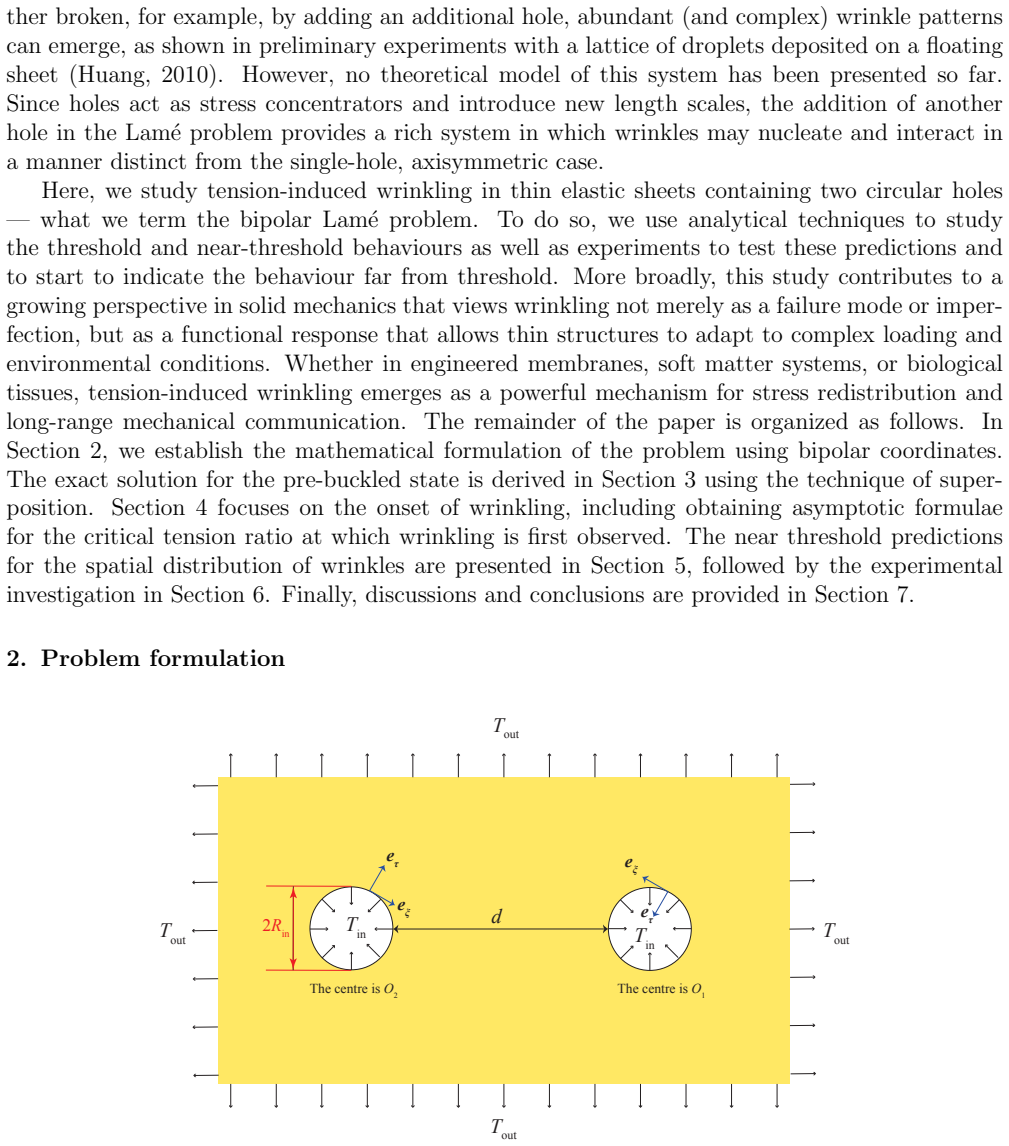
A paradigm for the study of wrinkling in elastic sheet is the Lam\'{e} configuration, in which azimuthal wrinkles form in an annular sheet subjected to tensile loads at both edges. Since wrinkles are spatially extended, this instability provides a mechanism for stress transmission over long distances. A natural extension of this problem is wrinkling in sheets with multiple holes or broken symmetry. Here, we investigate tension-induced wrinkling in thin elastic sheets containing two circular holes by combining analytical modeling and experiments. The pre-buckled state is solved analytically using bipolar coordinates, enabling identification of the wrinkling threshold as a function of the distance between the two holes. Near-threshold wrinkling and interactions between wrinkles are analyzed, and we validate our theoretical predictions against experimental observations obtained through video imaging of spin-coated polystyrene sheets floating on liquid surfaces with controlled surface tension. Our results demonstrate that geometric symmetry breaking, such as the presence of a second hole, strongly influences wrinkle nucleation, orientation, and spatial extent. Beyond mechanics, these findings might provide a simple mechanism for cellular mechanosensing, where force transmission is amplified by mechanical instabilities.
Contactless measurements on microscale droplets yield shear-modulus spectra from 0.01 to 10 Hz, validated on dextran and applied to nucleic酸
abstractclick to expand
The rheology of phase-separated condensates plays a central role in applications spanning advanced materials design and cellular processes, yet quantitative characterization of their viscoelasticity remains challenging due to the limitations of existing microrheological methods that require tracer particles or mechanical contact. Here, we establish tracer-free and contactless acoustic microrheometry as a versatile platform for quantifying the frequency-dependent complex shear modulus of single microscale condensates over 0.01-10 Hz. Using spatiotemporally controlled acoustic radiation force generated within a micro-acoustic resonator, this method deforms condensates for creep-recovery and oscillatory viscoelastic measurements. Quantitative validation using dextran condensates in a polyethylene-glycol continuous phase successfully captures their size- and frequency-dependent mechanical responses, while application to nucleic-acid condensates reveals salt-dependent internal viscoelastic changes at single-condensate resolution. By enabling quantitative dissection of condensate mechanics without invasive probes, acoustic microrheometry provides a broadly applicable framework for investigating phase-separated condensates across materials science, soft matter physics, biology, and beyond.
Double network (DN) materials exhibit anomalous strength and toughness that far exceed the sum of their constituents. While widely exploited, the fundamental physical mechanisms underlying this synergy remain elusive. Here, we show that a minimal three-dimensional model of two coupled, disordered linear-elastic networks is sufficient to capture the essential physics of DN nonlinear mechanics. The model reproduces the full suite of unique mechanical behaviors, including yielding, necking, strain hardening, and the brittle-to-ductile transition. Mechanical contrast between the hard and soft networks drives inter-network load transfer, which screens defects and suppresses stress concentrations in the hard network. By defining a stress-concentration factor, K_sc, we find that the hard-network failure strain scales universally as 1/K_sc, directly bridging microscopic defect screening to macroscopic yielding. We further show that complete defect screening triggers the shift from localized necking to delocalized damage. Furthermore, the stable necking plateau is identified as an energetic selection governed by the balance between potential energy release and irreversible dissipation. These findings reveal that a simple linear-elastic framework can account for the rich nonlinear landscape of DN materials, providing a general principle for designing next-generation tough solids.
Liquid crystal elastomers (LCEs) are elastomeric networks with rod-like mesogens that reorient under load. In polydomain LCEs, this reorientation drives a polydomain-to-monodomain transition that produces a soft-elastic plateau. Coupling between this soft elasticity and polymer-network viscoelasticity yields a path-dependent thermoviscoelastic response, central to applications in damping, impact protection, and tough adhesives. However, the physics governing this response under complex thermomechanical histories remains insufficiently studied. We present a combined experimental and theoretical study of polydomain LCEs under three uniaxial protocols: single-cycle loading-unloading, stress-free recovery from various pre-stretches, and multi-cycle loading with progressively increasing amplitude. We develop a finite-deformation constitutive model combining two parallel mechanisms: rate-independent, temperature-dependent soft elasticity from mesogen reorientation, and time- and temperature-dependent viscoelasticity. With a single parameter set, the model quantitatively reproduces all three protocols and resolves each mechanism's contribution. A temperature-dependent soft-elastic limit governs the low-rate response and the long-time recovered stretch, while viscoelasticity controls the rate-dependent deviation and the cycle-wise accumulation of residual stretch away from this limit. A thermal recovery test above the nematic-isotropic transition confirms that all hysteresis and residual deformation are reversible, ruling out irreversible damage. The framework provides mechanistic understanding and a predictive basis for designing polydomain LCE components under complex thermomechanical histories.
The polarization and density modulation associated with antiferroelectric ordering is studied experimentally as a function of temperature in two ferroelectric nematic liquid crystals, the prototypical single compound (DIO) and a commercial mixture (FNLC919). The modulation wavenumber qA is determined by small angle X-ray diffraction from the weak smectic-like density wave (wavenumber qS = 2qA) that accompanies the polarization modulation. Results for qS and the saturated value of the polarization are analyzed in terms of Landau theory previously developed to describe the para-/antiferro-/feroelectric sequence of phase transitions in solid ferroelectrics. The analysis indicates that the polarization modulation is reasonably well approximated by a simple sinusoid in the antiferroelectric phase of DIO, whereas in FNLC919 the modulation develops a strongly soliton-like profile (with sharply decreasing wavenumber) close to the antiferro- to ferrolectric transition.
Internally generated active stresses drive soft materials into architectures inaccessible to thermal self-assembly. We use a microtubule-based active fluid to assemble and irreversibly restructure actin-fascin networks. Subsequently, we probe the mesoscale mechanics of such networks by combining active microrheology with fluorescence imaging of the strain field around the probe. Increasing motor concentration broadens the pore-size distribution and thickens load-bearing bundles, raising the mean local elastic modulus and its spatial variability. Displacement fields of actively-processed networks propagate over longer range when compared to unprocessed networks. At large strains, both networks strain soften and plastically restructure. The combined microrheology and strain-imaging approach show that tunable active stresses reprogram the structure and viscoelastic response of fiber networks at the scale of their structural heterogeneity.
We develop a theory that predicts the equilibrium states of a fluid contained in a capillary which has corners. Each section of the tube can take three states: completely wet state where the tube section is completely occupied by the fluid, partially wet state where only the corners are occupied by the fluid known as corner film or finger, and completely dry state. We calculate the phase diagram of these states for a square tube with rounded corners. It is shown that the partially wet state can exist only in a certain region in the parameter space spanned by the equilibrium contact angle and the corner curvature.
Lithium electrolytes are commonly described using separate conceptual frameworks for local coordination chemistry, electrostatic screening, and ionic transport. This separation is effective in dilute conditions but breaks down at higher concentration, where coordination, ion pairing, clustering, and collective dynamics become intrinsically coupled. In this Perspective, we develop a unified multiscale framework that links local coordination motifs, mesoscopic ionic organization, and macroscopic transport within a single physical picture. Through representative examples spanning carbonate liquids, polymer electrolytes, concentrated systems, and confinement, we show that increasing concentration drives a systematic evolution from solvent-dominated Li$^+$ coordination to ion pairing, clustering, and correlated domains. In this regime, screening and transport are not independent phenomena but arise from the same underlying correlated structures. This perspective implies that rational electrolyte design must simultaneously control short-range coordination, mesoscale organization, and collective electrostatic response.
We investigate the thermal and structural properties of knotted diblock copolymer rings using a coarse-grained lattice model in an implicit solvent. The system is studied by means of the Wang--Landau Monte Carlo algorithm, allowing us to analyze thermodynamic and conformational responses over a wide temperature range. Different knot topologies, including the unknot, trefoil, figure-eight, and pentafoil knots, are considered for both symmetric and asymmetric monomer compositions.
In the AB model employed here, A-type monomers are self-repulsive, B-type monomers are self-attractive, and A-B interactions are neutral, such that the solvent is effectively good for A-type monomers and poor for B-type monomers at low temperatures. We analyze several key observables, including the heat capacity, the radius of gyration, and its temperature derivative for both the entire copolymer ring and the individual blocks, and the probability that a monomer belongs to the knotted region. Our results show that the interplay between knot topology, monomer composition, and temperature strongly influences polymer conformations. Small variations in the B-block length induce nonmonotonic, reentrant-like conformational behavior as a function of temperature, including transitions between knot localization and delocalization at low temperatures. These effects arise from the competition between energetic and entropic contributions imposed by topological constraints.
Recent measurements of microsphere interactions in diverse media suggest that the standard dielectric-continuum models of solution-phase interactions are fundamentally incomplete. Experiments indicate that the interactions of charged particles in liquids can be dominated by solvent structuring at interfaces, thereby motivating the concept of electrosolvation. While interfacial spectroscopy and molecular simulations have established that solvent molecules can exhibit net orientation at interfaces, conventional theoretical frameworks treat the fluid as a structureless medium described by a constant dielectric permittivity. This view does not envisage a contribution of interfacial polarization to interactions at longer range. Here, we employ nonlocal dielectric theory accounting for spatial correlations in polarization to describe interactions in solution. This model permits both charge and polarization to govern interactions, leading to dramatic departures from classical expectations. Specifically, the balance between charge and polarization generates a framework of symmetric (repulsive) and antisymmetric (attractive) interactions, wherein: (i) like-charged surfaces can attract at long range, (ii) oppositely charged objects can repel, and (iii) neutral matter can acquire effective electrical mobility and display long-range forces-potentially explaining long-range hydrophobic attraction. Further, like-charged biomolecules can attract in aqueous electrolytes even for modest polarization correlation lengths ($\xi=2$ \AA). Our results also suggest that electrosolvation effects may underpin flocculation in suspended matter, which has traditionally been attributed to attractive dispersion forces. These findings indicate how solvent structuring and correlations may play a dominant, complex role in fluid-phase physics.
We examine the instabilities of a confined active nematic subjected to an orienting field using a low Reynolds number Ericksen-Leslie framework with active stresses and field-induced torques. Linear analysis reveals two distinct modes, with odd and even director symmetry, the instabilities of which depend on the interplay between activity and field strength. We derive exact and approximate analytic forms of the stability boundaries and show that an orienting field that aligns the director perpendicular to the substrate anchoring direction cooperatively lowers activity thresholds and enables a field-driven even symmetry mode instability, while an orienting field that aligns the director parallel to the substrate anchoring tends to stabilise the system. Numerical solutions of the full nonlinear equations show that the linear stability analysis correctly identifies the symmetries of long-time states. These results demonstrate how orienting fields can promote an instability below the classical critical activity and can be used to both tune the instability onset and control the mode selection in confined active nematics.
Programming the static friction of mechanical interfaces is critical for soft robotics, haptics, and precision gripping. Static friction is governed by the real contact area, and standard rough surfaces exhibit a linear area-load scaling inherent to classical Archard and Greenwood-Williamson models, severely restricting their functional range. Here, we propose a framework for the inverse design of tribological metainterfaces engineered for programmable contact behaviors. By utilizing general axisymmetric asperities, we unlock nonlinear macroscopic responses unattainable by standard Hertzian contacts. To solve the inverse problem, we embed a fully differentiable contact mechanics engine within a neural network and a quadratic optimizer. We leverage regularized physical gradients to automatically discover non-standard topographies that reproduce complex target friction laws, with only a few asperities in unit cells. The predicted designs are strictly validated against high-fidelity Boundary Element Method (BEM) simulations. This framework bridges data-driven optimization and rigorous physics, offering a scale-invariant pathway for discovering functional tribological surfaces.
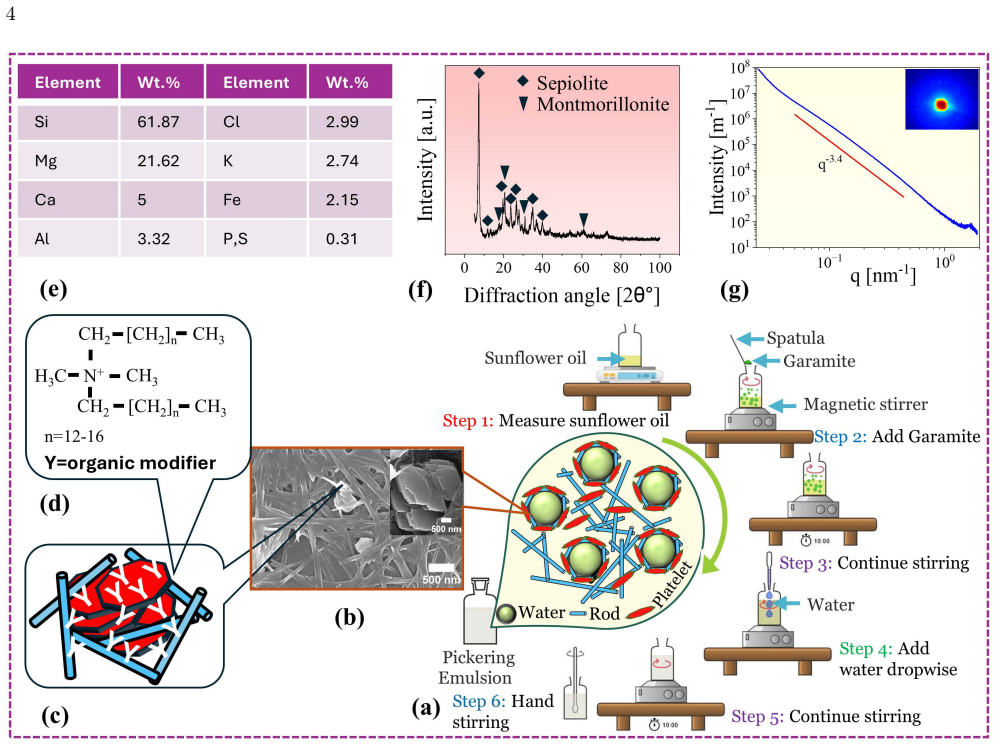
The limitations of conventional mineral oil-based lubricants motivate the development of environmentally benign emulsions capable of providing lubrication and heat dissipation in demanding applications. In this study, nano-organoclay (Garamite 1958)-stabilized thixotropic water-in-oil Pickering emulsions are developed using sunflower oil as the base. The rheological and tribological properties of the emulsion system are systematically examined. Rheological findings reveal a pronounced increase in yield stress, shear thinning and thixotropic behavior on increasing Garamite loading percentage in the emulsion. The tribological performance is assessed against dry, water, and oil-lubricated conditions for a steel-steel interface under high contact pressure. The findings indicate that the tribological performance is significantly influenced by the microstructure and thixotropic behavior of the emulsions. The emulsion with the optimal nano-clay concentration demonstrates approximately 41\% and 84\% lower friction and approximately 80\% and 96\% lower wear than oil and water, respectively. The emulsion exhibits sensitivity to the sliding direction and displays load-responsive friction behavior with a memory effect owing to the reversible structuring of the clay-droplet network. This superior performance is attributed to the combined effects of thixotropy, anisotropic nanoclay morphology, and stable droplet armoring, which form a robust and adaptive interfacial film. This study advances the understanding of Pickering emulsions in metallic tribosystems by correlating the microstructure and rheology with tribological performance, thereby facilitating the design of high-performance, smart, and eco-conscious lubricants for metallic systems.
When subjected to specific prestresses, continuum elastic shells can exhibit geometric zero modes: complex motions that require vanishing elastic energy to excite, enabling them to be driven by weak and generic energy inputs. Despite recent interest in these modes, we understand very little about their dynamical properties. Non-Euclidean plates modeled on minimal surfaces are one example in which prestresses and geometry combine to produce a continuum of ground states that the plate can explore through a geometric zero mode. We demonstrate that a non-Euclidean plate with metric corresponding to Enneper's minimal surface exhibits the predicted continuous stability, but this degeneracy is ultimately lifted by aging. Despite developing a preferred configuration, the zero mode remains the softest mode. Using a combination of analytical theory and experiments, we show that the elastodynamics of this soft mode is captured by the dynamics of a damped pendulum. A periodic driving uncovers resonance phenomena in this pendulum mode, such as small oscillations and steady rotations, but mixes with an additional flapping mode at high frequencies.
Direct ink writing (DIW) using frontal ring-opening metathesis polymerization (FROMP) offers a compelling route to the rapid and energy-efficient fabrication of thermoset and elastomeric polymer architectures, leveraging a self-propagating exothermic curing reaction. While FP-DIW excels at freestanding path printing due to the rapid solidification, it is constrained by stringent rheological requirements, a lower bound on achievable feature size due to quenching, and the need for the reaction front to closely follow the nozzle during printing. Here, we overcome these constraints by leveraging embedded 3D printing to implement FP-DIW with delayed solidification, thereby decoupling shape retention and solidification from ink chemistry and rheology. The use of a yield-stress support medium enables extrusion of low-viscosity inks by suppressing gravitational and capillary instabilities, mitigating front quenching at small diameters, and allowing time-delayed solidification to fuse complex, overlapping, and mechanically interlinked features after deposition. Two complementary thermal initiation strategies are introduced:\ volumetric dielectric heating via microwaves and surface heating at the boundary of the support bath. Formulations based on dicyclopentadiene (DCPD), cyclooctadiene (COD), and mixtures thereof, result in tunable final mechanical properties with glass transition temperatures spanning $-50$ to $160 $$^\text{o}$C. The versatility of this approach is demonstrated through the fabrication of lattices, springs, mechanically interlocked, and multimaterial architectures. Compared to printing in air, this embedded approach introduces a substantially broader range of possible formulations, material properties, feature sizes, and architectures.
Shear confined to a thin low-viscosity boundary lets geometry and lubricant set the transport rate, slashing required driving forces for a
abstractclick to expand
Non Newtonian flows are typically governed by intrinsic bulk rheology, which imposes strong constraints on transport through confined geometries. Here, we show that stable boundary lubrication can fundamentally alter this behavior by localizing shear within a thin, low-viscosity interfacial layer. As a result, the nonlinear rheological response of a broad class of complex materials, including yield-stress, shear-dependent, and thixotropic materials, is strongly suppressed during flow. Using analytical solutions of Stokes flow and numerical simulations, we demonstrate that lubrication-induced shear localization leads to an apparent Newtonianization of transport, in which the macroscopic flow response becomes primarily controlled by the lubricating layer and geometric confinement rather than the intrinsic material properties. In this regime, materials that would otherwise require large pressure gradients can be transported at substantially lower driving forces. Notably, this boundary-dominated transport enables gravity-driven passive flow with orders-of-magnitude enhancement in throughput compared to rigid-wall conduits. These results establish lubrication as a powerful mechanism for tuning and simplifying complex fluid transport, with implications for biological systems, soft and jammed materials, and energy-efficient fluids.
How do solute concentration and molecular chemistry govern the transition from membrane saturation to destabilization? We address this using microsecond-scale molecular dynamics simulations of dipalmitoylphosphatidylcholine (DPPC) bilayers with chloroform (CHCl$_3$) and a homologous series of alkanols (methanol, ethanol, octanol) over $0-50\%$ concentrations. Although complete membrane melting is not observed within $1000\, ns$, all systems exhibit clear precursors of destabilization, including enhanced thickness fluctuations, reduced lipid order, and mechanical softening. Chloroform induces pronounced thinning and large fluctuations, consistent with deep, transient insertion. Methanol perturbs primarily the headgroup region, while ethanol shows intermediate behavior with partial insertion. Octanol preserves bilayer thickness at high concentrations due to lipid-like insertion but significantly increases fluctuations and interdigitation. Across all systems, increasing concentration decreases the area compressibility modulus and deuterium order parameter, accompanied by smoothing of lateral pressure profiles, indicating stress redistribution. Free energy analysis reveals increased membrane partitioning and reduced translocation barriers with concentration, strongest for octanol and weakest for methanol. These results demonstrate that membrane destabilization is governed by the interplay of insertion depth, interfacial crowding, and lipid packing disruption.
Self-encapsulated droplets floating at an oil--air interface undergo striking shape changes during evaporation, including flattening and localized loss of membrane tension leading to crumpling and wrinkling. Here we combine experiments, modeling and simulations to obtain predictive morphological maps. We perform contact-angle and evaporation experiments on water droplets coated by a hydrophobin protein film and floating in a fluorinated oil, providing reference profiles and volume-loss sequences for quantitative validation. We develop an axisymmetric mechanics framework in which equilibria follow from minimization of a total free energy combining surface energies, membrane strain energy and gravitational potential, subject to volume and contact-line constraints. A quasi-convex tension-relaxation rule accounts for compression-free states and enables coexistence of taut, wrinkled (one principal tension vanishes) and crumpled (both vanish) membrane domains. A finite element algorithm computes quasi-static morphing under volume reduction; key parameters are identified by fitting the reference contact-angle profile and then used without further tuning. The model reproduces the experimentally observed shape evolution and resolves the associated stress redistribution. Systematic parameter scans yield morphological phase diagrams governed by the Bond number, the oil--droplet surface-tension ratio and the density ratio. For buoyant droplets, crumpling relocates between exposed and submerged caps as parameters vary; for heavy droplets, a crossover to circumferential wrinkling along the immersed sidewall emerges. Wall-meniscus variations shift phase boundaries and can suppress bottom crumpling, consistent with wall-affected experiments.
We study the deformation of a two-dimensional viscous droplet in simple shear in the presence of odd viscosity.
We derive an analytical solution for the droplet shape and surrounding flow field within the framework of odd Stokes flow, allowing for differences in both even and odd viscosity between the droplet and the surrounding fluid.
This solution yields closed-form expressions for the macroscopic apparent even and odd viscosities of a dilute emulsion.
We show that, provided all viscosity differences remain moderate, the steady-state Taylor deformation parameter satisfies
$D_T^\infty = \text{Ca} + \mathcal{O}(\text{Ca}^2)$
so that the leading-order droplet deformation is unchanged from the classical (even-viscous) result.
Nevertheless, pronounced effects emerges beyond leading order, where our direct numerical simulations reveal odd-viscous differences to the droplet deformation.
In addition, we show that the flow is influenced only by the difference in odd viscosity between the droplet and the medium and not on their individual values.
Our analysis clarifies how odd viscosity might modify the effective rheology of dilute emulsions and provides a framework for interpreting droplet-based measurements of odd-viscous response.
Key words: odd viscosity $|$ droplets $|$ emulsions $|$ surface tension $|$ chiral fluids
Dense granular and suspension flows under inhomogeneous shear exhibit persistent particle motion in regions where the local yield criterion is subcritical, an apparent breakdown of locality that has motivated the development of a generation of nonlocal rheological models. Using particle-resolved simulations of frictionless dense suspensions in two-dimensional Kolmogorov flow, we show that two independent considerations together account for this signature. First, replacing the conventional shear stress by a shear-rate-weighted dissipative stress $\tau_W=\langle \tau \dot \gamma \rangle/\langle \dot \gamma \rangle$, which isolates the component of stress that performs irreversible work, restores the homogeneous $\mu(J)$ law throughout the bulk of the flow, with the inferred friction remaining strictly above yield. Second, a simple geometric mixing-length construction, applied with conventional stresses and requiring no fluctuation input, accounts for the residual sub-yielding within a sub-diameter layer at flow reversals. Each approach is based on a different philosophy and mechanism, and together they suggest that much of the apparent non-locality in this geometry and frictionless case is an artefact of how stress is measured and averaged rather than an intrinsic breakdown of local rheology.
The existence and origin of the ductile to brittle transition in non-Brownian suspensions and pastes is underexplored despite the ubiquity of such materials in practical applications. We demonstrate the phenomenon in candies of sugar crystals in a water-protein-fat matrix prepared by boiling a sugar-cream-butter mixture (known as 'fudge' in some countries). As cooking time or final cooking temperature increases, we observe a transition from a fluid to a ductile solid, then to a brittle solid that abruptly fractures in compression. We propose that this is driven by rising solid sugar crystal volume fraction, and indeed find the same sequence of behaviour in a suspension of non-Brownian calcite particles as the solid fraction moves from frictional jamming to random close packing. Particle-based simulations reveal the sensitivity of the observed phenomenon to boundary conditions.
The fluctuations of ions in polar solvents remain poorly understood theoretically due to the complex coupling between ionic motion and solvent polarization. Indeed, while all-atom resolution can be achieved in numerical simulations, analytical approaches require suitable levels of coarse-graining. In this work, we describe ions and solvent molecules as interacting Brownian particles and use stochastic density functional theory to derive a generalized Langevin equation for the ionic charge density, explicitly accounting for solvent-mediated memory effects. In the regime where there is a clear timescale separation between fast solvent and slow ion dynamics, we obtain simple expressions for dynamical charge structure factors, which are validated by BD simulations. For slow solvents, we predict an emerging two-step relaxation in ionic dynamics. These results provide a mesoscopic approach for ion-solvent dynamics and open pathways to study fluctuation-induced phenomena in electrolytes.
Guided by recent advances in the understanding of nucleation and propagation of fracture in elastic brittle materials, this paper proposes a suite of three simple experiments that permit the measurement of the three macroscopic material properties governing when and where cracks nucleate and propagate in structures made of cementitious materials that are subjected to arbitrary monotonic quasi-static loading conditions. The first experiment is that of the uniaxial compression of a cylindrical specimen, which enables the extraction of the elastic properties -- namely, the Young's modulus and Poisson's ratio -- as well as the uniaxial compressive strength. The second experiment is the Brazilian fracture test, performed with flat platens on a material disk to determine the uniaxial tensile strength. Having knowledge of the uniaxial compressive and uniaxial tensile strengths then allows for the estimation of the strength surface of the material via interpolation (e.g., a Drucker-Prager fit). Finally, the third experiment is the wedge split test on a notched cube, which yields the fracture toughness. We demonstrate by means of direct comparisons with four-point and three-point bending tests on both unnotched and notched beams made of a 3D-printable mortar mixture that the elasticity, strength, and toughness properties obtained from the proposed tests are sufficient to predict the nucleation and propagation of fracture for any structure (granted separation of length scales) made of cementitious materials under any monotonic quasi-static loading condition.
We show that chiral order in two-dimensional nonreciprocal flocking mixtures is generically unstable. Combining large-scale agent-based simulations with a coarse-grained continuum description, we demonstrate that rotating chiral states emerging from antisymmetric couplings are destroyed by the proliferation of topological defects. The resulting dynamics is spatiotemporally chaotic and characterized by a finite correlation length that diverges as nonreciprocity vanishes. On length scales below this cutoff, density and orientational order fluctuations remain scale-free, but the associated scaling exhibits nonuniversal exponents. We attribute this atypical behavior to the coupling between density and order, which causes topological defects to act as persistent sources of nonlinear fluctuations.
All solids, whether crystalline or disordered, support elastic wave propagation with a linear dispersion relation in the long-wavelength limit. These waves, corresponding to low-frequency phonons, feature a vibrational density of states that follows Debye's classical model. Deviations from Debye's predictions with increasing frequency can emerge from phonon dispersion nonlinearity and from non-phononic vibrational modes, which exist in non-crystalline solids due to structural disorder. Both nonlinear phonon dispersion in disordered solids and its relative contribution to non-Debye anomalies, most notably manifested by the controversial boson peak, remain poorly understood. Here we show that nonlinear phonon dispersion in a broad range of disordered solids, including elastic networks and various glasses, emerge from a mesoscopic, disorder-induced lengthscale, which also controls wave attenuation. We subsequently use analysis and large-scale computer simulations to quantitatively determine the relative contributions of nonlinear phonon softening and non-phononic vibrations to the onset of non-Debye anomalies and to the boson peak. We show that the relative magnitude of the two contributions strongly depends on the strength of disorder of the solid, e.g., controlled by the thermal history upon glass formation, and that for realistic laboratory glasses both pieces of physics significantly contribute to the boson peak. These findings constitute basic progress in understanding disordered solids.
Isolated microscopic magnetic particles are used to induce local perturbations in dense colloidal suspensions by rotating an external magnet. Confocal microscopy enables tracking of both the magnetic probe particle and adjacent colloidal particles. A probe particle moves with a circular trajectory. Knowing the external force and measuring the amplitude and phase of the probe motion allows us to infer the storage and loss moduli of colloidal suspensions at various volume fractions. These measurements are in qualitative agreement with previous results from conventional rheology. To further analyze the system's response, the oscillatory amplitude of colloidal particles is evaluated as a function of distance from the probe, revealing a 1/r decay in amplitude, consistent with a homogeneous viscoelastic material. These observations confirm that continuum descriptions of the colloidal samples are effective down to length scales comparable to the particle diameter.
Complex colloidal cluster morphologies are desirable for the fabrication of advanced materials, such as photonic crystals and meta-materials, and can be formed through evaporation-driven packing. By coupling lattice Boltzmann and discrete element methods, here we elucidate the rich interplay between fluid and particle dynamics during evaporation-driven self-assembly of spherical colloidal particles. We construct a regime diagram for a wide range of evaporation rates, interparticle friction coefficients, and particle numbers, identifying parameter regimes for open, closed, and minimal moment of inertia cluster configurations. Analyzing the competition between capillary, hydrodynamic, normal, and friction forces, we show that interparticle friction can exert a disproportionately strong influence on the final packing outcome despite being considerably smaller in magnitude than other forces at play. Our simulation results further highlight the potential for tuning colloidal cluster configurations via their dynamic trajectories.
Upper strain-rate bound for uniform flow in the SL-TS2 description reproduces measured transitions in polystyrene, PMMA and PVC.
abstractclick to expand
Brittle-ductile transition (BDT) is an important characteristic of amorphous (and semicrystalline) polymers. For a given strain rate, at temperatures above BDT, the polymers exhibit strain softening followed by yield and strain hardening, while at temperatures below BDT, the same materials exhibit brittle failure at relatively low strains. Surprisingly, today there is no simple model describing BDT as a function of polymer chemistry, sample history, deformation type, and strain rate. Experimental data suggest that BDT is often, though not always, associated with the beta-transition. We formulate a simple scalar model to describe the visco-elasto-plastic shear stress-strain curves as functions of temperature and strain rate. We also show that within this model, there is always an upper bound on the strain rate where the material can have a uniform viscoplastic flow; this upper bound is taken to represent the BDT. We stipulate that this upper bound is inversely proportional to the Johari-Goldstein beta-relaxation time. Using our "general" Sanchez-Lacombe "two-state, two-(time)scale" (SL-TS2) model, we compute the BDT for three polymers (polystyrene, poly(methylmethacrylate), and poly(vinylchloride)) and found a good agreement with experimental data.
Structural Maintenance Complexes (SMC) are energy consuming motors that are important in folding the genome by loop extrusion (LE) in all stages of the cell cycle. Single molecule magnetic tweezer pulling experiments have revealed that condensin, a member of the SMC family involved in mitosis, takes occasional backward steps, thus coughing up the gains in the length of the extruded loop. To reveal the mechanism of the forward and backward steps simultaneously, we developed a theory using the stochastic kinetic model and the scrunching mechanism for LE. The calculations quantitatively account for the measured force-dependent step size and dwell time distributions in both the directions. By postulating the existence of an intermediate state in the ATP-driven cycle that is poised to take a forward or a backward step, we predict that its lifetime increases as the external mechanical force increases till a critical value and subsequently decreases at higher forces. The surprising finding of lifetime increase in an active motor, at sub-piconewton forces, is the characteristic of catch bonds, known in force-induced rupture of several passive protein complexes. The identification of catch bond-like states in condensin not only expands our understanding of LE but also highlights the significance of mechanical forces in regulating genome organization.
Predicting and controlling the transport of colloids in porous media is essential for applications ranging from contaminant remediation to drug delivery. In these complex environments, solute gradients are ubiquitous and could drive diffusiophoretic particle migration, yet their impact on macroscopic colloid dispersion remains poorly understood. Here we combine experiments and simulations to quantify how diffusiophoresis alters the spreading of a colloidal blob in a 2D ordered/disordered porous medium. A joint blob of colloids and salt at high concentration is introduced into a medium filled with salt at low concentration and advected by a background flow. Intuition suggests that when colloids are attracted toward or repelled from the solute-rich blob, dispersion should be suppressed or enhanced, respectively. Instead, we observe the opposite trend: longitudinal dispersion is enhanced in the attractive case, whereas dispersion is suppressed in the repulsive case. Numerical simulations reveal that this striking reversal arises from diffusiophoretic exchange of particles between slow and fast streamlines, which we capture using a minimal two-layer model of coupled fast and slow plug flows. Finally, we probe how geometric disorder in the medium modulates this mechanism. Our results demonstrate that diffusiophoresis can strongly modulate macroscopic dispersion of colloids in porous media with implications for transport in subsurface and biological environments.
We numerically examine a binary system of particles with repulsive interactions, where one species is driven by a rotating drive and the other is subjected either to a constant drive in a fixed direction or to a rotating drive that is out of phase with the first species. As a function of rotation frequency, we find a variety of order-disorder transitions and pattern forming states, including density-modulated stripes, partially jammed states, phase separated fluids, and mixed fluids. When one species has a constant drive and the drive on the other species is rotated at low frequencies, the system switches between different pattern forming phase-separated lanes including density-modulated stripes and partially jammed states, similar to what is observed for oppositely driven colloids. The lanes tend to align with the net direction of rotation, resulting in a series of order-disorder switching transitions. The transport curves show abrupt jumps up or down at the transitions, which also correspond with changes in the topological order. We find similar switching transitions when both species rotate out of phase with each other. For intermediate driving frequencies, the system becomes increasingly fluid-like and the laning behavior is lost. At high frequencies, however, the system can again exhibit patterned flow when the rotation orbits become smaller than the average spacing between particles. The switching is reduced when a finite temperature is included, but even for temperatures at which the uniform equilibrium bulk system is liquid, the partially jammed state can generate local density enhancements that lead to recrystallization. We demonstrate the pattern switching behavior for systems with different screened repulsive interaction potentials.
Molecular-scale interactions between solvated macromolecules and solid surfaces govern a large number of processes, from biology to engineering. Yet, despite extensive characterization at the macroscopic level, our molecular understanding of polymer/surface interactions remains limited, particularly under out-of-equilibrium conditions. Here, we combine wide-field single-molecule microscopy with microfluidic transport to directly track the nanoscale dynamics of individual fluorescently tagged macromolecular PEG adsorbates, and investigate their subtle couplings with interfacial hydrodynamic flows. At equilibrium, we evidence marked surface dependence, with macromolecular dynamics switching from heterogeneous non-Brownian diffusion on hydrophilic glass to bidimensional Brownian-like transport in an interfacial physisorbed state on hydrophobic self-assembled monolayers. While for hydrophilic glass, the effect of the flow is restricted to an advective contribution during solvent-mediated flights, we uncover for the hydrophobic surfaces a peculiar regime of mixed macromolecular friction, whereby the adsorbed chain rubs on the solid wall while being continuously dragged by the near-surface hydrodynamic flow through interfacial slippage. Through joint analysis of equilibrium and out-of-equilibrium transport, we finely disentangle these molecular level frictional interactions with both the solid surface and the interfacial liquid. Beyond population-averaged dynamics, we further unveil a broad distribution of friction coefficients associated to individual chains, which we attribute conformational heterogeneities with sluggish reorganization timescale. By enabling direct observations of molecular-scale interfacial dynamics, our approach provides a novel molecular picture of macromolecular friction and adsorbate/surface interactions at flowing solid/liquid interfaces.
In a recent article [J. G. Wang, U. Dhumal, M. E. Zakhari, and R. N. Zia, AIChE Journal 72, e70275 (2026).], the authors discuss the absence of simulations of monodisperse hard spheres in which a metastable fluid spontaneously nucleates into a stable fluid-crystal coexistence. Here, we show that such a simulation can be readily accomplished with standard simulation methods.
One dramatic feature of network liquids is the emergence at low temperatures and high pressures of polyamorphism, where multiple distinct liquid phases are accessed in a single material. Polyamorphism can arise from the competition between distinct local inherent structures corresponding to bonded and nonbonded ordering. Thermal bond breaking thus can lead to a phase transition often accompanied by thermodynamic anomalies away from the transition itself, such as the familiar density maximum in water at atmospheric pressure and $4^\circ$ C. Water exhibits network interactions in the form of hydrogen bonding between water molecules. The polyamorphic transition in water, however, is difficult to study due to the rapid crystallization of supercooled water and due to glassy effects at low temperatures. In the present work, we propose a simple microscopic model where the glassy and thermodynamic properties are both calculated directly from the microscopic potentials. The model contains a liquid-liquid phase transition, which, after tuning the microscopic parameters, may be located either above, near, or below the glass transition. By applying the Random First Order Transition theory of the glass transition to this simple microscopic model, we shine light on the interplay of polyamorphism and glassy properties in network liquids. We show the connection between the thermodynamic water-like anomalies and corresponding anomalies in the glassy kinetics. The analysis unveils key details on the way glassy dynamics modifies the phase transition kinetics. When the parameters of the model are tuned to produce a phase diagram resembling that of water, the liquid-liquid phase transformation near $T_g$ occurs via ``nanonucleation'', resulting in extremely small domains sizes and nonclassical nucleation kinetics which are predicted from the RFOT theory.
Steric and hydrodynamic simulation plus Gaussian process surrogate matches experiments and infers structure orders of magnitude faster
abstractclick to expand
Tracer diffusion in crowded environments is central to many biological and soft matter systems, but quantitative frameworks for linking tracer motion to environmental structure remain limited. Here, we study the transport of rigid tracers in suspensions of soft particles and within living cells. Experiments reveal a transition from diffusive to confined motion as the matrix area fraction increases. We develop a minimal simulation that incorporates steric exclusion and hydrodynamic hindrance to reproduce the observed mean-squared displacements (MSDs). Using simulation outputs, we train a parallel partial Gaussian process (PPGP) model that rapidly predicts MSDs from matrix geometric variables, including area fraction, particle size, and polydispersity. The PPGP model accelerates predictions by several orders of magnitude relative to simulation and experiments. Analysis reveals that tracer transport is primarily governed by accessible pore sizes and that distinct global structures can produce indistinguishable MSDs. We find that the minimal model can also capture the MSDs of internalized tracer particles in cells. The framework enables rapid inference of structural properties in crowded environments, including transport in the intracellular environment.
Double networks' large-strain curves match summed singles while small-strain curves do not, according to shear-flow simulations.
abstractclick to expand
In this research study, a numerical tool, which is based on a version of Slender Body theory, has been used and also modified to simulate the mechanical behaviour of single- and double-cross-linked biopolymer networks (hydrogel) under oscillatory shear flow. The hydrodynamic interactions among fibres of intertwined networks were considered. Then, the stress and Fourier coefficients (i.e. shear moduli) were evaluated for both linear and nonlinear regimes. It was found that the double peaks (two-step yielding) of two double network at 100% maximum strain amplitude (nonlinear regime) cannot happen due to changes in fibre alignments and seed numbers, although the crosslinkers between two subnetworks present, which was previously reported in the literature. In fact, we also observed two peaks for single network in nonlinear regime. Furthermore, it was shown that the stress-strain curve of double network is not predicted by just superimposing the results from the corresponding single networks at 5% maximum strain amplitude (linear regime), but this prediction can be provided at 100% maximum strain amplitude (nonlinear regime). The Fourier coefficients and corresponding amplitude (an indication of nonlinearity effects) for double network were quite considerable from zero to fifth modes in nonlinear regime, despite enough zero and first modes in linear regime. It was also shown that the nonlinearity effects can be related to the morphology of the initial structure, i.e. the seed number rather than the flow condition for the single network. These results can help scientists to better design enhance fibrous materials used in wound healing or tissue engineering.
We present an experimental and theoretical study of dry and glycerol-lubricated sliding for polymethyl methacrylate (PMMA) cylinders with different surface roughness sliding on polydimethylsiloxane (PDMS) rubber. This system represents a hydrophobic soft contact, where adhesion may persist even in the presence of the lubricant and thereby modify both the real contact area and the sliding response. Dry-friction measurements, combined with contact-area calculations that include adhesion, provide a baseline for the lubricated study. For the two sandblasted surfaces, the measured Stribeck curves are described reasonably well by a mean-field mixed-lubrication theory with a fitted velocity-independent effective interfacial shear stress. In contrast, the smooth surface exhibits qualitatively different behavior. We attribute this to an adhesion-controlled sliding mode involving macroscopic Schallamach-wave-like instabilities at low sliding speeds, which are progressively suppressed as the sliding speed increases and forced wetting reduces direct solid-solid contact. The results show that, for soft hydrophobic contacts, the Stribeck curve cannot always be understood from classical fluid flow and load sharing alone. For sufficiently smooth and adhesive surfaces, adhesion changes not only the real contact area but also the sliding mode itself.
This paper investigates the dynamic properties of a confined quasi-two-dimensional granular fluid at moderate densities, modeled within the framework of the Enskog kinetic equation. The system is described using the so-called $\Delta$-model, which incorporates energy injection through modified collision rules, and is further extended to account for the influence of an interstitial gas via a viscous drag force and a stochastic Langevin-like term. By applying the Chapman-Enskog method, the Navier-Stokes transport coefficients and the cooling rate are derived analytically considering the leading terms in a Sonine polynomial expansion. The study focuses on steady-state conditions and examines how the combined effects of inelastic collisions and external driving influence transport properties such as the viscosity and the thermal conductivity. Theoretical predictions for the steady temperature and the kurtosis are validated against direct simulation Monte Carlo (DSMC) results, showing excellent agreement. The findings reveal that the external driving significantly alters the transport coefficients compared to dry (no gas phase) granular systems, challenging previous assumptions that neglected these effects. Additionally, a linear stability analysis demonstrates that the homogeneous steady state is stable across the explored parameter space.
We study an inertial chiral active fluid, formed by repulsive particles that transfer angular momentum through odd interactions, i.e. transverse forces. Chirality induces an inhomogeneous phase, consisting of rotating bubbles, whose formation is favored at an optimal packing fraction. In this regime, we discover that bubbles may be dynamically unstable, breaking up and reforming in the steady state, thereby showing a spontaneous sparkling-like behavior reminiscent of supersaturated liquids. Bubbles and sparkling bubbles are predicted by a coarse-grained hydrodynamic theory, revealing the intrinsic non-linearity of these collective phenomena, and call for experimental verifications in granular spinners or spinning colloids.