pith. sign in

arxiv: 2604.05272 · v1 · submitted 2026-04-07 · 💻 cs.RO · cs.CV

Final Report, Center for Computer-Integrated Computer-Integrated Surgical Systems and Technology, NSF ERC Cooperative Agreement EEC9731748, Volume 1

Pith reviewed 2026-05-10 20:09 UTC · model grok-4.3

classification 💻 cs.RO cs.CV
keywords medical roboticscomputer-integrated surgeryclinical systemssurgical technologypatient outcomeshealthcare costsNSF engineering research center
0
0 comments X

The pith

The CISST ERC helped move medical robotics from experimental margins into routine clinical practice.

A machine-rendered reading of the paper's core claim, the machinery that carries it, and where it could break.

This final report states that over the past decade medical robotics advanced from simple tasks to complex interventions, with the CISST Engineering Research Center playing a key part in that shift. The center, backed by NSF funding, built professional infrastructure to combine data and technology in clinical systems. A sympathetic reader would care because the report claims this infrastructure will produce more accurate procedures, more consistent results, better safety, lower costs, and faster patient recovery across healthcare.

Core claim

In the last ten years, medical robotics has moved from the margins to the mainstream. The CISST ERC has played a significant role in this transformation. Thanks to NSF support, the ERC has built the professional infrastructure that will continue the mission of bringing data and technology together in clinical systems that will dramatically change how surgery and other procedures are done. The enhancements touch virtually every aspect of the delivery of care: more accurate procedures, more consistent predictable results, improved clinical outcomes, greater patient safety, reduced liability, lower costs, easier faster recovery, effective new treatments, and healthier patients and systems.

What carries the argument

The professional infrastructure developed by the CISST ERC to integrate data and technology into clinical surgical systems.

Load-bearing premise

The listed improvements in accuracy, safety, costs, and outcomes are directly caused by the ERC's contributions and will be realized by its successors without additional evidence or metrics.

What would settle it

A multi-center study that tracks patient outcomes, procedure times, and total costs for identical surgeries performed with and without technologies developed through the CISST ERC and finds no measurable differences would disprove the central claim.

Figures

Figures reproduced from arXiv: 2604.05272 by Cameron Riviere, Gregory D. Hager, Ralph Etienne-Cummings. Eric Grimson, Ron Kikinis, Russell H. Taylor.

Figure 2
Figure 2. Figure 2: View of closed loop processes in interventional medicine: Note the multiple time scale nature of information-model-plan [PITH_FULL_IMAGE:figures/full_fig_p013_2.png] view at source ↗
Figure 3
Figure 3. Figure 3: Systems Driven Research Strategy [PITH_FULL_IMAGE:figures/full_fig_p014_3.png] view at source ↗
Figure 5
Figure 5. Figure 5: 3 plane chart for Thrust 1 Thrust 1: Surgical Assistants [PITH_FULL_IMAGE:figures/full_fig_p037_5.png] view at source ↗
Figure 7
Figure 7. Figure 7: 3 Plane chart examples for Thrust 2 technology and basic science foundation. The most important accomplishments of Surgical CAD/CAM are proving it is a practical and useful paradigm and that a family of clinical systems specialized for specific clinical use can be derived from generic architecture and technological building blocks. The MR-guided Prostate Intervention Systems family has grown into a large i… view at source ↗
Figure 9
Figure 9. Figure 9: 3 plane chart examples for Thrust 0 Thrust 0: Infrastructure [PITH_FULL_IMAGE:figures/full_fig_p042_9.png] view at source ↗
Figure 10
Figure 10. Figure 10: JHU Steady Hand Robots: A) Early experiments with steady-hand evacuation of hematoma model [PITH_FULL_IMAGE:figures/full_fig_p045_10.png] view at source ↗
Figure 11
Figure 11. Figure 11: First prototype Micron, an instrument for canceling hand [PITH_FULL_IMAGE:figures/full_fig_p046_11.png] view at source ↗
Figure 12
Figure 12. Figure 12: Second Micron prototype with the ASAP measurement system [PITH_FULL_IMAGE:figures/full_fig_p046_12.png] view at source ↗
Figure 13
Figure 13. Figure 13: Latest Micron and ASAP systems with visual tracking [PITH_FULL_IMAGE:figures/full_fig_p046_13.png] view at source ↗
Figure 18
Figure 18. Figure 18: The architecture of dual arm teleoperated snake-like robot. [PITH_FULL_IMAGE:figures/full_fig_p049_18.png] view at source ↗
Figure 19
Figure 19. Figure 19: Robots for in-imager percutaneous needle placement. A) JHU RCM robot with radiolucent PAKY needle driver for placing needles into the [PITH_FULL_IMAGE:figures/full_fig_p050_19.png] view at source ↗
Figure 22
Figure 22. Figure 22: TRUS-guided prostate robot as designed (A), assembled (B), and deployed in phantom experiment (C) built a robot ( [PITH_FULL_IMAGE:figures/full_fig_p052_22.png] view at source ↗
Figure 23
Figure 23. Figure 23: MRI-guided prostate robot assembled for treatment (A), in treatment position (B), and operated by Dr. Menard (C) to make up for these deficiencies. Better use of the computational modeling of anatomical shapes and their variability in the population can significantly improve the quality of automatic segmentation. A research team led by Dr. Eric Grimson at our partner institution, Massachusetts Institute o… view at source ↗
Figure 24
Figure 24. Figure 24: Shape-based [PITH_FULL_IMAGE:figures/full_fig_p053_24.png] view at source ↗
Figure 25
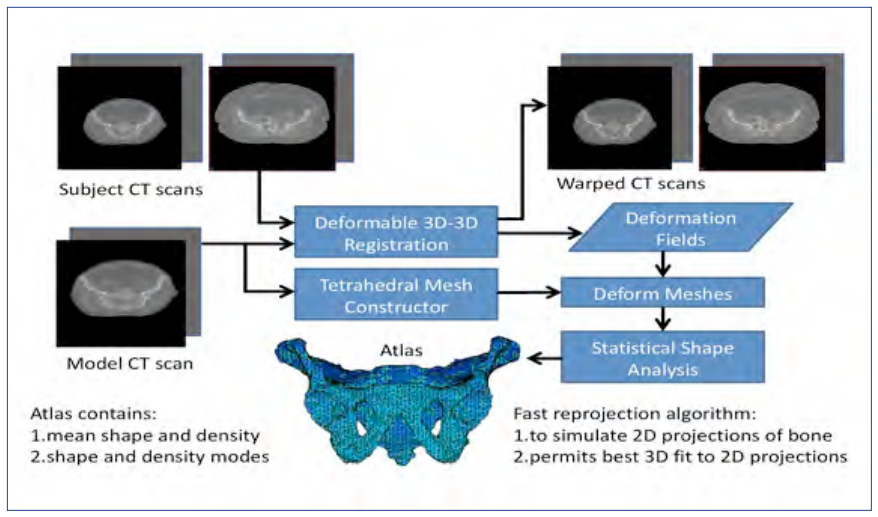
Figure 25. Figure 25: Atlas-based prostate biopsy strategies. information about the patient from the 2D images. However, the process requires training and considerable experience. The first step of the process is construction of the statistical atlas from CT images of multiple patients, as illustrated in [PITH_FULL_IMAGE:figures/full_fig_p055_25.png] view at source ↗
Figure 26
Figure 26. Figure 26: Atlas Construction Process than 50% of fractures occur in people who are not classified by areal BMD as osteoporotic. Better diagnostic tests are needed. It has been widely remarked by researchers and physicians that a deficiency of areal BMD is a two-dimensional measurement, neglecting the three-dimensional structure of the bone. While it is possible to measure volumetric BMD and three-dimensional struct… view at source ↗
Figure 27
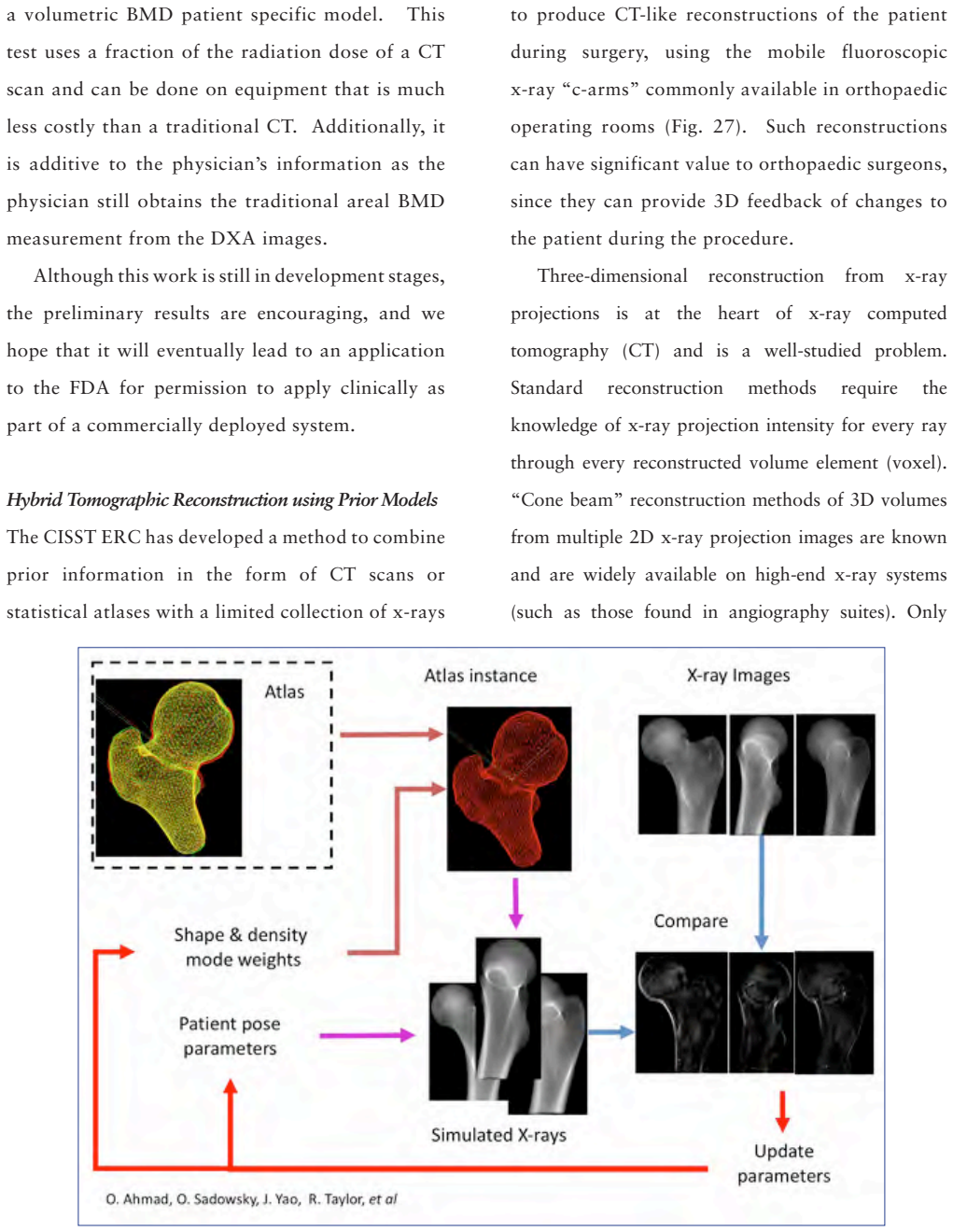
Figure 27. Figure 27: Deformable 2D-3D registration method a volumetric BMD patient specific model. This test uses a fraction of the radiation dose of a CT scan and can be done on equipment that is much less costly than a traditional CT. Additionally, it is additive to the physician’s information as the physician still obtains the traditional areal BMD measurement from the DXA images. Although this work is still in development… view at source ↗
Figure 28
Figure 28. Figure 28: Hybrid tomographic reconstruction from limited x-ray projection images and a prior CT scan of [PITH_FULL_IMAGE:figures/full_fig_p058_28.png] view at source ↗
Figure 29
Figure 29. Figure 29: X-Ray images of a dry pelvis bone taken with a mobile c-arm. Note image truncation [PITH_FULL_IMAGE:figures/full_fig_p058_29.png] view at source ↗
Figure 31
Figure 31. Figure 31: Hybrid reconstruction of x-ray and prior models. Top [PITH_FULL_IMAGE:figures/full_fig_p059_31.png] view at source ↗
Figure 32
Figure 32. Figure 32: (a) Guidance VFs and (b) Forbidden VFs [PITH_FULL_IMAGE:figures/full_fig_p060_32.png] view at source ↗
Figure 33
Figure 33. Figure 33: JHU SHR and da Vinci common physical fixture: a ruler. A straight line drawn by a human with the help of a ruler is drawn faster and straighter than a line drawn freehand. Similarly, a robot can apply forces or positions to a human operator to help him or her draw a straight line. However, a robot, or haptic device, has the additional flexibility to provide assistance of varying type, level, and geometry.… view at source ↗
Figure 34
Figure 34. Figure 34: Optimization-based virtual fixtures. A) Virtual fixtures for complex task steps can be [PITH_FULL_IMAGE:figures/full_fig_p062_34.png] view at source ↗
Figure 1
Figure 1. Figure 1: A haptic-feedback teleoperator [PITH_FULL_IMAGE:figures/full_fig_p063_1.png] view at source ↗
Figure 38
Figure 38. Figure 38: Suturing task for recognition and evaluation: (1) Retrieving [PITH_FULL_IMAGE:figures/full_fig_p064_38.png] view at source ↗
Figure 39
Figure 39. Figure 39: Intermediate (top) and expert (bottom) surgeon performing suturing [PITH_FULL_IMAGE:figures/full_fig_p064_39.png] view at source ↗
Figure 40
Figure 40. Figure 40: The state transition diagram for an expert (top) [PITH_FULL_IMAGE:figures/full_fig_p065_40.png] view at source ↗
Figure 42
Figure 42. Figure 42: Target and confirmation CTs in shoulder (top) and hip [PITH_FULL_IMAGE:figures/full_fig_p066_42.png] view at source ↗
Figure 41
Figure 41. Figure 41: James Zinreich, MD, performs a needle insertion experiment with the overlay device on a human cadaver and components. This creates a rather complex and expensive engineered system. The device developed at the CISST ERC consists of a flat LCD display and a half mirror, mounted on the gantry (see [PITH_FULL_IMAGE:figures/full_fig_p066_41.png] view at source ↗
Figure 43
Figure 43. Figure 43: Freehand strain images of elasticity breast phantom (using RF data). Our novel DP method, developed by investigators at the [PITH_FULL_IMAGE:figures/full_fig_p068_43.png] view at source ↗
Figure 44
Figure 44. Figure 44: CT (above) vs. US elastography (below) in elasticity phantom [PITH_FULL_IMAGE:figures/full_fig_p068_44.png] view at source ↗
Figure 45
Figure 45. Figure 45: Experimental setup and RF-image based speckle tracking of temperature shift [PITH_FULL_IMAGE:figures/full_fig_p069_45.png] view at source ↗
Figure 47
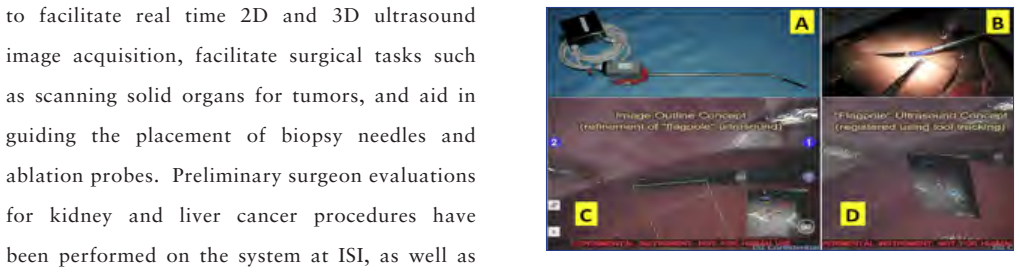
Figure 47. Figure 47: daVinci Ultrasound system: A) dexterous laparoscopic [PITH_FULL_IMAGE:figures/full_fig_p071_47.png] view at source ↗
Figure 48
Figure 48. Figure 48: Image-guided robot for small animal research [PITH_FULL_IMAGE:figures/full_fig_p072_48.png] view at source ↗
Figure 49
Figure 49. Figure 49: Rodent experiment at MSKCC; robot is inserting [PITH_FULL_IMAGE:figures/full_fig_p072_49.png] view at source ↗
Figure 50
Figure 50. Figure 50: Small Animal Radiation Research Platform. (Top) Basic [PITH_FULL_IMAGE:figures/full_fig_p073_50.png] view at source ↗
Figure 51
Figure 51. Figure 51: CIS System Architecture: elements and evolution [PITH_FULL_IMAGE:figures/full_fig_p074_51.png] view at source ↗
Figure 52
Figure 52. Figure 52: Representative SAW data flow each different robot. This abstraction layer allows researchers to develop portable software that is not dependent on a particular robot API. This will enable researchers to use the daVinci “master” manipulators to control other “patient side” manipulators. System architecture also includes the middleware that connects the major subsystems ( [PITH_FULL_IMAGE:figures/full_fig_… view at source ↗
Figure 53
Figure 53. Figure 53: Component-based design for task interfaces [PITH_FULL_IMAGE:figures/full_fig_p076_53.png] view at source ↗
Figure 54
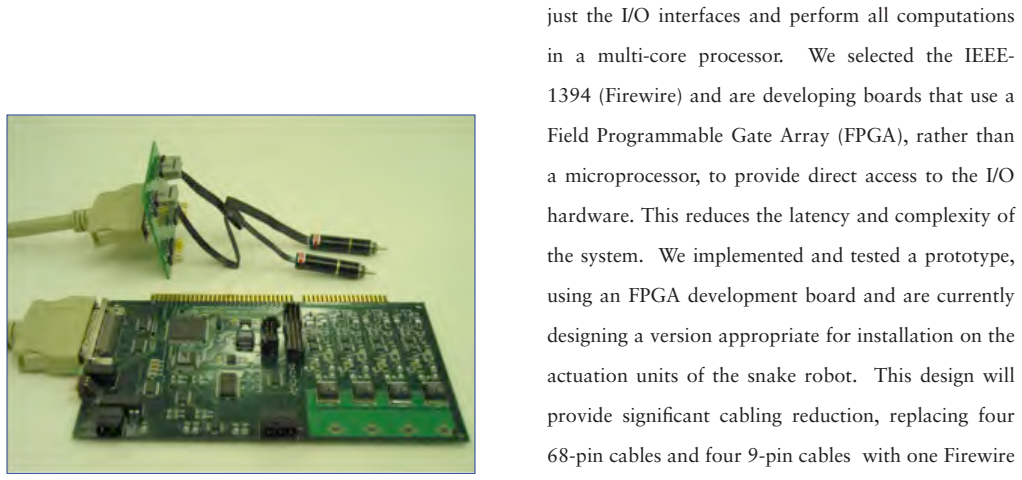
Figure 54. Figure 54: Low Power Motor Controller (LoPoMoCo) [PITH_FULL_IMAGE:figures/full_fig_p078_54.png] view at source ↗
Figure 55
Figure 55. Figure 55: Presentation of Research Information System to ERC [PITH_FULL_IMAGE:figures/full_fig_p078_55.png] view at source ↗
Figure 56
Figure 56. Figure 56: Development process and tools information for all ERCs. The initial focus is on scientific poster patterns since posters are a well-developed and frequently used mechanism for communicating scientific information. In particular, all ERCs generate a large number of posters per year, most often in conjunction with a major event such as a site visit or industry meeting. The project extends the concept of a s… view at source ↗
Figure 65
Figure 65. Figure 65: JHU President Bill Brody congratulates Ralph Etienne-Cummings on his Diversity Leadership Award • Professor Ralph Etienne-Cummings won Fulbright and Visiting African Fellowships to spend six months at the University of Cape Town (UCT), South Africa. He taught classes, advised students and conducted research with UCT faculty. Two of his UCT advisees have been admitted into the ECE Ph.D. program at JHU and … view at source ↗
Figure 67
Figure 67. Figure 67: Participation rate of female and under-represented (UR) minorities for undergraduates (UG), Masters and Doctoral students in the CISST [PITH_FULL_IMAGE:figures/full_fig_p105_67.png] view at source ↗
Figure 68
Figure 68. Figure 68: Direct sources of support including ERC core funding for each year of the CISST ERC. ERC core includes core [PITH_FULL_IMAGE:figures/full_fig_p106_68.png] view at source ↗
Figure 69
Figure 69. Figure 69: Shows cumulative total funds and culmulative residual funds [PITH_FULL_IMAGE:figures/full_fig_p107_69.png] view at source ↗
Figure 71
Figure 71. Figure 71: Distribution of CISST ERC funding by type of expenditures. Salaries and benefits include all ERC salaries, including student [PITH_FULL_IMAGE:figures/full_fig_p107_71.png] view at source ↗
Figure 72
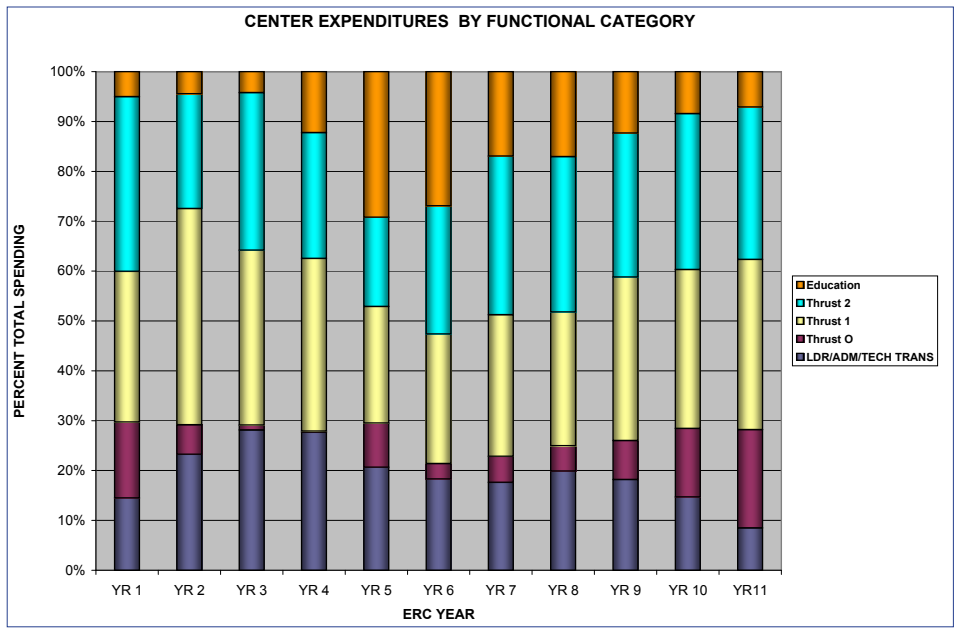
Figure 72. Figure 72: shows annual funding allocation to the various ERC functional groups. Expenses associated with Leadership, [PITH_FULL_IMAGE:figures/full_fig_p108_72.png] view at source ↗
Figure 73
Figure 73. Figure 73: Total support to each of the CISST ERC functional [PITH_FULL_IMAGE:figures/full_fig_p108_73.png] view at source ↗
Figure 75
Figure 75. Figure 75: The history of CISST ERC funding under Cooperative Agreement # EEC 9731748. In total the [PITH_FULL_IMAGE:figures/full_fig_p109_75.png] view at source ↗
Figure 76
Figure 76. Figure 76: Detail of sources of sponsored funding for the Laboratory for Computational [PITH_FULL_IMAGE:figures/full_fig_p109_76.png] view at source ↗
read the original abstract

In the last ten years, medical robotics has moved from the margins to the mainstream. Since the Engineering Research Center for Computer-Integrated Surgical Systems and Technology was Launched in 1998 with National Science Foundation funding, medical robots have been promoted from handling routine tasks to performing highly sophisticated interventions and related assignments. The CISST ERC has played a significant role in this transformation. And thanks to NSF support, the ERC has built the professional infrastructure that will continue our mission: bringing data and technology together in clinical systems that will dramatically change how surgery and other procedures are done. The enhancements we envision touch virtually every aspect of the delivery of care: - More accurate procedures - More consistent, predictable results from one patient to the next - Improved clinical outcomes - Greater patient safety - Reduced liability for healthcare providers - Lower costs for everyone - patients, facilities, insurers, government - Easier, faster recovery for patients - Effective new ways to treat health problems - Healthier patients, and a healthier system The basic science and engineering the ERC is developing now will yield profound benefits for all concerned about health care - from government agencies to insurers, from clinicians to patients to the general public. All will experience the healing touch of medical robotics, thanks in no small part to the work of the CISST ERC and its successors.

Editorial analysis

A structured set of objections, weighed in public.

Desk editor's note, referee report, simulated authors' rebuttal, and a circularity audit. Tearing a paper down is the easy half of reading it; the pith above is the substance, this is the friction.

Referee Report

1 major / 1 minor

Summary. The manuscript is the final report for the NSF-funded Engineering Research Center for Computer-Integrated Surgical Systems and Technology (CISST ERC, 1998–present). It asserts that the center has played a significant role in transitioning medical robotics from routine tasks to sophisticated clinical interventions and enumerates broad future benefits to healthcare (accuracy, consistency, safety, cost reduction, recovery times, and new treatments) that will result from the ERC's work and its successors.

Significance. If the high-level narrative of infrastructure-building and field transition were supported by concrete project outcomes, this could serve as a useful archival summary of an NSF ERC's contributions to medical robotics. As written, however, the document offers no technical content, data, or traceable results that would allow assessment of significance within the robotics literature.

major comments (1)
  1. [Abstract and main text] Abstract and body text: The repeated claim that the CISST ERC 'has played a significant role' in moving medical robotics to the mainstream and that the enumerated benefits (more accurate procedures, improved outcomes, lower costs, greater safety, etc.) will be realized is unsupported by any quantitative results, cited studies, project-specific metrics, or references to ERC deliverables. These statements function as promotional assertions rather than substantiated conclusions.
minor comments (1)
  1. [Title] Title: The phrase 'Computer-Integrated' is duplicated ('Center for Computer-Integrated Computer-Integrated Surgical Systems and Technology').

Simulated Author's Rebuttal

1 responses · 0 unresolved

We thank the referee for their review of this final report on the CISST ERC. The document is a high-level archival summary of the center's contributions and vision, prepared for a broad audience as part of NSF ERC reporting requirements. We address the concerns below and note where revisions can strengthen the manuscript.

read point-by-point responses
  1. Referee: [Abstract and main text] Abstract and body text: The repeated claim that the CISST ERC 'has played a significant role' in moving medical robotics to the mainstream and that the enumerated benefits (more accurate procedures, improved outcomes, lower costs, greater safety, etc.) will be realized is unsupported by any quantitative results, cited studies, project-specific metrics, or references to ERC deliverables. These statements function as promotional assertions rather than substantiated conclusions.

    Authors: We agree that the current text presents claims at a high level without quantitative metrics, specific citations, or project-level data. This reflects the purpose of an NSF ERC final report, which prioritizes broad impacts and infrastructure-building for stakeholders beyond the technical robotics community. However, to better support the narrative as an archival record, we will revise the manuscript to add references to key CISST ERC publications and documented outcomes (e.g., contributions to systems like the da Vinci platform and associated clinical studies on precision and safety). This will provide traceable links to deliverables without altering the report's overall scope. revision: yes

Circularity Check

0 steps flagged

No significant circularity in descriptive administrative report

full rationale

This is a final NSF ERC administrative report summarizing activities and high-level claimed impacts of the CISST center. It contains no equations, derivations, models, predictions, or technical hypotheses whose validity could be isolated and tested for circular reduction. The narrative attributes mainstreaming of medical robotics and lists future benefits (accuracy, safety, cost reduction) to the center's work, but these are summary assertions without embedded self-definitional steps, fitted inputs renamed as predictions, or load-bearing self-citation chains. The document is self-contained as descriptive text with no derivation chain to analyze.

Axiom & Free-Parameter Ledger

0 free parameters · 0 axioms · 0 invented entities

The report contains no mathematical derivations, fitted parameters, or new postulates; it relies entirely on high-level descriptive statements about the center's role and future vision.

pith-pipeline@v0.9.0 · 5567 in / 1068 out tokens · 56636 ms · 2026-05-10T20:09:17.901658+00:00 · methodology

discussion (0)

Sign in with ORCID, Apple, or X to comment. Anyone can read and Pith papers without signing in.

Reference graph

Works this paper leans on

6 extracted references · 6 canonical work pages

  1. [1]

    Currently offered, ongoing courses with ERC content

    luster/Thrust Engineering and Systems Infrastructure Cluster/Thrust Leader Peter Kazanzides Project Leader Investigators (name, department, academic institution) Disciplines Involved Number of Students and Post Docs Current Award Year Budget Proposed Award Year Budget Center-controlled Projects Intelligent Management Kazanzides Peter Kazanzides Computer S...

  2. [2]

    Fig. A40 Web Tables Faculty Doctoral Masters Undergraduate Leadership Team 11.8% 20.8% 22.4% 18.1% N/A 23.54% 29.64% 30.35% 36.28% 28.80% * - The Leadership Team Includes - Directors, Thrust Leaders, Education Program Leaders ** - Faculty Includes - Directors, Thrust Leaders, Education Program Leaders, Research - Senior Faculty, Research - Junior Faculty,...

  3. [3]

    Fig. A45 A173 Table 8: Functional Budget Engineering and Systems Infrastructure $220,344 $0 $0 $0 $0 $65,166 $0 $285,510 $522,897 $808,407 Surgical Assistants $156,325 $49,655 $0 $0 $51,742 $4,732 $0 $262,454 $842,698 $1,105,152 Surgical CAD/CAM $80,768 $119,073 $0 $77,792 $0 $118,271 $112,201 $508,105 $464,246 $972,351 Research Total $457,437 $168,728 $0...

  4. [4]

    2 - No Residual amounts are included in the Cumulative Total column because the funds are by definition included in the year in which they were received

    1 - For Centers in operation for more than five years. 2 - No Residual amounts are included in the Cumulative Total column because the funds are by definition included in the year in which they were received. 3 - Cash Total = The sum of Unrestricted Cash, Restricted Cash, and Residual Funds for a particular NSF Award Year, but NOT Indirect Support for Ass...

  5. [5]

    These funds require permission for rebudgeting

    $214,160 of the residual is from unused participant support costs and special purpose supplements over the life of the award. These funds require permission for rebudgeting. Fig. A48 A175 Table 10: Annual Expenditures and Budgets Expenses Proposed and Residual Budget Early Cumulative Total* Sep 01, 2004 - Aug 31, 2005 Expend. Sep 01, 2005 - Aug 31, 2006 E...

  6. [6]

    These funds require permission for rebudgeting

    $214,160 of the residual is from unused participant support costs and special purpose supplements over the life of the award. These funds require permission for rebudgeting. Fig. A49 Sponsored Sponsored Sponsored Projects Projects Projects Acoustic Medical Systems $0 $14,437 $132,332 American Shared Hospital Service $10,000 $0 $0 $0 $0 $0 $0 BCRF $24,284 ...