Decoding Naturalistic Emotion Dynamics from the Brain: An LLM-Enhanced Regression Framework
Pith reviewed 2026-06-27 22:26 UTC · model grok-4.3
The pith
Dynamic functional connectivity snapshots from fMRI track continuous, overlapping emotional trajectories more accurately than static region amplitudes.
A machine-rendered reading of the paper's core claim, the machinery that carries it, and where it could break.
Core claim
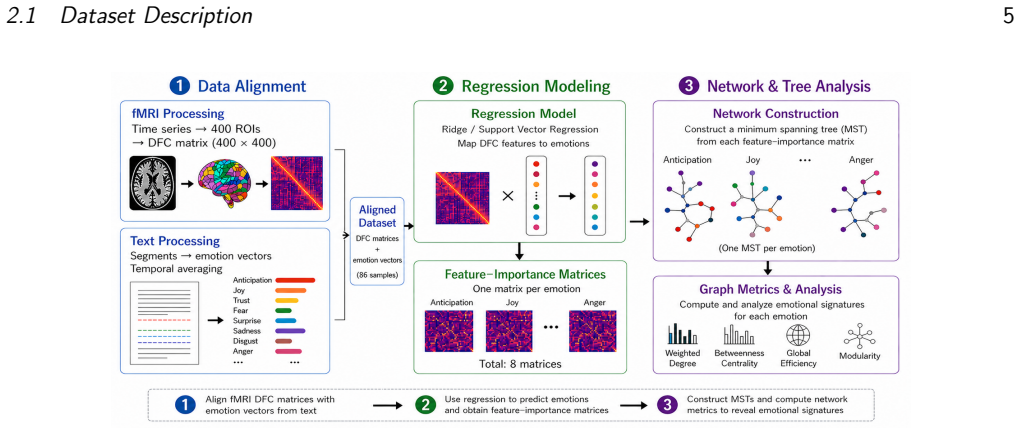
Regularized and kernel-based machine learning algorithms applied to temporal snapshots of dynamic functional connectivity can continuously estimate the magnitude of multiple overlapping emotional dimensions during naturalistic narrative listening, outperforming static ROI representations and revealing emotion-specific topological configurations through graph-theoretical XAI.
What carries the argument
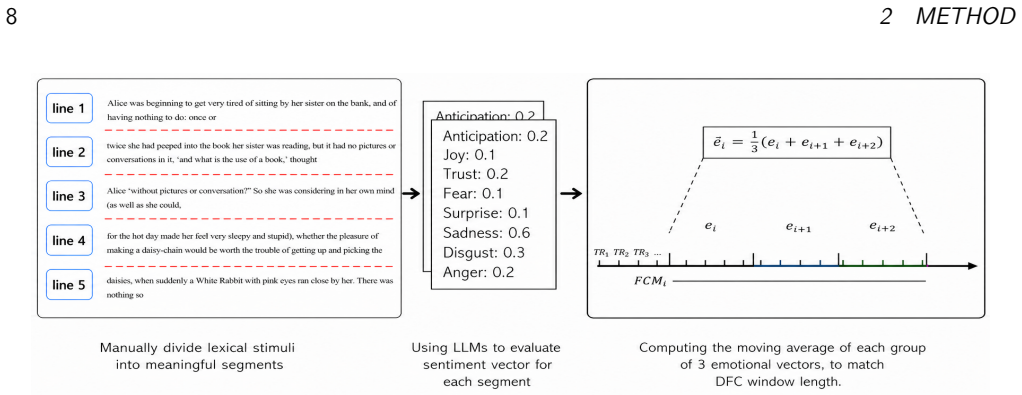
Temporal snapshots of Dynamic Functional Connectivity (DFC) supplied as input features to continuous regression estimators whose targets are LLM-derived sentiment profiles.
If this is right
- Continuous multi-dimensional emotion trajectories become decodable from brain data under rapidly changing naturalistic input.
- Distributed network dynamics explain more variance in emotional states than location-specific amplitude measures.
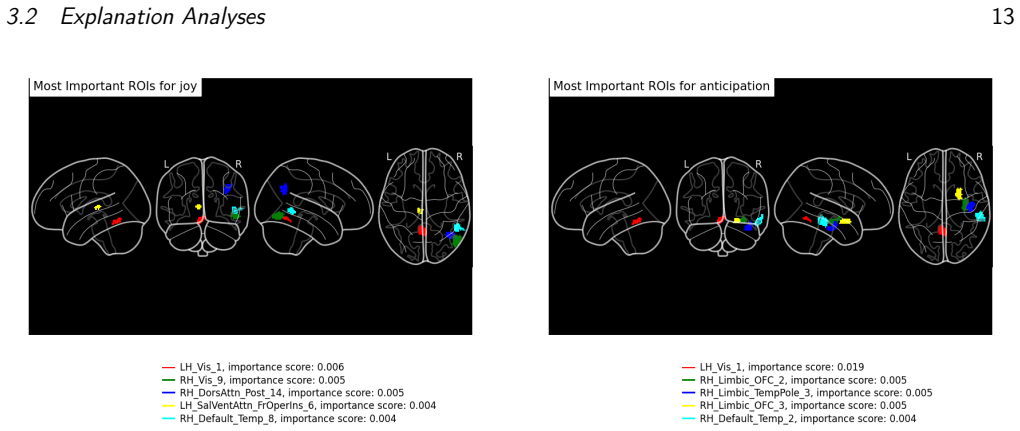
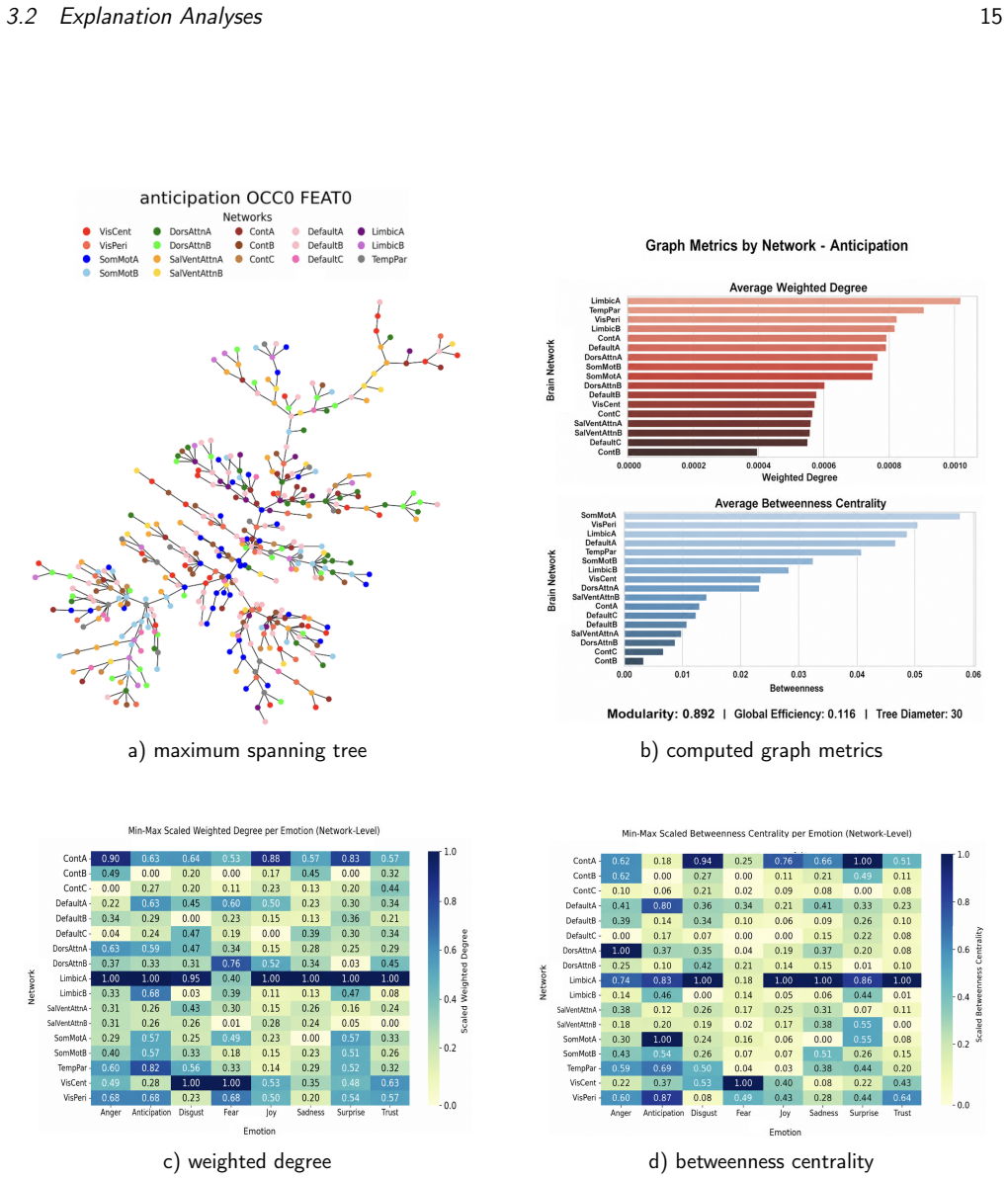
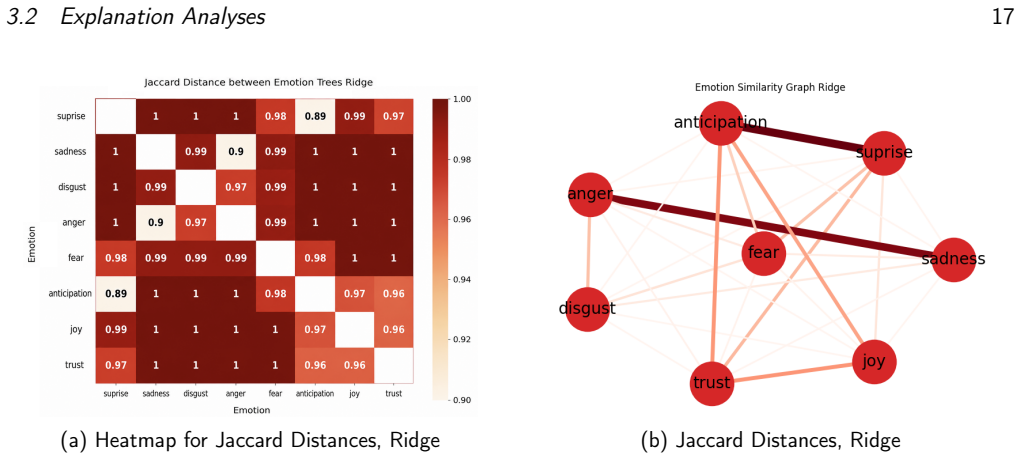
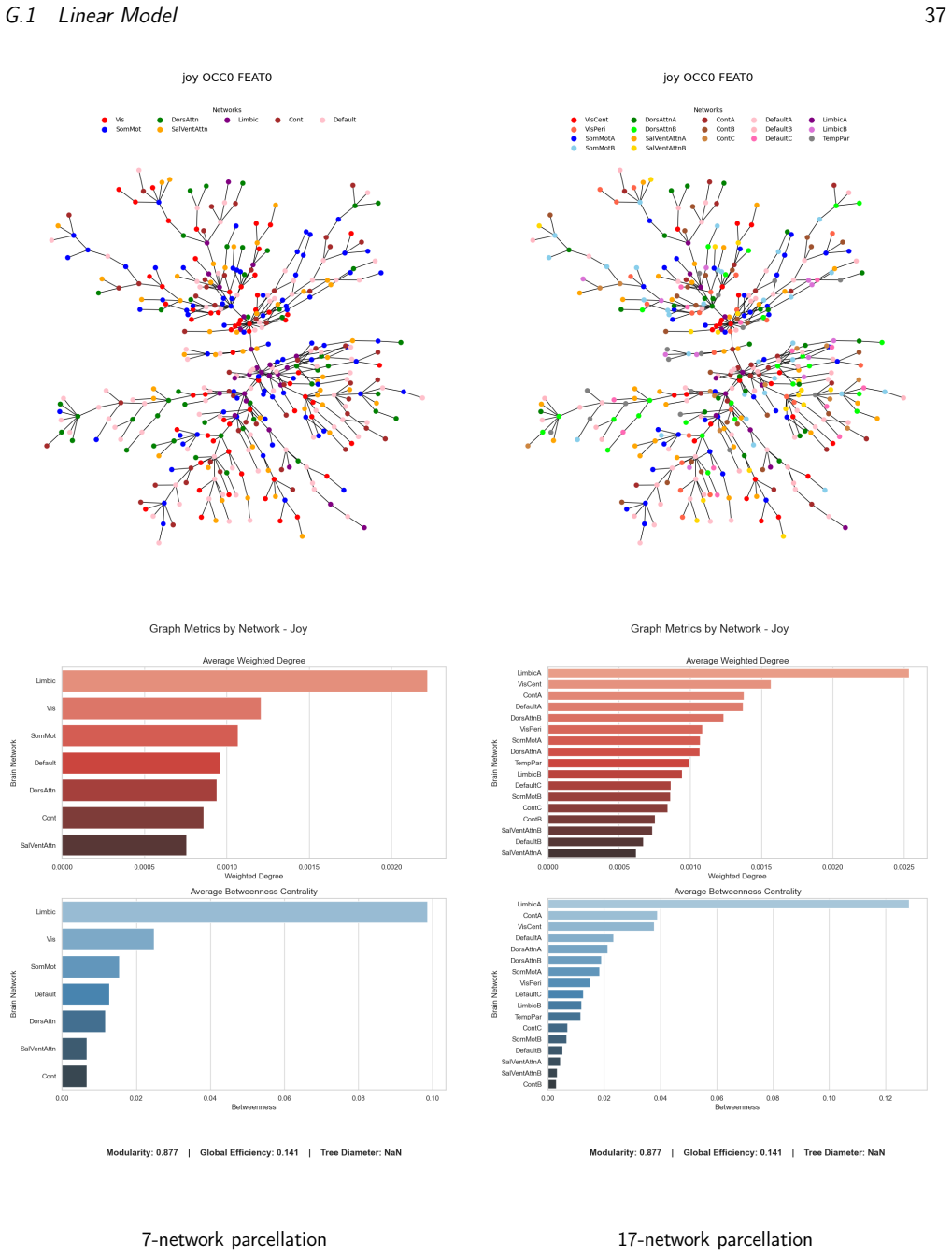
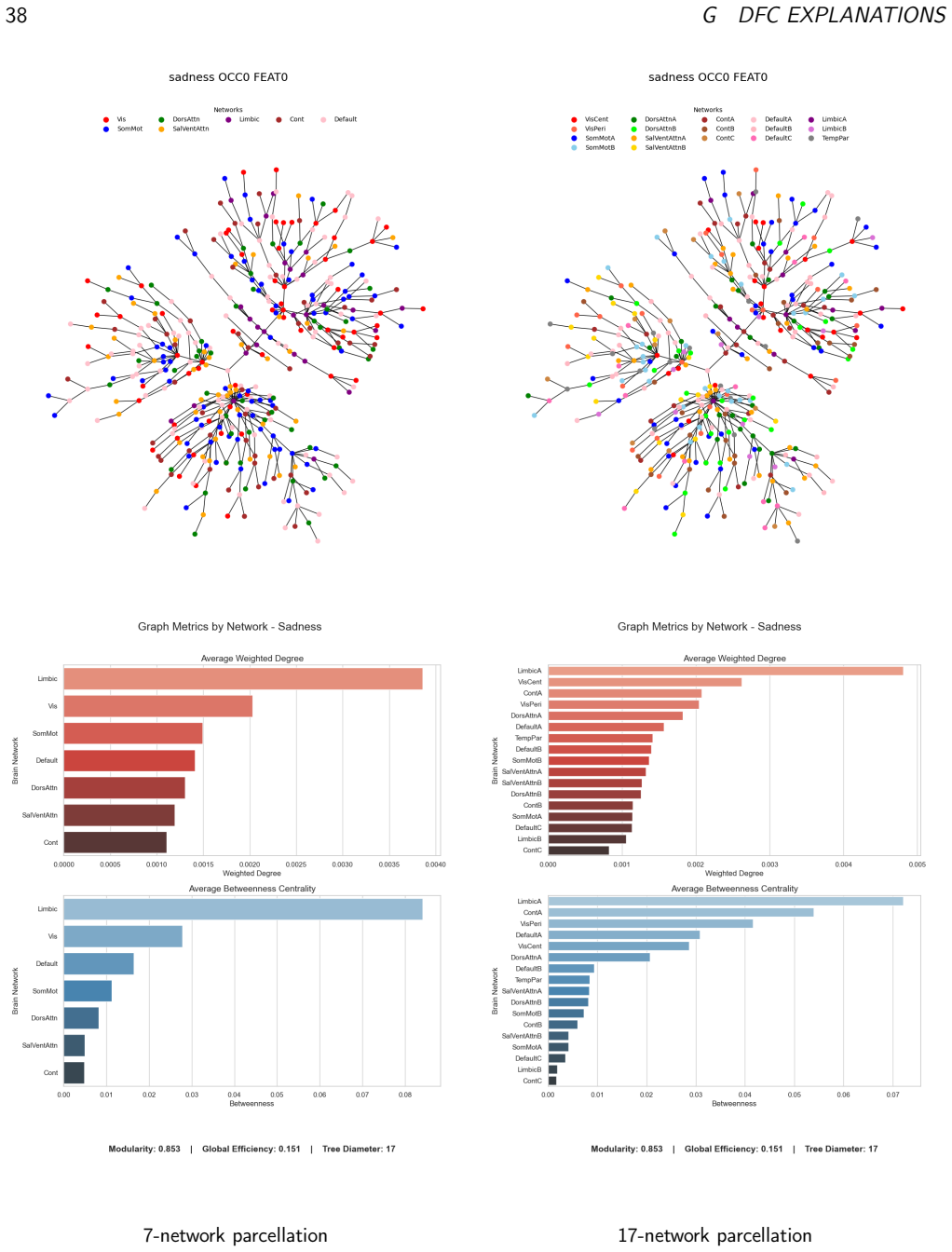
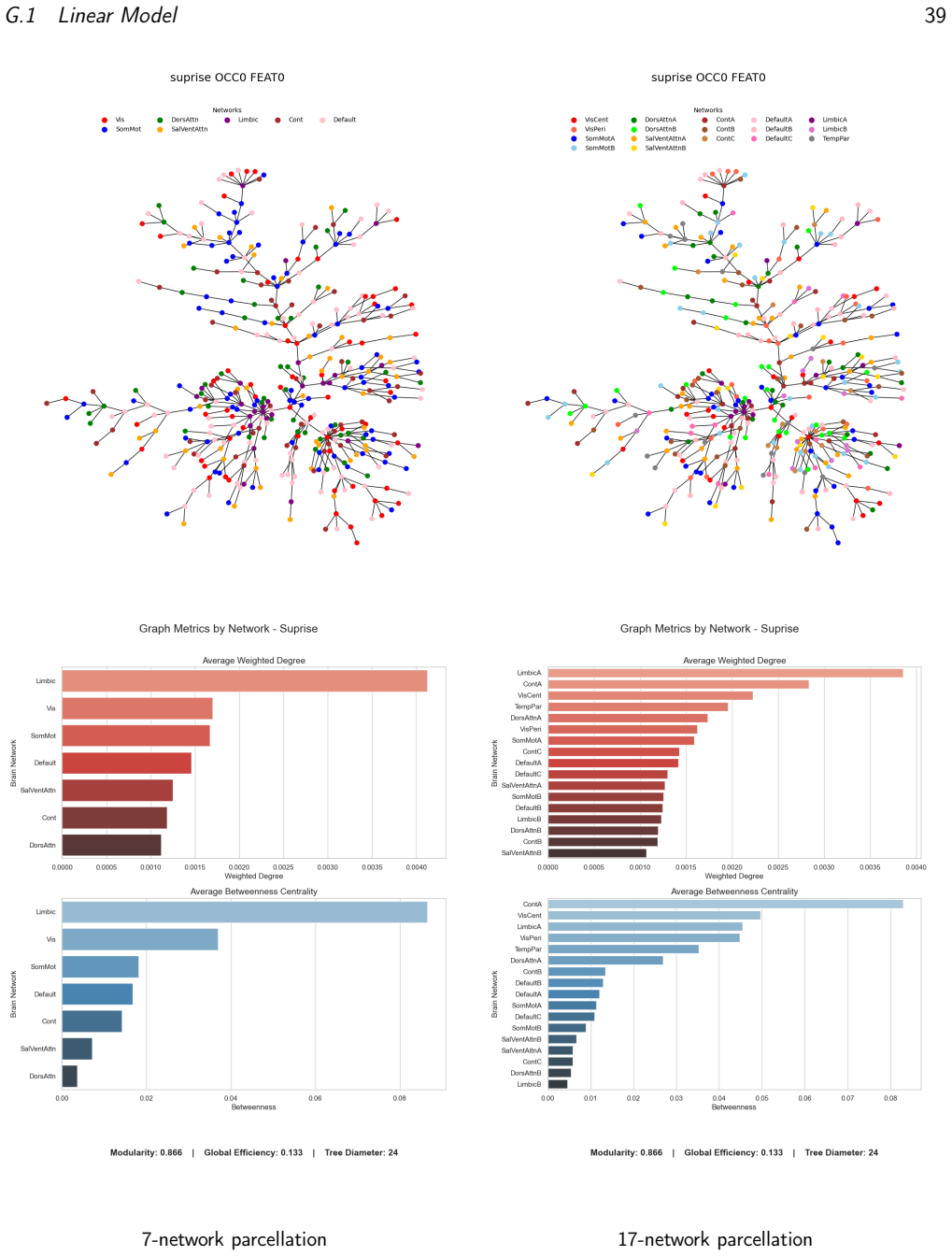
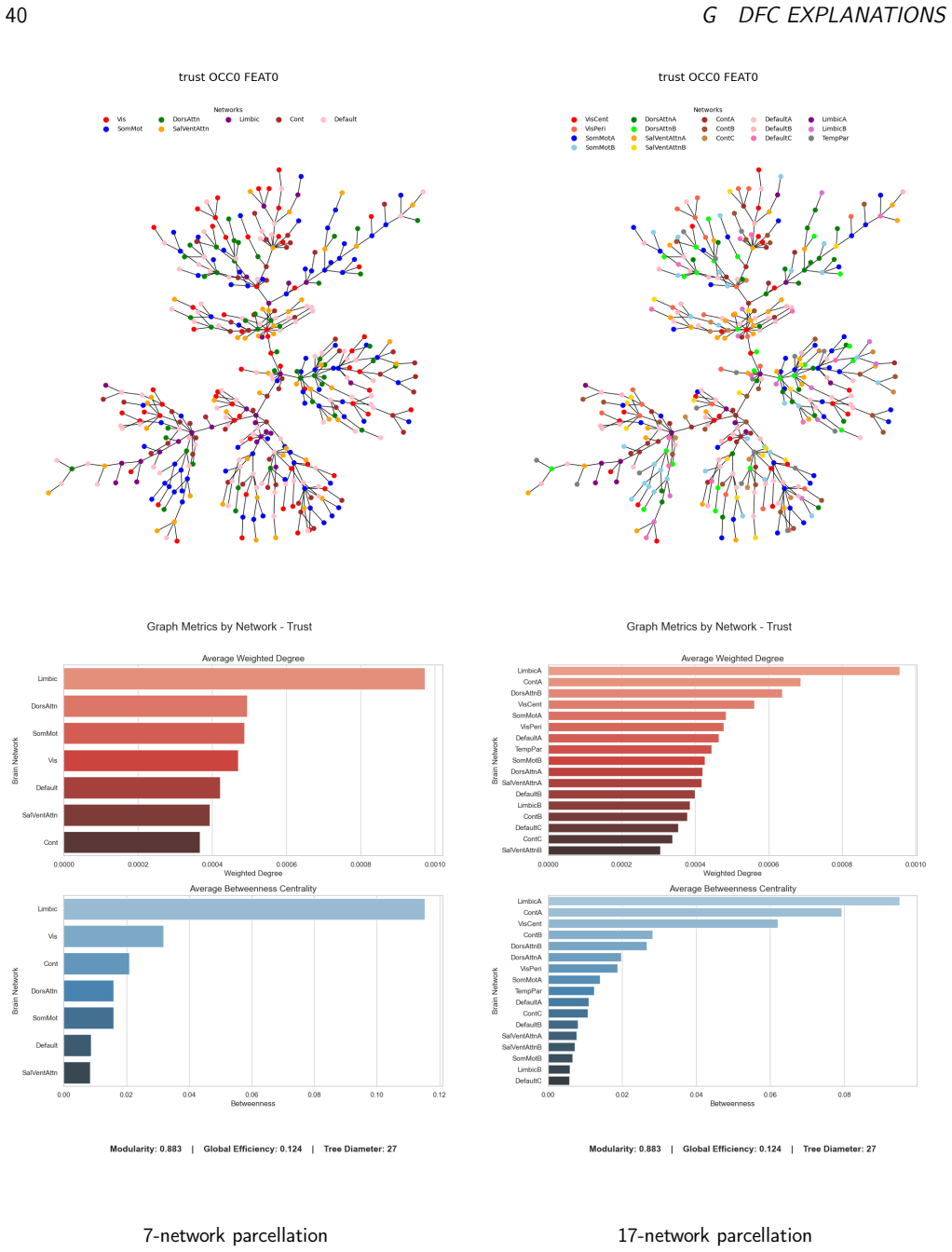
- Graph XAI techniques can isolate interpretable, emotion-specific topological configurations in macroscale brain networks.
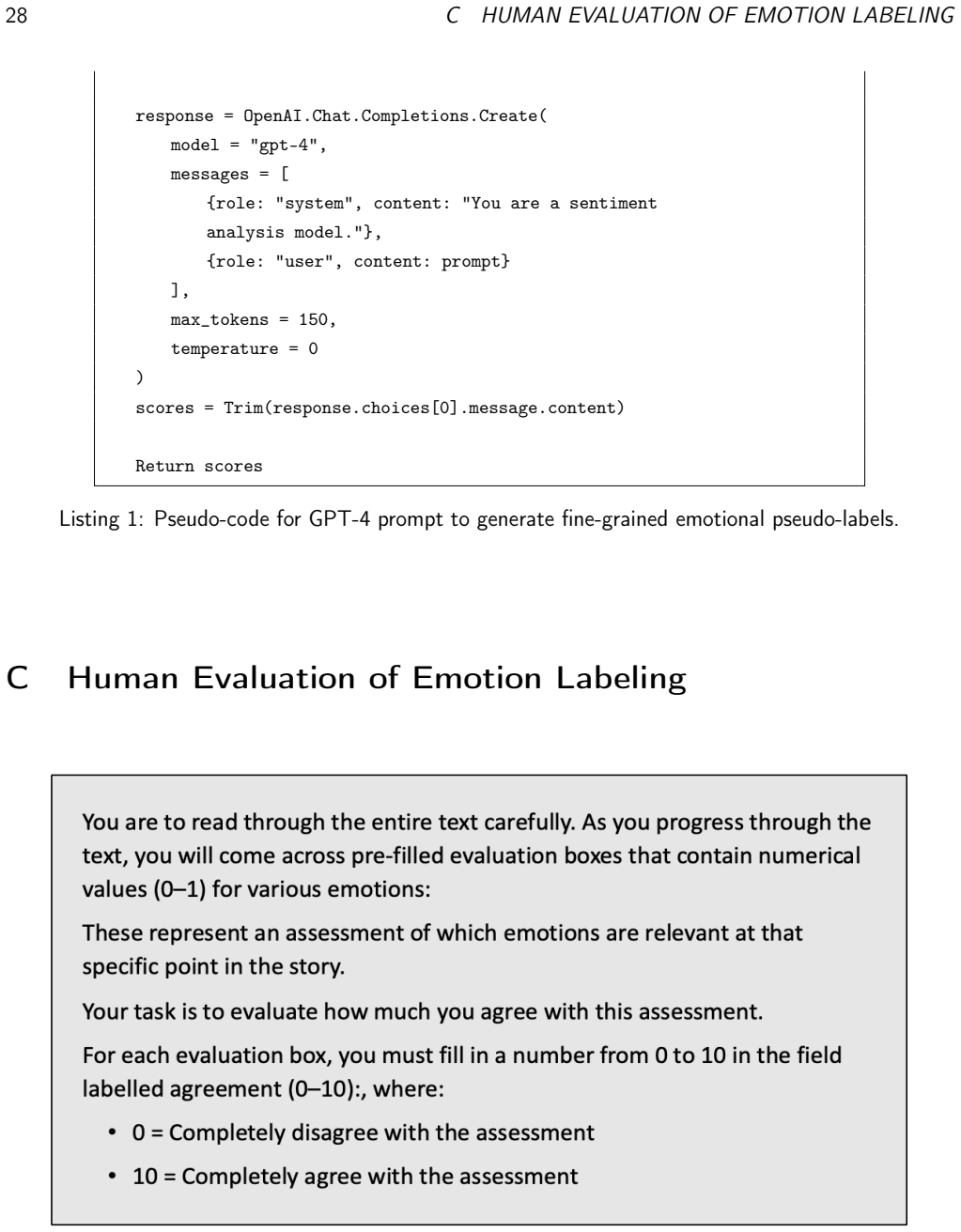
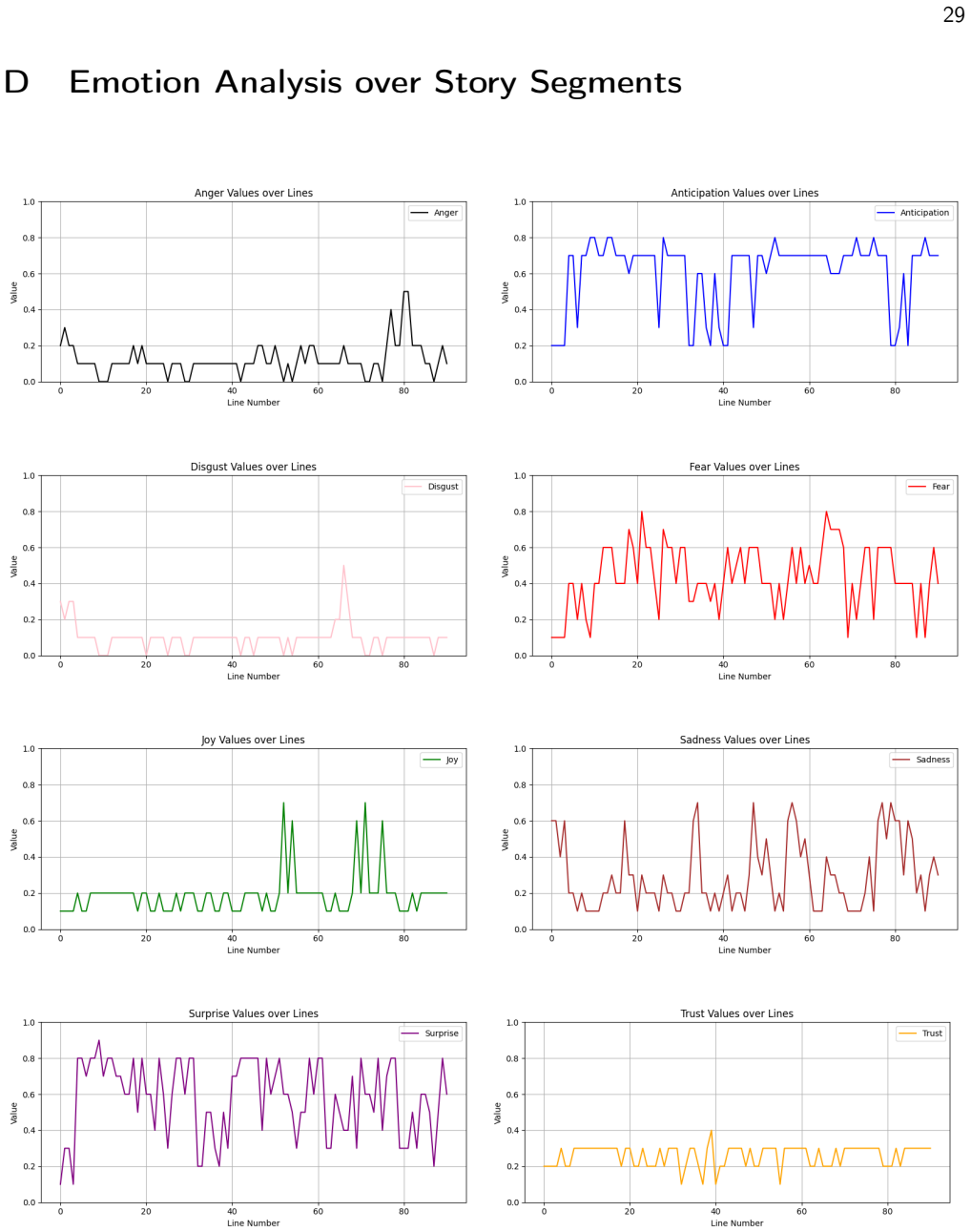
- LLM-automated annotation supplies scalable labels for affective neuroscience experiments that use naturalistic stimuli.
Where Pith is reading between the lines
- The same regression approach could be tested on other continuous cognitive or perceptual states beyond emotion.
- Superior performance of DFC patterns might generalize to predicting behavioral or physiological markers outside the scanner.
- Network configurations identified by the XAI step could be examined for stability across different narratives or participant groups.
Load-bearing premise
Fine-grained continuous sentiment profiles extracted by LLMs from the narrative serve as accurate proxies for the subjective emotional experiences of the human participants.
What would settle it
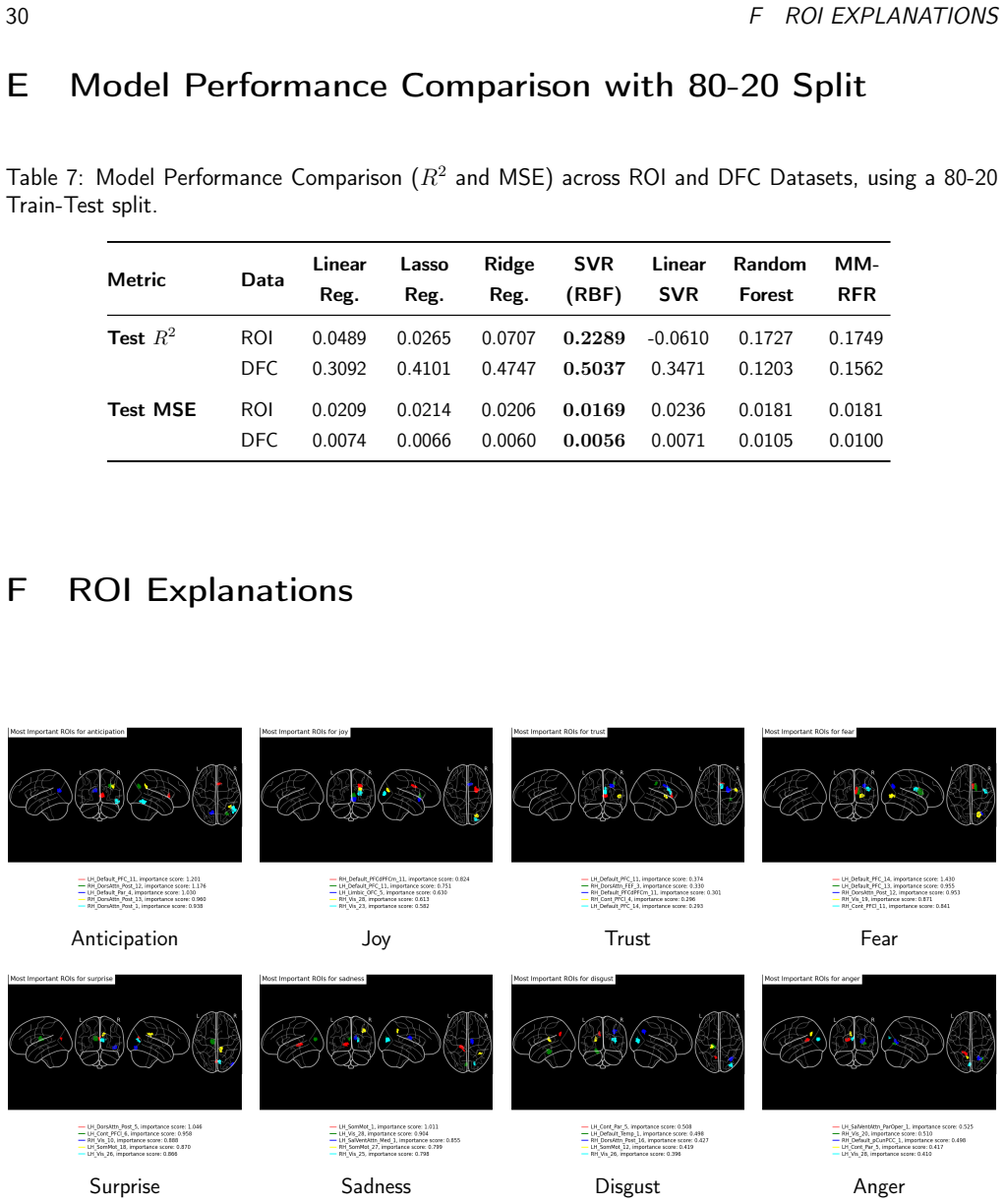
If models using DFC snapshots fail to outperform static ROI models when both are validated against actual continuous self-ratings collected from the same participants listening to the narrative.
Figures
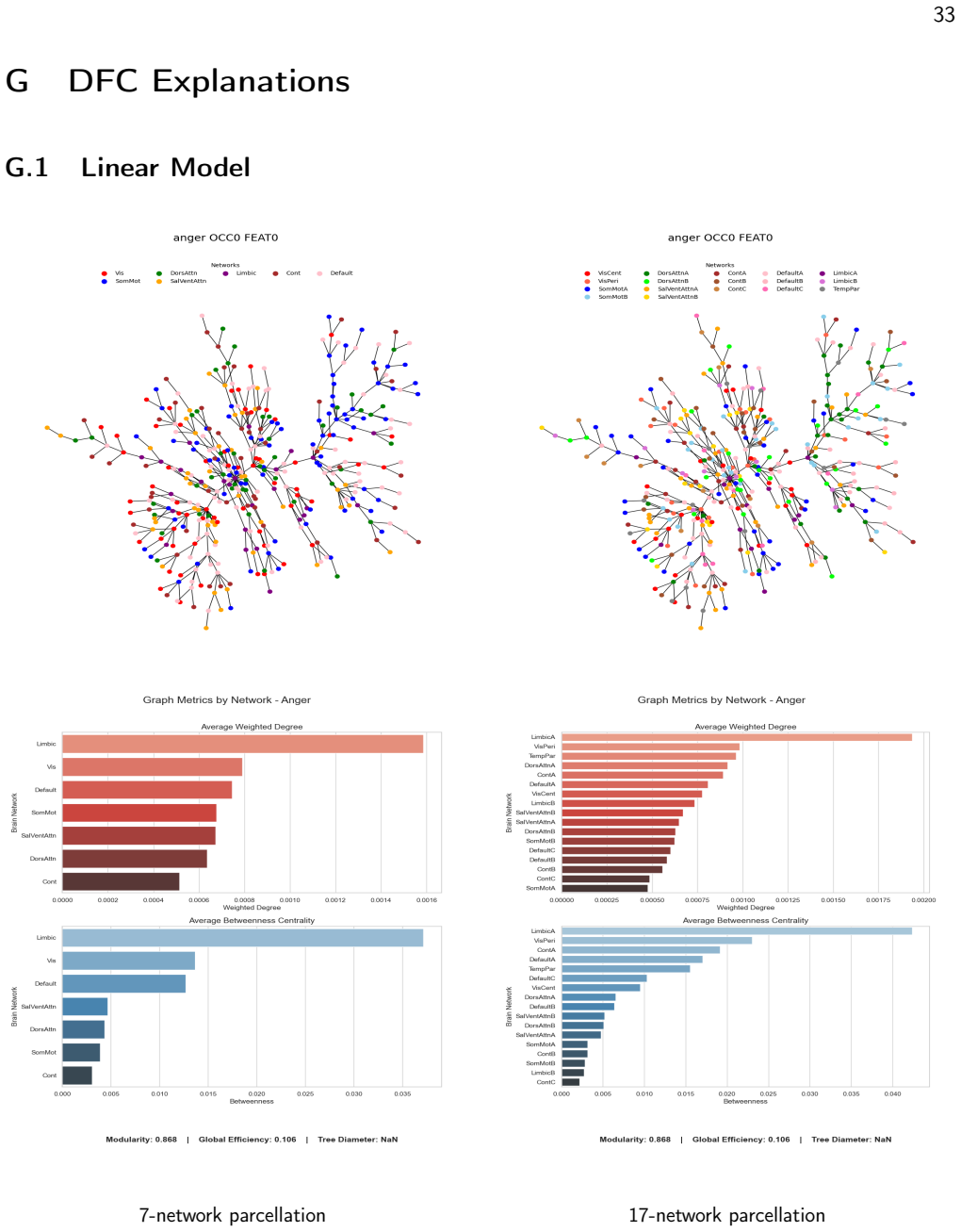
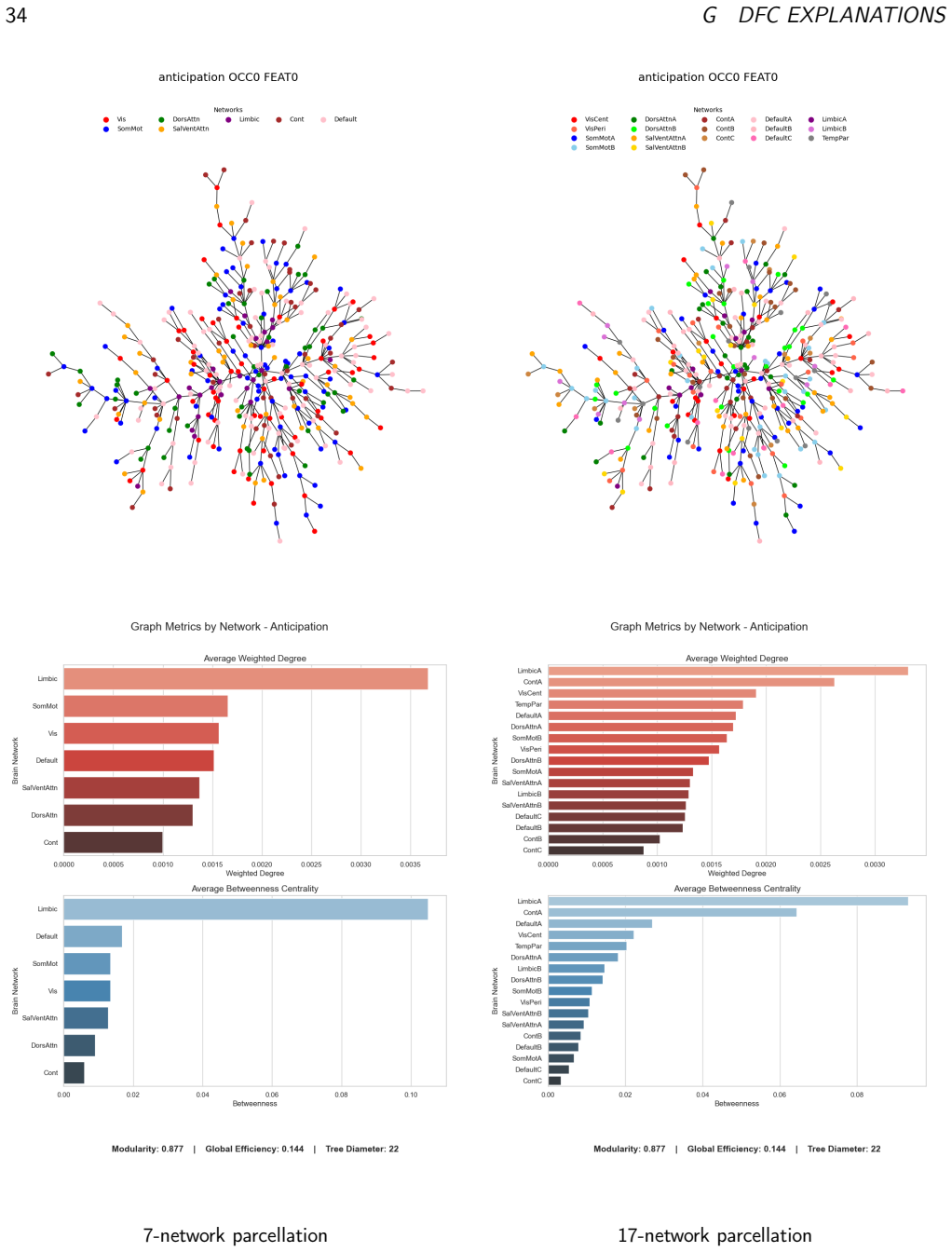
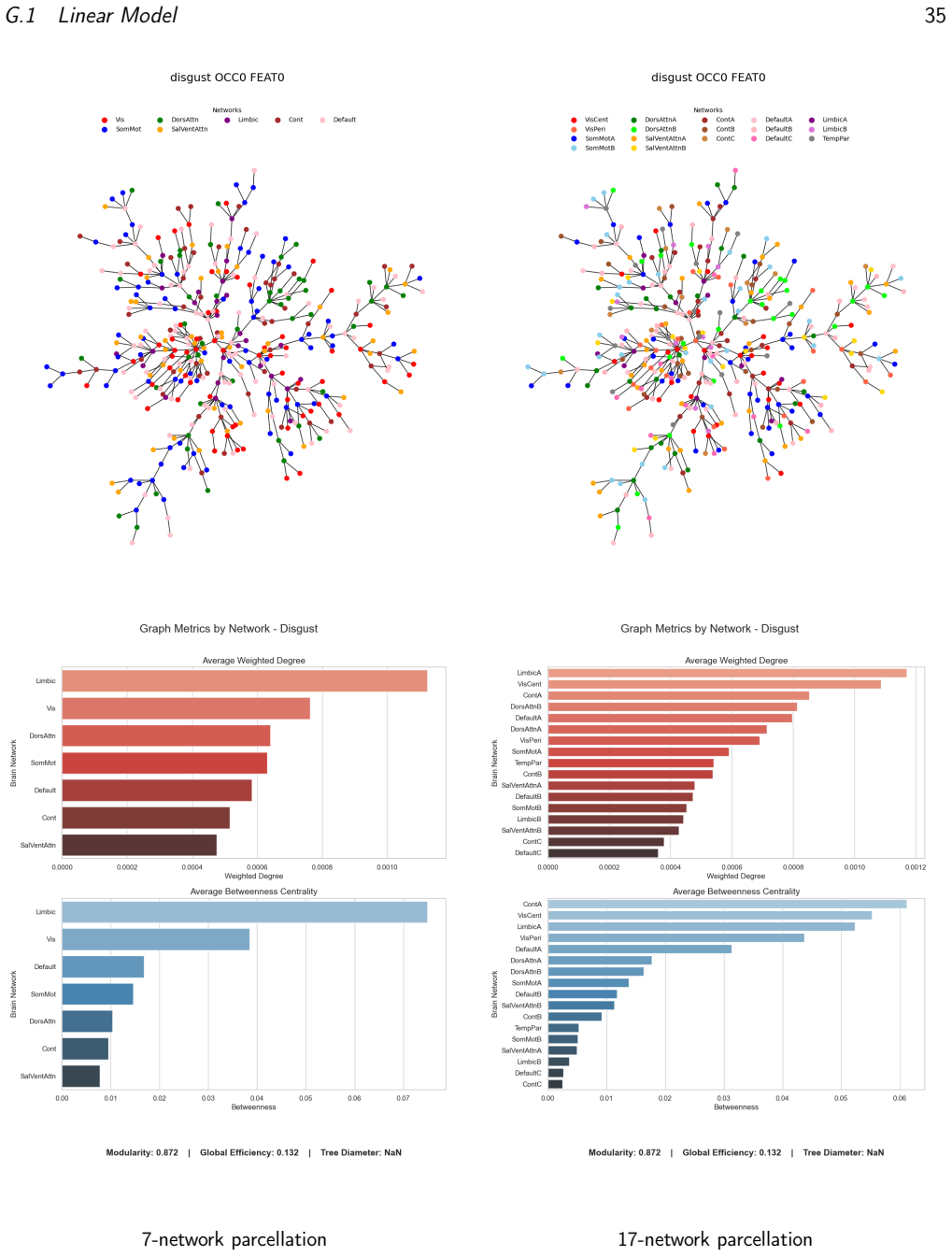
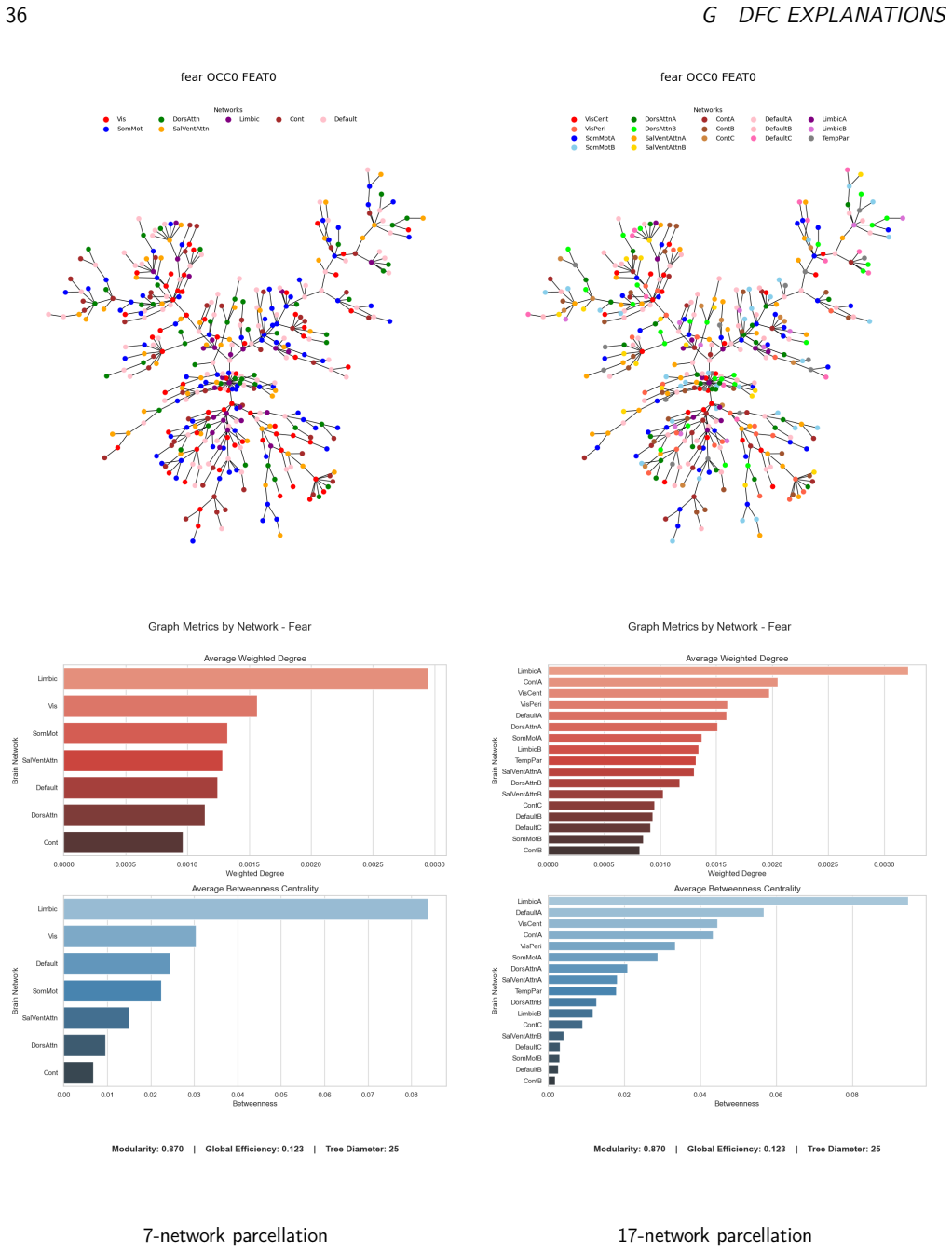
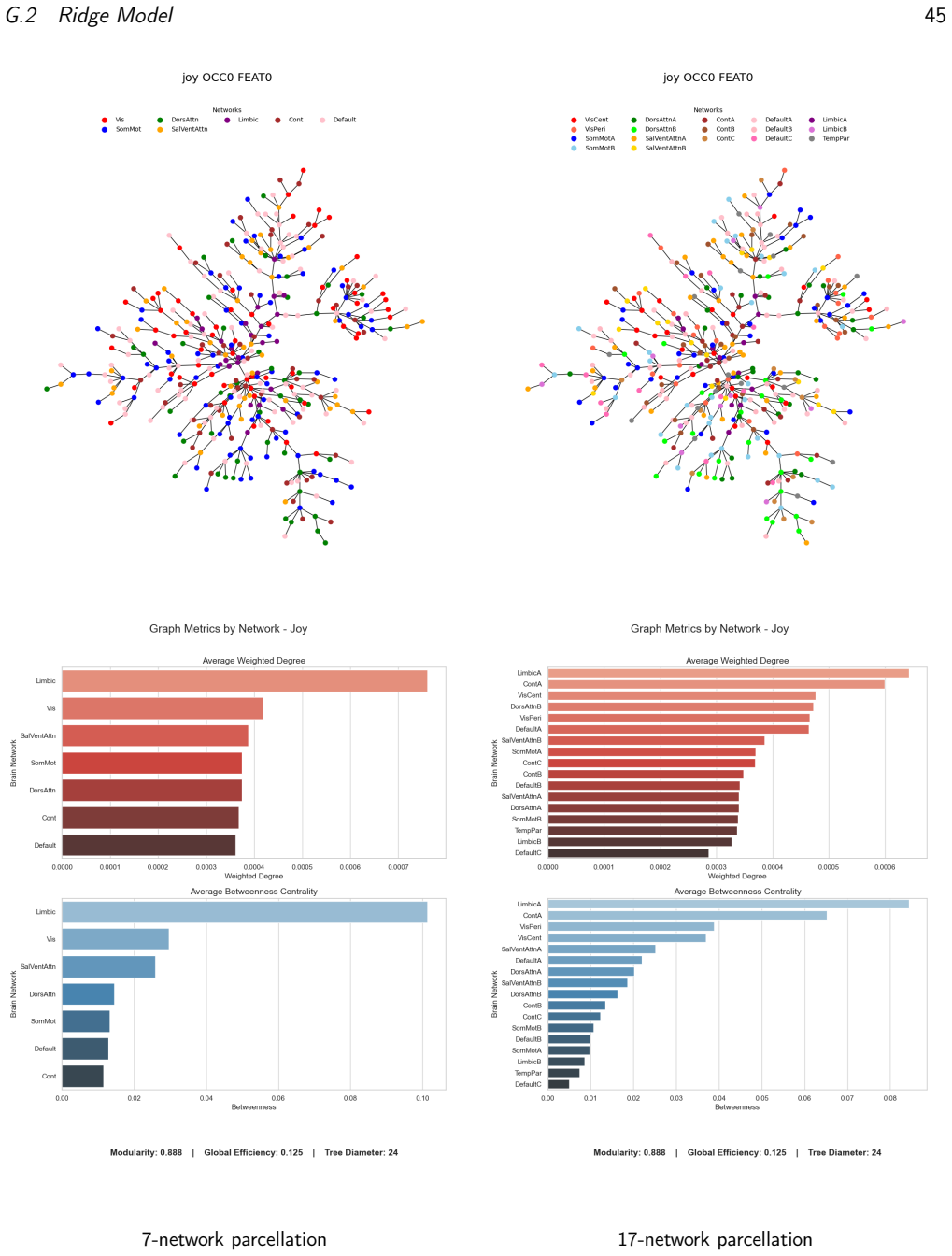
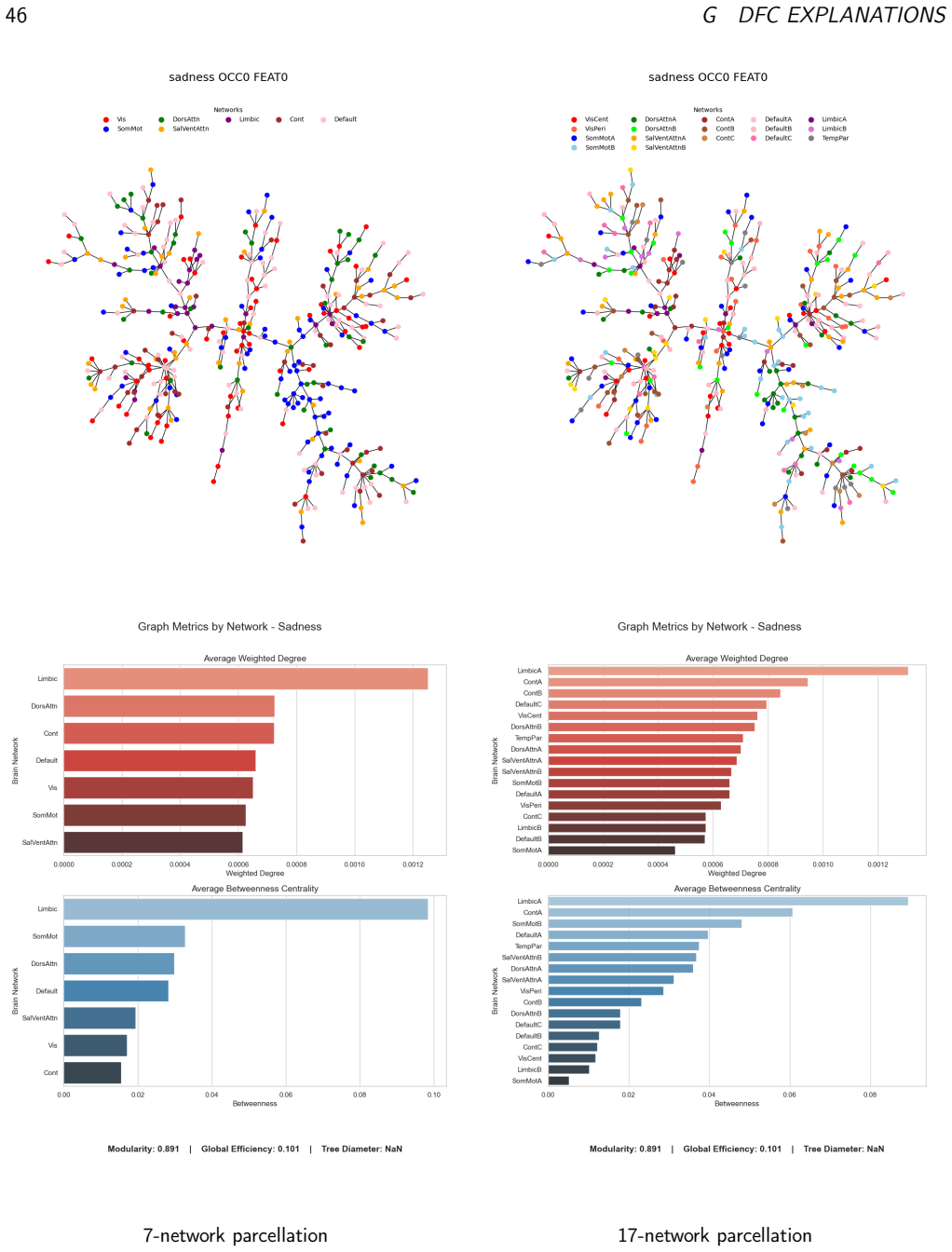
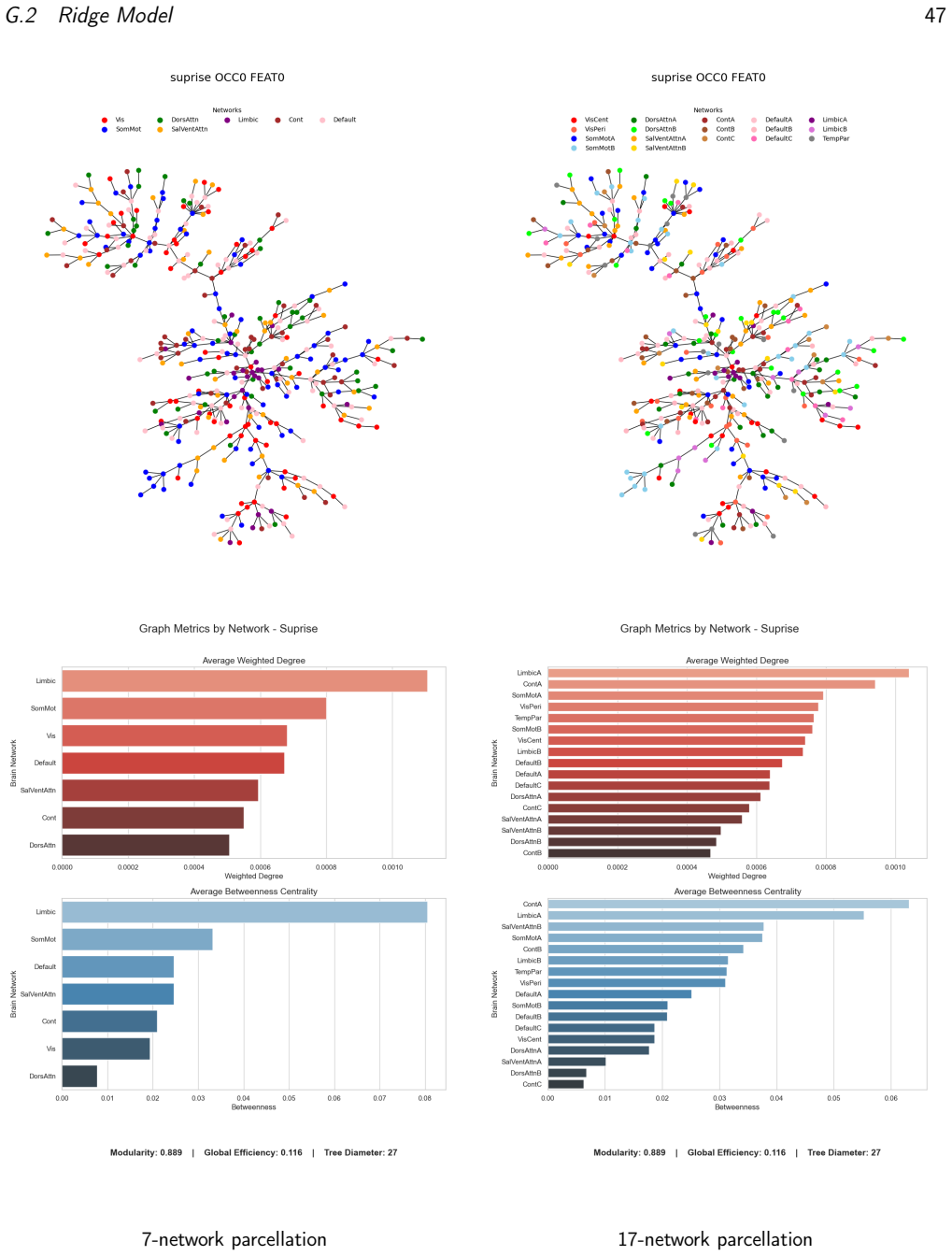
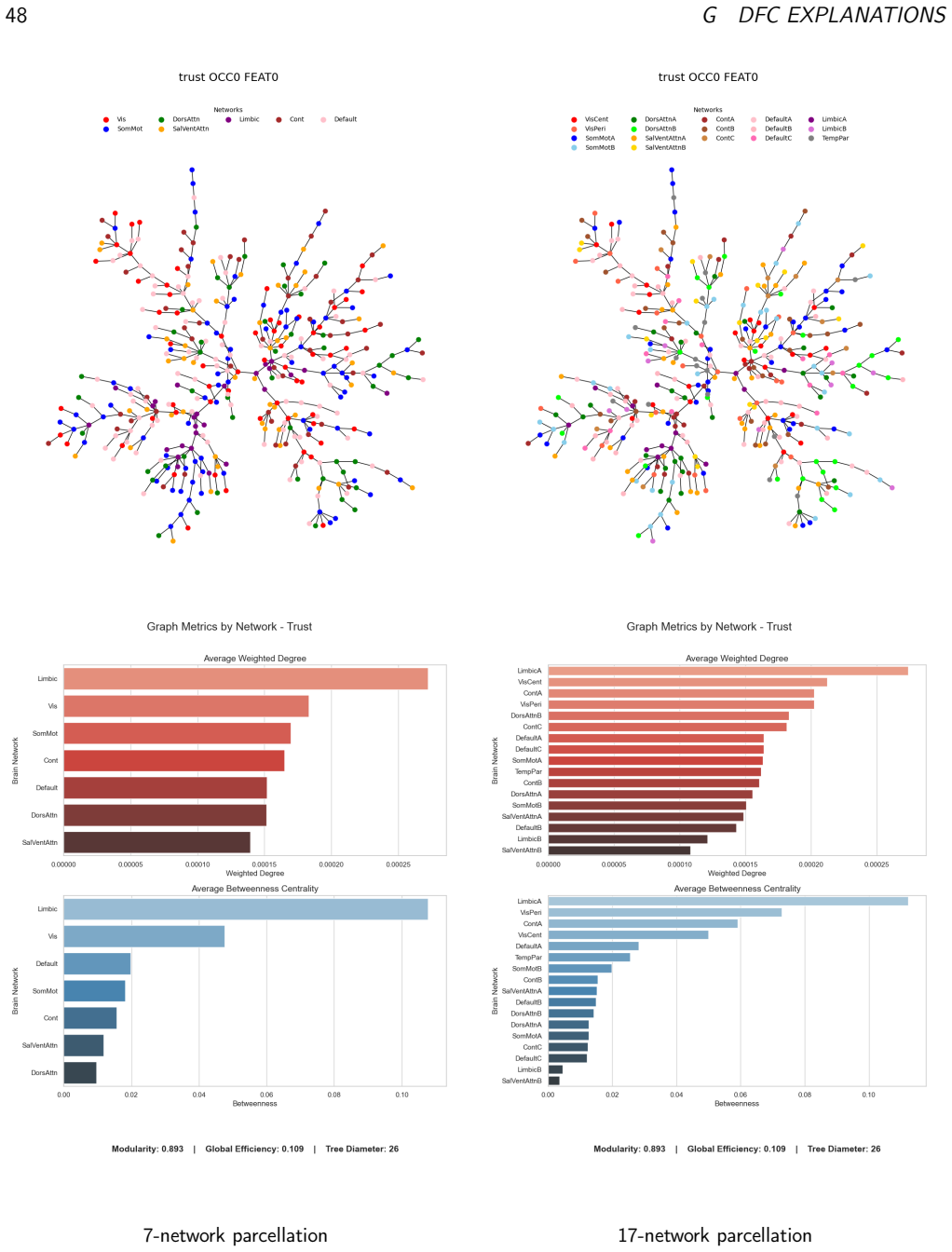
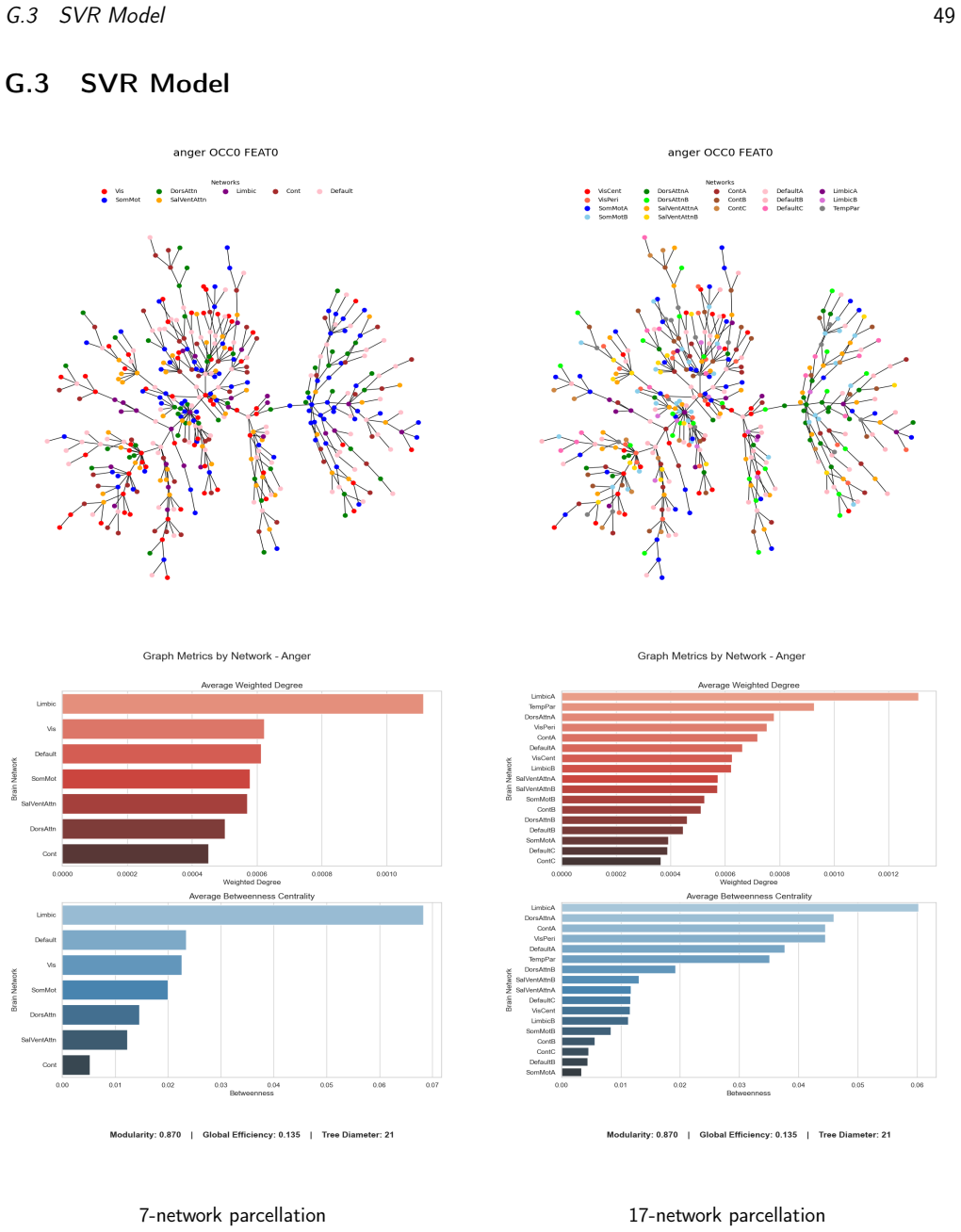
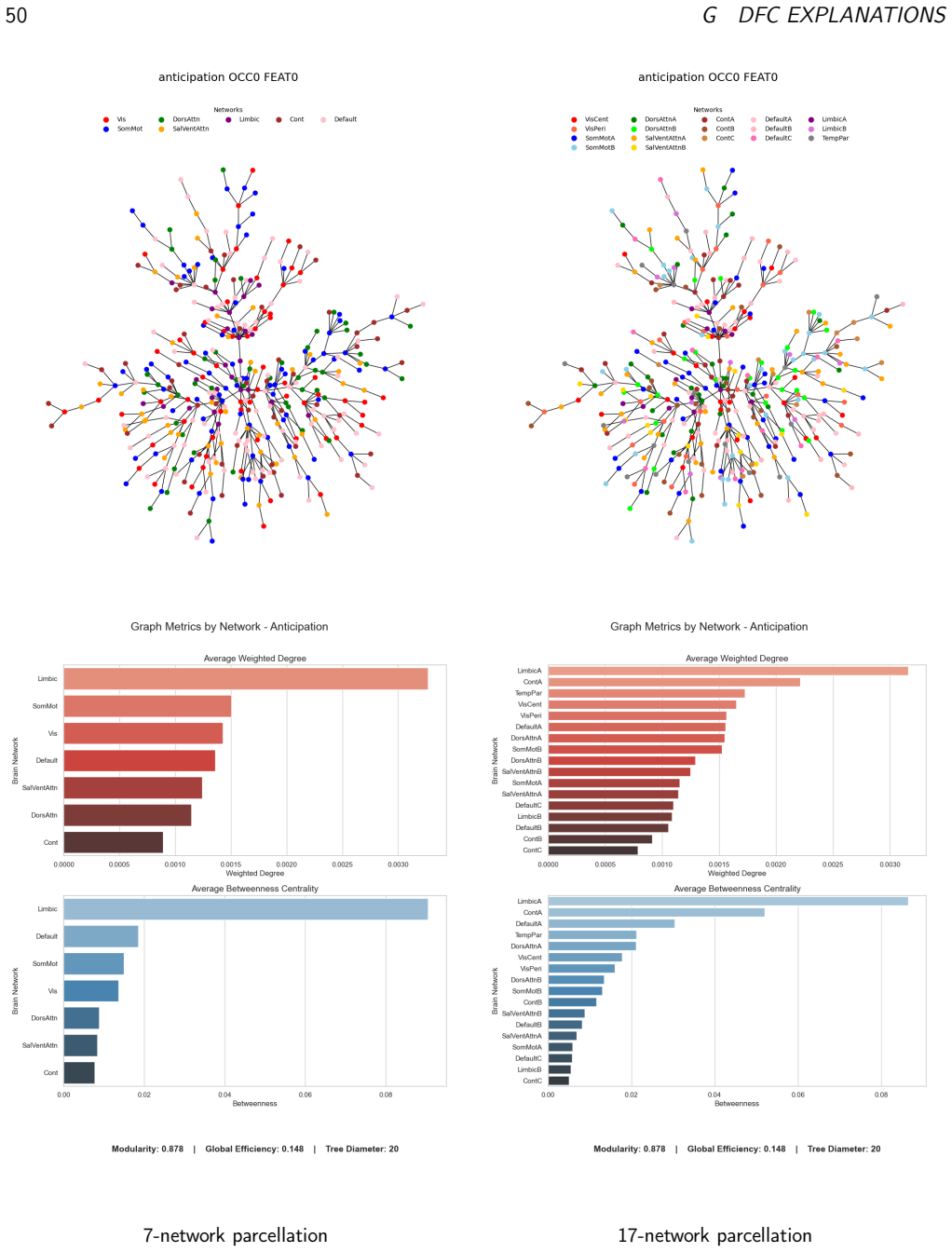
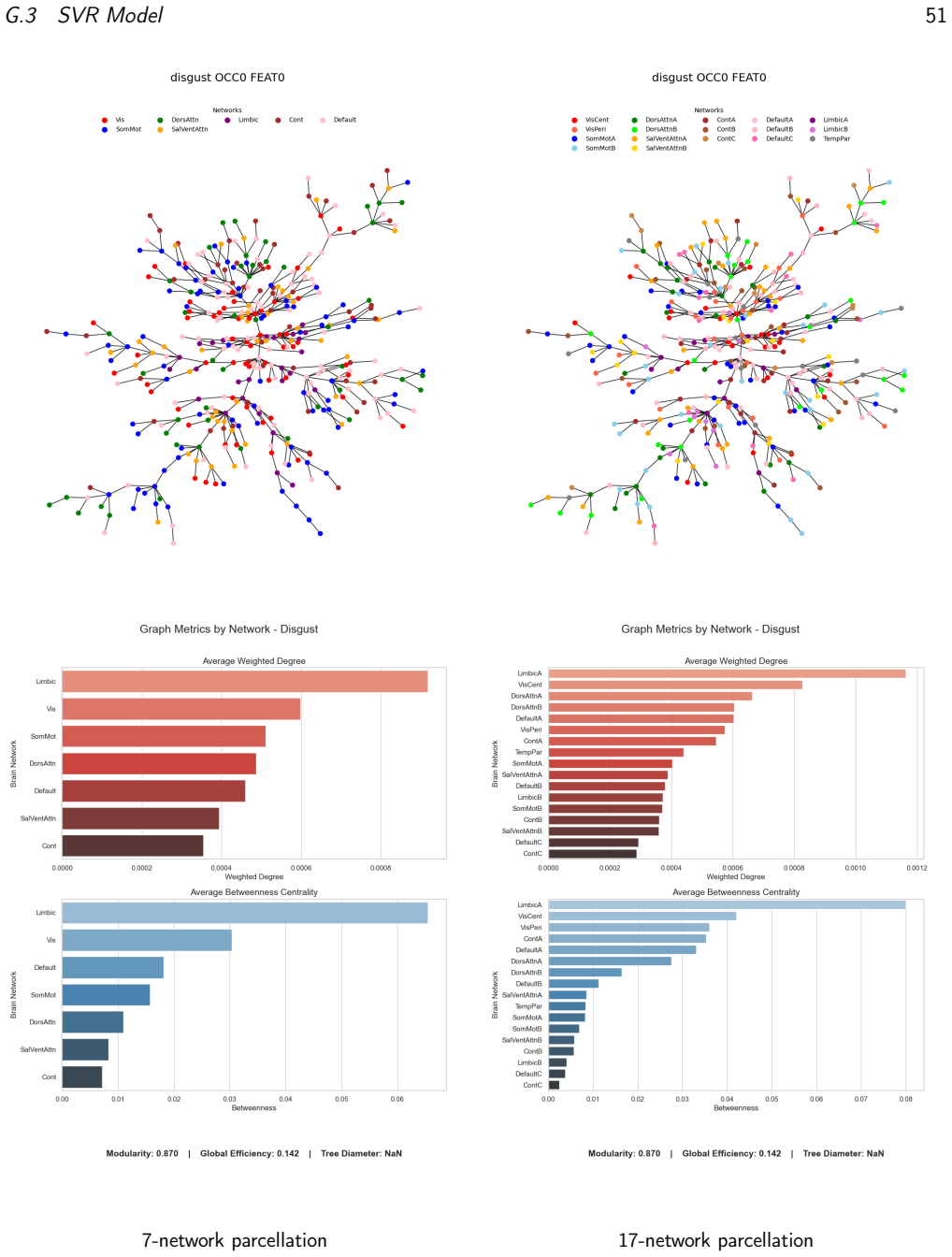
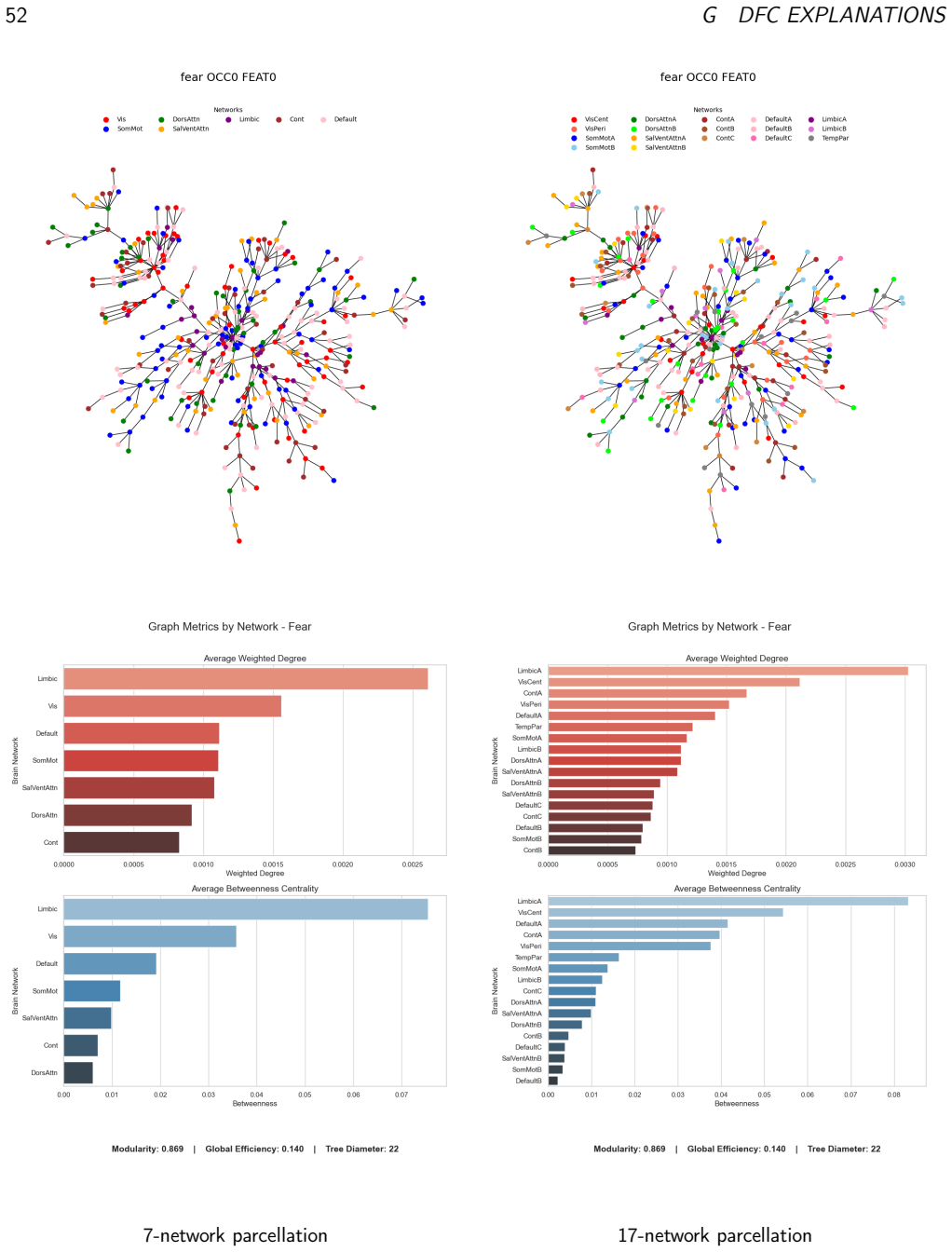
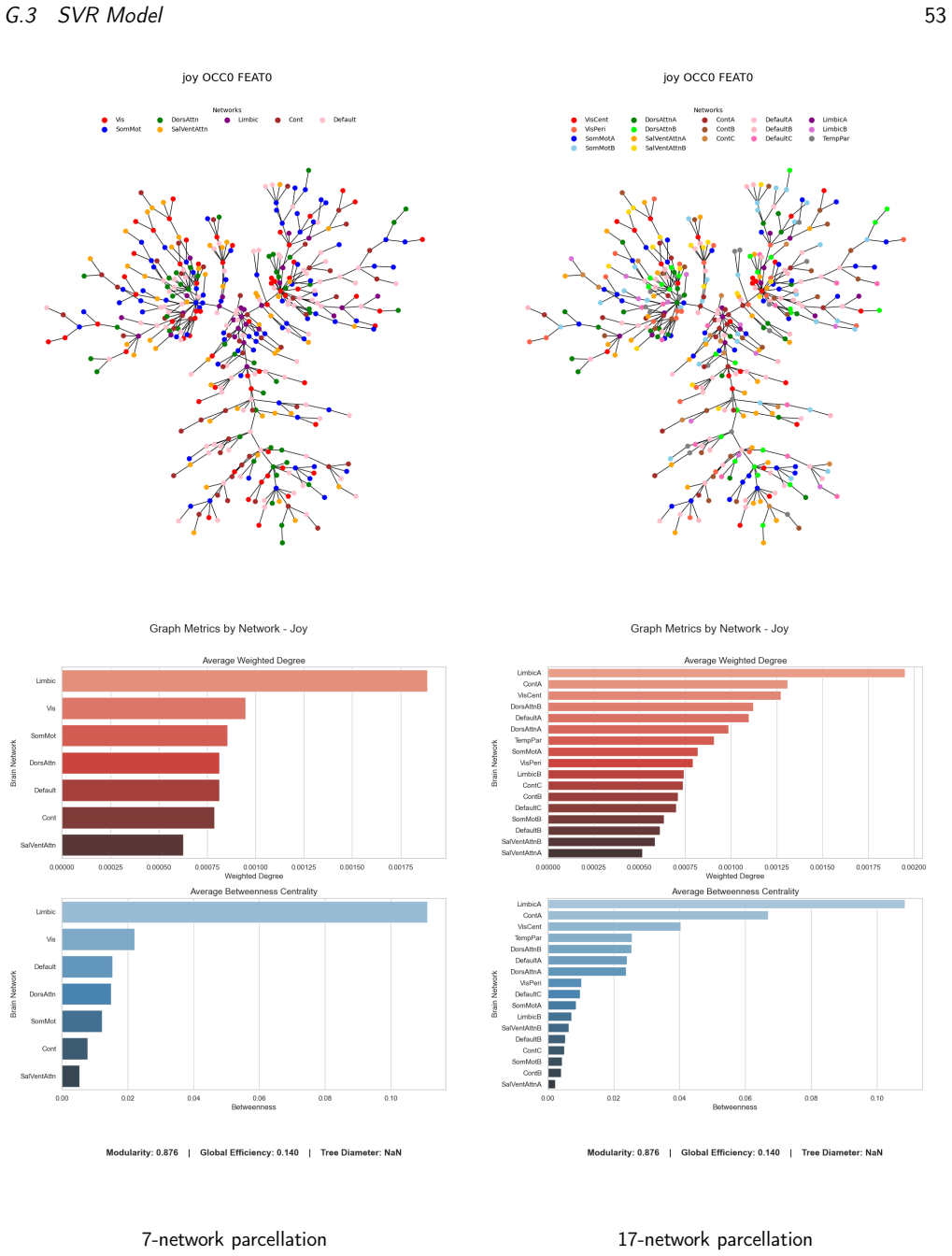
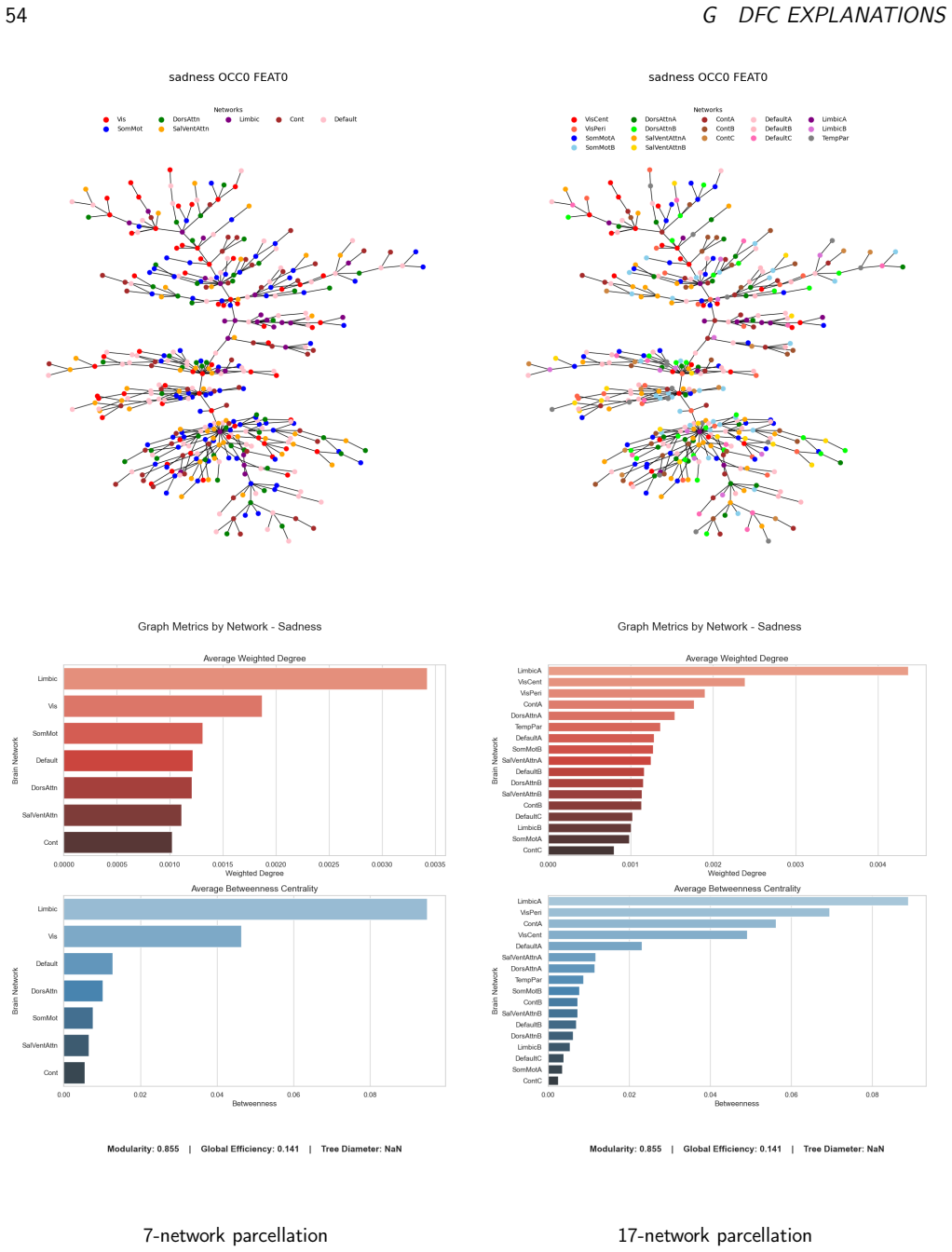
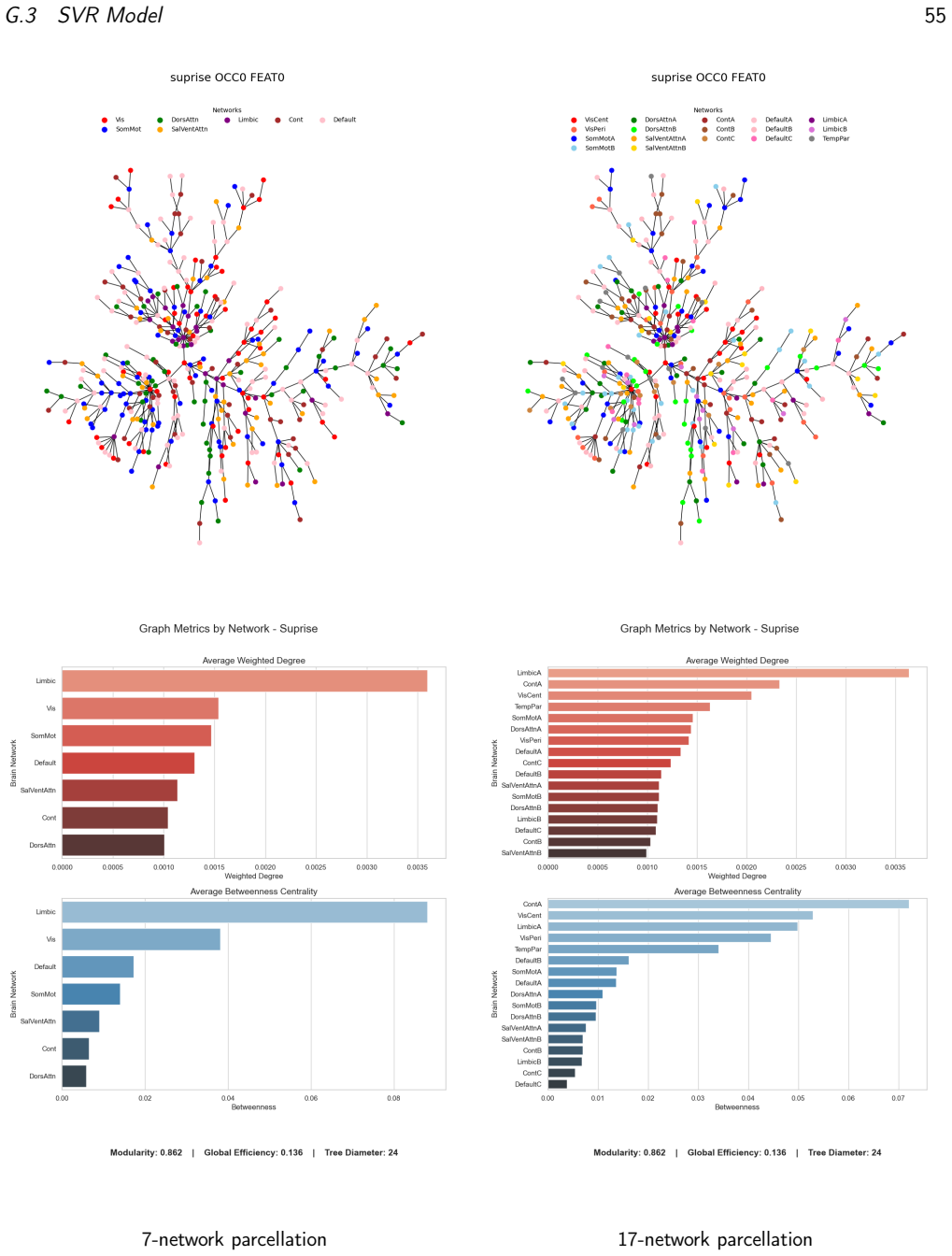
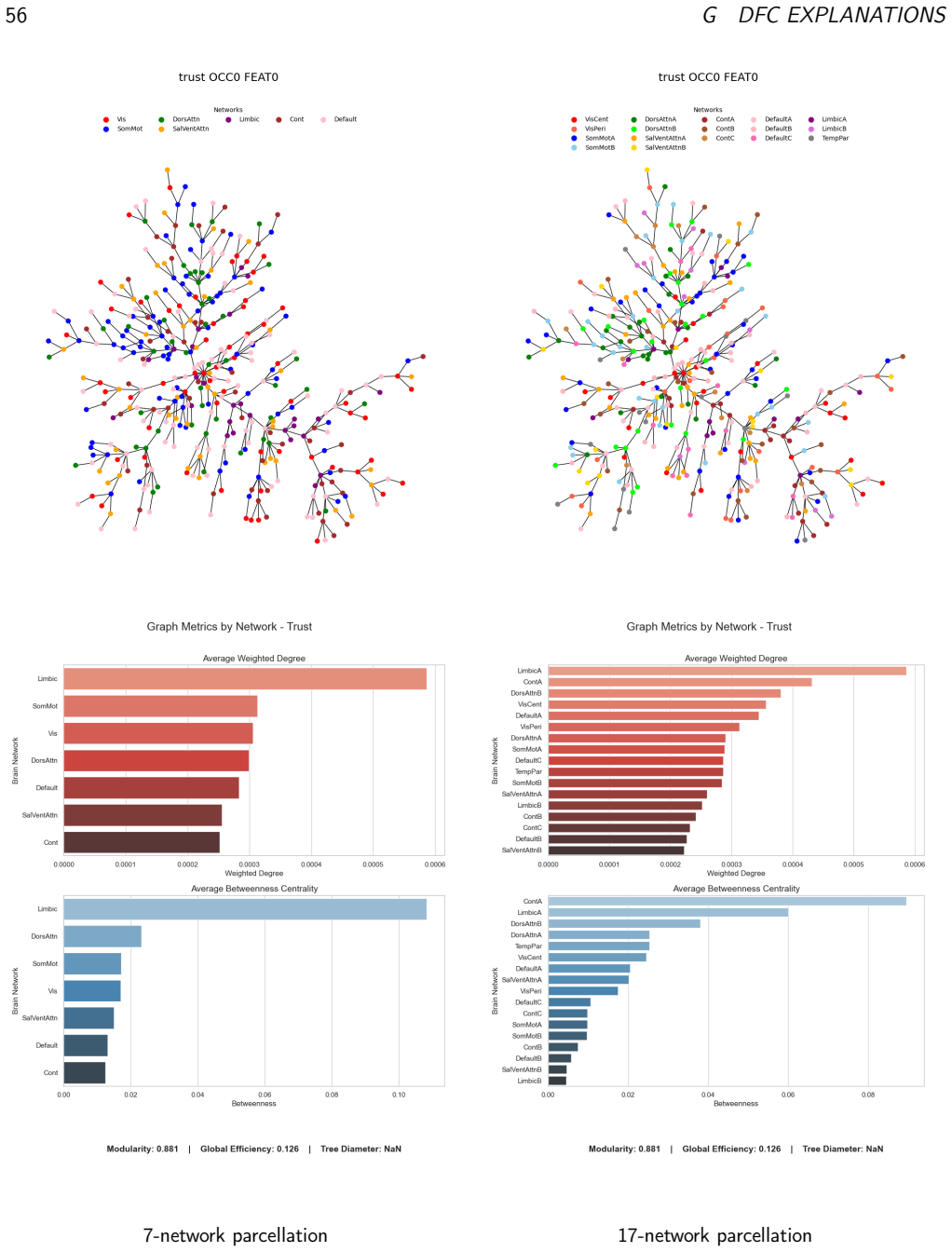
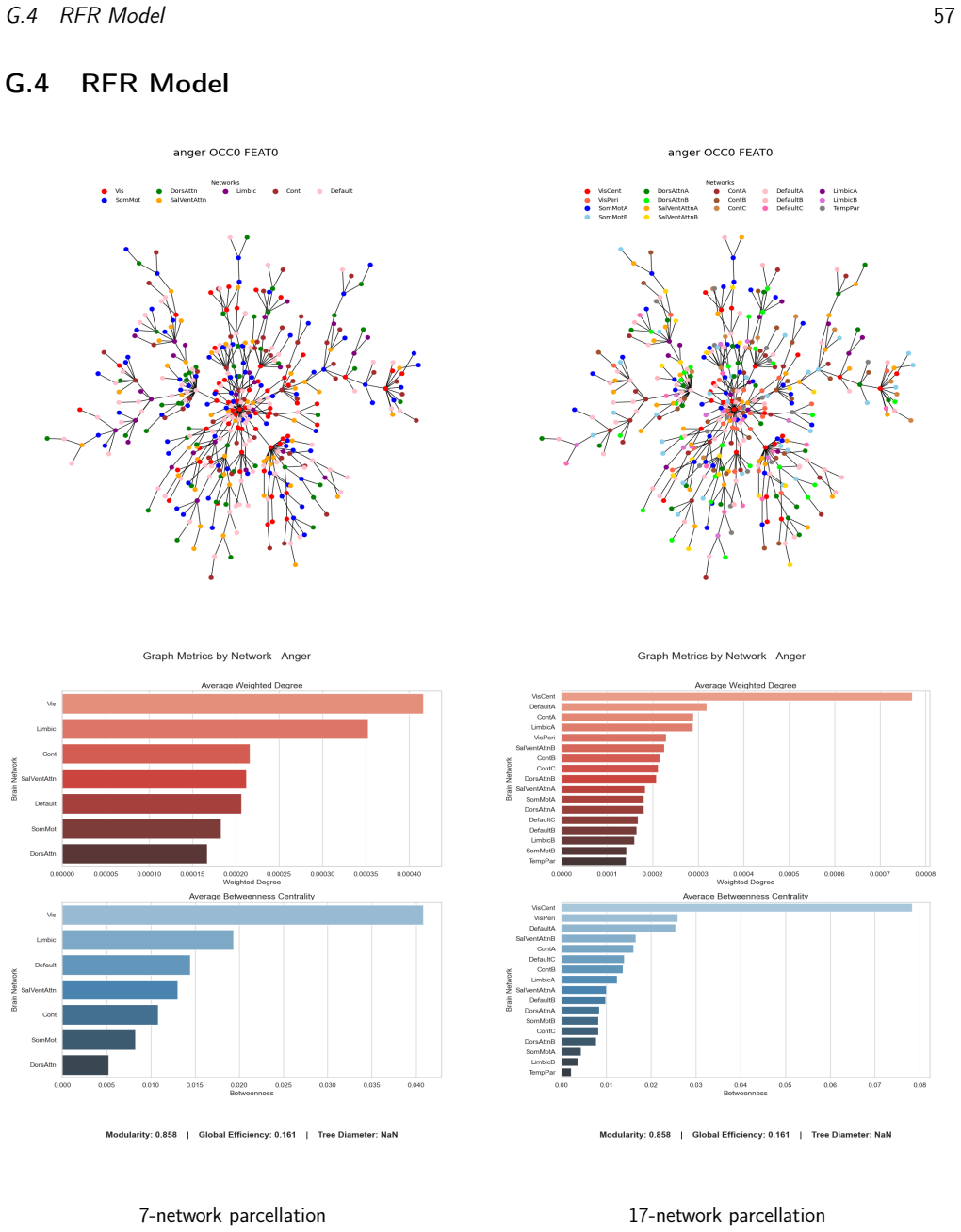
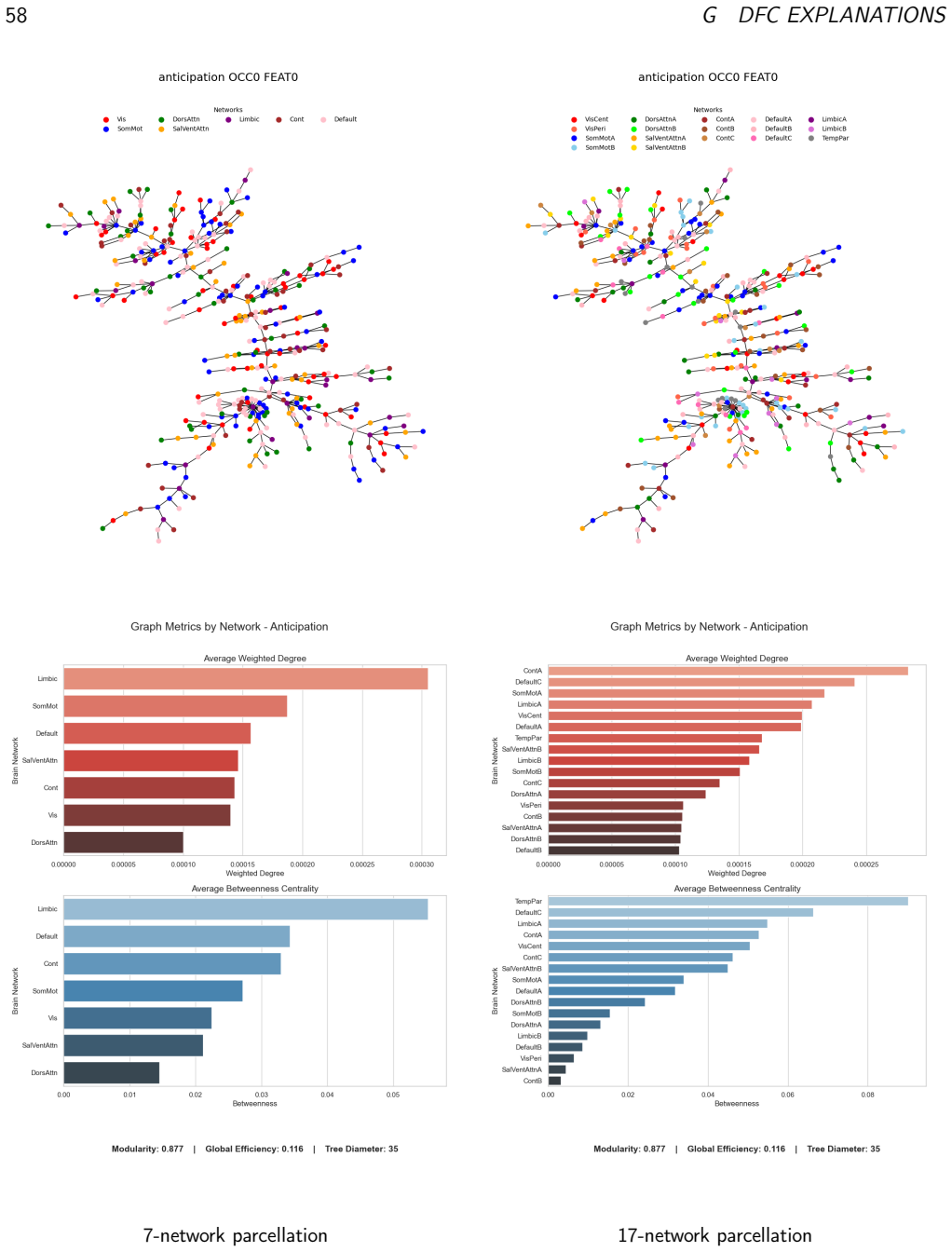
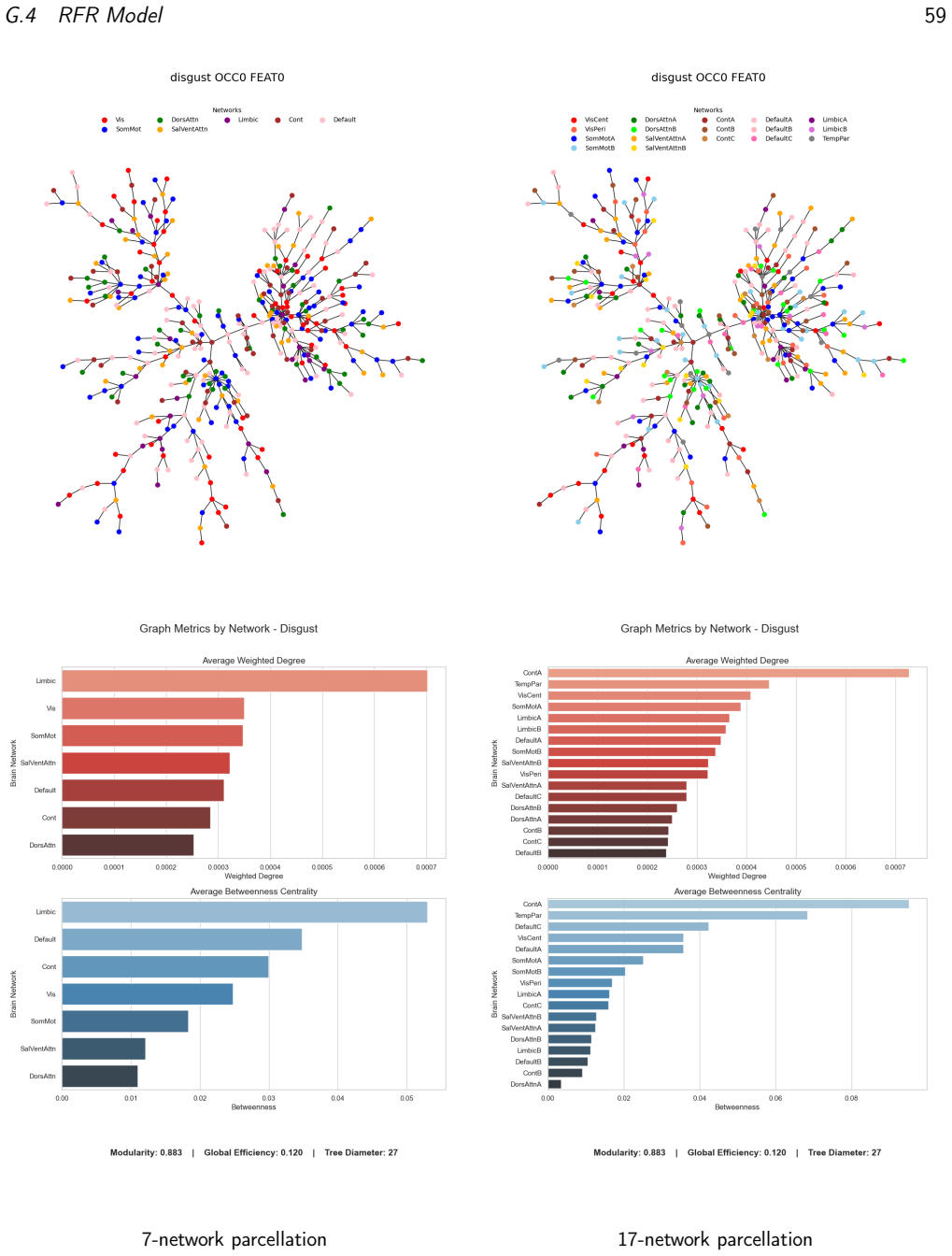
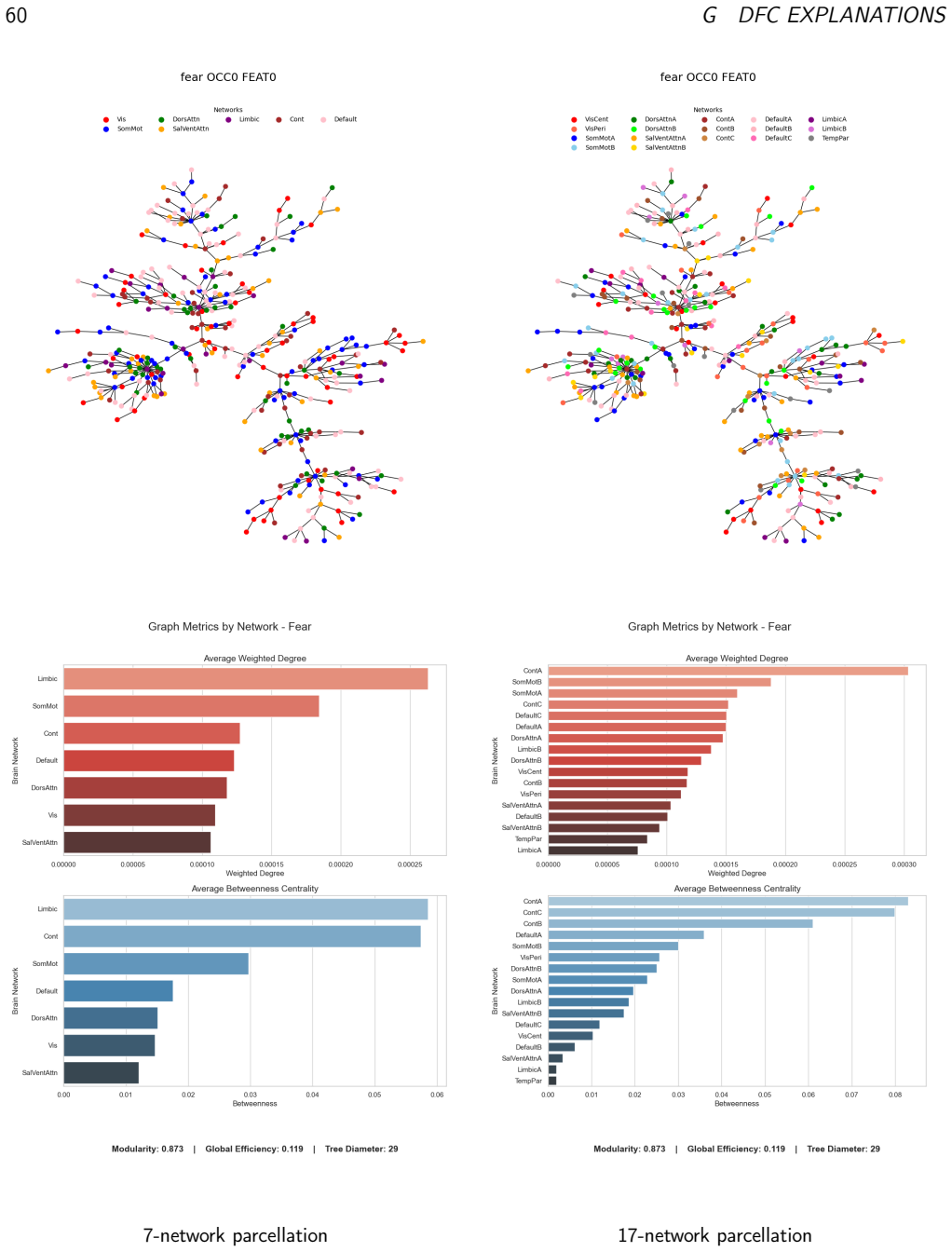
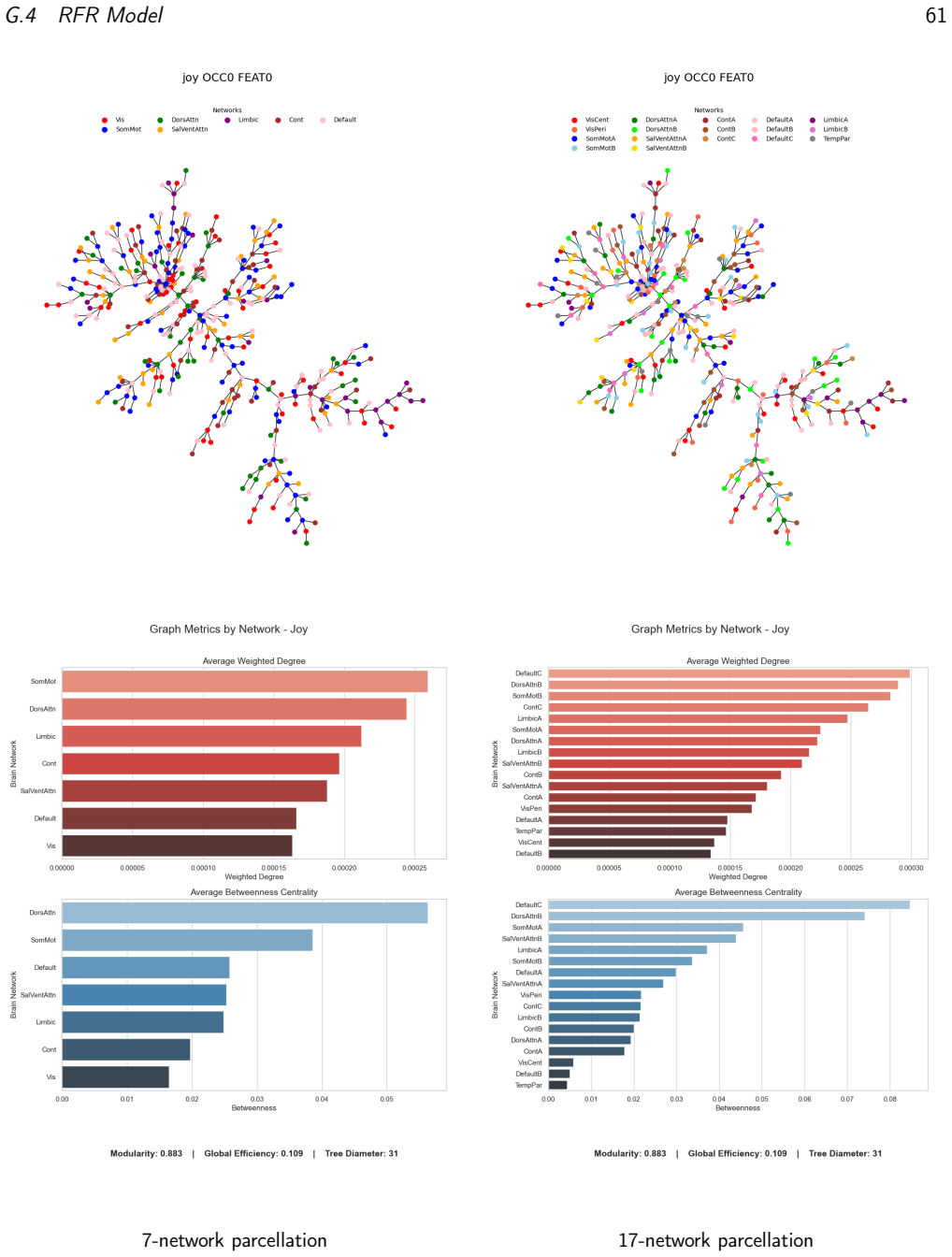
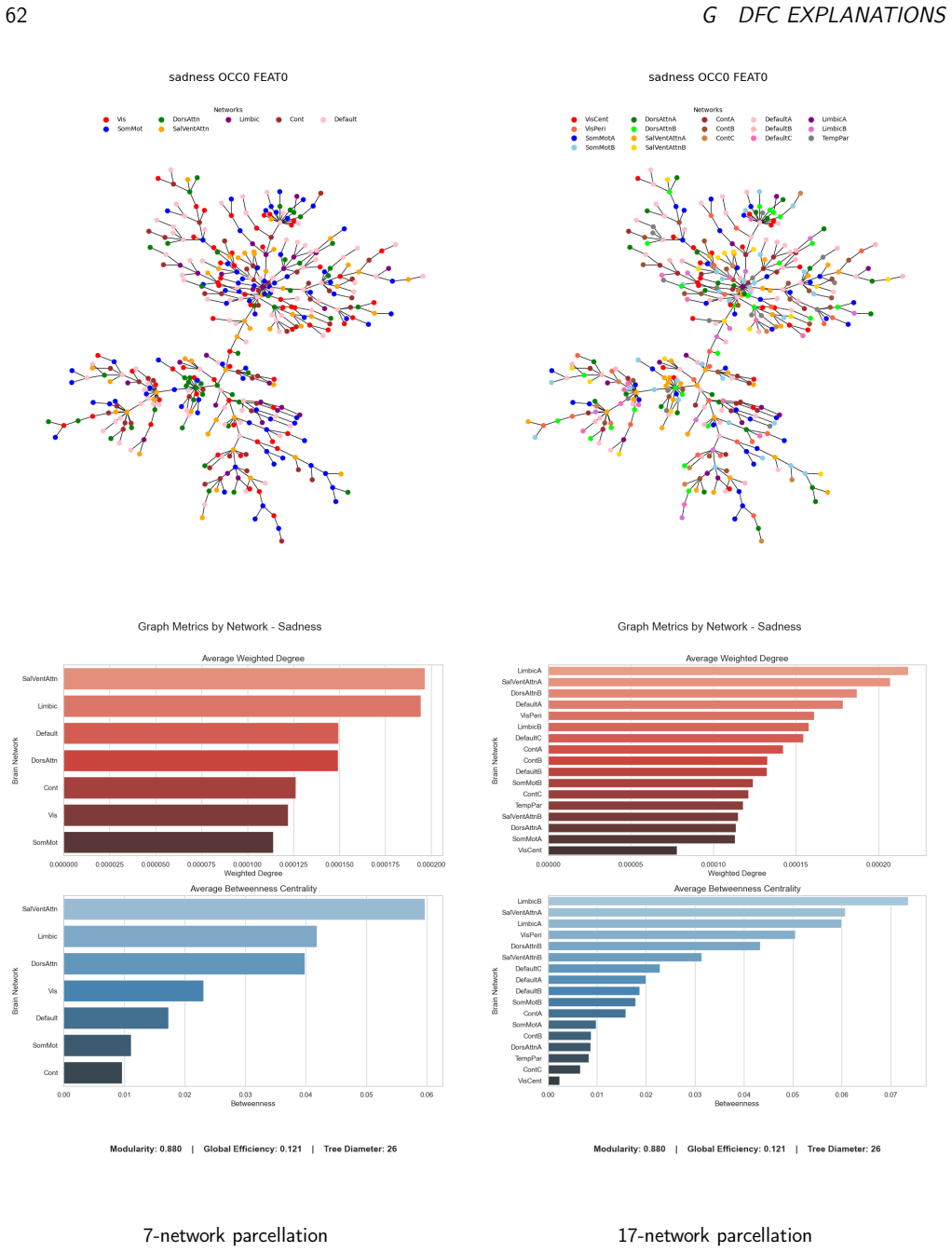
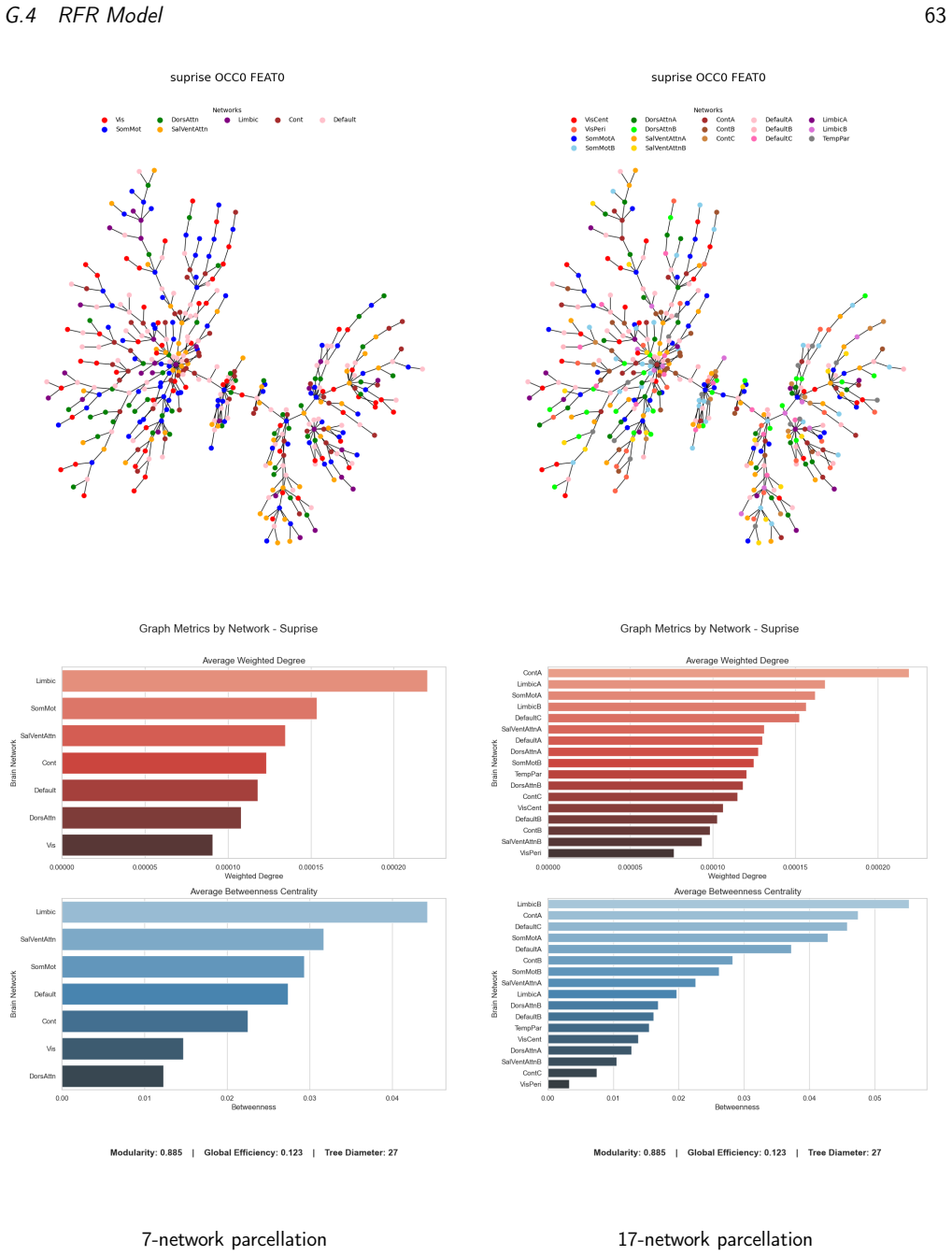
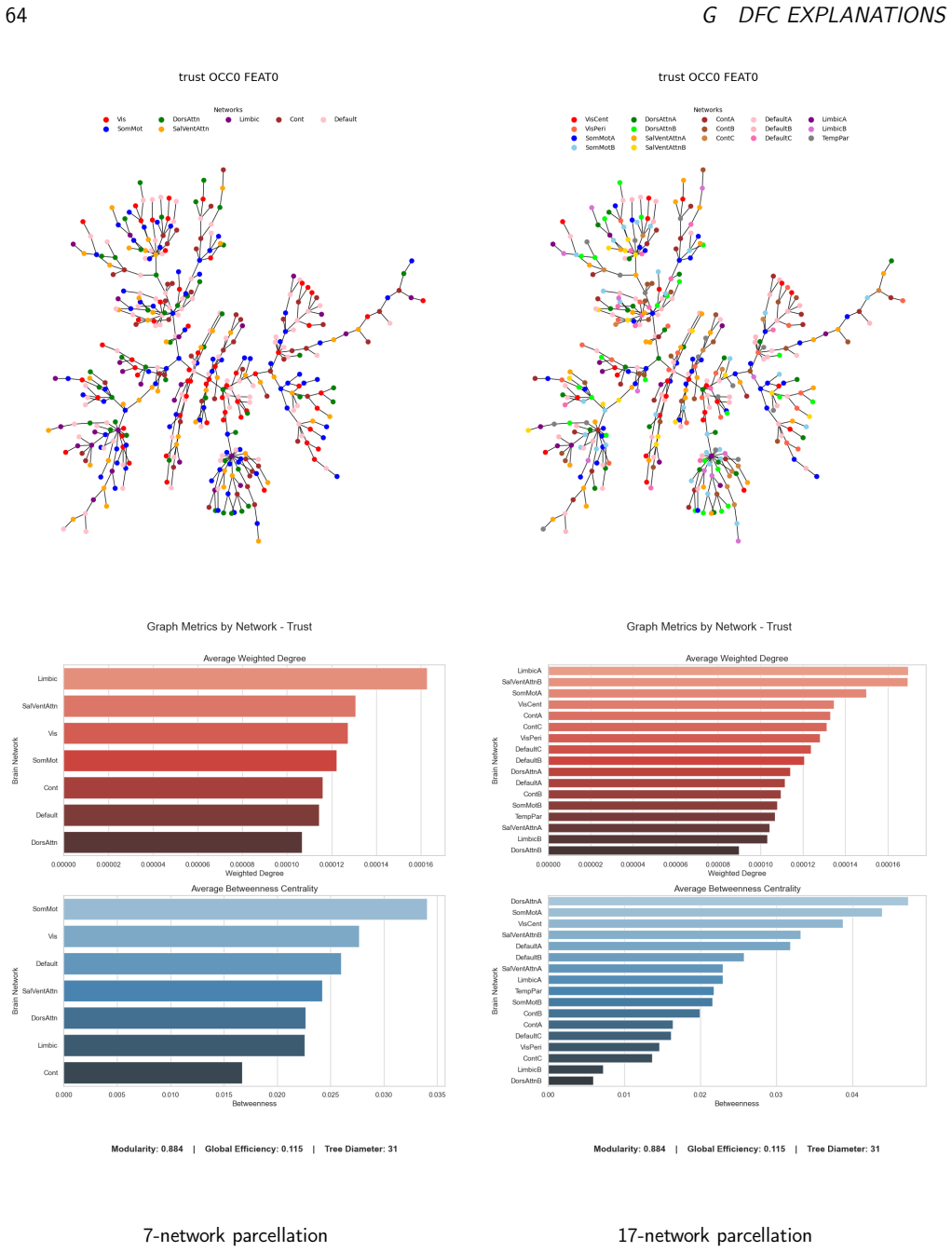
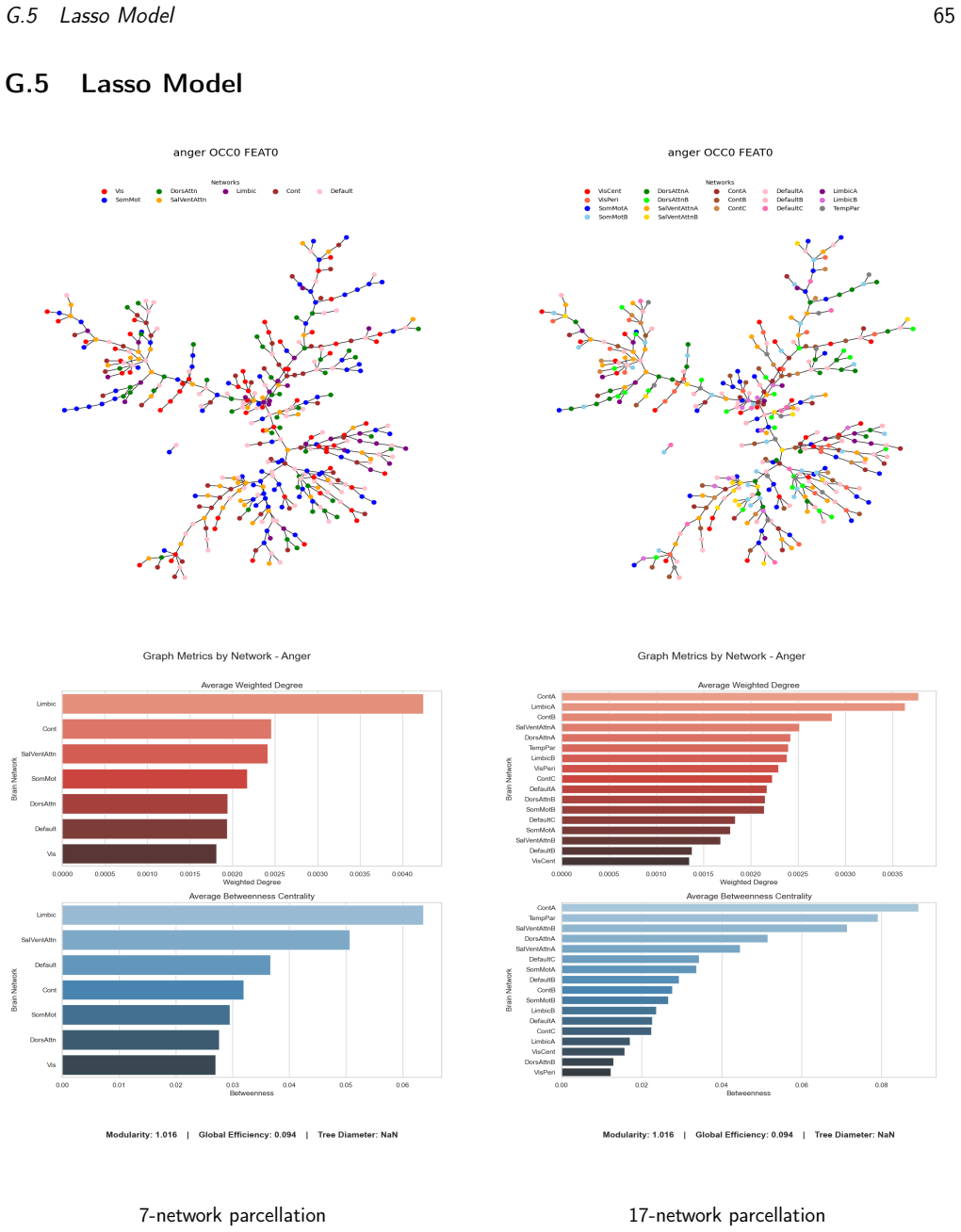
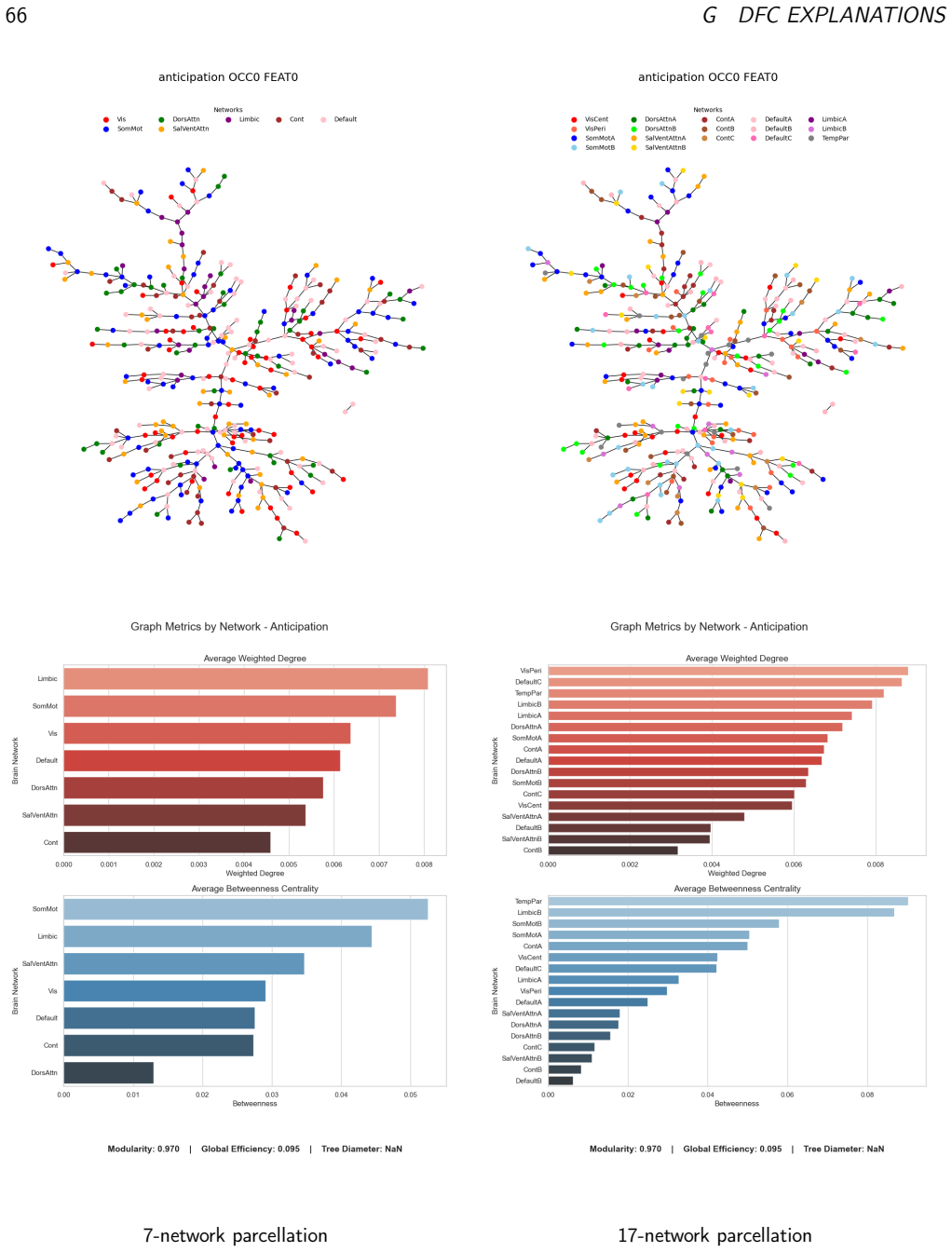
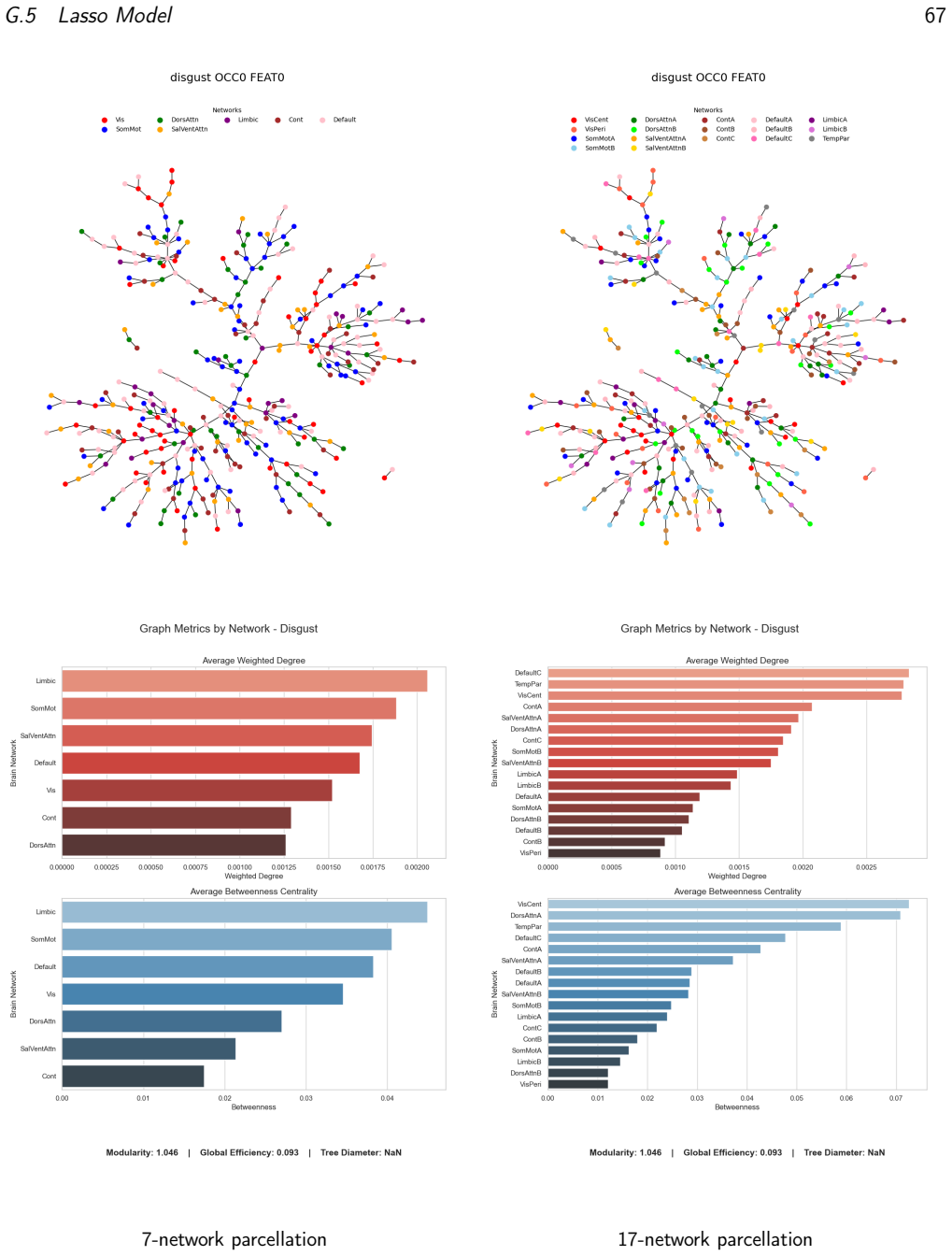
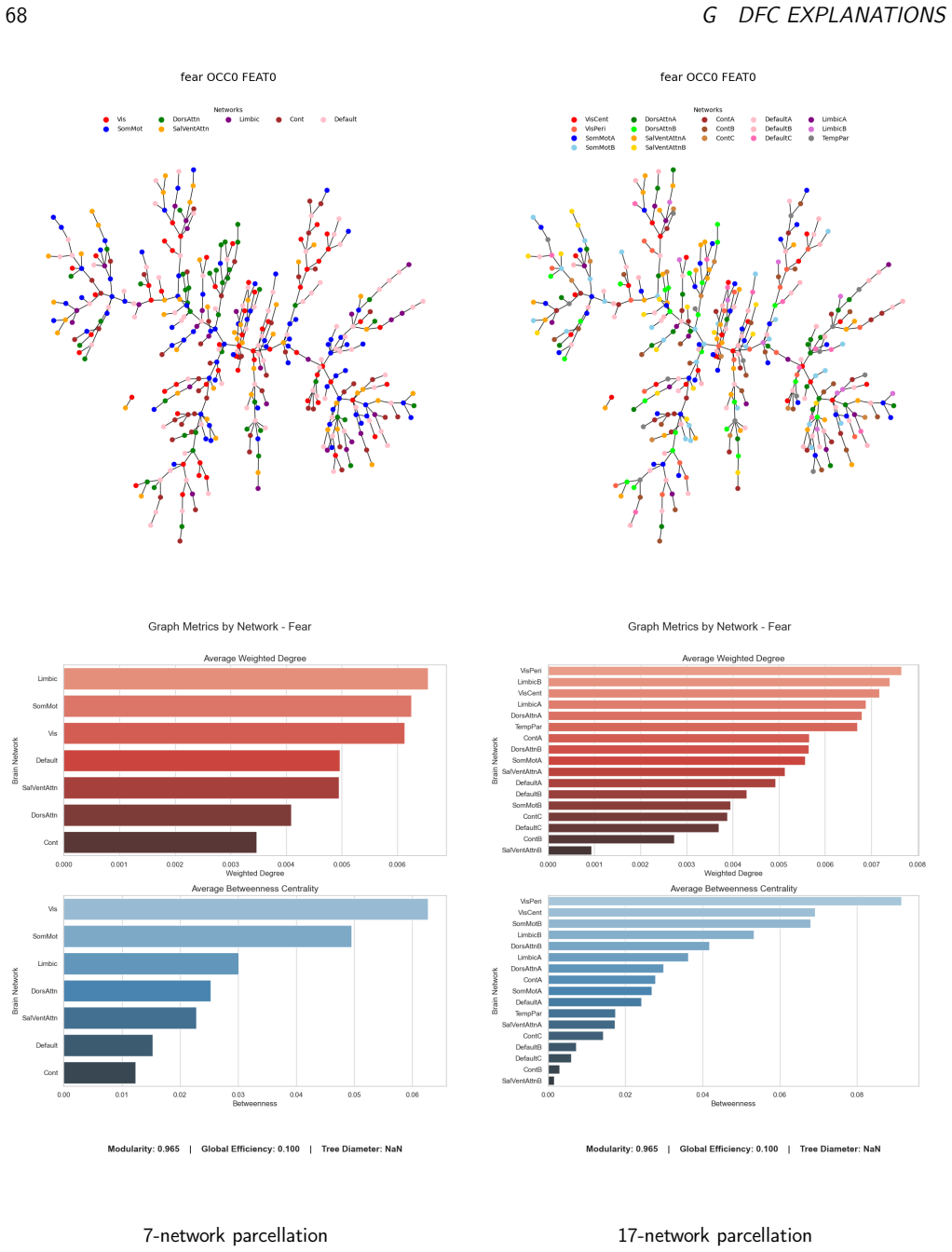
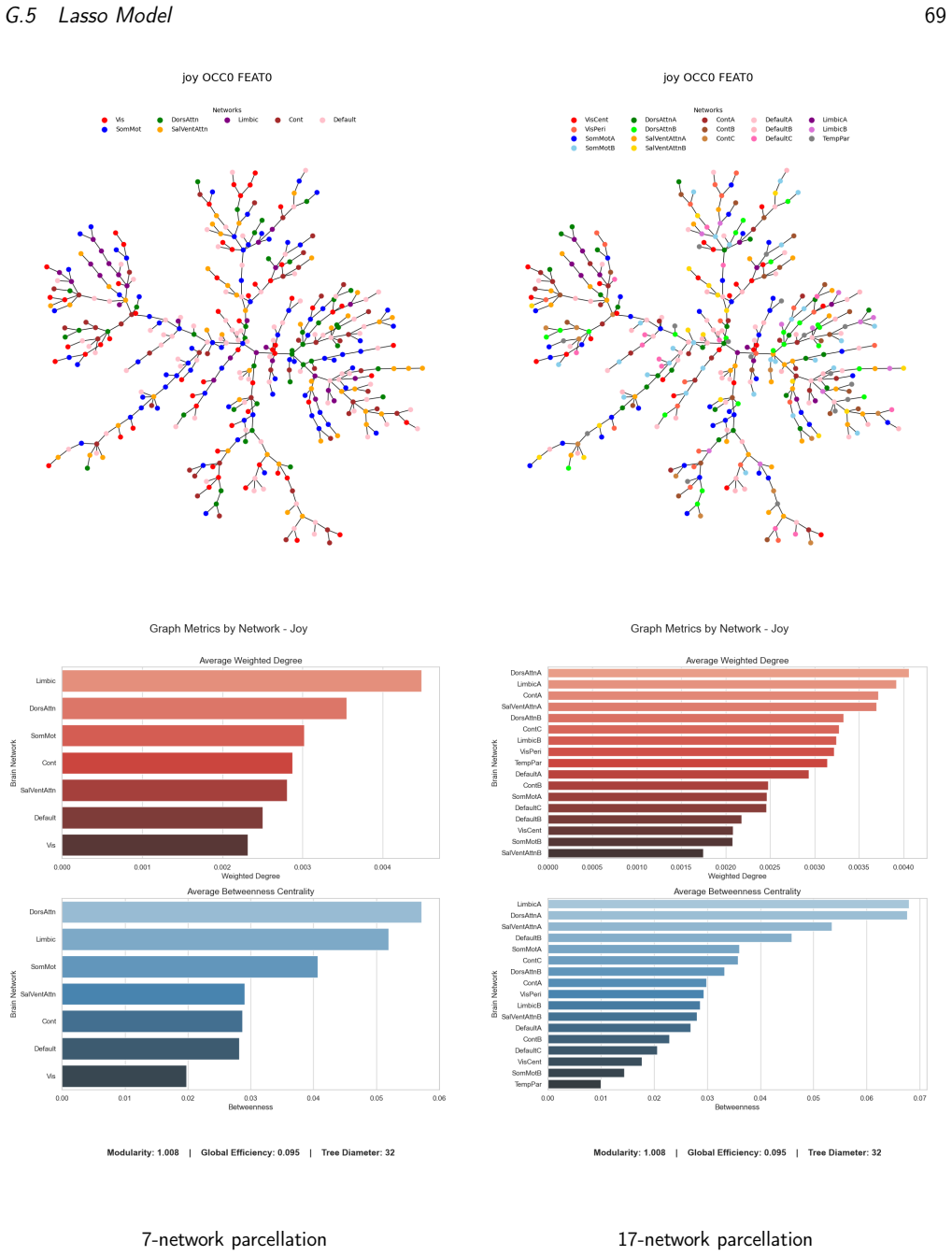
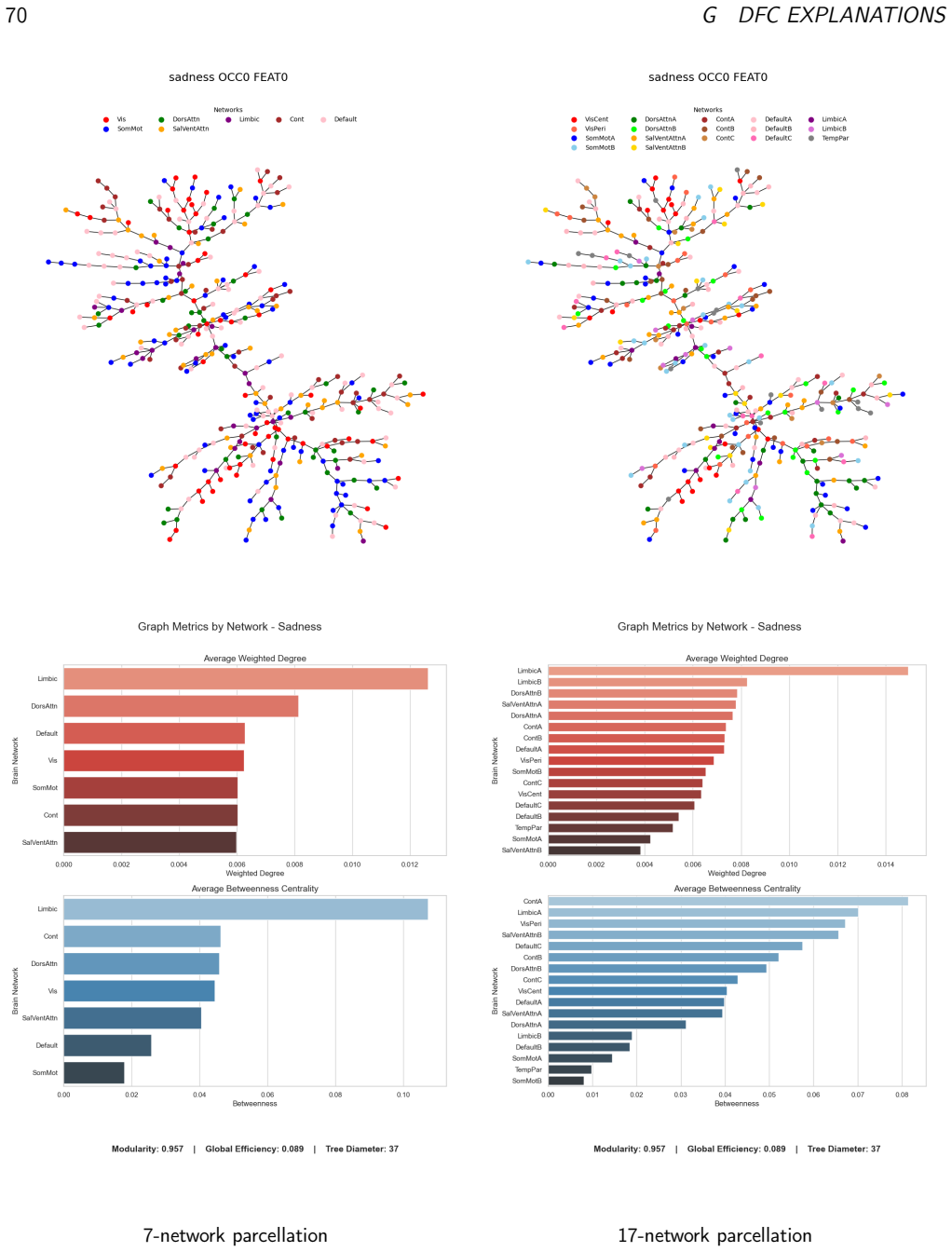
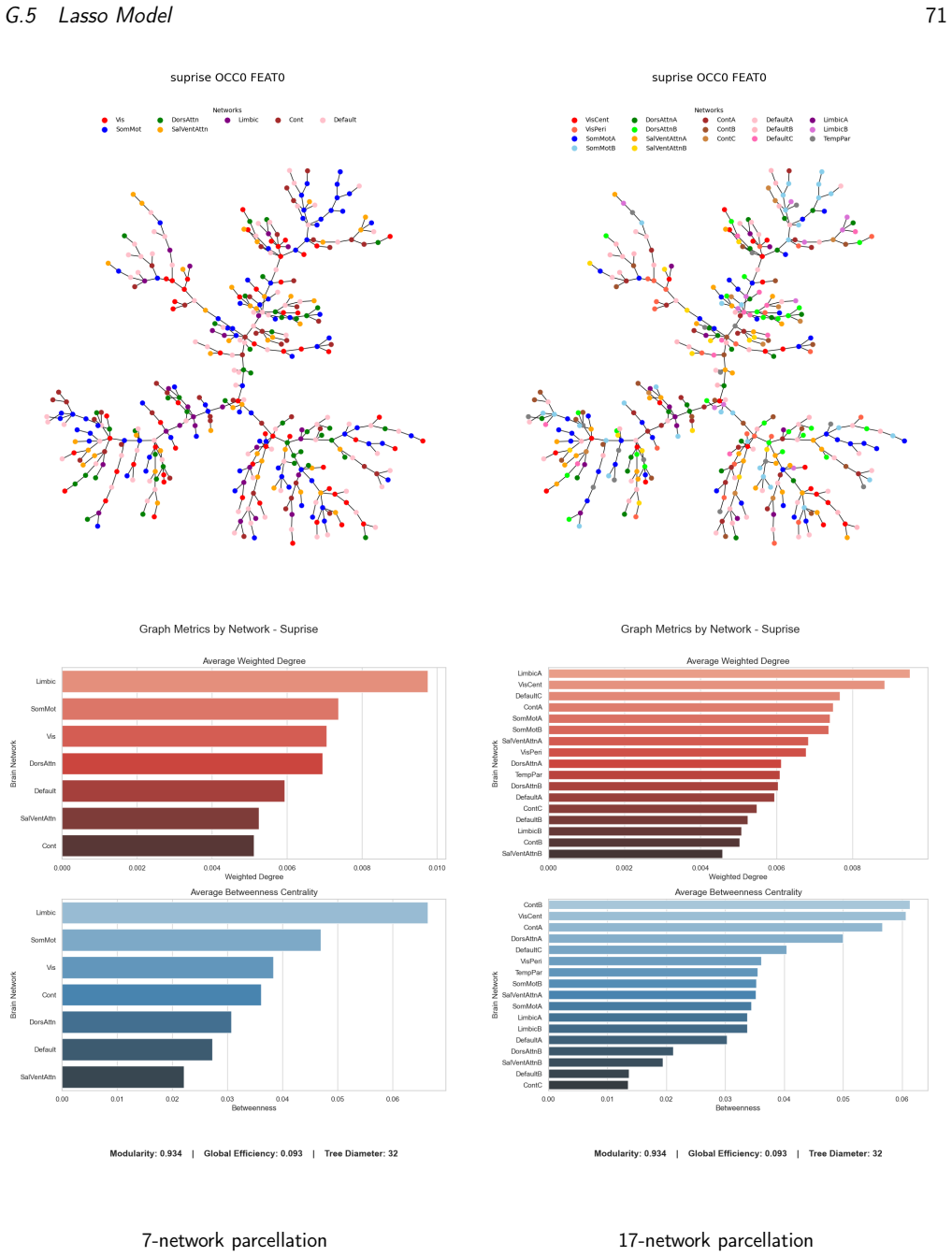
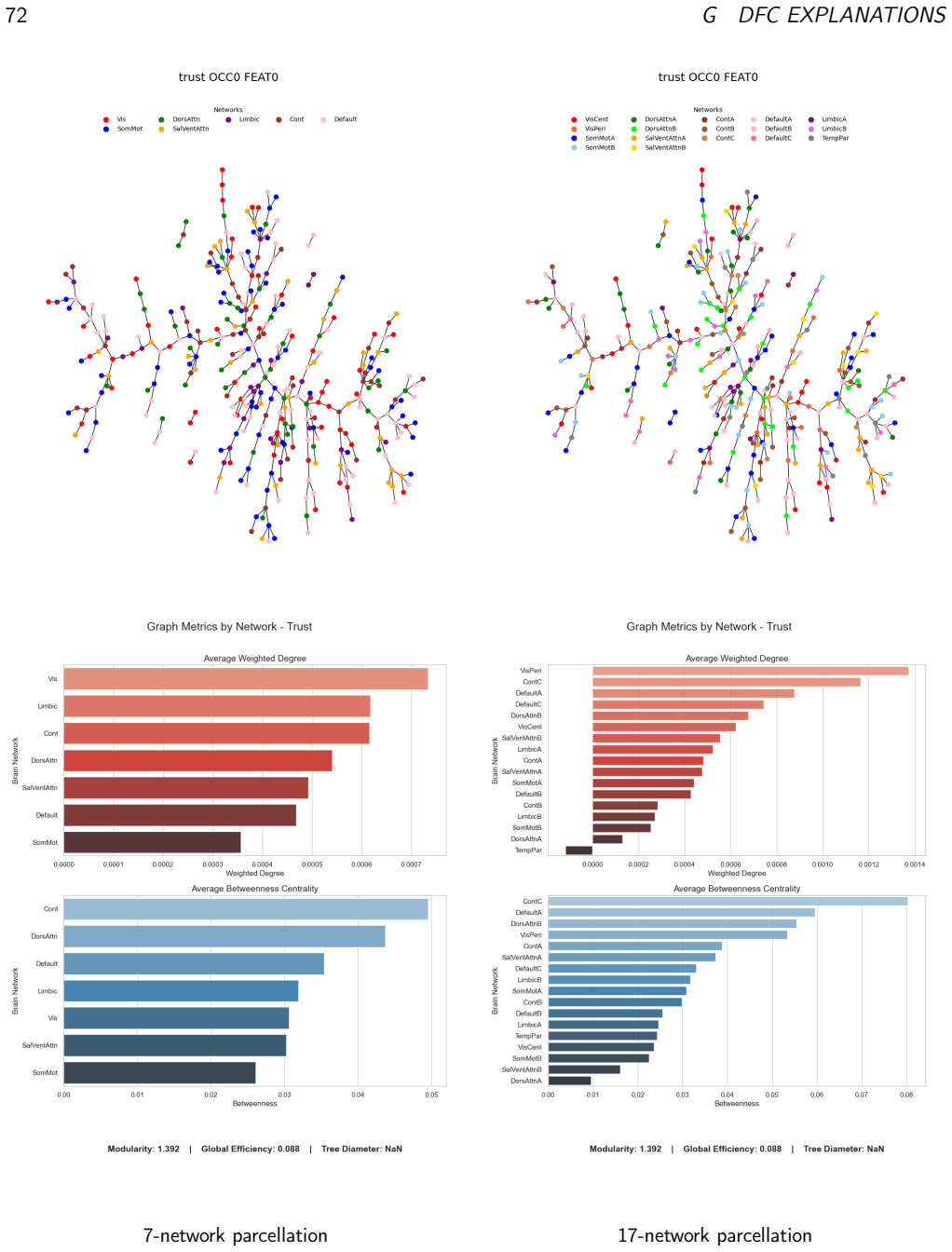
read the original abstract
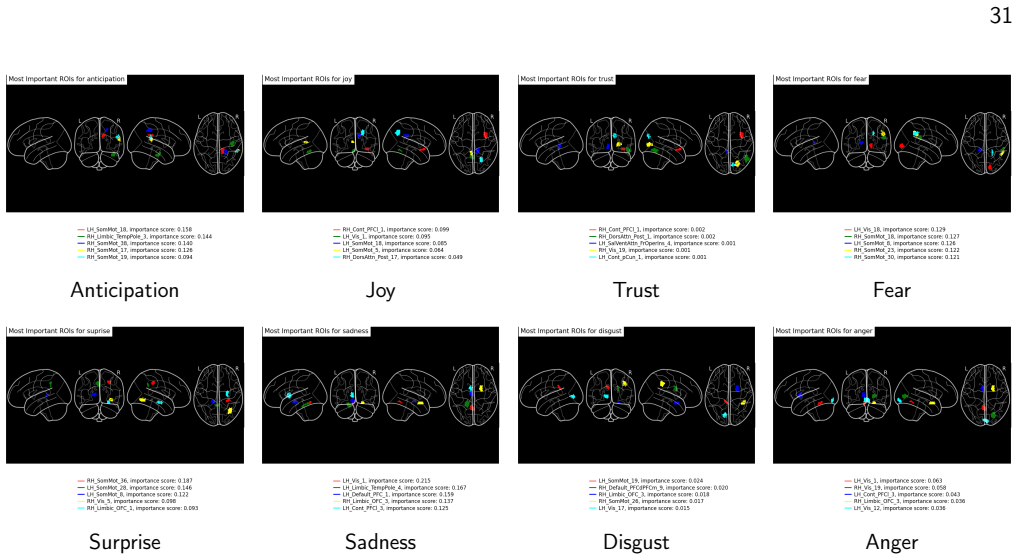
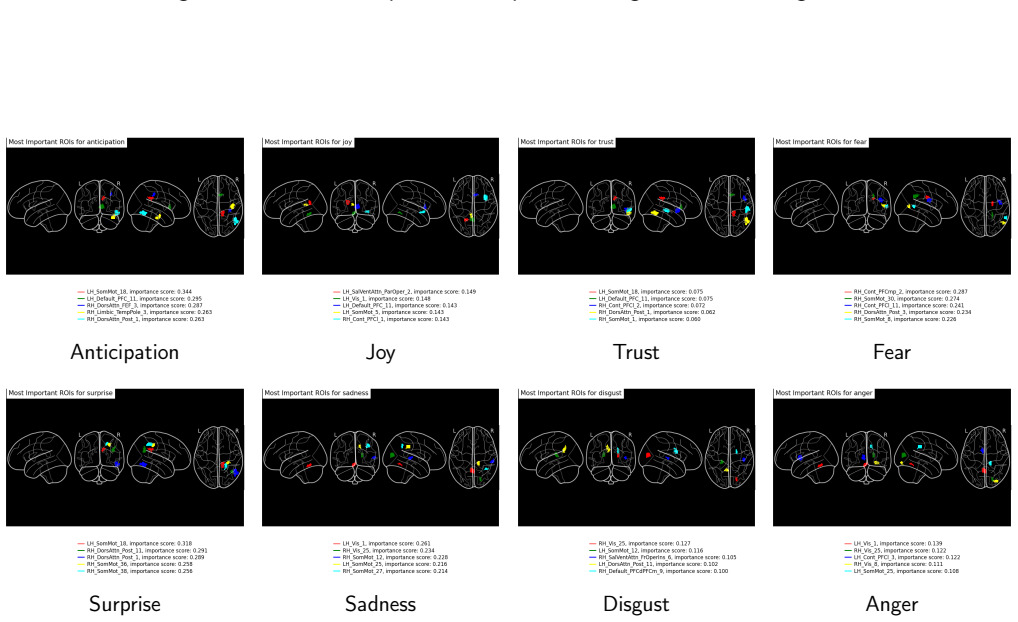
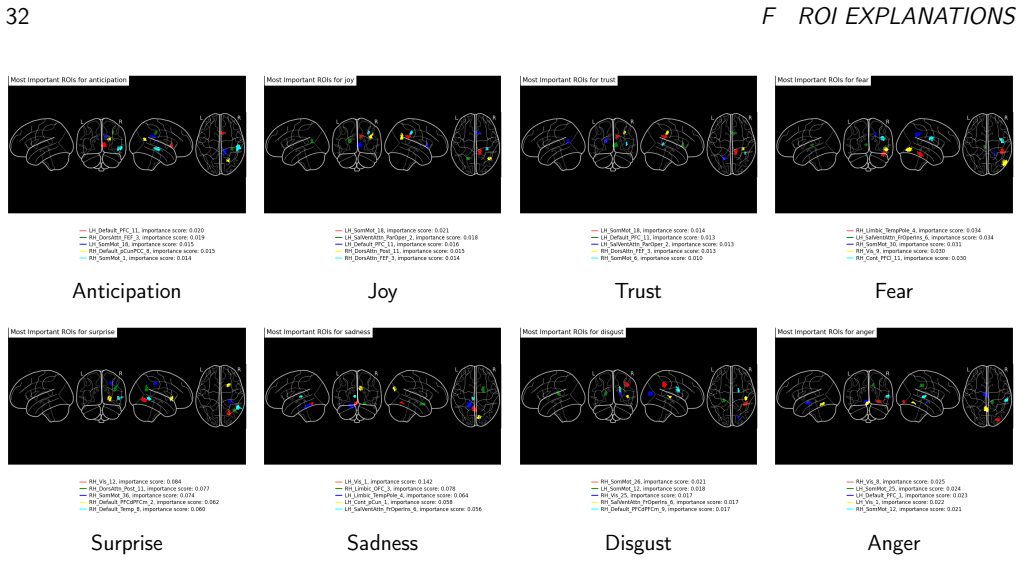
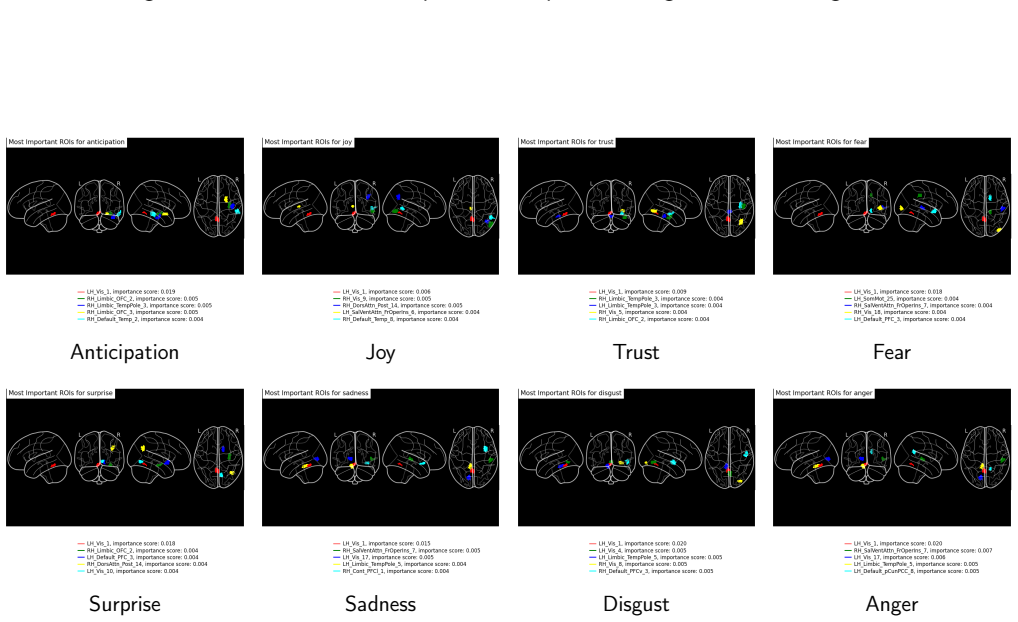
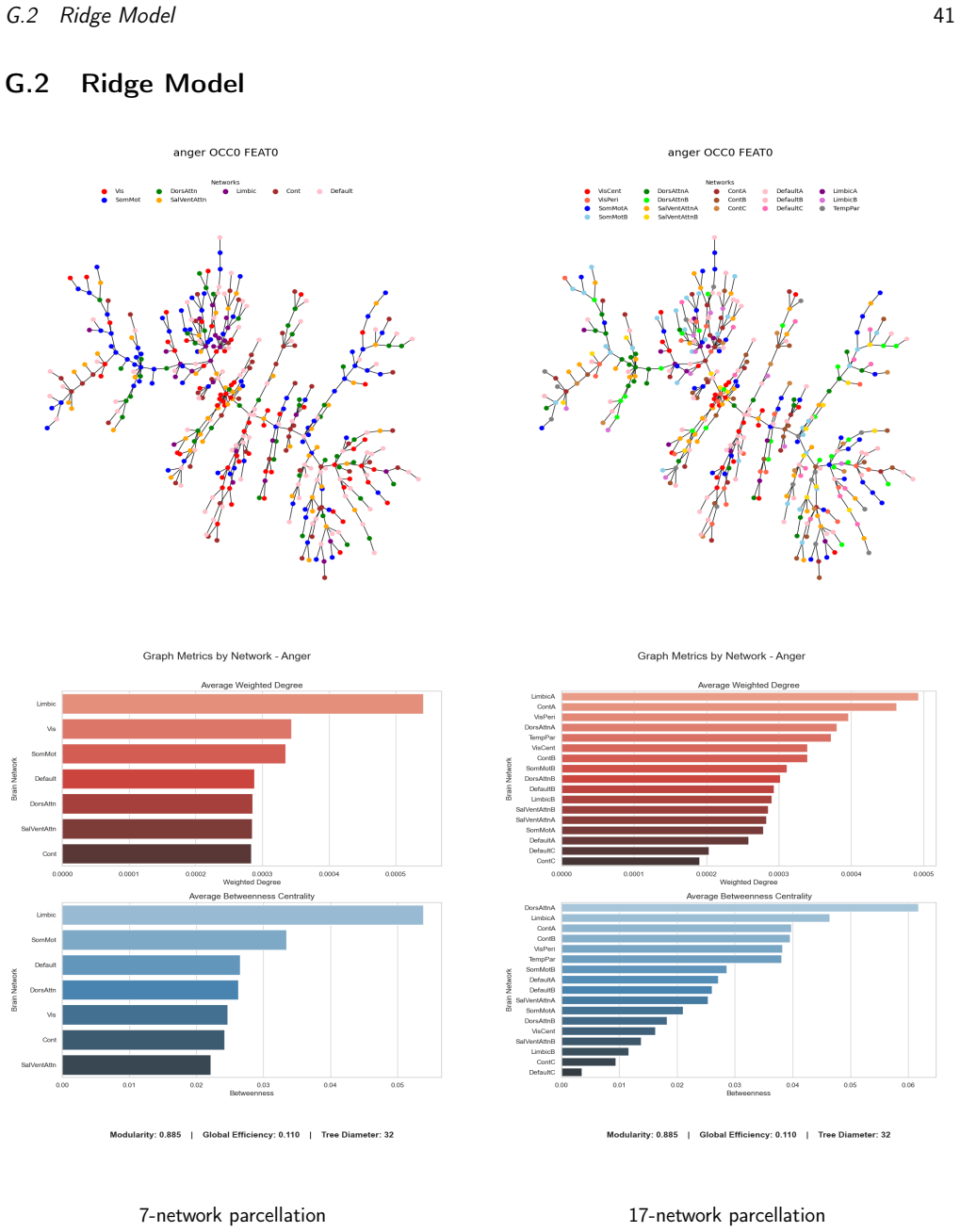
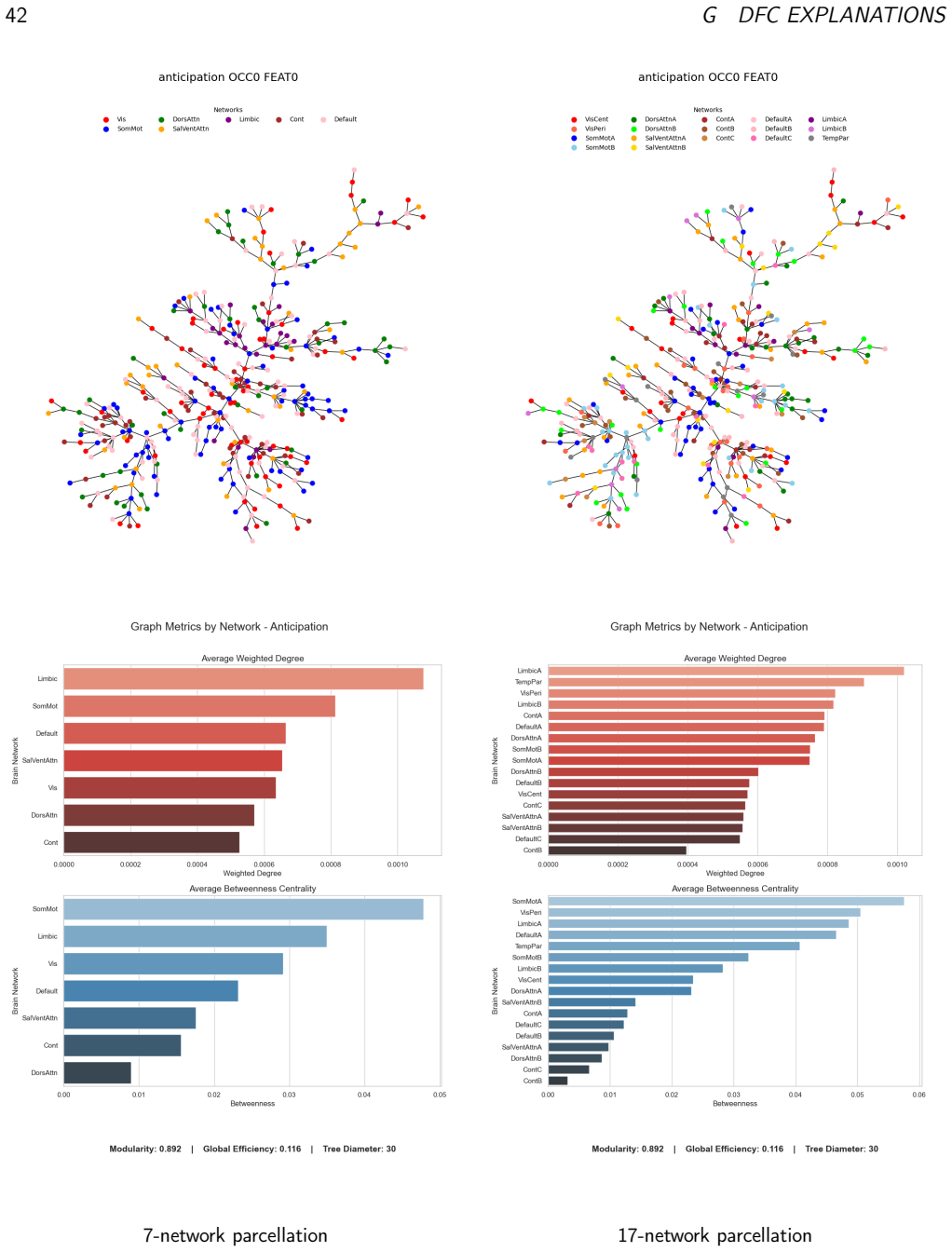
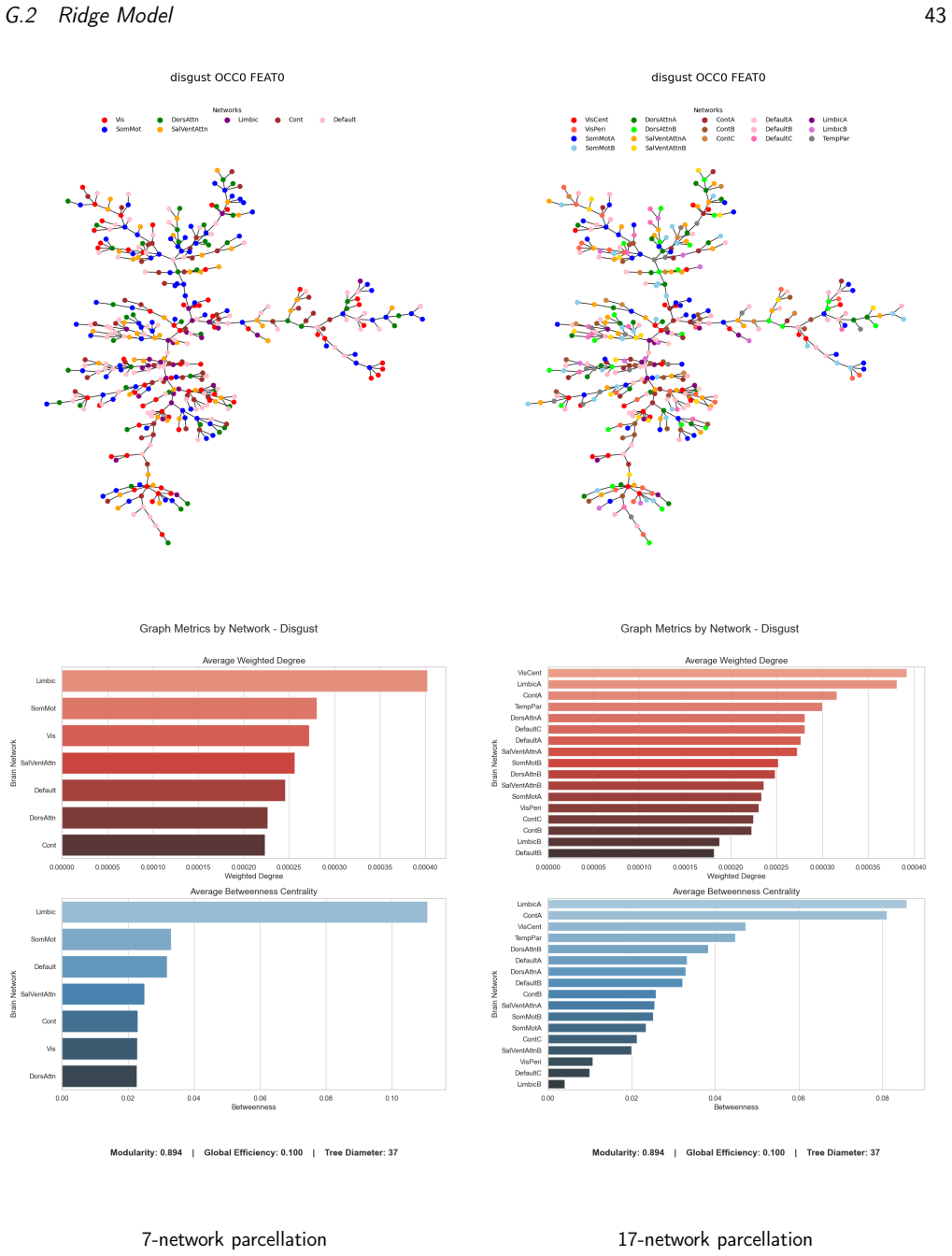
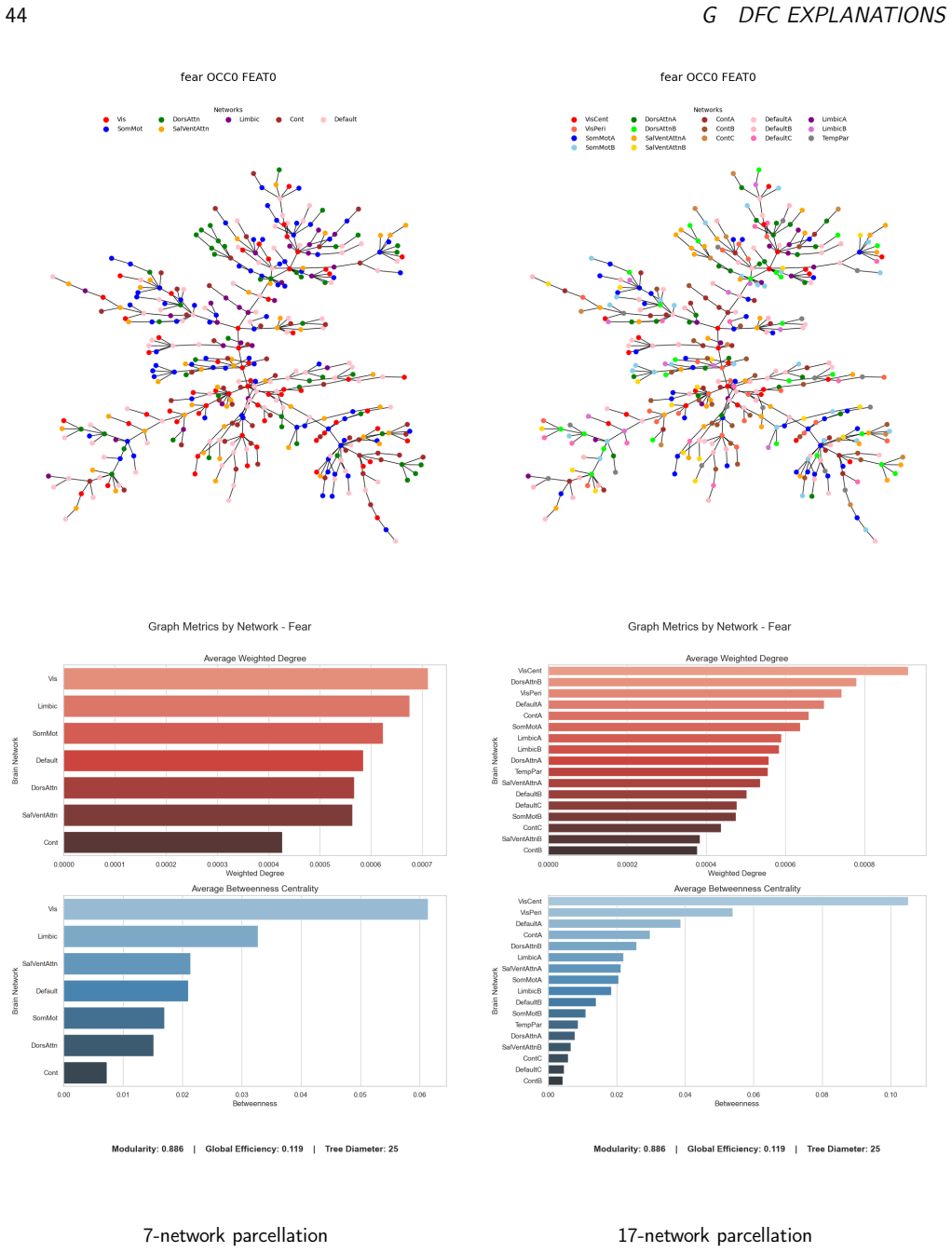
Decoding emotional states from neural signals has been typically framed as a discrete, single-label classification task based on emotionally stable stimuli, a formulation that oversimplifies the continuous, fluid, and co-occurring nature of human affect. This study reconceptualizes emotion decoding by adopting a multi-target regression framework to track multiple overlapping emotional dimensions as continuous trajectories over time. Leveraging the robust generalization capabilities of Large Language Models (LLMs), we extracted fine-grained, continuous sentiment profiles from a naturalistic auditory narrative, Alice in Wonderland, to serve as scalable proxies for subjective affect from human fMRI dataset. Departing from standard classification paradigms or mass-univariate subtractive contrasts that filter out network dynamics, we leverage regularized and kernel-based machine learning algorithms as continuous estimators to track the magnitude of macroscale neural state variations. We demonstrate that models trained on temporal snapshots of Dynamic Functional Connectivity (DFC) significantly outperform static region-of-interest (ROI) amplitude representations, effectively capturing continuous emotional trajectories under rapidly fluctuating narrative input. Furthermore, by implementing graph-theoretical Explainable AI (XAI) techniques, we deconstruct the underlying predictive features to reveal highly interpretable, emotion-specific topological configurations. Collectively, these results highlight the utility of LLM-automated annotation in affective neuroscience and provide compelling empirical evidence for psychological constructionist frameworks, demonstrating that dynamic, distributed network interactions offer superior explanatory power over strictly locationist accounts of emotion.
Editorial analysis
A structured set of objections, weighed in public.
Referee Report
Summary. The manuscript proposes an LLM-enhanced multi-target regression framework to decode continuous, multi-dimensional emotional trajectories from fMRI data acquired during naturalistic narrative listening (Alice in Wonderland). LLM-derived fine-grained sentiment profiles serve as regression targets; regularized and kernel-based models trained on temporal snapshots of dynamic functional connectivity (DFC) are claimed to significantly outperform those using static ROI amplitude features; graph-theoretical XAI is used to recover emotion-specific network topologies, supporting constructionist over locationist accounts of emotion.
Significance. If the LLM-derived targets are validated against human affective measures and the reported DFC superiority is confirmed with appropriate statistics, the work would supply a scalable annotation method for naturalistic stimuli and direct empirical support for dynamic network models of emotion. The combination of continuous regression, DFC, and topological XAI is a coherent methodological contribution to affective decoding.
major comments (2)
- [Abstract] Abstract: The central claim that DFC models capture continuous emotional trajectories rests on LLM-extracted sentiment profiles serving as faithful proxies for participants' subjective affect. No correlation with self-reports, behavioral ratings, or physiological validation on the same stimulus is described, leaving open the possibility that the targets primarily reflect textual narrative features rather than individual affective experience; this directly undermines interpretability of the DFC-vs-ROI comparison for the stated psychological conclusions.
- [Abstract] Abstract: The assertion that DFC models 'significantly outperform' static ROI representations is presented without any quantitative metrics, cross-validation procedure, statistical tests, effect sizes, or error bars. Because this outperformance is the primary empirical result supporting the framework's superiority, its absence prevents evaluation of whether the result is load-bearing or merely suggestive.
minor comments (2)
- [Abstract] The abstract refers to 'regularized and kernel-based machine learning algorithms' without naming the specific estimators (e.g., ridge, SVR, kernel ridge) or regularization parameters; this should be stated explicitly in the methods section for reproducibility.
- [Abstract] Dataset details (number of participants, fMRI acquisition parameters, preprocessing pipeline) are not summarized even at a high level in the abstract, which is standard for neuroimaging studies.
Simulated Author's Rebuttal
We thank the referee for the detailed and constructive feedback. We address the major comments point-by-point below, agreeing where revisions are needed to improve clarity and acknowledging limitations where data is unavailable.
read point-by-point responses
-
Referee: [Abstract] Abstract: The central claim that DFC models capture continuous emotional trajectories rests on LLM-extracted sentiment profiles serving as faithful proxies for participants' subjective affect. No correlation with self-reports, behavioral ratings, or physiological validation on the same stimulus is described, leaving open the possibility that the targets primarily reflect textual narrative features rather than individual affective experience; this directly undermines interpretability of the DFC-vs-ROI comparison for the stated psychological conclusions.
Authors: We acknowledge that the manuscript does not include direct validation of the LLM-derived sentiment profiles against participant self-reports or physiological measures from the same dataset, as the publicly available Alice in Wonderland fMRI dataset does not provide such concurrent affective ratings. Our strongest defense is that LLMs have been shown in prior literature to produce sentiment profiles that correlate highly with human judgments on narrative texts, making them reasonable scalable proxies. We will revise the abstract and add a dedicated limitations paragraph in the discussion to explicitly frame the targets as proxies and discuss this caveat, thereby strengthening the interpretability section without overstating the claims. revision: yes
-
Referee: [Abstract] Abstract: The assertion that DFC models 'significantly outperform' static ROI representations is presented without any quantitative metrics, cross-validation procedure, statistical tests, effect sizes, or error bars. Because this outperformance is the primary empirical result supporting the framework's superiority, its absence prevents evaluation of whether the result is load-bearing or merely suggestive.
Authors: The full manuscript reports these details in the Results section, including performance metrics (e.g., R^2 values), cross-validation procedures (leave-one-subject-out), statistical tests (permutation tests), effect sizes, and error bars in figures and tables. However, we agree that the abstract should be more informative. We will revise the abstract to include key quantitative results, such as the reported outperformance margins and significance levels, to allow readers to evaluate the strength of the findings directly from the abstract. revision: yes
- Direct correlations between LLM sentiment profiles and participant self-reports or physiological data on the Alice in Wonderland stimulus cannot be provided, as such measures are not available in the dataset used.
Circularity Check
No significant circularity; regression targets and performance metrics are independent of brain data inputs
full rationale
The paper trains regression models on DFC and ROI features to predict LLM-derived sentiment trajectories extracted from the narrative text. These targets are generated externally from the stimulus audio transcript and are not derived from or fitted to the fMRI data itself. No equations, self-citations, or uniqueness claims are shown that would reduce the reported DFC superiority to a definitional or fitted-input artifact. The framework is self-contained against external benchmarks (LLM outputs and fMRI recordings) with no load-bearing self-referential steps.
Axiom & Free-Parameter Ledger
axioms (1)
- domain assumption LLM-extracted sentiment profiles serve as valid proxies for subjective human affect during narrative listening
Reference graph
Works this paper leans on
-
[1]
bioRxiv , pages=
GPT-4 accurately predicts human emotions and their neural correlates , author=. bioRxiv , pages=. 2025 , publisher=
2025
-
[2]
Neurocomputing , pages=
Decoding neural emotion patterns through large language model embeddings , author=. Neurocomputing , pages=. 2025 , publisher=
2025
-
[3]
Frontiers in Neuroscience , volume=
Explainable AI: A review of applications to neuroimaging data , author=. Frontiers in Neuroscience , volume=. 2022 , publisher=
2022
-
[4]
World Conference on Explainable Artificial Intelligence , pages=
Explainable emotion decoding for human and computer vision , author=. World Conference on Explainable Artificial Intelligence , pages=. 2024 , organization=
2024
-
[5]
Murie, A. and Davis, W. B. The Wolves of Mount McKinley. Fauna of the National Parks of the United States. Journal of Mammalogy. 1945. doi:https://doi.org/10.2307/1375039
-
[6]
Mitchell, T. M. Machine Learning. 1997
1997
-
[7]
An Impossibility Theorem for Clustering
Kleinberg, J. An Impossibility Theorem for Clustering. Proceedings of the 15th International Conference on Neural Information Processing Systems. 2002
2002
-
[8]
Doughty, A. K. and Horton, B. J. and Nguyen, T.D. and Huyen, C. and Ballagh, R. and Corkrey, R. and Hinch, G. N. The influence of lameness and individuality on movement patterns in sheep. Elsevier. 2018
2018
-
[9]
arXiv preprint arXiv:1706.03762 , volume=
Attention Is All You Need.(Nips), 2017 , author=. arXiv preprint arXiv:1706.03762 , volume=
Pith/arXiv arXiv 2017
-
[10]
Emotion Review , year =
Barrett, Lisa Feldman , title =. Emotion Review , year =
-
[11]
, title =
Barrett, Lisa Feldman, Tugade, Michele M., and Engle, Randall W. , title =. Psychological Bulletin , year =
-
[12]
Perspectives on Psychological Science , year =
Barrett, Lisa Feldman , title =. Perspectives on Psychological Science , year =
-
[13]
Journal of Cognitive Neuroscience , year =
Barrett, Lisa Feldman and Bliss-Moreau, Eliza , title =. Journal of Cognitive Neuroscience , year =
-
[14]
and Barsalou, Lawrence W
Barrett, Lisa Feldman and Wilson-Mendenhall, Christine D. and Barsalou, Lawrence W. , title =. The Psychological Construction of Emotion , editor =. 2015 , pages =
2015
-
[15]
Social Cognitive and Affective Neuroscience , volume =
Lisa Feldman Barrett , title =. Social Cognitive and Affective Neuroscience , volume =. 2017 , doi =
2017
-
[16]
, author=
Neural networks and physical systems with emergent collective computational abilities. , author=. Proceedings of the National Academy of Sciences of the United States of America , year=
-
[17]
arXiv preprint arXiv:2001.08361 , year=
Scaling laws for neural language models , author=. arXiv preprint arXiv:2001.08361 , year=
Pith/arXiv arXiv 2001
-
[18]
arXiv preprint arXiv:2005.14165 , year=
Language models are few-shot learners , author=. arXiv preprint arXiv:2005.14165 , year=
Pith/arXiv arXiv 2005
-
[19]
2018 , url=
Improving Language Understanding by Generative Pre-Training , author=. 2018 , url=
2018
-
[20]
2019 , url=
Language Models are Unsupervised Multitask Learners , author=. 2019 , url=
2019
-
[21]
1980 , publisher =
Robert Plutchik , title =. 1980 , publisher =
1980
-
[22]
Advances in Neural Information Processing Systems (NeurIPS) , year =
Jon Gauthier and Roger Levy , title =. Advances in Neural Information Processing Systems (NeurIPS) , year =
-
[23]
Proceedings of the IEEE Conference on Computer Vision and Pattern Recognition (CVPR) , year =
Yichen Chen and others , title =. Proceedings of the IEEE Conference on Computer Vision and Pattern Recognition (CVPR) , year =
-
[24]
Machine Learning , volume=
Bagging Predictors , author=. Machine Learning , volume=. 1996 , publisher=
1996
-
[25]
RTI Press publication No
Functional Magnetic Resonance Imaging (fMRI): An Invaluable Tool in Translational Neuroscience , author=. RTI Press publication No. OP-0010-1212. Research Triangle Park, NC: RTI Press , year=
-
[26]
Overview of Functional Magnetic Resonance Imaging , author=. Neurosurg Clin N Am. 2011 April ; 22(2): 133–139. doi:10.1016/j.nec.2010.11.001. , year=
-
[27]
Human Brain Mapping , volume =
Riitta Salmelin and Sylvain Baillet , title =. Human Brain Mapping , volume =. 2009 , doi =
2009
-
[28]
Swaab and K
T.Y. Swaab and K. Ledoux and C.C. Camblin and M.A. Boudewyn , title =. The Oxford Handbook of Event-Related Potential Components , editor =. 2012 , publisher =
2012
-
[29]
IMT Software Wiki - LaTeX
NTNU, Department of Marine Technology. IMT Software Wiki - LaTeX
-
[30]
GigaScience , year =
Michael Hanke and others , title =. GigaScience , year =
-
[31]
Brennan and Wen-Ming Luh and Berta Franzluebbers and John T
Shohini Bhattasali and Jonathan R. Brennan and Wen-Ming Luh and Berta Franzluebbers and John T. Hale , title =. 2020 , doi =
2020
-
[32]
Cerebral Cortex , year =
Alexander Schaefer and others , title =. Cerebral Cortex , year =
-
[33]
Gamage and D
G. Gamage and D. De Silva and N. Mills and D. Alahakoon , title =. Journal of Big Data , year =
-
[34]
Journal of cognitive neuroscience , volume=
Face-specific processing in the human fusiform gyrus , author=. Journal of cognitive neuroscience , volume=. 1997 , publisher=
1997
-
[35]
Annual Review of Linguistics , volume=
Neurocomputational models of language processing , author=. Annual Review of Linguistics , volume=. 2022 , publisher=
2022
-
[36]
MU Hadi and Q Al Tashi and A Shah and R Qureshi , title =. Authorea Preprints , year =. doi:10.36227/techrxiv.23589741.v6 , url =
-
[37]
and Glerean, E
Saarimäki, H. and Glerean, E. and Smirnov, D. and Mynttinen, H. and Jääskeläinen, I.P. and Sams, M. and Nummenmaa, L. , title =. NeuroImage , volume =. 2022 , doi =
2022
-
[38]
and Zhang, Z
Xu, S. and Zhang, Z. and Li, L. and Zhou, Y. and Lin, D. and Zhang, M. and Zhang, L. and Huang, G. and Liu, X. and Becker, B. and others , title =. NeuroImage , volume =. 2023 , doi =
2023
-
[39]
2024 , eprint=
GPT-4 Technical Report , author=. 2024 , eprint=
2024
-
[40]
Scientific reports , volume=
EEG-based functional and effective connectivity patterns during emotional episodes using graph theoretical analysis , author=. Scientific reports , volume=. 2025 , publisher=
2025
-
[41]
Zhongyu Huang and Changde Du and Chaozhuo Li and Kaicheng Fu and Huiguang He , keywords =. Identifying the hierarchical emotional areas in the human brain through information fusion , journal =. 2025 , issn =. doi:https://doi.org/10.1016/j.inffus.2024.102613 , url =
-
[42]
Science China Life Sciences , volume=
Decoding six basic emotions for brain functional connectivity patterns , author=. Science China Life Sciences , volume=. 2023 , publisher=
2023
-
[43]
Biomedical Signal Processing and Control , volume=
Exploring emotional experiences and dataset construction in the era of short videos based on physiological signals , author=. Biomedical Signal Processing and Control , volume=. 2024 , publisher=
2024
-
[44]
Neuropsychologia , volume=
The brain basis of emotion: A meta-analytic review , author=. Neuropsychologia , volume=. 2011 , publisher=
2011
-
[45]
Computational and Mathematical Methods in Medicine , year =
Mahmoudi, Abdelhak and Takerkart, Sylvain and Regragui, Fakhita and Boussaoud, Driss and Brovelli, Andrea , title =. Computational and Mathematical Methods in Medicine , year =. doi:10.1155/2012/961257 , pmcid =
-
[46]
Pattern Recognition Letters , volume=
Identifying the hierarchical emotional areas in the human brain through information fusion , author=. Pattern Recognition Letters , volume=. 2024 , publisher=
2024
-
[47]
Pattern Recognition Letters , volume=
Multimodal Emotion Recognition with Deep Learning: Advancements, challenges, and future directions , author=. Pattern Recognition Letters , volume=. 2023 , publisher=
2023
-
[48]
Neurocomputing , volume=
Emotion Detection from Multimodal Data Using Machine Learning , author=. Neurocomputing , volume=. 2020 , doi=
2020
-
[49]
Psychological Review , volume=
Core Affect and the Psychological Construction of Emotion , author=. Psychological Review , volume=. 2003 , doi=
2003
-
[50]
MIT Press , year=
Positive Computing: Technology for Wellbeing and Human Potential , author=. MIT Press , year=
-
[51]
Current Directions in Psychological Science , volume=
The Nature of Pride , author=. Current Directions in Psychological Science , volume=. 2007 , doi=
2007
-
[52]
The Human Amygdala and the Induction and Experience of Fear , author =. Current Biology , volume =. 2011 , publisher =. doi:10.1016/j.cub.2010.11.042 , pmid =
-
[53]
NeuroImage , volume=
Functional Neuroanatomy of Emotion: A Meta-Analysis of Emotion Activation Studies in PET and fMRI , author=. NeuroImage , volume=. 2002 , doi=
2002
-
[54]
Functional grouping and cortical-subcortical interactions in emotion: a meta-analysis of neuroimaging studies , author =. NeuroImage , year =. doi:10.1016/j.neuroimage.2008.03.059 , pmid =
-
[55]
Nature Neuroscience , volume=
Neurobiology of Anxiety: From Neural Circuits to Novel Solutions , author=. Nature Neuroscience , volume=. 2007 , doi=
2007
-
[56]
NeuroImage , volume=
Dynamic Functional Connectivity: Promise, Issues, and Interpretations , author=. NeuroImage , volume=. 2013 , doi=
2013
-
[57]
Joseph E. LeDoux , keywords =. The amygdala: contributions to fear and stress , journal =. 1994 , issn =. doi:https://doi.org/10.1006/smns.1994.1030 , url =
-
[58]
Brain Research Reviews , volume=
Predictors of amygdala activation during the processing of emotional stimuli: a meta-analysis of 385 PET and fMRI studies , author=. Brain Research Reviews , volume=. 2008 , month=. doi:10.1016/j.brainresrev.2007.10.012 , url=
-
[59]
J. Satheesh Kumar and P. Bhuvaneswari , keywords =. Analysis of Electroencephalography (EEG) Signals and Its Categorization–A Study , journal =. 2012 , note =. doi:https://doi.org/10.1016/j.proeng.2012.06.298 , url =
-
[60]
and Jastorff, J
Huang, Y.-A. and Jastorff, J. and Van den Stock, J. and Van de Vliet, L. and Dupont, P. and Vandenbulcke, M. , title =. NeuroImage , volume =. 2018 , doi =
2018
-
[61]
Nature Reviews Neuroscience , year =
Tim Dalgleish , title =. Nature Reviews Neuroscience , year =. doi:10.1038/nrn1432 , url =
-
[62]
Cognition and Emotion , year =
Ekman, Paul , title =. Cognition and Emotion , year =
-
[63]
T.S. Rached and A. Perkusich , title =. Brain-Computer Interface Systems , editor =. 2013 , publisher =. doi:10.5772/56227 , url =
-
[64]
Proceedings of the National Academy of Sciences , volume=
Neural networks and physical systems with emergent collective computational abilities , author=. Proceedings of the National Academy of Sciences , volume=. 1982 , doi=
1982
-
[65]
and Simard, P
Bengio, Y. and Simard, P. and Frasconi, P. , journal=. Learning long-term dependencies with gradient descent is difficult , year=
-
[66]
Neural Computation , volume=
Long Short-Term Memory , author=. Neural Computation , volume=. 1997 , doi=
1997
-
[67]
Proceedings of the IEEE , volume=
Gradient-based learning applied to document recognition , author=. Proceedings of the IEEE , volume=. 1998 , doi=
1998
-
[68]
Kipf and Max Welling , title =
Thomas N. Kipf and Max Welling , title =. arXiv preprint arXiv:1609.02907 , year =
-
[69]
right to explanation
European Union regulations on algorithmic decision-making and a “right to explanation” , author=. AI magazine , volume=
-
[70]
The Lancet Digital Health , volume=
The false hope of current approaches to explainable artificial intelligence in health care , author=. The Lancet Digital Health , volume=. 2021 , publisher=
2021
-
[71]
2016 , publisher=
Deep Learning , author=. 2016 , publisher=
2016
-
[72]
Cerebral Cortex , volume=
Discrete Neural Signatures of Basic Emotions , author=. Cerebral Cortex , volume=. 2016 , publisher=
2016
-
[73]
PLOS ONE , volume=
Identifying Emotions on the Basis of Neural Activation , author=. PLOS ONE , volume=. 2013 , publisher=
2013
-
[74]
PLoS Computational Biology , volume=
A Bayesian Model of Category-Specific Emotional Brain Responses , author=. PLoS Computational Biology , volume=. 2015 , publisher=
2015
-
[75]
Jeremy Kawahara and Colin J. Brown and Steven P. Miller and Brian G. Booth and Vann Chau and Ruth E. Grunau and Jill G. Zwicker and Ghassan Hamarneh , keywords =. BrainNetCNN: Convolutional neural networks for brain networks; towards predicting neurodevelopment , journal =. 2017 , issn =. doi:https://doi.org/10.1016/j.neuroimage.2016.09.046 , url =
-
[76]
2022 , eprint=
Brain Network Transformer , author=. 2022 , eprint=
2022
-
[77]
IEEE Transactions on Medical Imaging , volume=
Graph-Enhanced Emotion Neural Decoding , author=. IEEE Transactions on Medical Imaging , volume=. 2023 , month=. doi:10.1109/TMI.2023.3246220 , publisher=
-
[78]
arXiv preprint arXiv:2408.13718 , year=
GPT-4 Emulates Average-Human Emotional Cognition from a Third-Person Perspective , author=. arXiv preprint arXiv:2408.13718 , year=
-
[79]
2019 , howpublished=
Narratives: fMRI data for evaluating models of naturalistic language comprehension , author=. 2019 , howpublished=
2019
-
[80]
A high-resolution 7-Tesla fMRI dataset from complex natural stimulation with an audio movie , author=. Scientific Data , volume=. 2014 , publisher=. doi:10.1038/sdata.2014.3 , url=
discussion (0)
Sign in with ORCID, Apple, or X to comment. Anyone can read and Pith papers without signing in.