Germination capacity of pistachio (Pistacia vera L.) seeds related to genotypic variation and phytochemical contents
Pith reviewed 2026-06-26 11:18 UTC · model grok-4.3
The pith
Certain pistachio genotypes achieve over 90% seed germination and cluster together when analyzed with both ISSR and RAPD primers.
A machine-rendered reading of the paper's core claim, the machinery that carries it, and where it could break.
Core claim
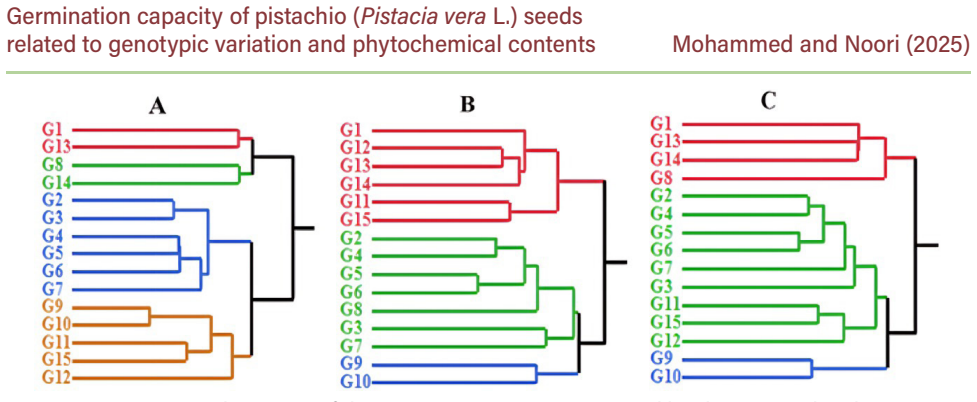
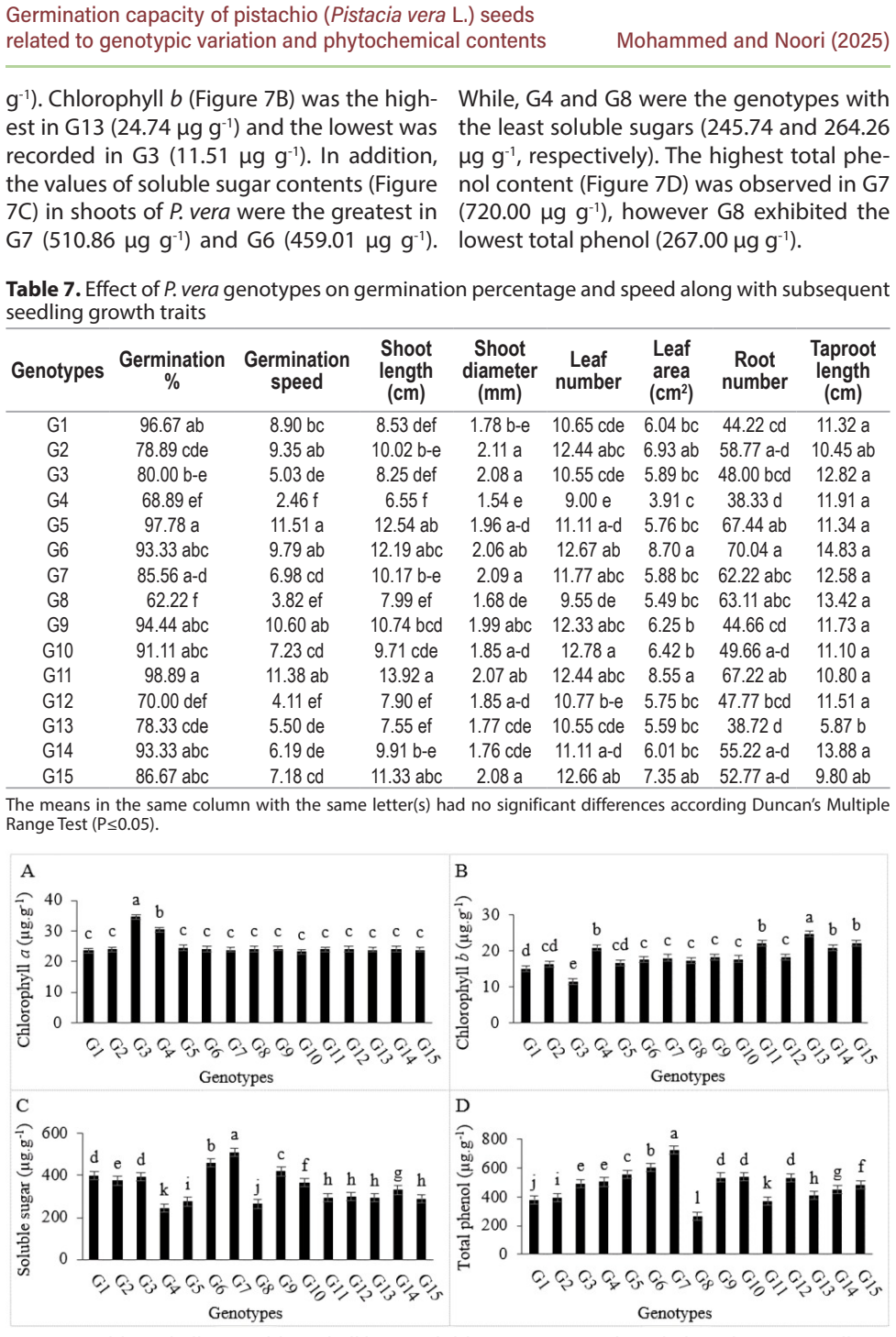
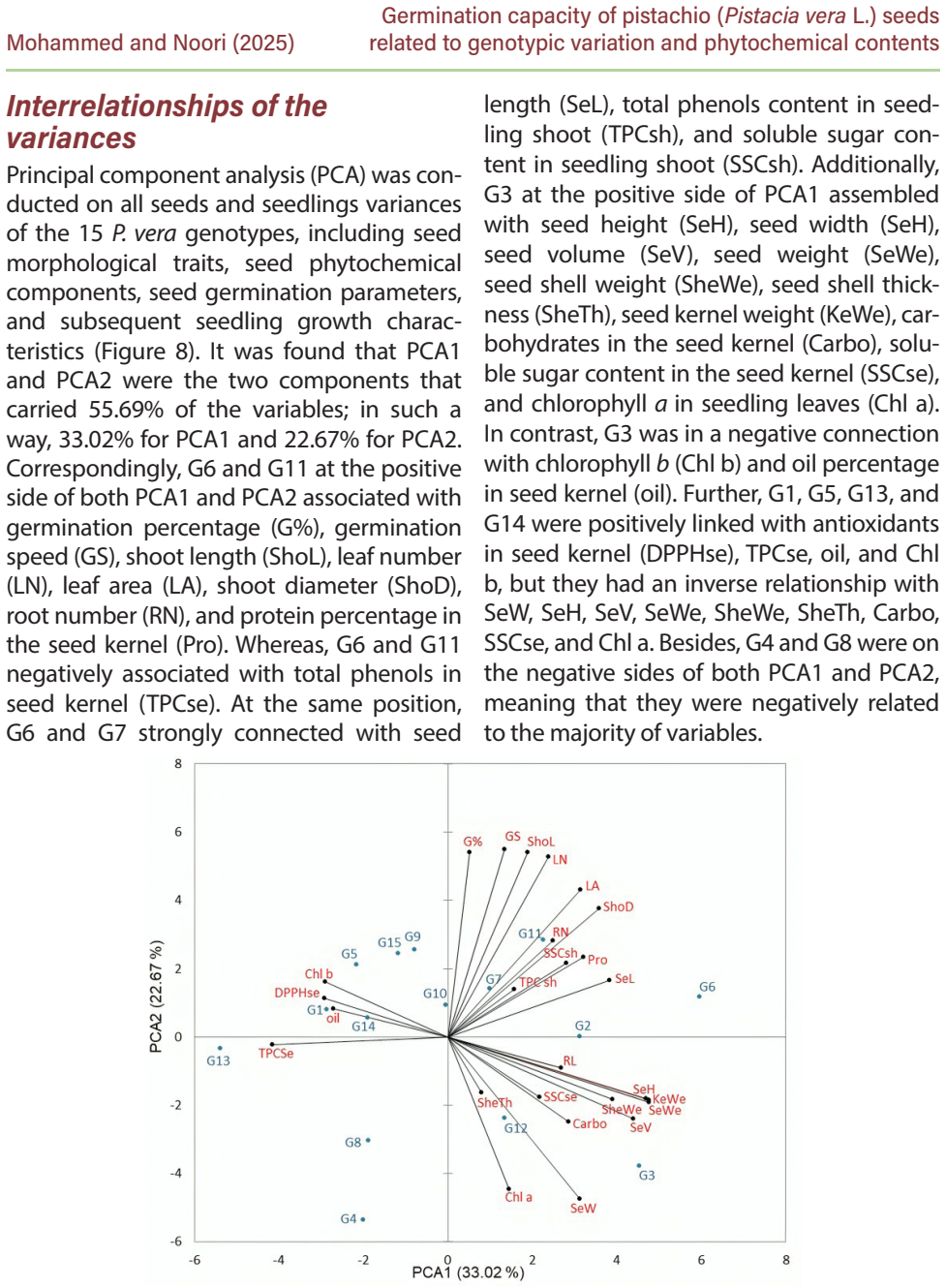
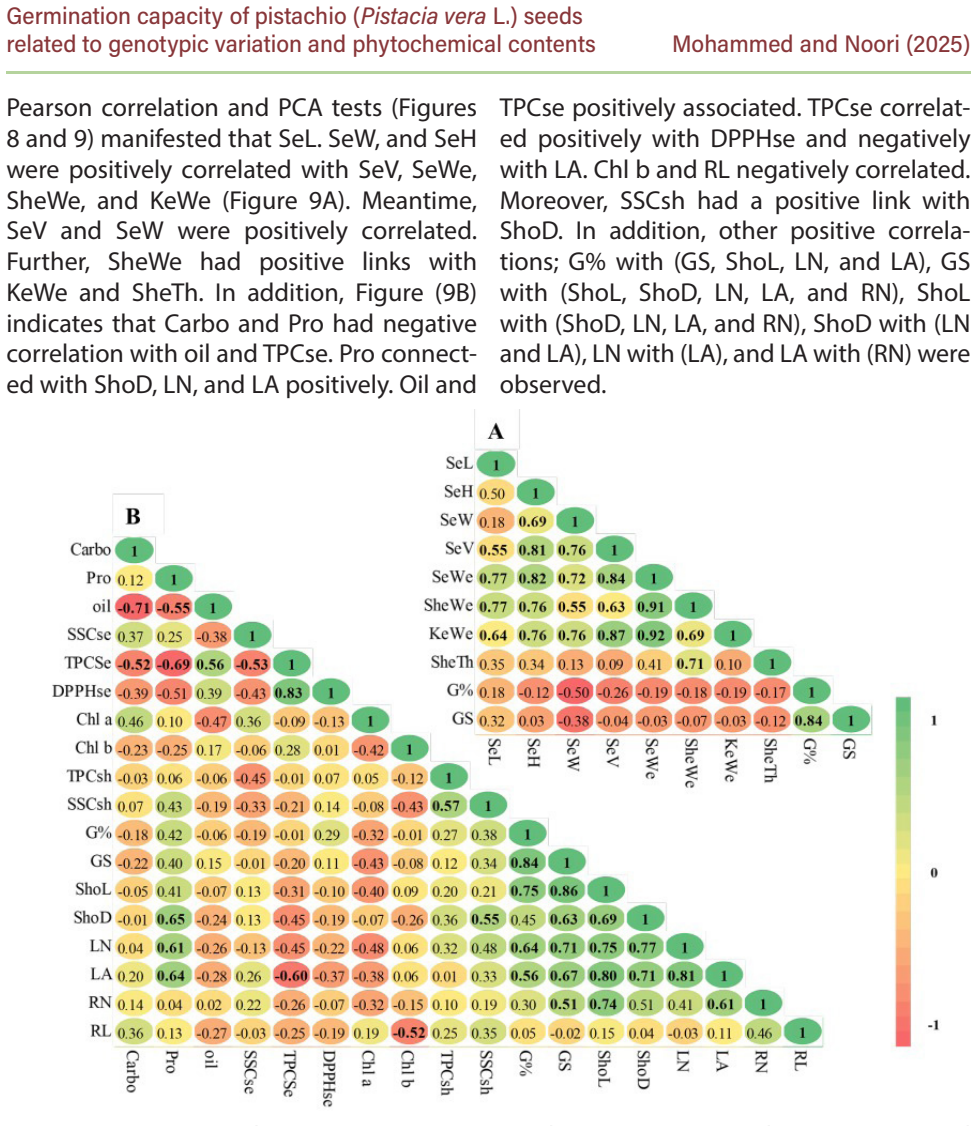
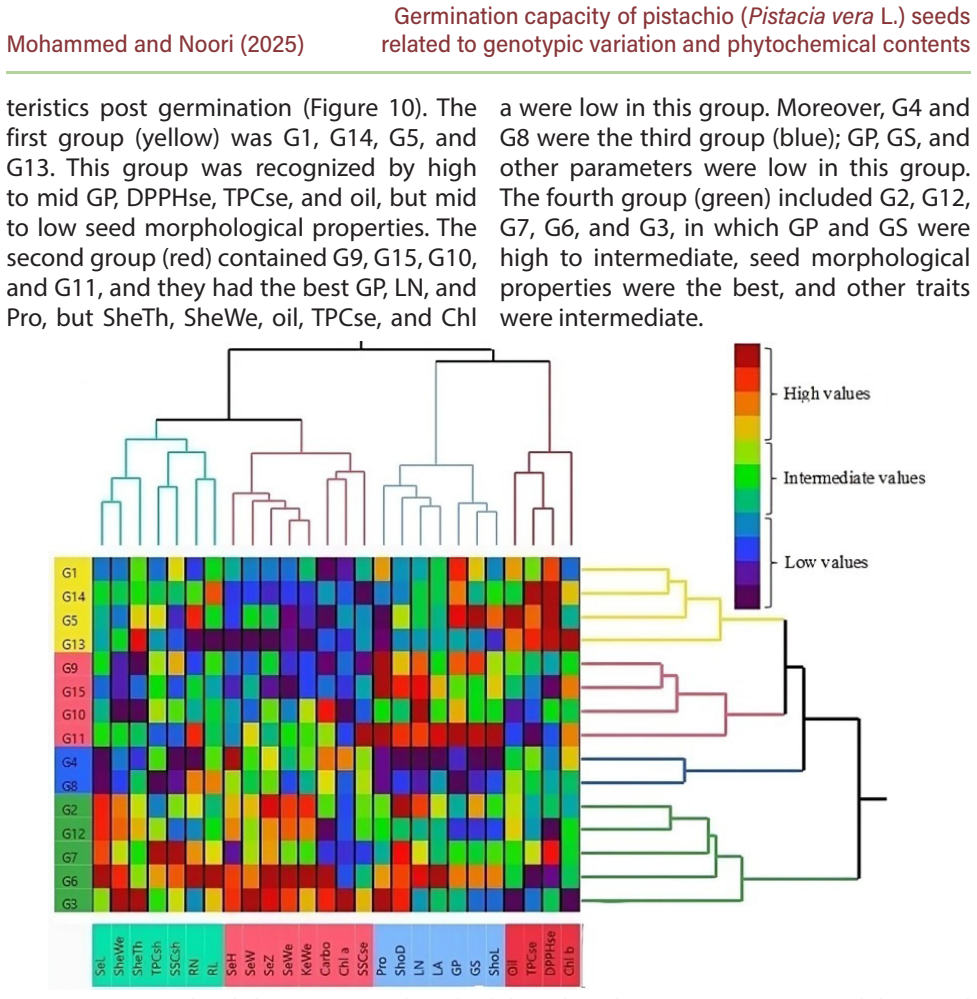
The genotypes G11, G5, G1, G9, G6, G14, and G10 exhibited the highest germination percentages and speeds, and groups like (G9, G10, G11), (G1 and G14), and (G5 and G6) were identified together by both ISSR and RAPD primers, while G4 and G8 showed low germination and clustered in RAPD analysis; phytochemical contents varied, with G9, G11, G1 having high protein, G11 high soluble sugar, and G5 high oil.
What carries the argument
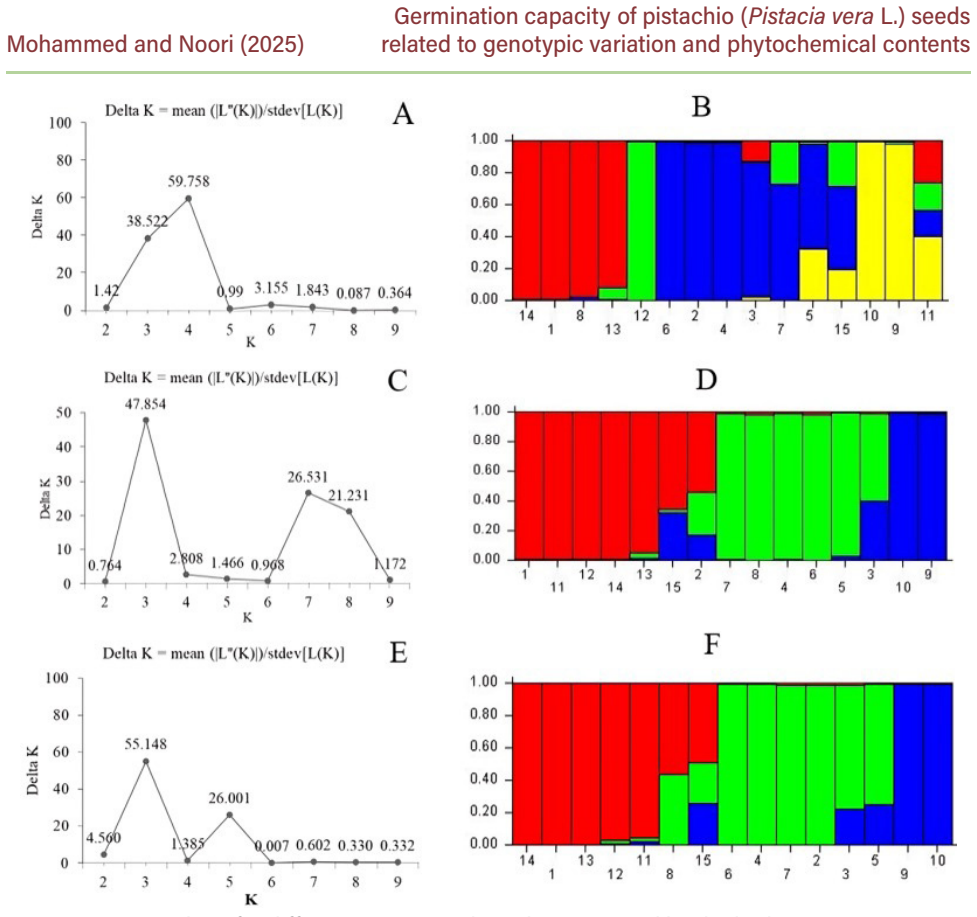
Classification of 15 Pistacia vera genotypes into groups using 16 ISSR and 16 RAPD primers, correlated with germination capacity and seed phytochemical contents.
If this is right
- Genotypes with consistent high germination across markers can be selected for propagation.
- Phytochemical profiles may serve as additional indicators for germination potential.
- The molecular markers can help identify superior genotypes without waiting for germination tests.
- Low performers like G8 and G4 may be avoided in breeding programs.
Where Pith is reading between the lines
- These genetic clusters could be used to map genes controlling germination traits.
- Environmental factors might interact with these genotypes, suggesting field trials.
- The approach could extend to other nut species for similar correlations.
Load-bearing premise
The molecular marker groupings based on the 32 primers capture genetic differences that directly influence seed germination capacity rather than unrelated variations.
What would settle it
Germination tests on the same genotypes in different soil or climate conditions that fail to show the same ranking of performance among the genetic groups.
Figures
read the original abstract
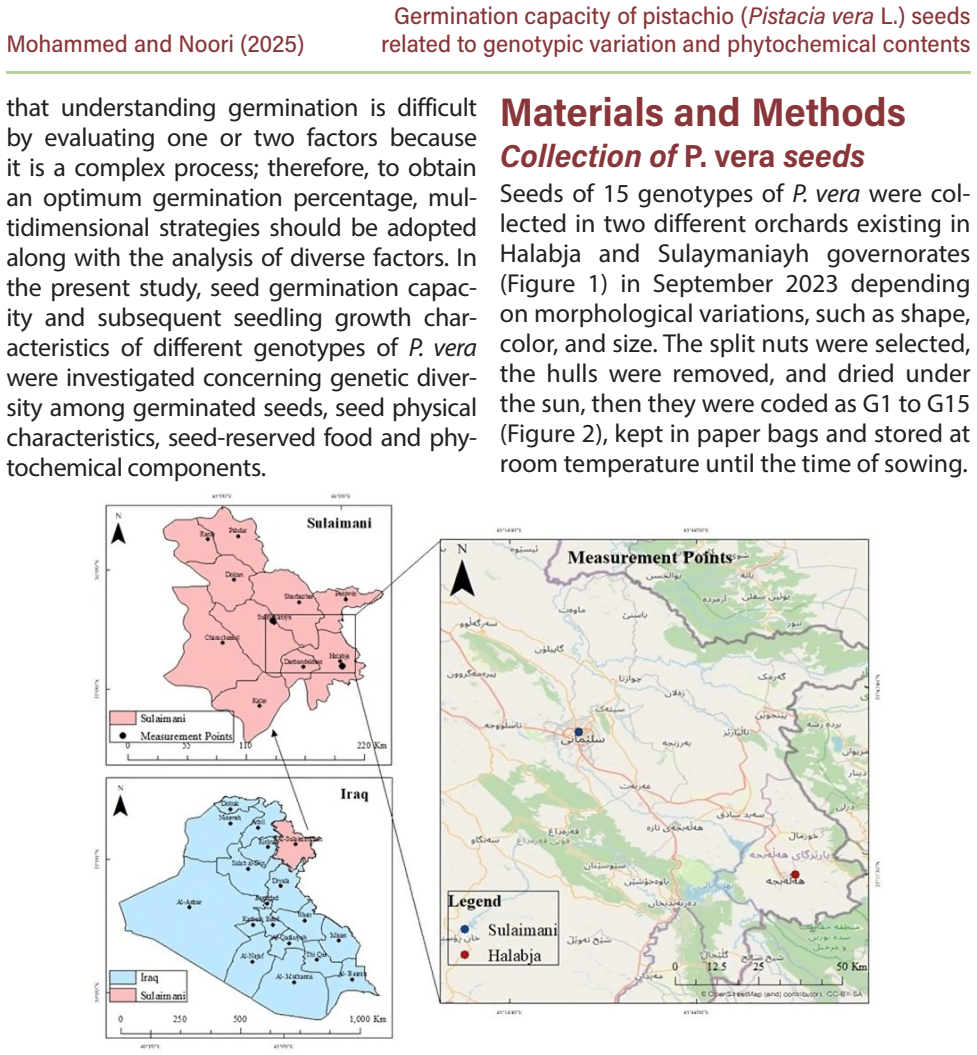
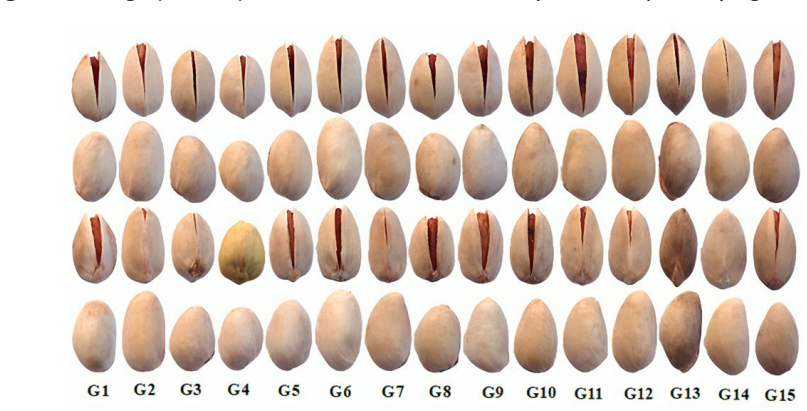
Genetic diversity and phytochemical components are the endogenous factors that influence seed germination. The current study aimed to compare the seed germination capacity of 15 Pistacia vera genotypes after assessing their genotypic variation using 32 primers (16 ISSR and 16 RAPD) and phytochemical contents. The obtained results explained that the ISSR primers classified the 15 P. vera genotypes into four groups, while the RAPD primers classified them into three groups. The genotypes G11, G5, G1, G9, G6, G14, and G10 had the highest germination percentages (98.89, 97.67, 96.67, 94.44, 93.33, 93.33, and 91.11%), respectively. Additionally, their germination speeds were also the highest. However, the lowest germination percentages (62.22 and 68.59%) were recorded in G8 and G4, respectively. Meanwhile, (G9, G10, and G11), (G1 and G14), and (G5 and G6) were identified together in the same group in accordance with both ISSR and RAPD primers. Also, G4 and G8 were in the same subgroup based on RAPD primers. Moreover, the maximum percent protein values (21.88, 21.88, and 20.78%) were measured in the seed kernels of G9, G11, and G1, respectively. Soluble sugar content was the best (798.9 ug g-1) in G11. The best percentage of oil (45.3%) was observed in G5.
Editorial analysis
A structured set of objections, weighed in public.
Referee Report
Summary. The manuscript reports an experimental study of 15 Pistacia vera genotypes in which germination percentage and speed were measured alongside phytochemical contents (protein, soluble sugar, oil) and genotypic variation assessed with 16 ISSR and 16 RAPD primers. It claims that seven genotypes (G11, G5, G1, G9, G6, G14, G10) exhibited the highest germination percentages (98.89 % down to 91.11 %) and speeds, that these genotypes co-cluster in both marker systems, and that G9/G11/G1 also showed the highest protein and sugar values while G5 had the highest oil content.
Significance. If the reported germination rankings and co-clustering are statistically validated and shown to reflect trait-relevant rather than neutral variation, the work could supply practical information for selecting pistachio seed sources with improved germination and kernel quality. The combination of molecular markers, germination phenotyping, and phytochemical assays follows a conventional multi-trait approach in plant genetic resources research.
major comments (3)
- [Abstract] Abstract: germination percentages are stated to three decimal places with no accompanying replication counts, standard errors, ANOVA results, or post-hoc tests, so the claim that G11, G5, etc. are unambiguously the 'highest' cannot be evaluated.
- [Abstract] Abstract: the inference that co-clustering of high-germination genotypes under both ISSR and RAPD primers indicates genotypic variation relevant to germination capacity is unsupported because no Mantel test, AMOVA, or regression of genetic distance against germination difference is reported.
- [Abstract] Abstract: phytochemical assay methods (extraction protocols, calibration, validation) and units (e.g., whether soluble sugar is expressed per gram dry or fresh weight) are not described, preventing assessment of the reported maximum values (21.88 % protein, 798.9 µg g⁻¹ sugar, 45.3 % oil).
minor comments (1)
- [Abstract] The abstract lists 15 genotypes but does not state the total number of seeds or replicates per genotype used for germination testing.
Simulated Author's Rebuttal
Thank you for the opportunity to respond to the referee's comments. We have carefully considered each point and provide our responses below. We are prepared to make revisions where appropriate to strengthen the manuscript.
read point-by-point responses
-
Referee: [Abstract] Abstract: germination percentages are stated to three decimal places with no accompanying replication counts, standard errors, ANOVA results, or post-hoc tests, so the claim that G11, G5, etc. are unambiguously the 'highest' cannot be evaluated.
Authors: The germination percentages reported in the abstract are means calculated from three replicates per genotype. We agree that the abstract should include this information along with standard errors. We will revise the abstract to report means ± SE and state that genotype differences were significant by one-way ANOVA followed by Duncan's multiple range test (p < 0.05). revision: yes
-
Referee: [Abstract] Abstract: the inference that co-clustering of high-germination genotypes under both ISSR and RAPD primers indicates genotypic variation relevant to germination capacity is unsupported because no Mantel test, AMOVA, or regression of genetic distance against germination difference is reported.
Authors: We acknowledge that the current abstract wording overstates the implication. The observed co-clustering is based solely on visual inspection of the UPGMA dendrograms generated from the two independent marker systems; no Mantel test, AMOVA, or trait-distance regression was performed. We will revise the abstract to describe the co-clustering as an observed pattern without asserting direct relevance to germination capacity, and we will note that such correlation analyses remain for future investigation. revision: yes
-
Referee: [Abstract] Abstract: phytochemical assay methods (extraction protocols, calibration, validation) and units (e.g., whether soluble sugar is expressed per gram dry or fresh weight) are not described, preventing assessment of the reported maximum values (21.88 % protein, 798.9 µg g⁻¹ sugar, 45.3 % oil).
Authors: The Materials and Methods section of the full manuscript details the protocols (Kjeldahl for protein, phenol-sulfuric acid for soluble sugars, Soxhlet for oil) and confirms all measurements were performed on a dry-weight basis. Because abstracts are space-limited, we will add the units explicitly and a short statement that methods follow the standard procedures described in the text. revision: partial
Circularity Check
No circularity; direct experimental reporting of measurements and observations.
full rationale
The paper reports raw experimental data: germination percentages, phytochemical contents, and genotype clustering from 32 ISSR/RAPD primers across 15 pistachio genotypes. No equations, fitted parameters, derived predictions, or self-citations appear in the provided text or abstract. Cluster assignments and percentage values are presented as direct observations without any reduction to prior fits or imported uniqueness theorems. The central claim (high-germination genotypes co-clustering) rests on the experimental results themselves rather than any self-referential derivation chain.
Axiom & Free-Parameter Ledger
axioms (2)
- domain assumption ISSR and RAPD primers produce stable and informative polymorphisms for Pistacia vera genotype classification
- domain assumption Standard seed germination testing conditions produce repeatable percentages across genotypes
Reference graph
Works this paper leans on
-
[1]
https://doi.org/10.1007/s11105-022-01347-5 ALBALASMEH, A.A.; BERHE, A.A.; GHEZZEHEI, T.A. A new method for rapid determination of carbohydrate and total carbon concentrations using UV spectrophotometry. Carbohydrate Polymers, London, v.97, n.2, p.253-61,
-
[2]
Improving the nutritional quality of pulses via germination
https://doi.org/10.1016/j.carbpol.2013.04.072 AVEZUMA, L.; LEFEVREA, C.; RONDETA, E.; RAJJOUB, L.; MESTRESA, C.; ACHIRA, N.; HEMERYC, Y.; GIBERTA, O.; VERDEILD, J.; MADODEE, Y. Improving the nutritional quality of pulses via germination. Food Reviews International, New York, v.39, n.9, p.6011-44,
-
[3]
Correlation between oil, protein and carbohydrate content of plant seeds, skin and fruit pulp
https://doi.org /10.1080/87559129.2022.2063329 BABATUNDE, O.; OGUNWALE, O.P .; AJAYI, O.O.; AJAYI, I.A. Correlation between oil, protein and carbohydrate content of plant seeds, skin and fruit pulp. Journal of Chemical Society of Nigeria, Imo State, v.47, n.1, p.190-202,
-
[4]
https://doi.org/10.46602/jcsn.v47i1.713 BAGHIZADEH, A.; NOROOZI, S.; JAVARAN, M.J. Study on genetic diversity of some Iranian Pistachio (Pistacia vera L.) cultivars using random amplified polymorphic DNA (RAPD), inter sequence repeat (ISSR) and simple sequence repeat (SSR) markers: A comparative study. African Journal of Biotechnology, Nairobi, v.9, n.45,...
-
[5]
https://doi.org/10.5897/AJB10.701 BASHABSHEH, N.; AL-RAMAMNEH, E.A.D.; ALHROUT, H.; AL-TAWAHA, A.R.; AL-RAWASHDEH, Z.B. Effects of pre-treatment solution, soaking period and cultivar on germination of pistachio (Pistacia vera) seeds. Research on Crops , Siliguri, v.19, n.2, p.211-6,
-
[6]
https://doi. org/10.5958/2348-7542.2018.00031.1 BRUNEL, S.; TEULAT-MERAH, B.; WAGNER, M.H.; HUGUET, T.; PROSPERI, J.M.; DÜRR, C. Using a model-based framework for analysing genetic diversity during germination and heterotrophic growth of Medicago truncatula. Annals of Botany, Oxford, v.103, n.7, p.1103-17,
-
[7]
Production and synthetic modifications of shikimic acid
https:// doi.org/10.1093/aob/mcp040 CANDEIAS, N.R.; ASSOAH, B.; SIMEONOV, S.P . Production and synthetic modifications of shikimic acid. Chemical Reviews , Easton, v.118, n.20, p.10458-550,
-
[8]
Spatially Resolving Electron Spin Resonance ofπ-Radical in Single-Molecule Magnet
https://doi.org/10.1021/acs. chemrev.8b00350 CHUNG, J.; BABKA, H.L., GRAEF, G.L.; STASWICK, P .E.; LEE, D.J.; CREGAN, P .B.; SHOEMAKER, R.C.; SPECHT, J.E. The seed protein, oil, and yield QTL on soybean linkage group I. Crop Science, Madison, v.43, n.3, p.1053-67,
-
[9]
Effect of temperatures and germination media on seed germination of Jatropha curcas Linn
https://doi.org/10.2135/cropsci2003.1053 GAIROLA, K.C.; NAUTIYAL, A.R.; DWIVEDI, A.K. Effect of temperatures and germination media on seed germination of Jatropha curcas Linn. Advances in Bioresearch , Agra, v.2, n.2, p.66-71,
-
[10]
Mohammed and Noori (2025) Germination capacity of pistachio (Pistacia vera L.) seeds related to genotypic variation and phytochemical contents 20 Fruit. Crop. Sci. J. 2025; v.1: e-572 GOYAL, K.; SINGH, N.; JINDAL, S.; KAUR, R.; GOYAL, A.; AWASTHI, R. Kjeldahl method. Advanced Techniques of Analytical Chemistry, Singapore, v.1, n.1, p.105-12,
2025
-
[11]
https:// doi.org/10.1093/jxb/eru378 HELLEMANS, T.; LANDSCHOOT, S.; DEWITTE, K.; VAN BOCKSTAELE, F.; VERMEIR, P .; EECKHOUT, M.; HAESAERT, G. Impact of crop husbandry practices and environmental conditions on wheat composition and quality: a review. Journal of Agricultural and Food Chemistry, Esaton, v.66, n.11, p.2491-509,
-
[12]
Effect of genotypes and pre-sowing treatments on seed germination behavior of Jatropha
https://doi.org/10.1021/acs.jafc.7b05450 ISLAM, A.K.M.A.; ANUAR, N.; YAAKOB, Z. Effect of genotypes and pre-sowing treatments on seed germination behavior of Jatropha. Asian Journal of Plant Sciences, Faisalābād, v.8, n.6, p.433,
-
[13]
https://doi.org/10.3923/ajps.2009.433.439 JAVANSHAH, A.; TAJABADIPOUR, A.; MIRZAEI, S. Identification of a new phenotype (Siah Barg) of pistachio ( Pistacia vera L.) with shiny-blackish green leaves using RAPD assay. International Journal of Agriculture & Biology, Faisalabad, v.9, n.2, p.307-10,
-
[14]
p.218-247. https://doi.org/10.1533/9780857092618.218 KOUAKOU, J.L; GONEDELÉ-BI, S.; ASSAMOI, J.B.; N’GUETTA, S.P .A. Optimization of the Cetyltrimethylammonium bromide (CTAB) DNA extraction protocol using forest elephant dung samples. MethodsX, Amsterdam, v.9, n.101867,
-
[16]
Optimizing seed germination and seedling growth in different kiwifruit genotypes
https://doi.org/10.3389/ fnut.2022.1067597 MAGHDOURI, M.; GHASEMNEZHAD, M.; RABIEI, B.; GOLMOHAMMADI, M.; ATAK, A. Optimizing seed germination and seedling growth in different kiwifruit genotypes. Horticulturae, Basel, v.7, n.9, p.314,
arXiv 2022
-
[17]
https://doi.org/10.3390/horticulturae7090314 MAJEED, H.O.; FARAJ, J.M.; RASUL, K.S.; LATEEF, D.D.; TAHIR, N.A. Evaluation of the genetic diversity and population structure of reticulated iris accessions in the Iraqi Kurdistan region using SCoT and SRAP markers. Genetic Resources and Crop Evolution, Dordrecht, v.71, p.3705-20,
-
[18]
Micrografting of Pistacia vera L.: a review
https://doi.org/10.1007/s10722-024-01884-w MOHAMMED, A.A.; ARKWAZEE, H.A. Micrografting of Pistacia vera L.: a review. SVU-International Journal of Agricultural Sciences, South Valley v.6, n.1, p.61-72,
-
[19]
Genetic diversity in the germplasm of tropical maize landraces determined using molecular markers
https://doi.org/10.21608/ SVUIJAS.2024.262833.1333 MOLIN, D.; COELHO, C.J.; MÁXIMO, D.S.; FERREIRA, F.S.; GARDINGO, J.R.; MATIELLO, R.R. Genetic diversity in the germplasm of tropical maize landraces determined using molecular markers. Genetics and Molecular Research , Ribeirão Preto, v.12, n.1, p.99-114,
arXiv 2024
-
[20]
org/10.4238/2013.January.22.8 NOROOZI, S.; BAGHIZADEH, A.; JAVARAN, M.J
https://doi. org/10.4238/2013.January.22.8 NOROOZI, S.; BAGHIZADEH, A.; JAVARAN, M.J. The genetic diversity of Iranian pistachio Pistacia vera L. cultivars revealed by ISSR markers. Biological Diversity and Conservation , v.2, n.2, p.50-6,
-
[21]
Mohammed and Noori (2025) Germination capacity of pistachio ( Pistacia vera L.) seeds related to genotypic variation and phytochemical contents Fruit. Crop. Sci. J. 2025; v.1: e-572 21 RABADÁN, A.; ÁLVAREZ-ORTÍ, M.; PARDO, J.E. A comparison of the effect of genotype and weather conditions on the nutritional composition of most important commercial nuts. S...
2025
-
[22]
https://doi.org/10.1016/j.scienta.2018.09.064 RASUL, K.S.; GRUNDLER, F.M.W.; TAHIR, N.A. Genetic diversity and population structure assessment of Iraqi tomato accessions using fruit characteristics and molecular markers. Horticulture, Environment, and Biotechnology, New York, v.63, n.4, p.523-38,
-
[23]
Stability of entropic optimal transport and Schrödinger bridges.J
https://doi.org/10.1016/j. scienta.2019.02.083 SADRAS, V.O.; DENISON, R.F. Do plant parts compete for resources? An evolutionary viewpoint. New Phytologist , London, v.183, n.3, p.565-74,
work page doi:10.1016/j 2019
-
[24]
org/10.1111/j.1469-8137.2009.02848.x SHEIKHI, A.; ARAB, M.M.; BROWN, P .J.; FERGUSON, L.; AKBARI, M
https://doi. org/10.1111/j.1469-8137.2009.02848.x SHEIKHI, A.; ARAB, M.M.; BROWN, P .J.; FERGUSON, L.; AKBARI, M. Pistachio (Pistacia spp.) breeding. In: AL-KHAYRI, J.; JAIN, S.; JOHNSON, D. Advances in plant breeding strategies : nut and beverage crops. Cham: Springer, 2019, p. 353-400. ISBN 978-3-03-023111-8. SU, S.; ZHOU, Y.; QIN, J.G.; YAO, W.; MA, Z....
-
[25]
Effects of shape and size of hybrid maize seed on germination and vigour of different genotypes
https:// doi.org/10.1080/02705060.2010.9664402 TABAKOVIC, M.; SIMIC, M.; STANISAVLJEVIC, R.; MILIVOJEVIC, M.; SECANSKI, M.; POSTIC, D. Effects of shape and size of hybrid maize seed on germination and vigour of different genotypes. Chilean Journal of Agricultural Research , Santiago, v.80, n.3, p.381-92,
-
[26]
org/10.4067/S0718-58392020000300381 TAHIR, N.A
https://doi. org/10.4067/S0718-58392020000300381 TAHIR, N.A. Genetic variability evaluation among Iraqi rice ( Oryza sativa L) varieties using RAPD markers and protein profiling. Jordan Journal of Biological Sciences , Zarqa, v.7, n.1, p.13-8, 2014a. https://doi.org/10.12816/0008207 TAHIR, N.A. Comparison of rapd-pcr and sds-page techniques to evaluate ge...
-
[27]
org/10.3390/agronomy11071430 WILSON, R.F
https://doi. org/10.3390/agronomy11071430 WILSON, R.F. Seed composition. In: BOERMA, H.R.; SPECHT, J.E. Soybeans: improvement, production, and uses. Madison: ASA, 2004, p.621-77. https://doi.org/10.2134/agronmonogr16.3ed.c13 YAHYAVI, F.; ALIZADEH-KHALEDABAD, M.; AZADMARD-DAMIRCHI, S. Oil quality of pistachios (Pistacia vera L.) grown in East Azarbaijan, I...
-
[28]
Plant development regulation: Overview and perspectives
https://doi.org/10.1016/j.nfs.2019.11.001 YRUELA, I. Plant development regulation: Overview and perspectives. Journal of Plant Physiology, Jena, v.182, p.62-78,
-
[29]
https://doi.org/10.1016/j.jplph.2015.05.006
discussion (0)
Sign in with ORCID, Apple, or X to comment. Anyone can read and Pith papers without signing in.