Handbook of Error-Correcting Codes
Pith reviewed 2026-06-27 12:48 UTC · model grok-4.3
The pith
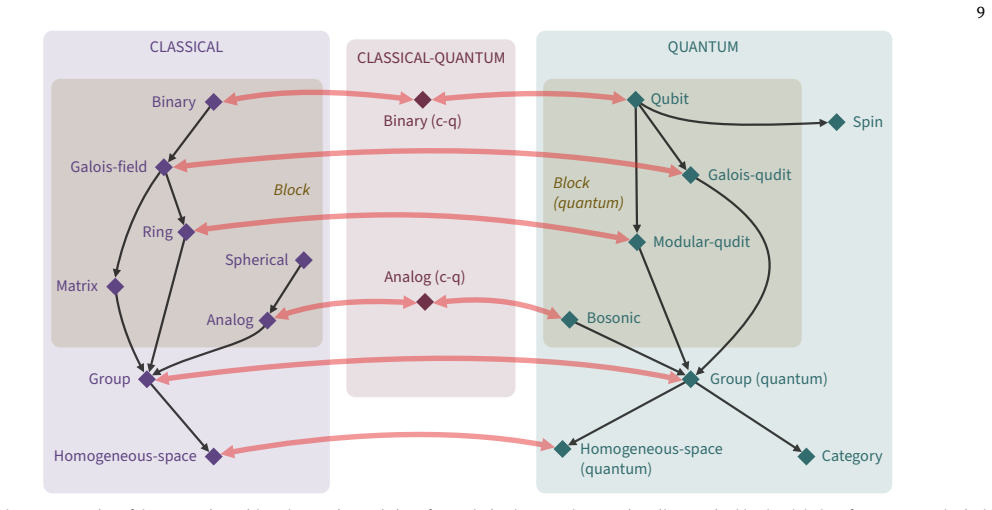
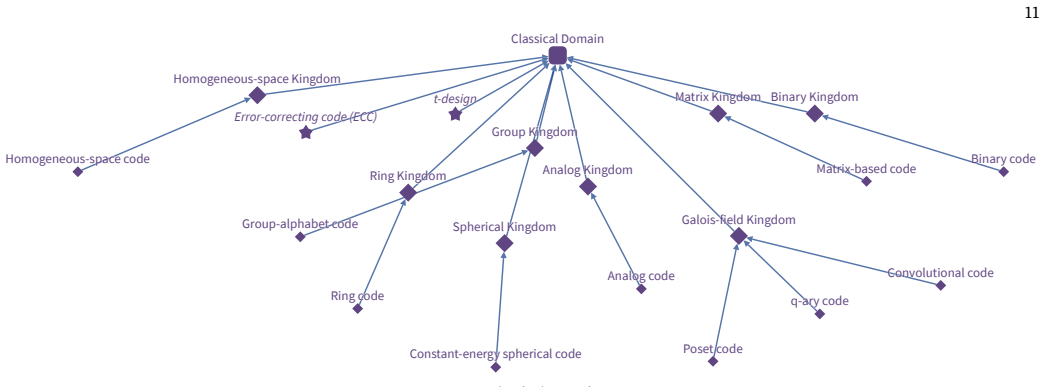
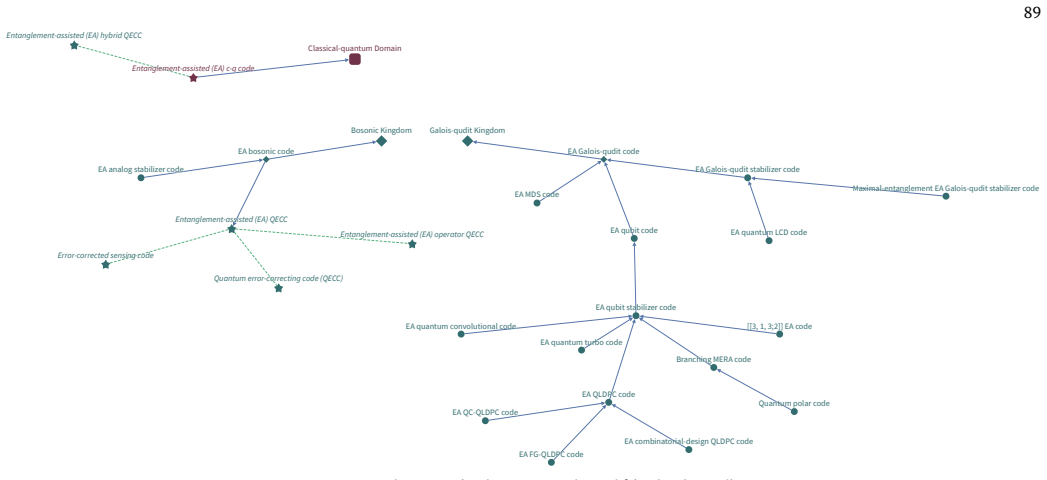
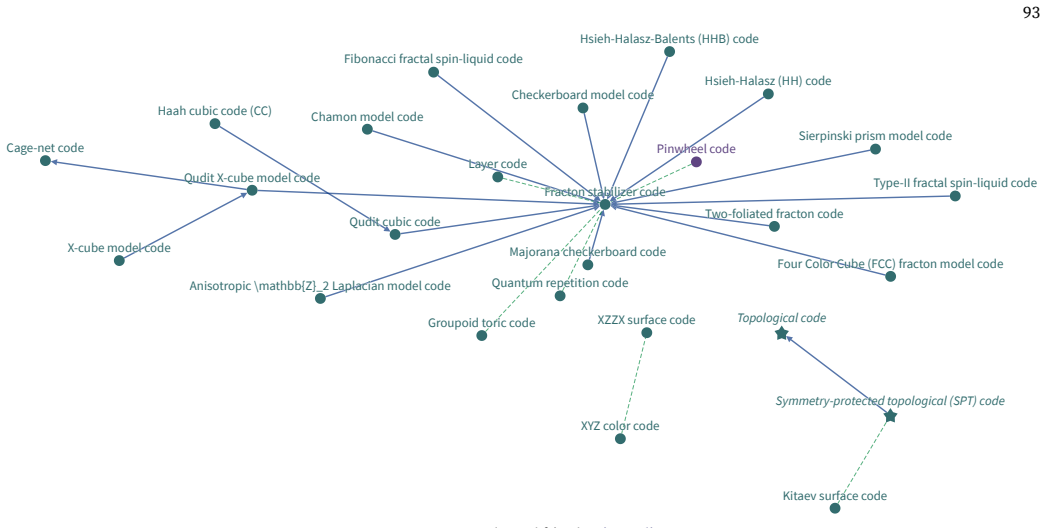
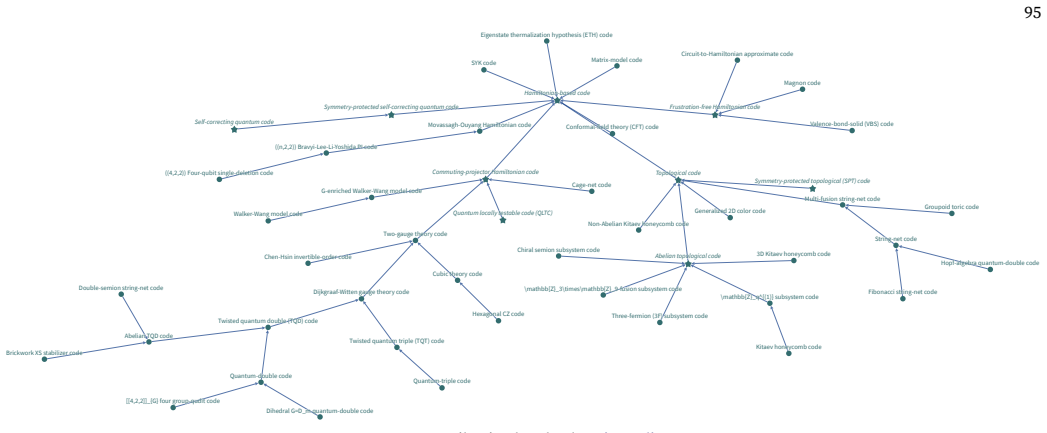
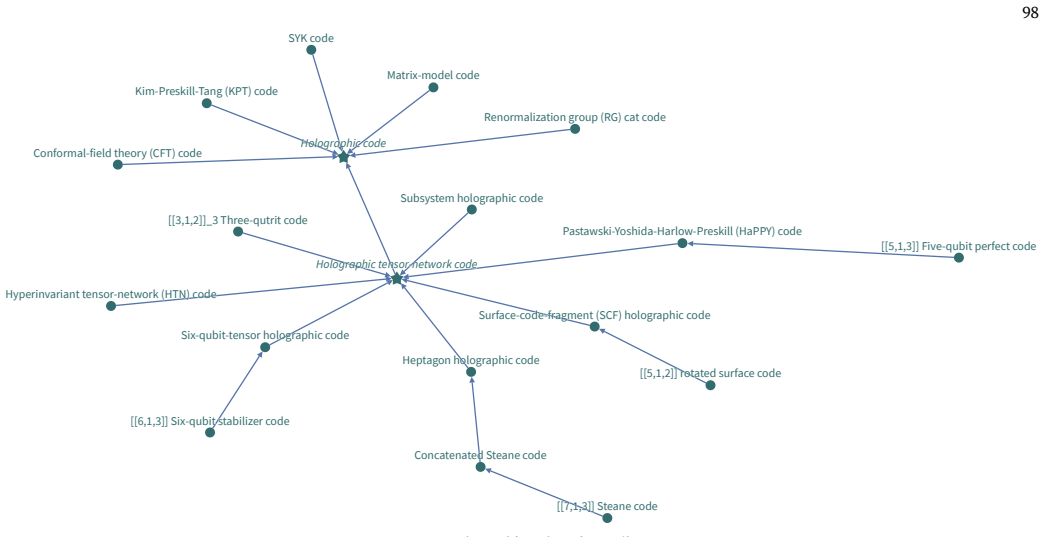
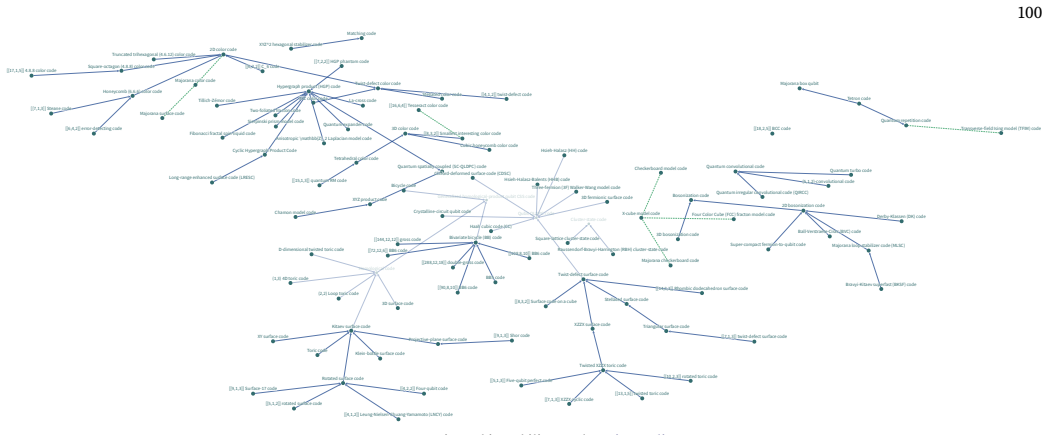
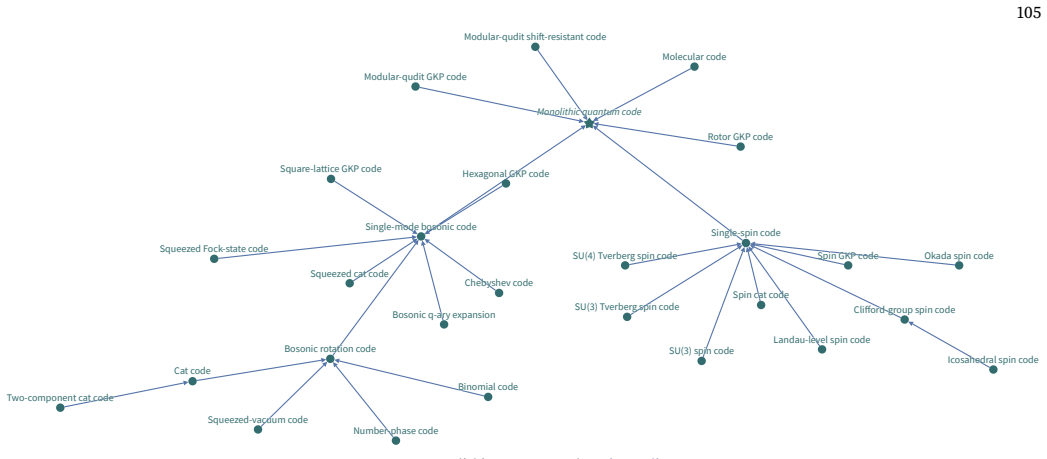
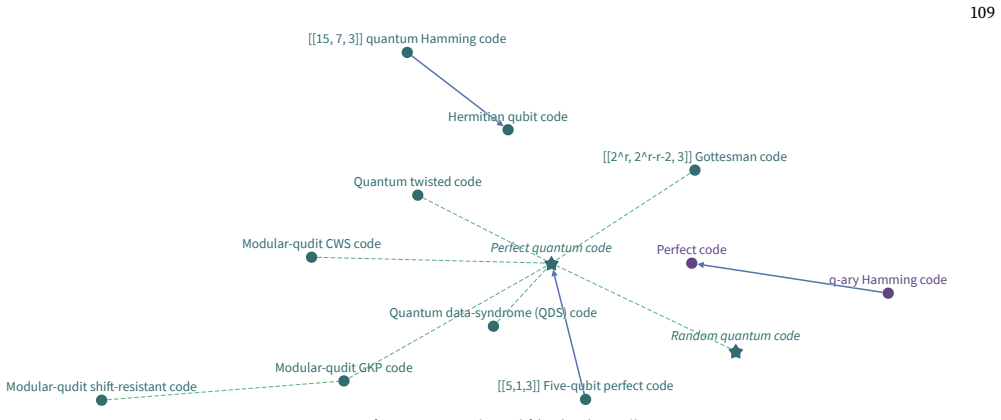
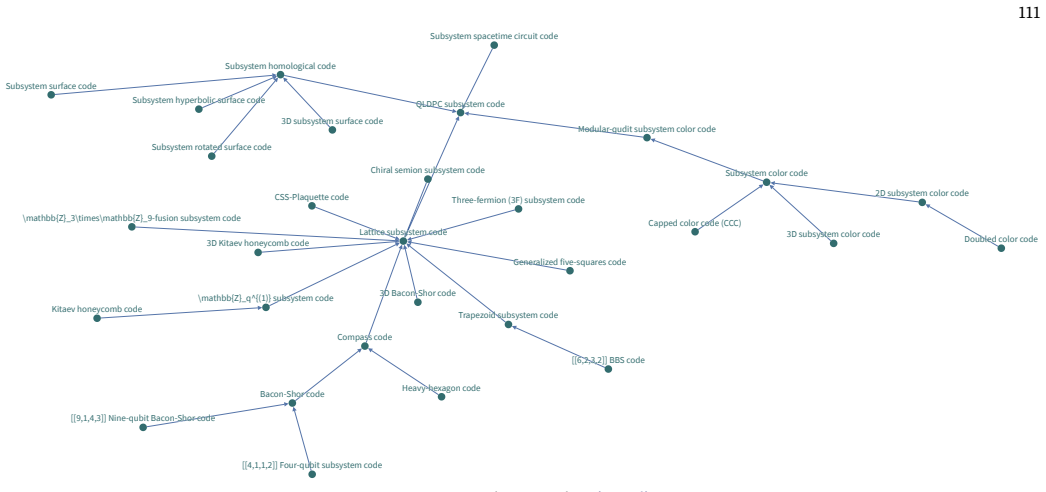
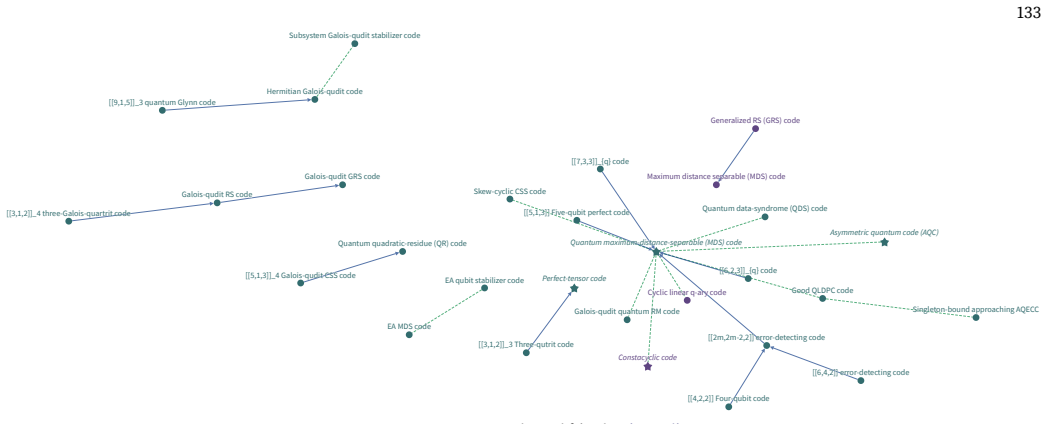
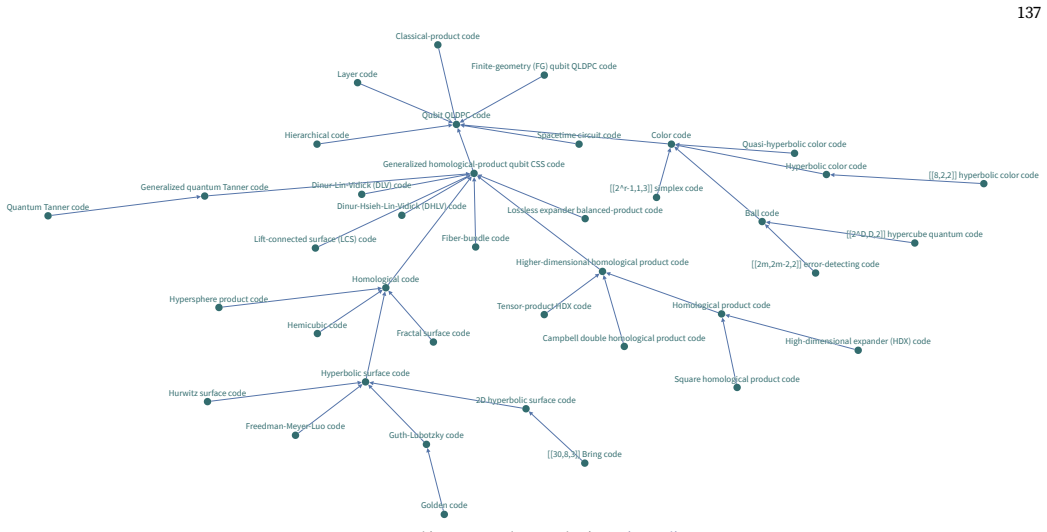
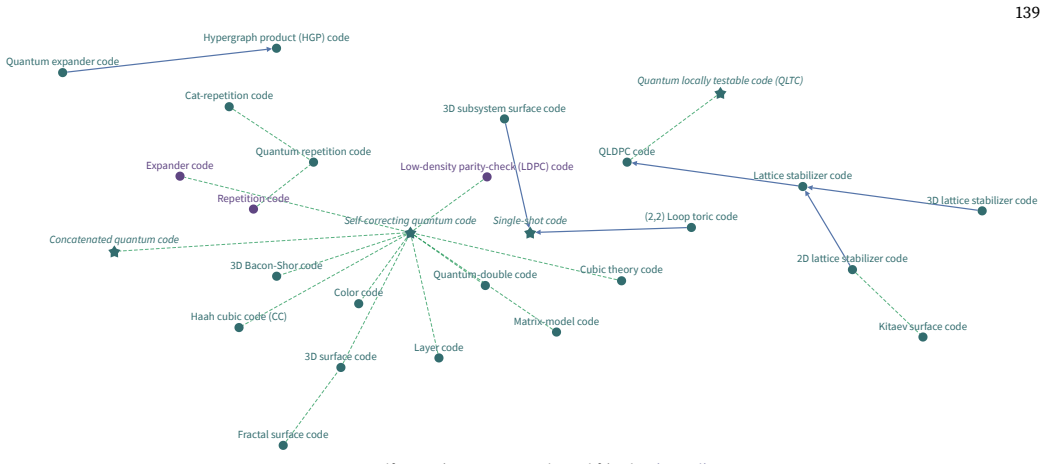
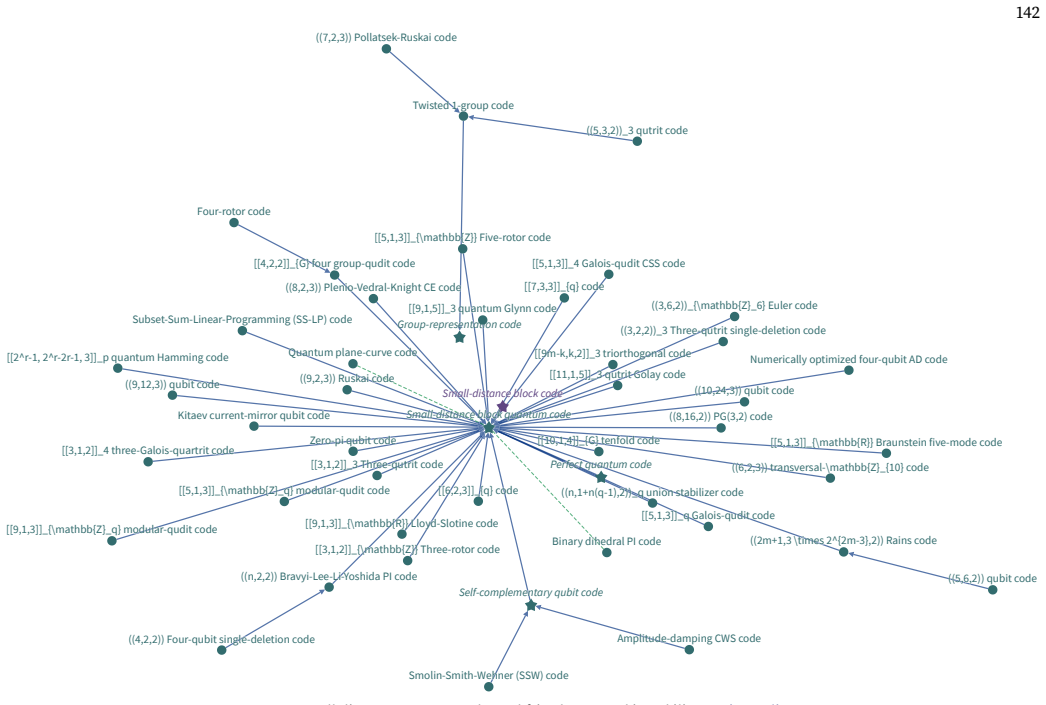
A handbook classifies error-correcting codes by the symbols they use and catalogues relations to lattices and other objects.
A machine-rendered reading of the paper's core claim, the machinery that carries it, and where it could break.
Core claim
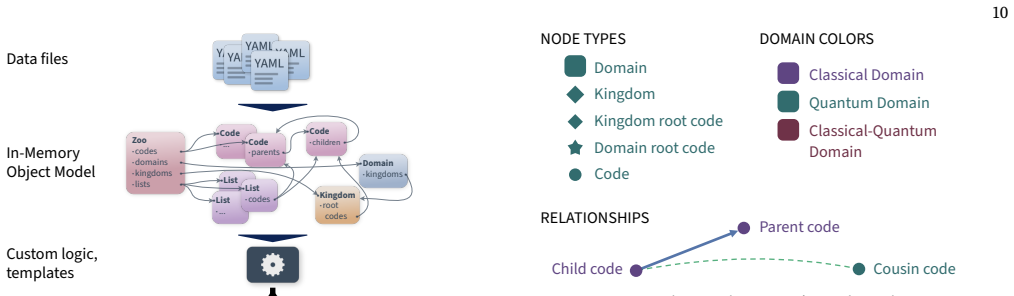
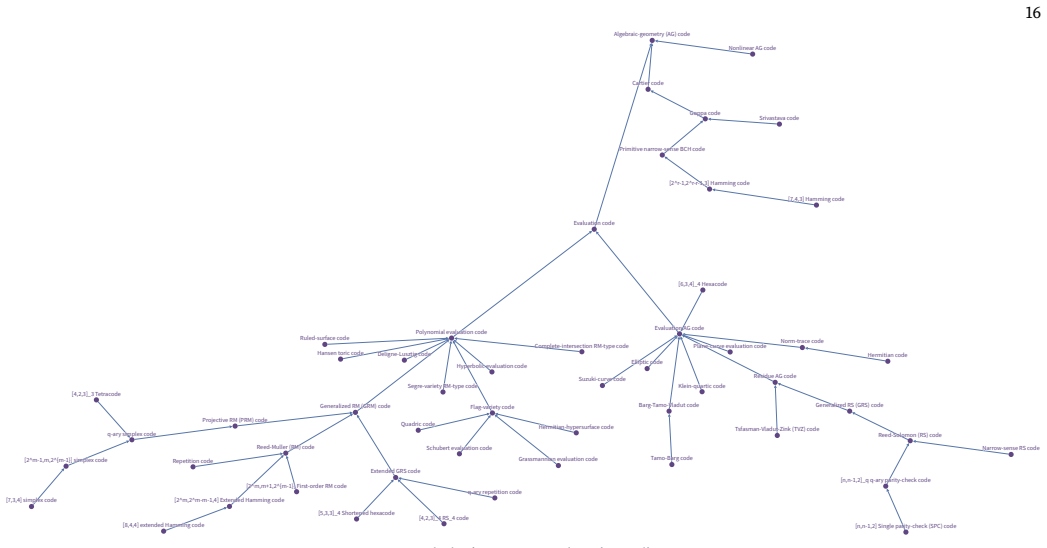
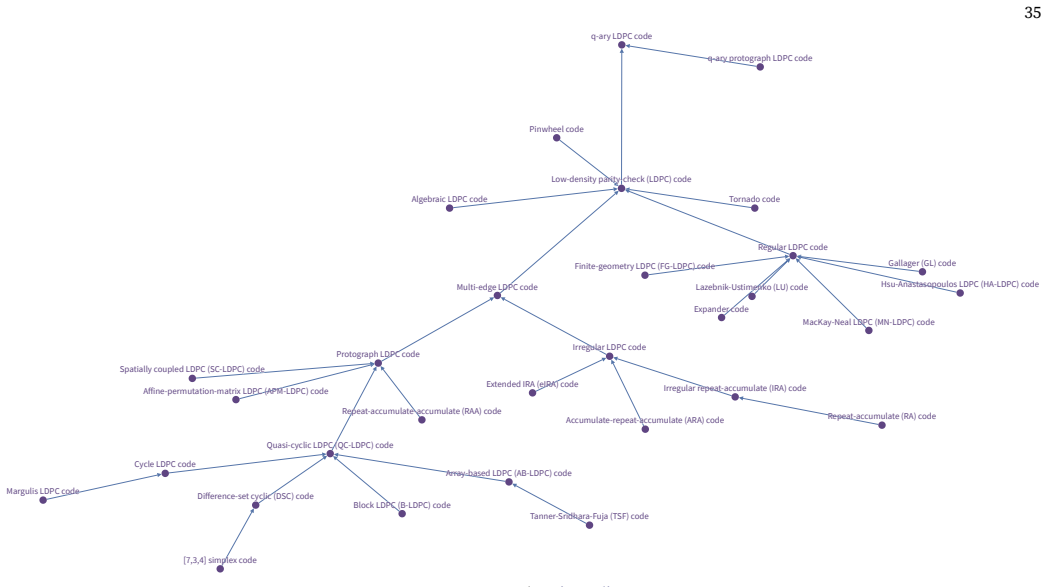
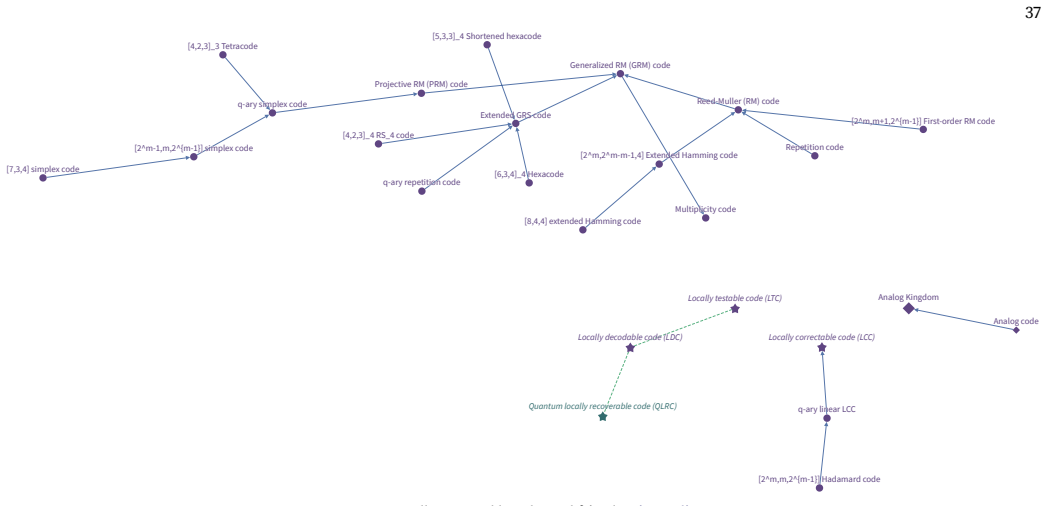
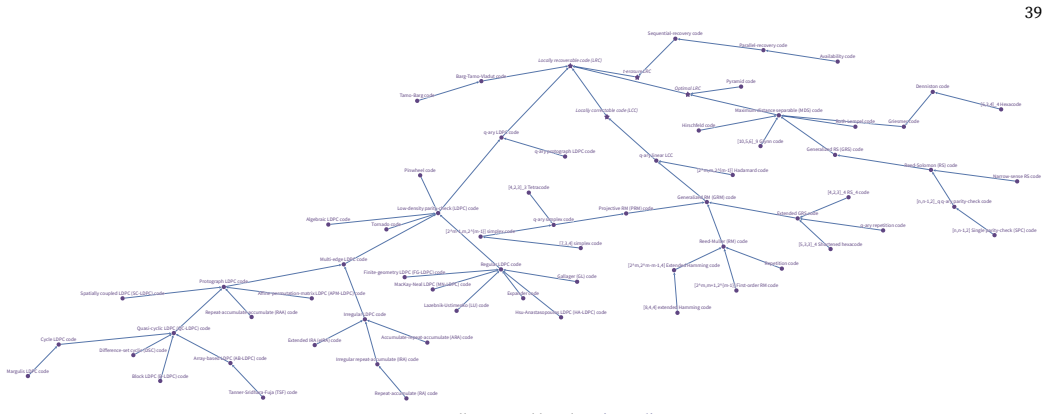
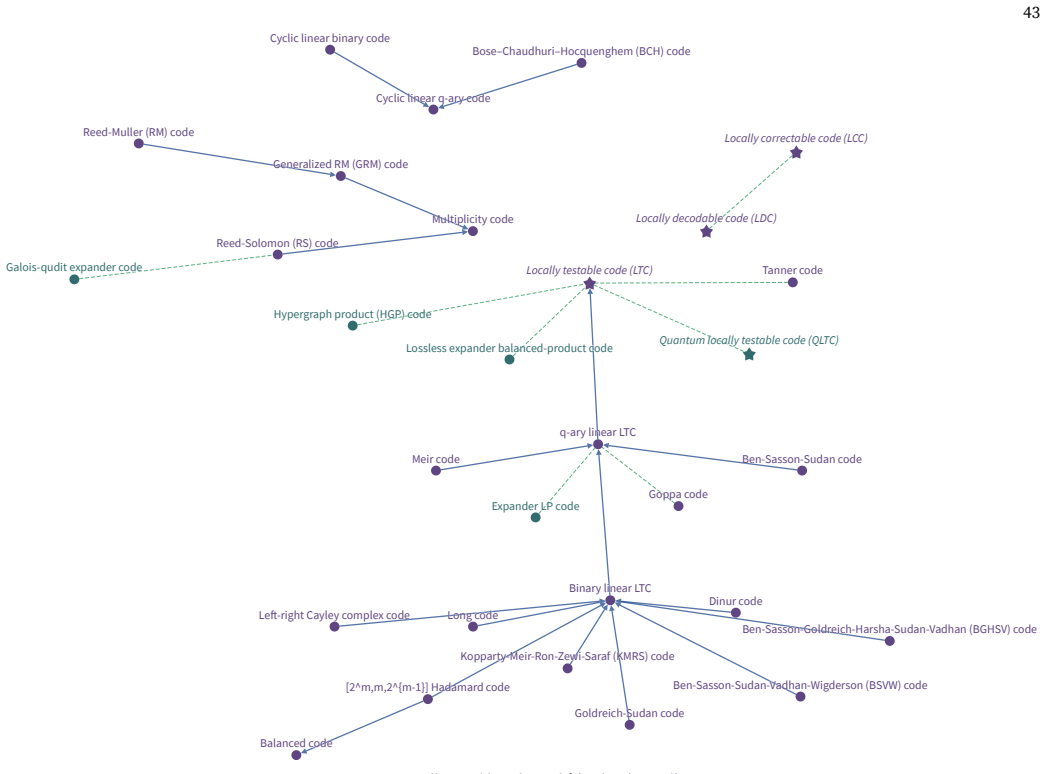
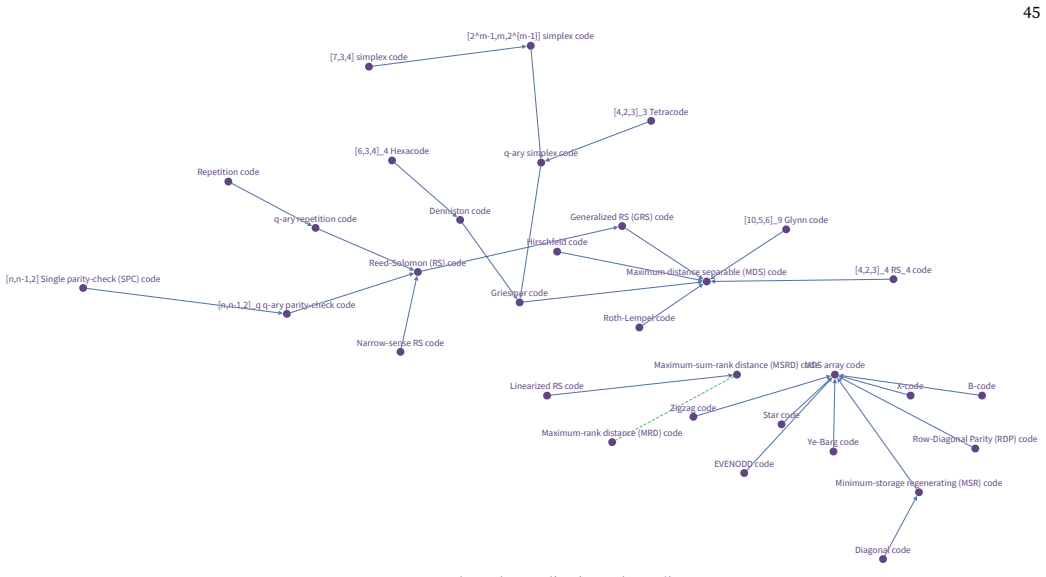
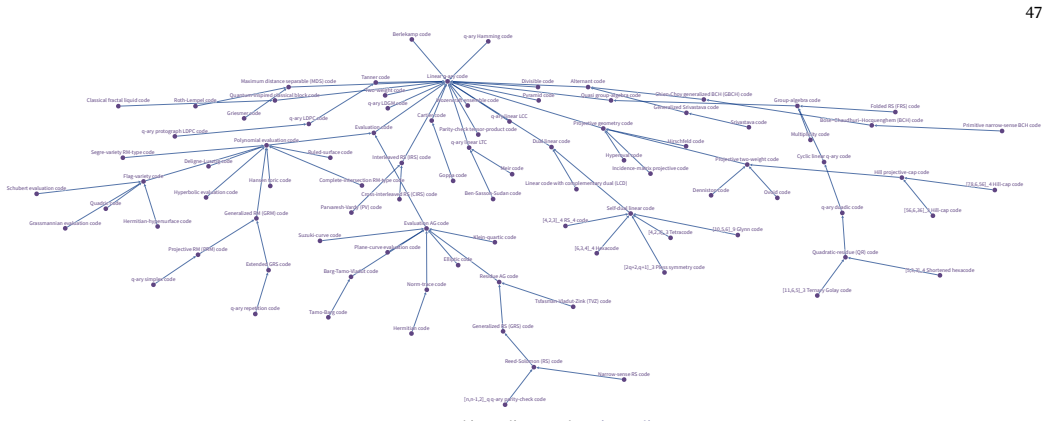
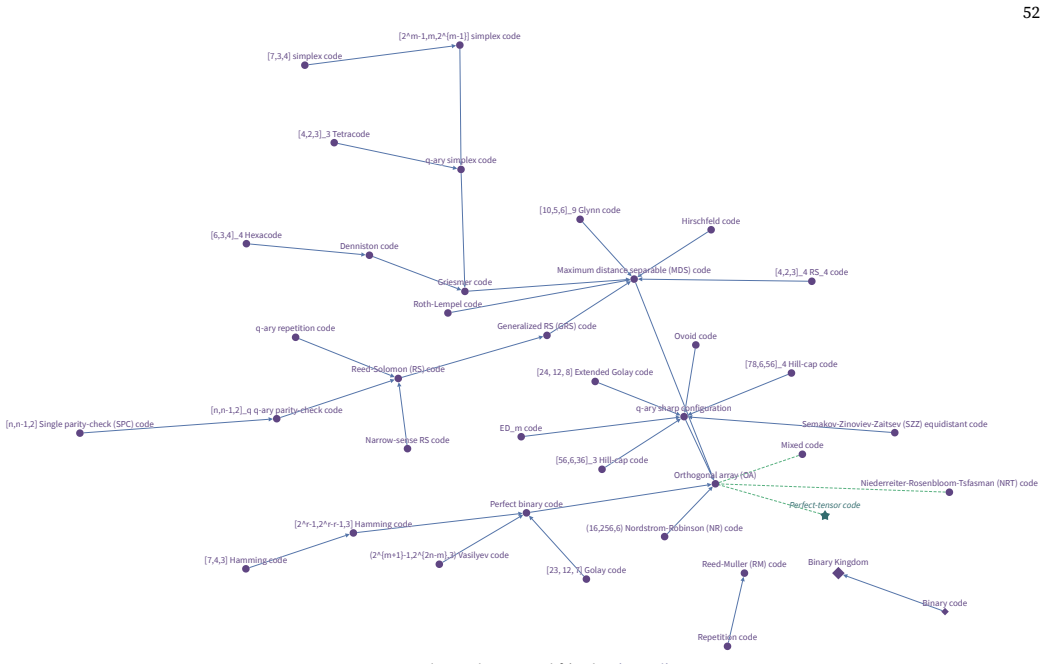
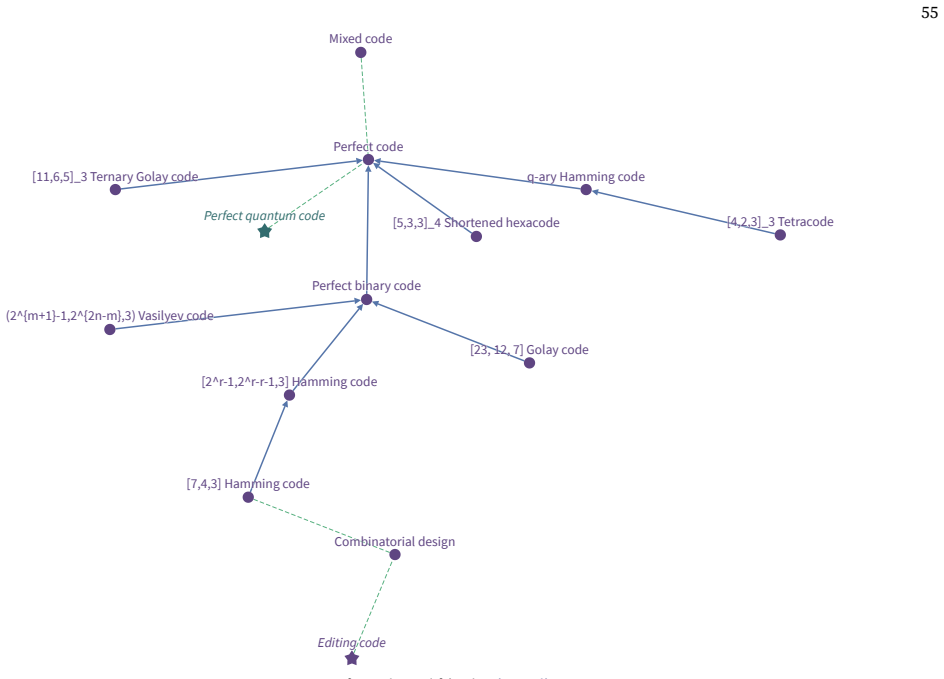
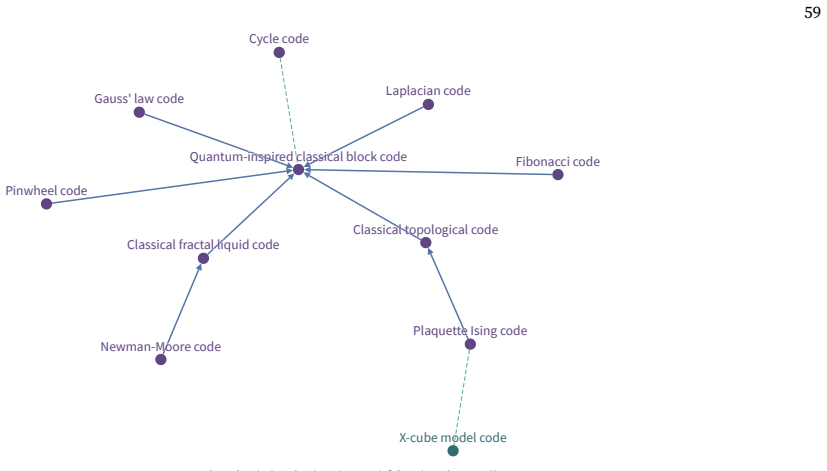
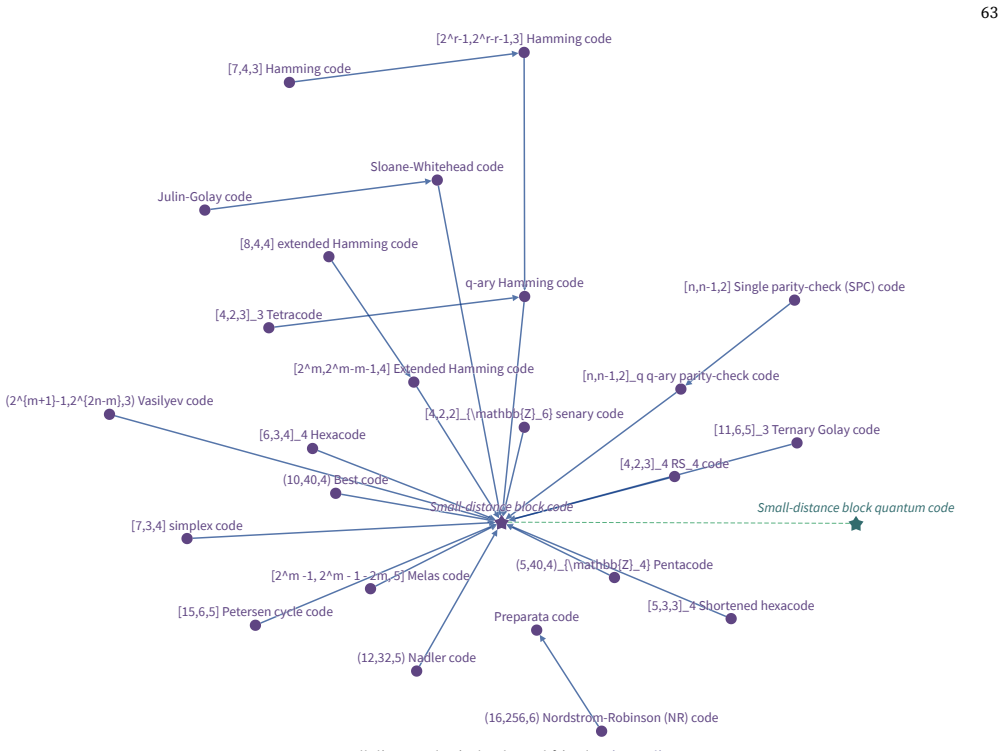
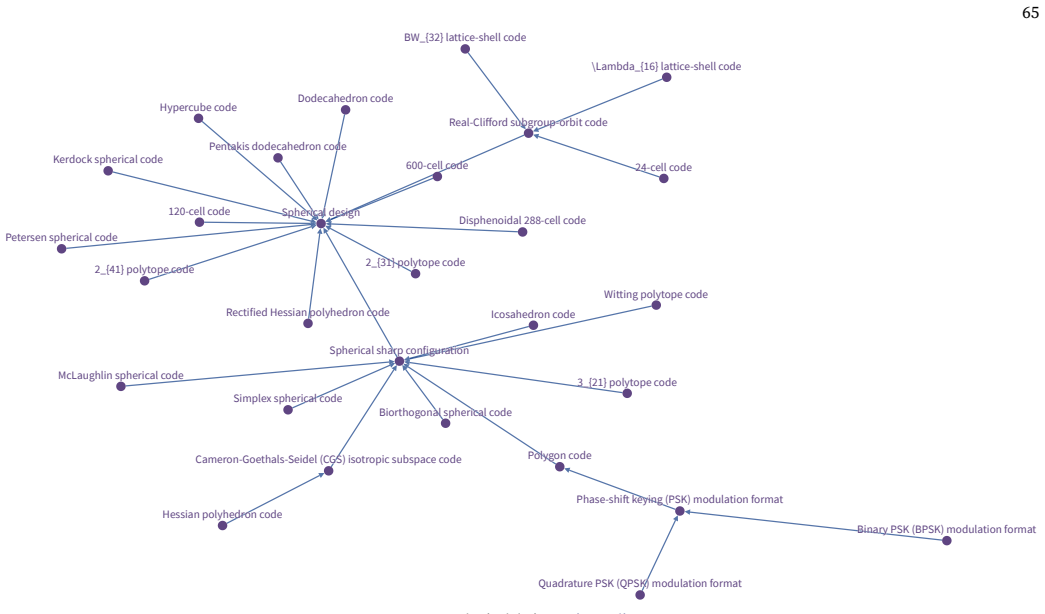
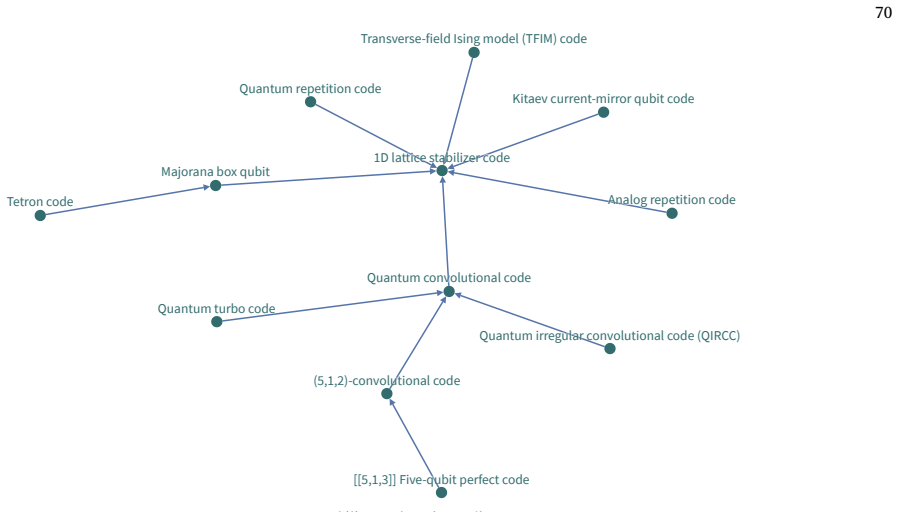
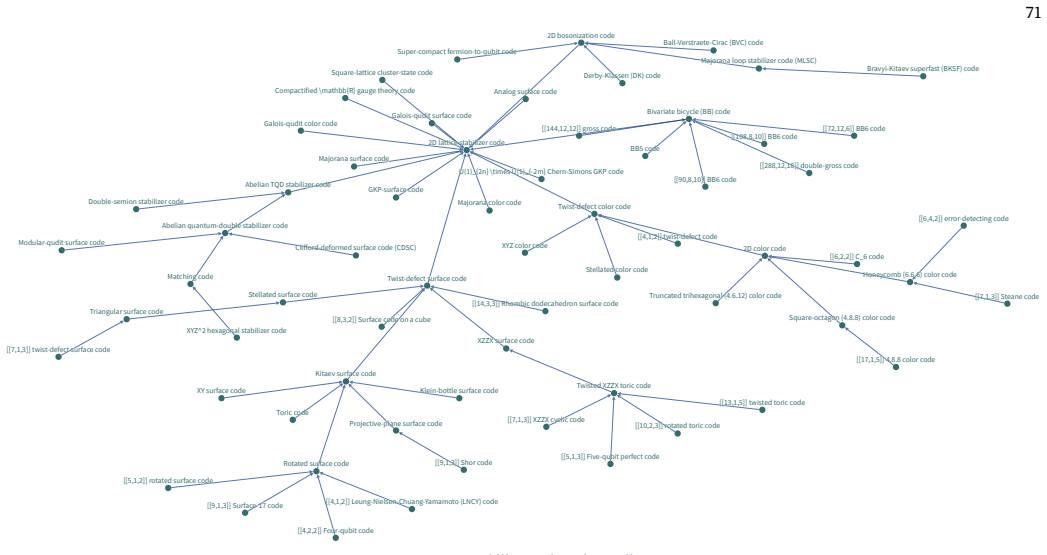
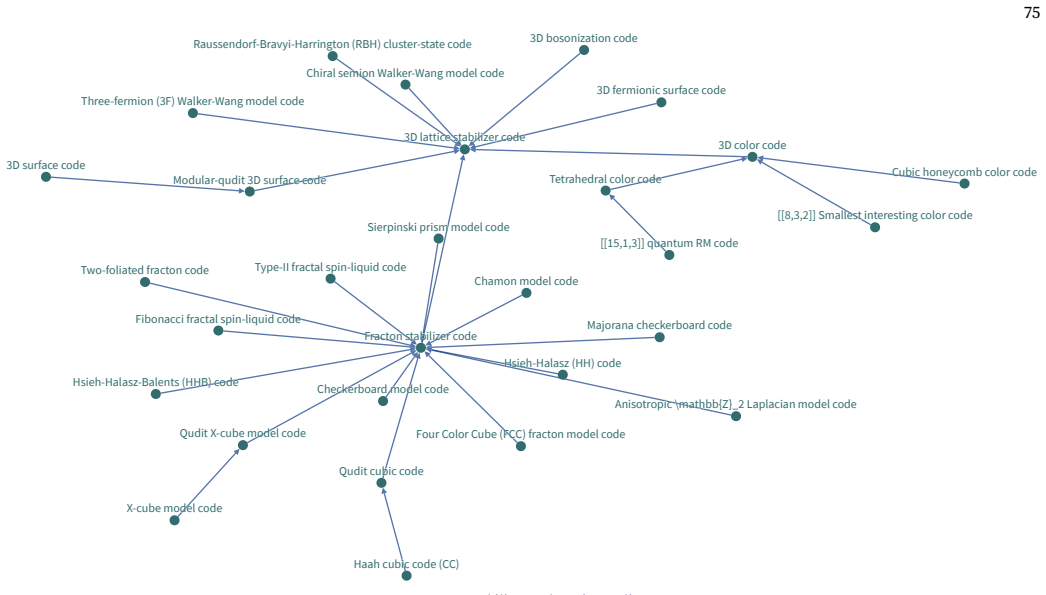
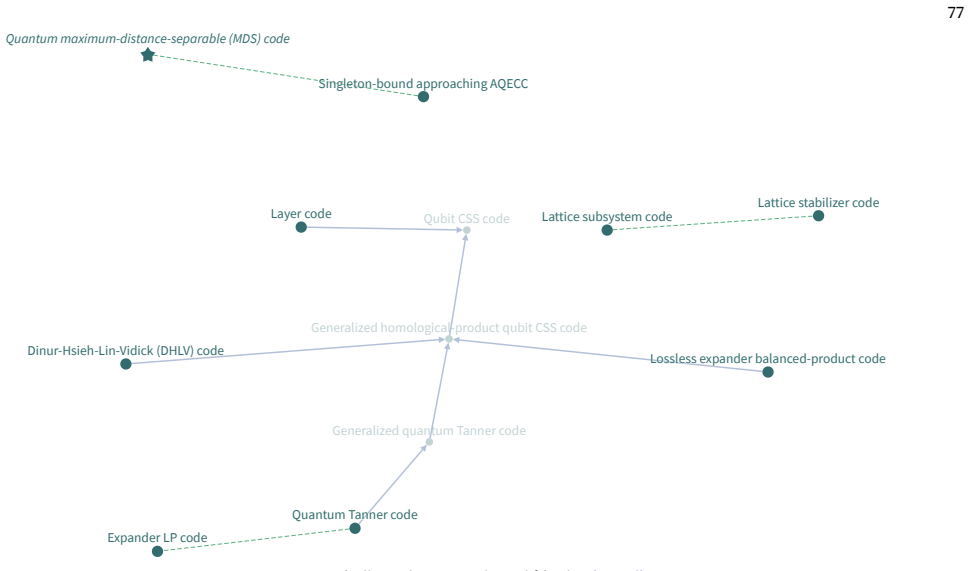
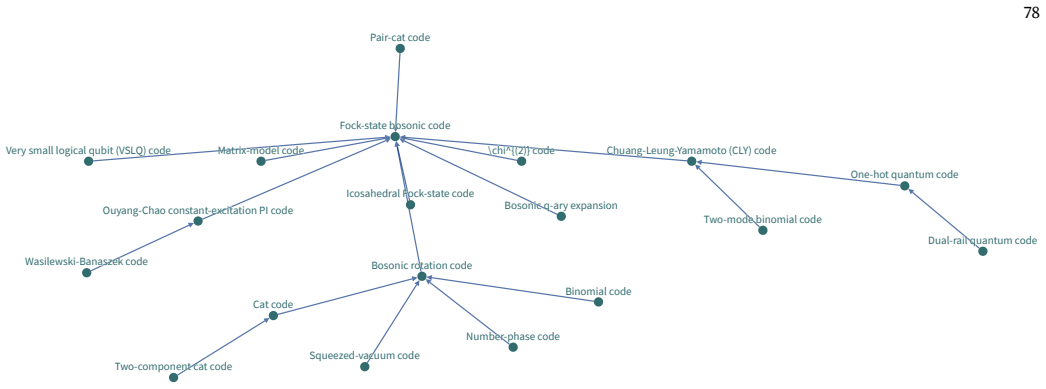
The authors compile descriptions of error-correcting codes, classify them by the symbols they use, and catalogue relations among the codes and objects such as sphere packings, lattices, designs, groups, and classical and quantum phases of matter. The resulting handbook is intended as a rigorous reference and a practical aid for following the network of code relationships.
What carries the argument
Classification of codes according to the symbols they use, which organizes the collection and supports mapping of relations to other structures.
If this is right
- Researchers can trace connections between classical and quantum codes more systematically.
- Links to phases of matter may support development of error protection in quantum systems.
- The catalogue enables discovery of previously unnoticed relations among codes and mathematical objects.
- Applications in data storage, communication, and quantum computation gain an organized reference for code selection.
Where Pith is reading between the lines
- The structure could support creation of searchable databases or visualization tools for code spaces.
- Relations to classical phases of matter might suggest crossovers with condensed-matter techniques for error modeling.
- Regular updates to the handbook could track rapid growth in quantum code constructions.
Load-bearing premise
The curation of codes and their relations accurately and comprehensively reflects the existing literature without major omissions or misclassifications.
What would settle it
Identification of a significant error-correcting code or relation to sphere packings, lattices, designs, groups, or phases of matter that is absent from or misdescribed in the handbook.
Figures
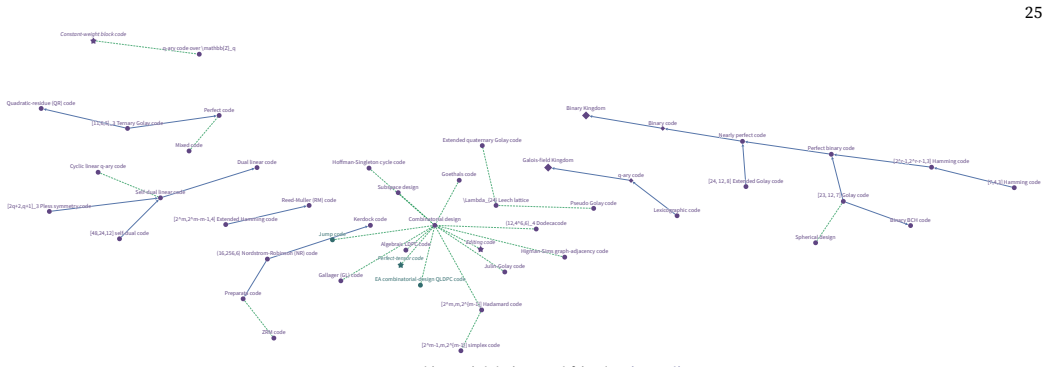
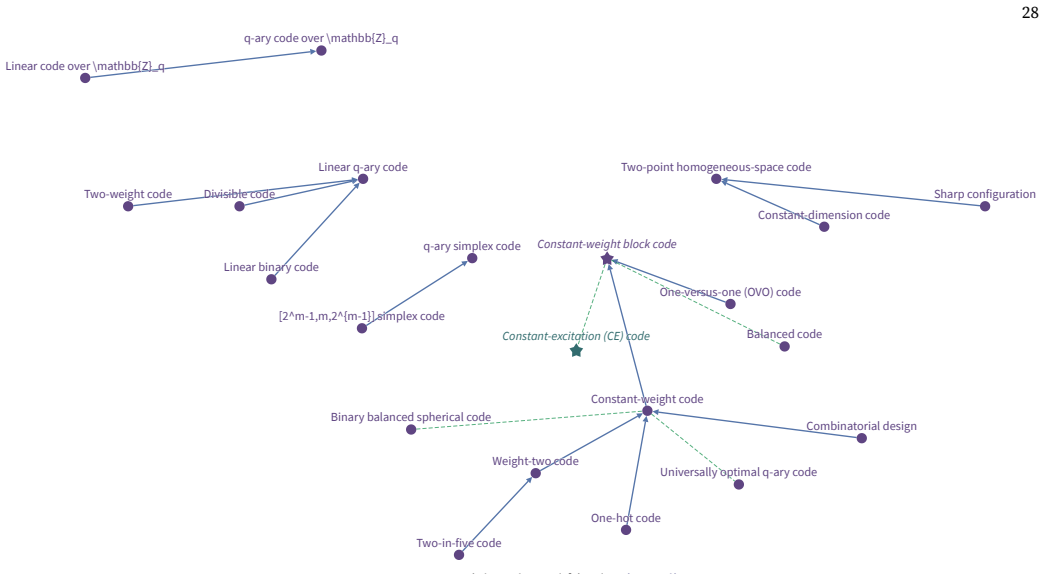
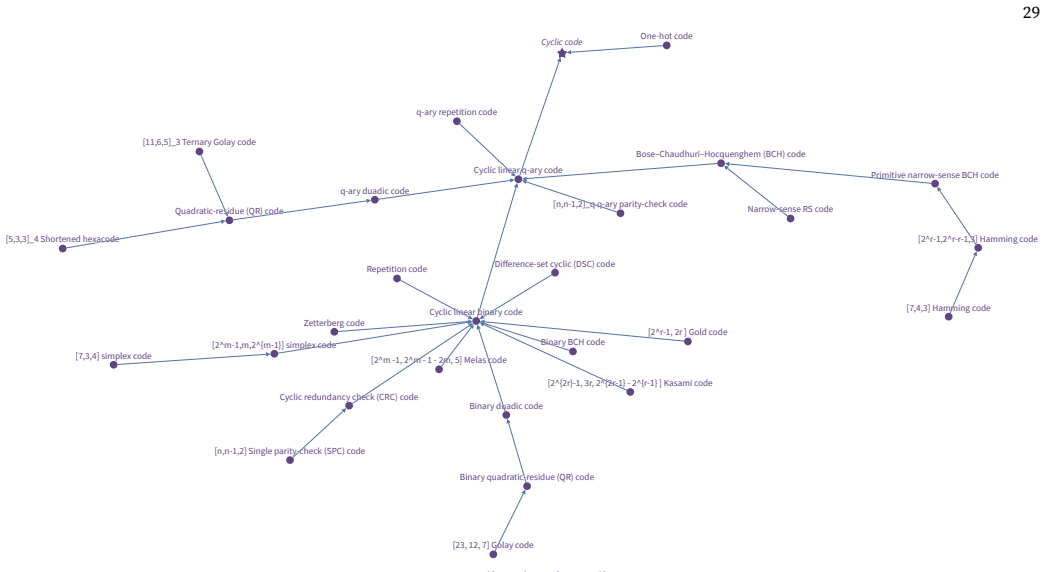
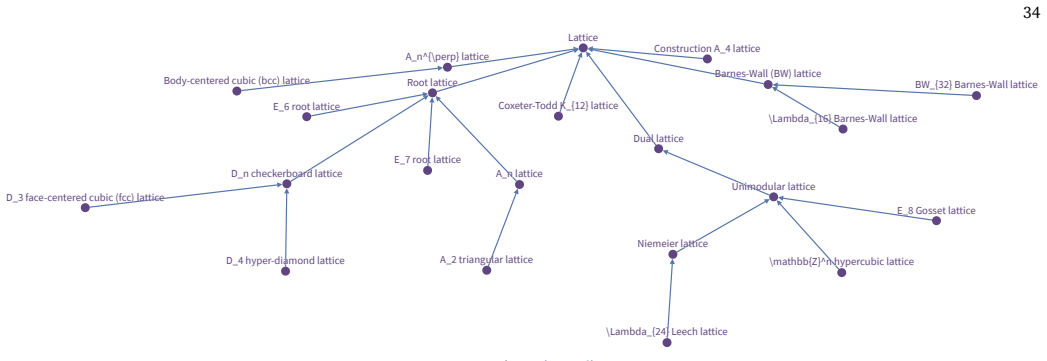

read the original abstract
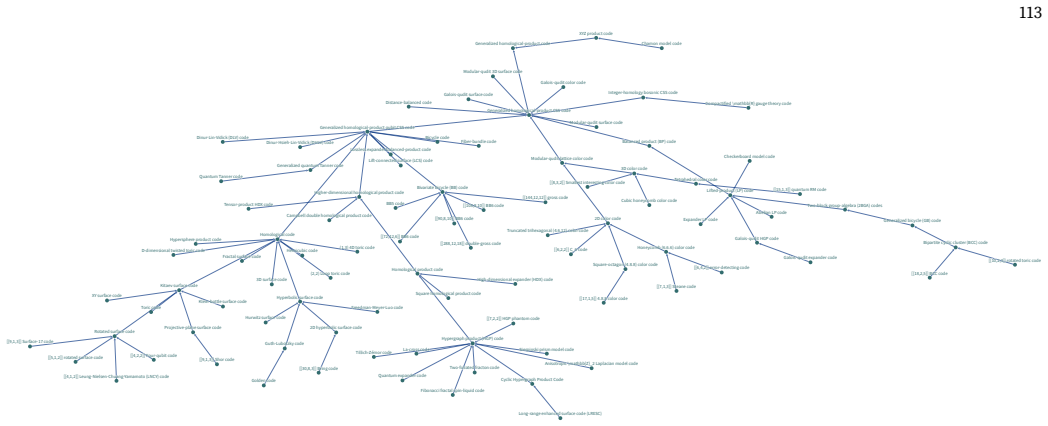
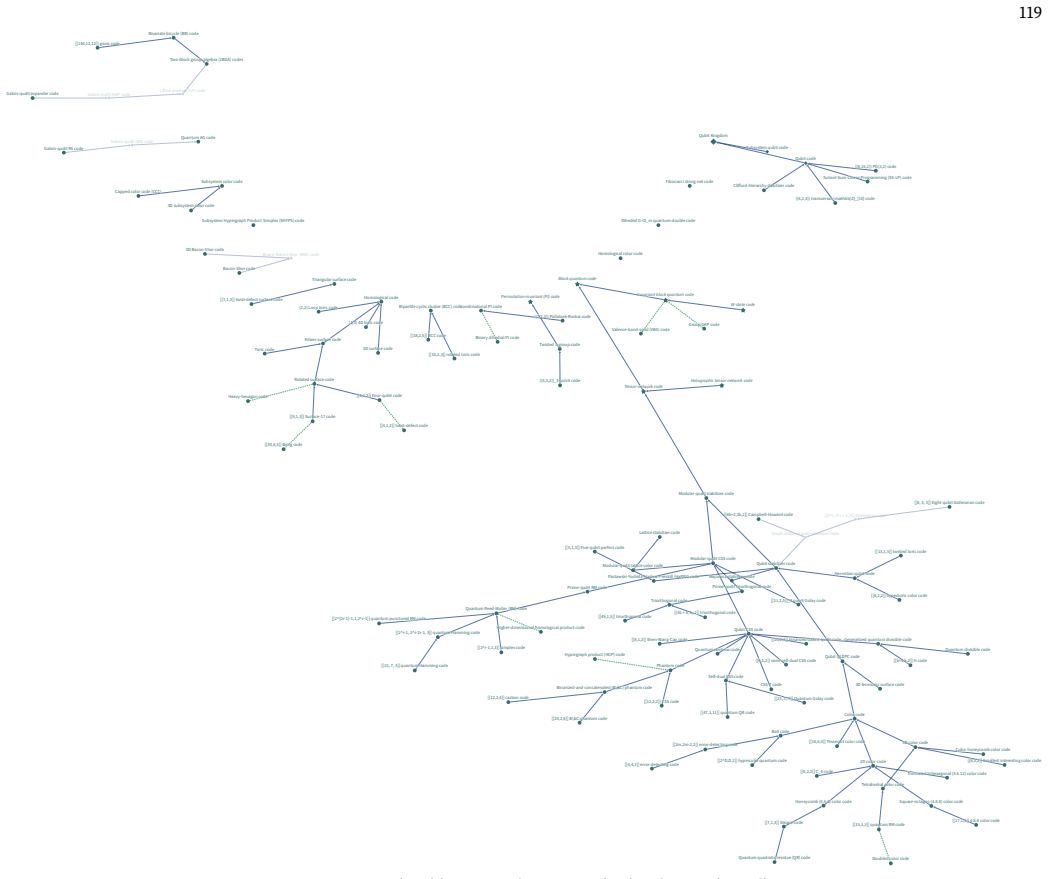
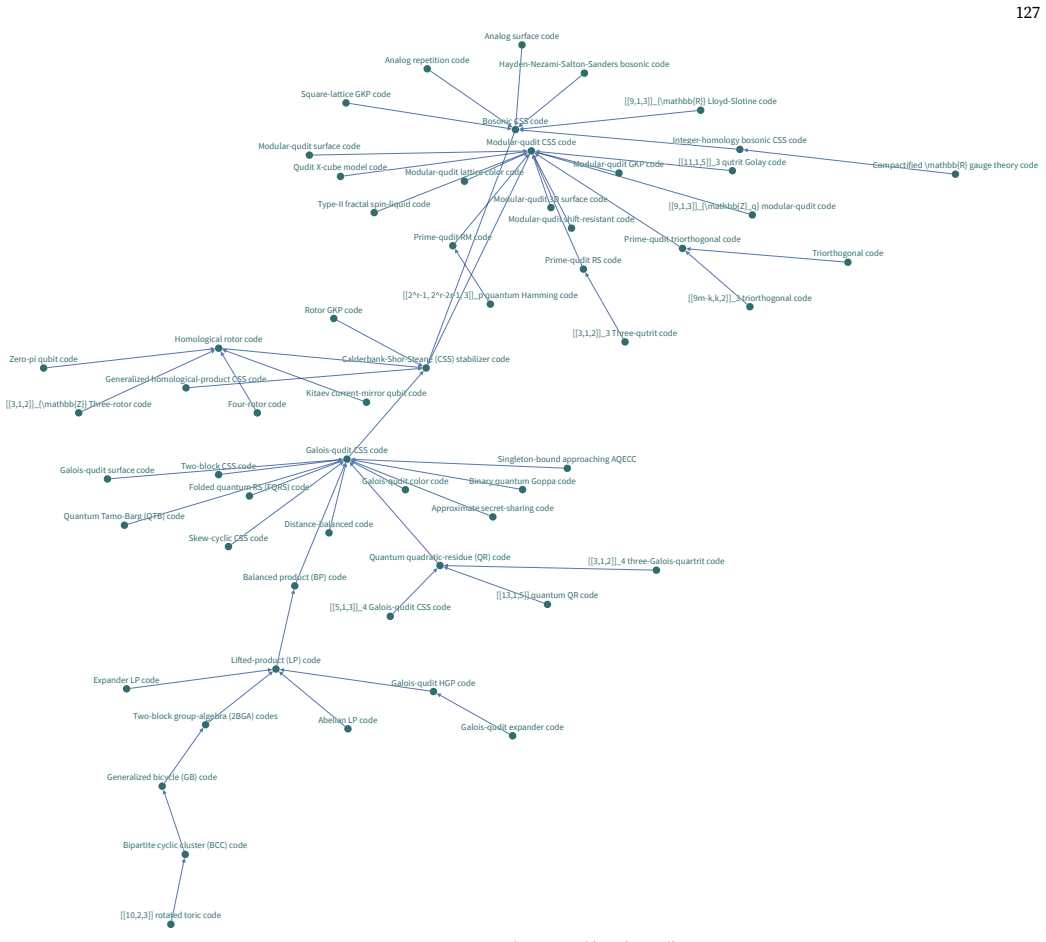
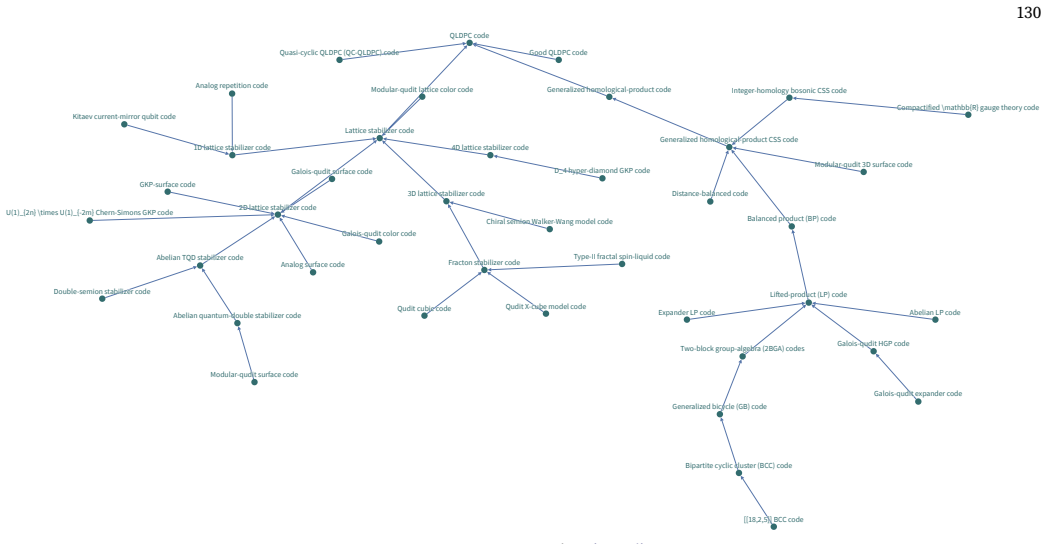
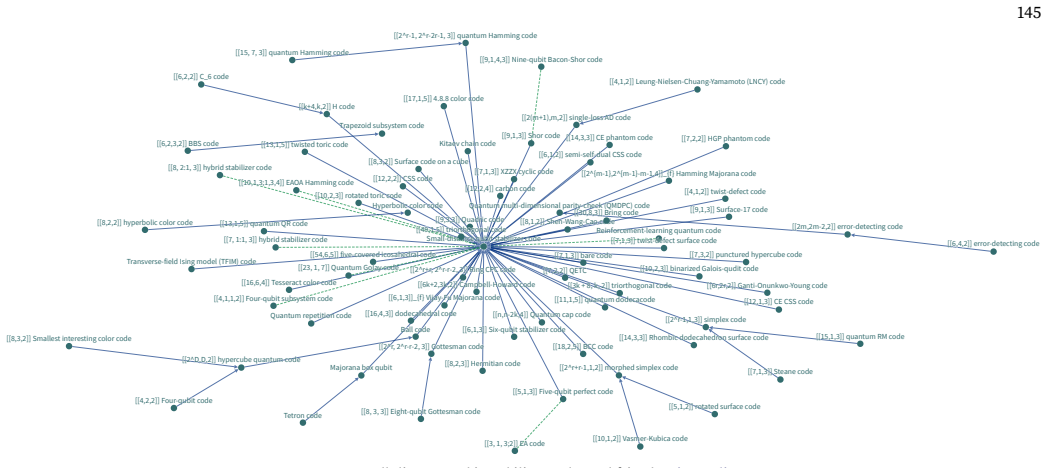
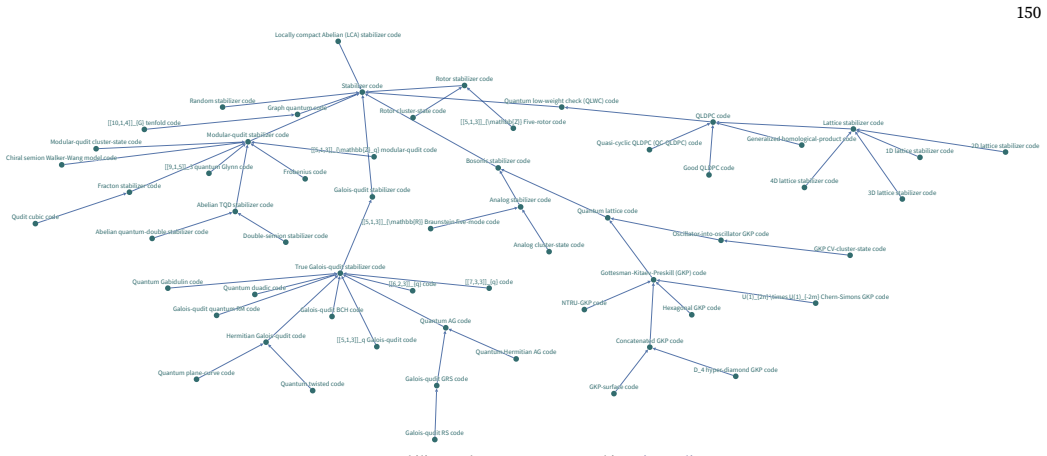
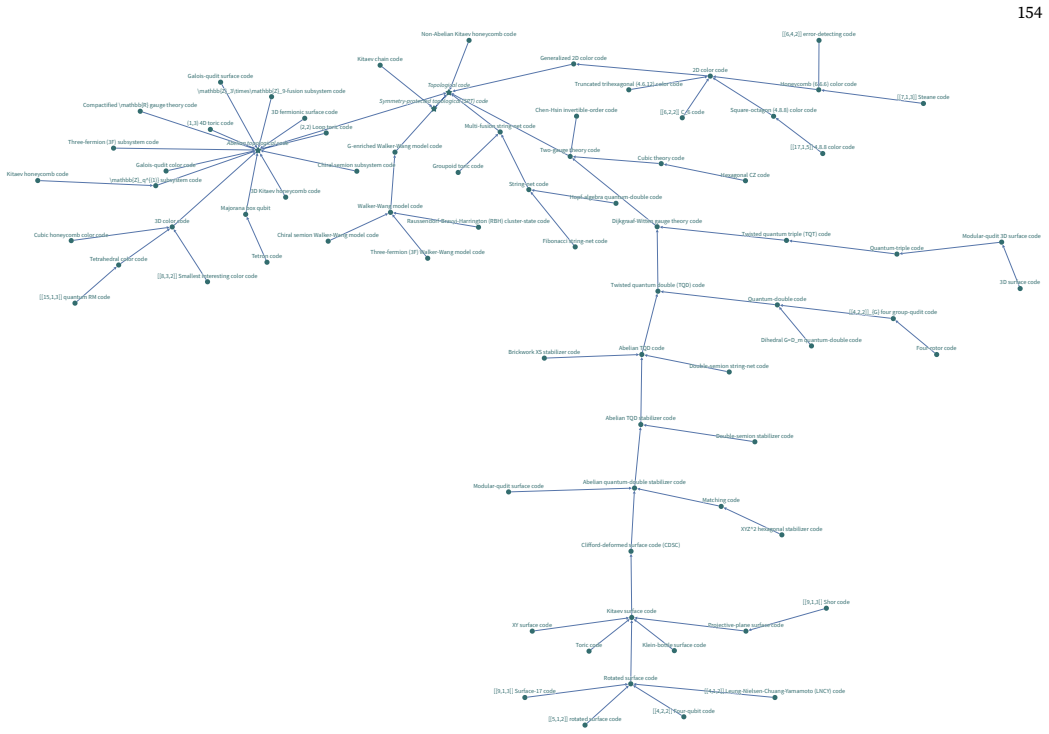
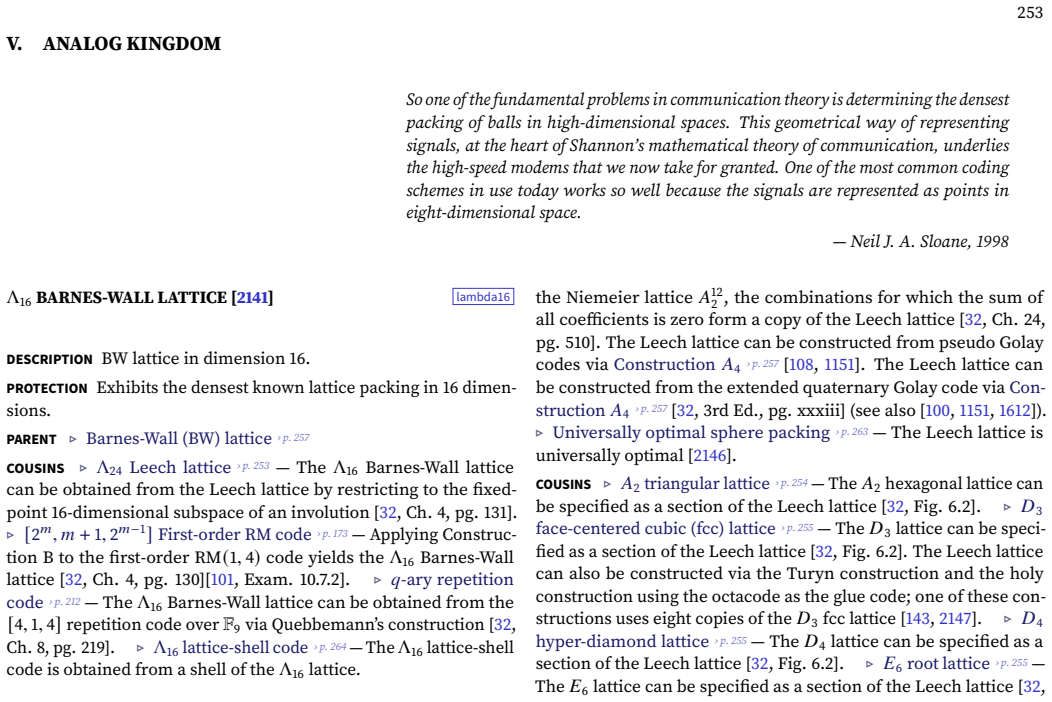
Barcode scans, clear phone calls, reliable data storage, satellite communication, and large-scale quantum computation are all made possible by error correction. We present a handbook version of The Error Correction Zoo, a curated reference of methods for protecting classical or quantum information from errors during storage and transmission. The handbook includes descriptions of these error-correcting codes and a classification according to the symbols they use. It also catalogues relations among codes and related objects such as sphere packings, lattices, designs, groups, and classical and quantum phases of matter. The collection is intended both as a rigorous reference and as a practical aid for tracing the web of code relationships and uncovering new connections.
Editorial analysis
A structured set of objections, weighed in public.
Referee Report
Summary. The manuscript presents a handbook version of the Error Correction Zoo, a curated reference compiling descriptions of error-correcting codes for classical and quantum information, their classification according to the symbols they use, and catalogues of relations among codes and related objects such as sphere packings, lattices, designs, groups, and classical and quantum phases of matter. The collection is positioned as both a rigorous reference and a practical aid for tracing code relationships.
Significance. If the curation is accurate and comprehensive, the handbook would provide a useful centralized reference for researchers in quantum information theory and coding theory, facilitating the identification of connections between codes and related mathematical structures without requiring new derivations or empirical results.
minor comments (1)
- The abstract refers to classification 'according to the symbols they use' but does not specify the exact symbol taxonomy or provide an example in the provided text; a brief illustrative table in an early section would improve clarity for readers unfamiliar with the zoo structure.
Simulated Author's Rebuttal
We thank the referee for their positive assessment of the manuscript and their recommendation to accept. The review correctly identifies the handbook's purpose as a curated reference for error-correcting codes and their interconnections.
Circularity Check
No circularity: reference compilation without derivations
full rationale
The paper is a handbook cataloguing existing error-correcting codes, their classifications by symbols, and relations to other objects. It advances no theorems, equations, predictions, or fitted quantities. The central claim is the utility of the curated collection itself; no load-bearing step reduces by construction to inputs, self-citations, or ansatzes. External curation accuracy is outside the scope of internal circularity analysis.
Axiom & Free-Parameter Ledger
Forward citations
Cited by 1 Pith paper
-
Random Local Stabilizer Codes in Three Dimensions without String or Self-Similar Fractal Logical Operators
Random cubic qutrit codes in 3D retain no-string logical operators but lack self-similar fractal ones, showing degeneracy exponents k=2 (odd L) and k=4 (even L) with plane-logical operators spanning the space.
Reference graph
Works this paper leans on
-
[1]
Generation of mixtures of Schrödinger-cat states from a competi- tive two-photon process
E. E. Hach III and C. C. Gerry, “Generation of mixtures of Schrödinger-cat states from a competi- tive two-photon process” , Physical Review A 49 , 490 (1994) DOI
1994
-
[2]
Generation of nonclassical light by dissipative two- photon processes
L. Gilles, B. M. Garraway, and P . L. Knight, “Generation of nonclassical light by dissipative two- photon processes” , Physical Review A 49 , 2785 (1994) DOI
1994
-
[3]
Dy- namically protected cat-qubits: a new paradigm for universal quantum computation
M. Mirrahimi, Z. Leghtas, V . V . Albert, S. Touzard, R. J. Schoelkopf, L. Jiang, and M. H. Devoret, “Dy- namically protected cat-qubits: a new paradigm for universal quantum computation” , New Journal of Physics 16, 045014 (2014) arXiv:1312.2017 DOI
Pith/arXiv arXiv 2014
-
[4]
Con- version of Gaussian states to non-Gaussian states using photon-number-resolving detectors
D. Su, C. R. Myers, and K. K. Sabapathy, “Con- version of Gaussian states to non-Gaussian states using photon-number-resolving detectors” , Physical Review A 100, (2019) arXiv:1902.02323 DOI
arXiv 2019
-
[5]
Holonomic Quantum Control with Continuous Variable Systems
V . V . Albert, C. Shu, S. Krastanov, C. Shen, R.-B. Liu, Z.-B. Yang, R. J. Schoelkopf, M. Mirrahimi, M. H. Devoret, and L. Jiang, “Holonomic Quantum Control with Continuous Variable Systems” , Physical Review Letters 116, (2016) arXiv:1503.00194 DOI
Pith/arXiv arXiv 2016
-
[6]
Fault-Tolerant Operation of Bosonic Qubits with Discrete-Variable Ancillae
Q. Xu, P . Zeng, D. Xu, and L. Jiang, “Fault-Tolerant Operation of Bosonic Qubits with Discrete-Variable Ancillae” , (2023) arXiv:2310.20578
arXiv 2023
-
[7]
Linear-optical protocols for mitigating and suppress- ing noise in bosonic systems
Y . S. Teo, S. U. Shringarpure, S. Cho, and H. Jeong, “Linear-optical protocols for mitigating and suppress- ing noise in bosonic systems” , Quantum Science and Technology 10, 035003 (2025) arXiv:2411.11313 DOI
arXiv 2025
-
[8]
Tracking photon jumps with re- peated quantum non-demolition parity measure- ments
L. Sun et al., “Tracking photon jumps with re- peated quantum non-demolition parity measure- ments” , Nature 511, 444 (2014) arXiv:1311.2534 DOI
Pith/arXiv arXiv 2014
-
[9]
Demonstrating Quantum Error Correction that Extends the Lifetime of Quantum Information
N. Ofek et al., “Demonstrating Quantum Error Correction that Extends the Lifetime of Quantum Information” , (2016) arXiv:1602.04768
Pith/arXiv arXiv 2016
-
[10]
Fault- tolerant detection of a quantum error
S. Rosenblum, P . Reinhold, M. Mirrahimi, L. Jiang, L. Frunzio, and R. J. Schoelkopf, “Fault- tolerant detection of a quantum error” , Science 361, 266 (2018) arXiv:1803.00102 DOI
Pith/arXiv arXiv 2018
-
[11]
Dissipation-induced continuous quantum error correction for super- conducting circuits
J. Cohen and M. Mirrahimi, “Dissipation-induced continuous quantum error correction for super- conducting circuits” , Physical Review A 90, (2014) arXiv:1409 .6759 DOI
2014
-
[12]
Hardware-efficient quan- tum error correction via concatenated bosonic qubits
H. Putterman et al., “Hardware-efficient quan- tum error correction via concatenated bosonic qubits” , Nature 638, 927 (2025) arXiv:2409 .13025 DOI
2025
-
[13]
Universal Quan- tum Computing with Arbitrary Continuous-Variable Encoding
H.-K. Lau and M. B. Plenio, “Universal Quan- tum Computing with Arbitrary Continuous-Variable Encoding” , Physical Review Letters 117 , (2016) arXiv:1605.09278 DOI
Pith/arXiv arXiv 2016
-
[14]
Fault-tolerant quantum comput- ing with the parity code and biased-noise qubits
A. Messinger, V . Torggler, B. Klaver, M. Fellner, and W . Lechner, “Fault-tolerant quantum comput- ing with the parity code and biased-noise qubits” , Physical Review Applied 23, (2025) arXiv:2404.11332 DOI
arXiv 2025
-
[15]
G. Zheng, W . He, G. Lee, K. Noh, and L. Jiang, “Performance and achievable rates of the Gottesman- Kitaev-Preskill code for pure-loss and amplification channels” , (2024) arXiv:2412.06715
arXiv 2024
-
[16]
Linear-Optical Quantum Computation with Arbitrary Error-Correcting Codes
B. W . Walshe et al., “Linear-Optical Quantum Computation with Arbitrary Error-Correcting Codes” , Physical Review Letters 134, (2025) arXiv:2408.04126 DOI
arXiv 2025
-
[17]
Fault Tolerant Decoding of QLDPC-GKP Codes with Circuit Level Soft Informa- tion
S. K. Borah, A. K. Pradhan, N. Raveendran, M. Pacenti, and B. Vasic, “Fault Tolerant Decoding of QLDPC-GKP Codes with Circuit Level Soft Informa- tion” , (2025) arXiv:2505.06385
arXiv 2025
-
[18]
Continuous-Variable Fault-Tolerant Quan- tum Computation under General Noise
T. Matsuura, N. C. Menicucci, and H. Ya- masaki, “Continuous-Variable Fault-Tolerant Quan- tum Computation under General Noise” , (2024) arXiv:2410.12365
arXiv 2024
-
[19]
Bosonic Pauli+: Efficient Sim- ulation of Concatenated Gottesman-Kitaev-Preskill Codes
F. Hopfmueller, M. Tremblay, P . St-Jean, B. Royer, and M.-A. Lemonde, “Bosonic Pauli+: Efficient Sim- ulation of Concatenated Gottesman-Kitaev-Preskill Codes” , Quantum 8, 1539 (2024) arXiv:2402.09333 DOI
arXiv 2024
-
[20]
Qubit- Oscillator Concatenated Codes: Decoding Formal- ism and Code Comparison
Y . Xu, Y . Wang, E.-J. Kuo, and V . V . Albert, “Qubit- Oscillator Concatenated Codes: Decoding Formal- ism and Code Comparison” , PRX Quantum 4, (2023) arXiv:2209 .04573 DOI
2023
-
[21]
I. L. Chuang and Y . Yamamoto, “Simple quan- tum computer” , Physical Review A 52, 3489 (1995) arXiv:quant-ph/9505011 DOI
Pith/arXiv arXiv 1995
-
[22]
I. L. Chuang and Y . Yamamoto, “Quantum Bit Re- generation” , Physical Review Letters 76, 4281 (1996) arXiv:quant-ph/9604031 DOI
Pith/arXiv arXiv 1996
-
[23]
Quantum computers and dissipation
“Quantum computers and dissipation” , Proceed- ings of the Royal Society of London. Series A: Mathe- matical, Physical and Engineering Sciences 452, 567 (1996) arXiv:quant-ph/9702001 DOI
Pith/arXiv arXiv 1996
-
[24]
Combined error cor- rection techniques for quantum computing archi- tectures
M. S. Byrd and D. A. Lidar, “Combined error cor- rection techniques for quantum computing archi- tectures” , Journal of Modern Optics 50, 1285 (2003) arXiv:quant-ph/0210072 DOI
Pith/arXiv arXiv 2003
-
[25]
Erasure detection of a dual-rail qubit encoded in a double-post supercon- ducting cavity
A. Koottandavida et al., “Erasure detection of a dual-rail qubit encoded in a double-post supercon- ducting cavity” , (2023) arXiv:2311.04423
arXiv 2023
-
[26]
High-fidelity parametric beamsplitting with a parity-protected converter
Y . Lu, A. Maiti, J. W . O. Garmon, S. Ganjam, Y . Zhang, J. Claes, L. Frunzio, S. M. Girvin, and R. J. Schoelkopf, “High-fidelity parametric beamsplitting with a parity-protected converter” , Nature Commu- nications 14, (2023) DOI
2023
-
[27]
Photon- number conserved universal quantum logic employ- ing continuous-time quantum walk on dual-rail qubit arrays
H.-Y . Guan, Y . Li, and X.-H. Deng, “Photon- number conserved universal quantum logic employ- ing continuous-time quantum walk on dual-rail qubit arrays” , npj Quantum Information 12, (2026) DOI
2026
-
[28]
D. Geberth, O. Kern, G. Alber, and I. Jex, “Stabi- lization of quantum information by combined dy- namical decoupling and detected-jump error correc- tion” , The European Physical Journal D 46, 381 (2007) arXiv:0712.1480 DOI
Pith/arXiv arXiv 2007
-
[29]
E. Knill, “Bounds on the probability of success of postselected nonlinear sign shifts implemented with linear optics” , Physical Review A 68, (2003) arXiv:quant-ph/0307015 DOI
Pith/arXiv arXiv 2003
-
[30]
Bias-preserving and error- detectable entangling operations in a superconduct- ing dual-rail system
N. Mehta et al., “Bias-preserving and error- detectable entangling operations in a superconduct- ing dual-rail system” , (2025) arXiv:2503.10935
arXiv 2025
-
[31]
Linear Op- tics Quantum Computation: an Overview
C. R. Myers and R. Laflamme, “Linear Op- tics Quantum Computation: an Overview” , (2005) arXiv:quant-ph/0512104
Pith/arXiv arXiv 2005
-
[32]
Linear optical quantum computing with photonic qubits
P . Kok, W . J. Munro, K. Nemoto, T. C. Ralph, J. P . Dowling, and G. J. Milburn, “Linear optical quantum computing with photonic qubits” , Reviews of Mod- ern Physics 79 , 135 (2007) arXiv:quant-ph/0512071 DOI
Pith/arXiv arXiv 2007
-
[33]
Demonstrating a Long- Coherence Dual-Rail Erasure Qubit Using Tun- able Transmons
H. Levine et al., “Demonstrating a Long- Coherence Dual-Rail Erasure Qubit Using Tun- able Transmons” , Physical Review X 14, (2024) arXiv:2307 .08737 DOI
2024
-
[34]
Dual-rail encoding with super- conducting cavities
J. D. Teoh et al., “Dual-rail encoding with super- conducting cavities” , Proceedings of the National Academy of Sciences 120, (2023) arXiv:2212.12077 DOI
arXiv 2023
-
[35]
Demonstrating a superconduct- ing dual-rail cavity qubit with erasure-detected logi- cal measurements
K. S. Chou et al., “Demonstrating a superconduct- ing dual-rail cavity qubit with erasure-detected logi- cal measurements” , (2023) arXiv:2307 .03169
2023
-
[36]
A manufacturable plat- form for photonic quantum computing
K. Alexander et al., “ A manufacturable plat- form for photonic quantum computing” , (2024) arXiv:2404.17570
arXiv 2024
-
[37]
Entanglement-assisted quantum error correction with linear optics
M. M. Wilde, H. Krovi, and T. A. Brun, “Entanglement-assisted quantum error correction with linear optics” , Physical Review A 76, (2007) arXiv:0705.4314 DOI
Pith/arXiv arXiv 2007
-
[38]
Trade-Offs on Number and Phase Shift Resilience in Bosonic Quan- tum Codes
Y . Ouyang and E. T. Campbell, “Trade-Offs on Number and Phase Shift Resilience in Bosonic Quan- tum Codes” , IEEE Transactions on Information The- ory 67 , 6644 (2021) arXiv:2008.12576 DOI
arXiv 2021
-
[39]
Continuous-variable gate tele- portation and bosonic-code error correction
B. W . Walshe, B. Q. Baragiola, R. N. Alexander, and N. C. Menicucci, “Continuous-variable gate tele- portation and bosonic-code error correction” , Physi- cal Review A 102, (2020) arXiv:2008.12791 DOI
arXiv 2020
-
[40]
Robust fault tolerance for continuous- variable cluster states with excess antisqueezing
B. W . Walshe, L. J. Mensen, B. Q. Baragiola, and N. C. Menicucci, “Robust fault tolerance for continuous- variable cluster states with excess antisqueezing” , Physical Review A 100, (2019) arXiv:1903.02162 DOI
arXiv 2019
-
[41]
Gottesman- 670 Kitaev-Preskill codes: A lattice perspective
J. Conrad, J. Eisert, and F. Arzani, “Gottesman- 670 Kitaev-Preskill codes: A lattice perspective” , Quan- tum 6, 648 (2022) arXiv:2109 .14645 DOI
2022
-
[42]
Lattices, Gates, and Curves: GKP codes as a Rosetta stone
J. Conrad, A. G. Burchards, and S. T. Flammia, “Lattices, Gates, and Curves: GKP codes as a Rosetta stone” , (2024) arXiv:2407 .03270
2024
-
[43]
A Tighter Distance Upper-Bound for Gottesman-Kitaev-Preskill Codes
S. Bhatnagar and P . V . Kumar, “ A Tighter Distance Upper-Bound for Gottesman-Kitaev-Preskill Codes” , 2024 IEEE Information Theory Workshop (ITW) 615 (2024) DOI
2024
-
[44]
K. Sharma, M. M. Wilde, S. Adhikari, and M. Takeoka, “Bounding the energy-constrained quan- tum and private capacities of phase-insensitive bosonic Gaussian channels” , New Journal of Physics 20, 063025 (2018) arXiv:1708.07257 DOI
Pith/arXiv arXiv 2018
-
[45]
Nar- row bounds for the quantum capacity of ther- mal attenuators
M. Rosati, A. Mari, and V . Giovannetti, “Nar- row bounds for the quantum capacity of ther- mal attenuators” , Nature Communications 9 , (2018) arXiv:1801.04731 DOI
Pith/arXiv arXiv 2018
-
[46]
Stabilization of Finite-Energy Gottesman-Kitaev-Preskill States
B. Royer, S. Singh, and S. M. Girvin, “Stabilization of Finite-Energy Gottesman-Kitaev-Preskill States” , Physical Review Letters 125, (2020) arXiv:2009 .07941 DOI
2020
-
[47]
Bridging Magic and Non-Gaussian Resources via Gottesman- Kitaev-Preskill Encoding
O. Hahn, G. Ferrini, and R. Takagi, “Bridging Magic and Non-Gaussian Resources via Gottesman- Kitaev-Preskill Encoding” , PRX Quantum 6, (2025) arXiv:2406.06418 DOI
arXiv 2025
-
[48]
Sufficient Condition for Universal Quantum Com- putation Using Bosonic Circuits
C. Calcluth, N. Reichel, A. Ferraro, and G. Ferrini, “Sufficient Condition for Universal Quantum Com- putation Using Bosonic Circuits” , PRX Quantum 5, (2024) arXiv:2309 .07820 DOI
2024
-
[49]
Classical Simulation of Circuits with Realistic Odd-Dimensional Gottesman-Kitaev- Preskill States
C. Calcluth, O. Hahn, J. Bermejo-Vega, A. Fer- raro, and G. Ferrini, “Classical Simulation of Circuits with Realistic Odd-Dimensional Gottesman-Kitaev- Preskill States” , Physical Review Letters 135, (2025) arXiv:2412.13136 DOI
arXiv 2025
-
[50]
Quantifying Qubit Magic Re- source with Gottesman-Kitaev-Preskill Encoding
O. Hahn, A. Ferraro, L. Hultquist, G. Ferrini, and L. García-Álvarez, “Quantifying Qubit Magic Re- source with Gottesman-Kitaev-Preskill Encoding” , Physical Review Letters 128, (2022) arXiv:2109 .13018 DOI
2022
-
[51]
All-Gaussian Uni- versality and Fault Tolerance with the Gottesman- Kitaev-Preskill Code
B. Q. Baragiola, G. Pantaleoni, R. N. Alexander, A. Karanjai, and N. C. Menicucci, “ All-Gaussian Uni- versality and Fault Tolerance with the Gottesman- Kitaev-Preskill Code” , Physical Review Letters 123, (2019) arXiv:1903.00012 DOI
arXiv 2019
-
[52]
Unsuitability of cubic phase gates for non-Clifford operations on Gottesman-Kitaev-Preskill states
J. Hastrup, M. V . Larsen, J. S. Neergaard-Nielsen, N. C. Menicucci, and U. L. Andersen, “Unsuitability of cubic phase gates for non-Clifford operations on Gottesman-Kitaev-Preskill states” , Physical Review A 103, (2021) arXiv:2009 .05309 DOI
2021
-
[53]
Chas- ing shadows with Gottesman-Kitaev-Preskill codes
J. Conrad, J. Eisert, and S. T. Flammia, “Chas- ing shadows with Gottesman-Kitaev-Preskill codes” , Quantum 10, 1973 (2026) arXiv:2411.00235 DOI
arXiv 1973
-
[54]
Compos- able logical gate error in approximate quantum error correction: reexamining gate implementa- tions in Gottesman-Kitaev-Preskill codes
L. Brenner, B. Dias, and R. Koenig, “Compos- able logical gate error in approximate quantum error correction: reexamining gate implementa- tions in Gottesman-Kitaev-Preskill codes” , (2025) arXiv:2509 .14658
2025
-
[55]
Logical channels in approximate Gottesman-Kitaev-Preskill error correction
M. Jafarzadeh, J. Conrad, R. N. Alexander, and B. Q. Baragiola, “Logical channels in approximate Gottesman-Kitaev-Preskill error correction” , Physi- cal Review A 112, (2025) arXiv:2504.13383 DOI
arXiv 2025
-
[56]
Closest point search in lattices
E. Agrell, T. Eriksson, A. Vardy, and K. Zeger, “Closest point search in lattices” , IEEE Transactions on Information Theory 48, 2201 (2002) DOI
2002
-
[57]
On Lovász’ lattice reduction and the nearest lattice point problem
L. Babai, “On Lovász’ lattice reduction and the nearest lattice point problem” , Combinatorica 6, 1 (1986) DOI
1986
-
[58]
Secure quantum key distribution using squeezed states
D. Gottesman and J. Preskill, “Secure quantum key distribution using squeezed states” , Physical Re- view A 63, (2001) arXiv:quant-ph/0008046 DOI
Pith/arXiv arXiv 2001
-
[59]
Quantum Error Cor- rection with the Gottesman-Kitaev-Preskill Code
A. L. Grimsmo and S. Puri, “Quantum Error Cor- rection with the Gottesman-Kitaev-Preskill Code” , PRX Quantum 2, (2021) arXiv:2106.12989 DOI
arXiv 2021
-
[60]
A. J. Brady, A. Eickbusch, S. Singh, J. Wu, and Q. Zhuang, “ Advances in bosonic quantum error correc- tion with Gottesman–Kitaev–Preskill Codes: Theory, engineering and applications” , Progress in Quantum Electronics 93, 100496 (2024) arXiv:2308.02913 DOI
arXiv 2024
-
[61]
No physics required! A visual-based introduction to GKP qubits for com- puter scientists
R. A. Wolf and P . Iyer, “No physics required! A visual-based introduction to GKP qubits for com- puter scientists” , (2025) arXiv:2507 .06943
2025
-
[62]
Neural-Network-Based Design of Approxi- mate Gottesman-Kitaev-Preskill Code
Y . Zeng, W . Qin, Y .-H. Chen, C. Gneiting, and F. Nori, “Neural-Network-Based Design of Approxi- mate Gottesman-Kitaev-Preskill Code” , Physical Re- view Letters 134, (2025) arXiv:2411.01265 DOI
arXiv 2025
-
[63]
Quantum error cor- rection of a qubit encoded in grid states of an oscil- lator
P . Campagne-Ibarcq et al., “Quantum error cor- rection of a qubit encoded in grid states of an oscil- lator” , Nature 584, 368 (2020) arXiv:1907 .12487 DOI
2020
-
[64]
Quantum error correction and large 𝑁
A. Milekhin, “Quantum error correction and large 𝑁 ” , SciPost Physics 11, (2021) arXiv:2008.12869 DOI
arXiv 2021
-
[65]
Good Gottesman-Kitaev-Preskill codes from the NTRU cryptosystem
J. Conrad, J. Eisert, and J.-P . Seifert, “Good Gottesman-Kitaev-Preskill codes from the NTRU cryptosystem” , Quantum 8, 1398 (2024) arXiv:2303.02432 DOI
arXiv 2024
-
[66]
T. Hillmann, F. Quijandría, A. L. Grimsmo, and G. Ferrini, “Performance of Teleportation-Based Error-Correction Circuits for Bosonic Codes with Noisy Measurements” , PRX Quantum 3, (2022) arXiv:2108.01009 DOI
arXiv 2022
-
[67]
Use of faulty states in cat-code error correction
M. Hanks, S. Lee, N. Lo Piparo, S. Nishio, W . J. Munro, K. Nemoto, and M. S. Kim, “Use of faulty states in cat-code error correction” , Physical Review A 113, (2026) arXiv:2412.15134 DOI
Pith/arXiv arXiv 2026
-
[68]
C. W . Helstrom,Quantum Detection and Estima- tion Theory (Elsevier, 1976)
1976
-
[69]
Holevo, Probabilistic and Statistical Aspects of Quantum Theory (Edizioni della Normale, 2011) DOI
A. Holevo, Probabilistic and Statistical Aspects of Quantum Theory (Edizioni della Normale, 2011) DOI
2011
-
[70]
Quantum-Enhanced Multi-Parameter Sensing in a Single Mode
C. H. Valahu, M. P . Stafford, Z. Huang, V . G. Matsos, M. J. Millican, T. Chalermpusitarak, N. C. Menicucci, J. Combes, B. Q. Baragiola, and T. R. Tan, “Quantum-Enhanced Multi-Parameter Sensing in a Single Mode” , (2025) arXiv:2412.04865
arXiv 2025
-
[71]
Grand Unification of continuous-variable codes
A. D. C. Tosta, T. O. Maciel, and L. Aolita, “Grand Unification of continuous-variable codes” , (2022) arXiv:2206.01751
arXiv 2022
-
[72]
N. Gutman, E. Blumenthal, S. Hacohen-Gourgy, A. Orda, and I. Kaminer, “Squeezed-vacuum bosonic codes” , (2025) arXiv:2511.06108
Pith/arXiv arXiv 2025
-
[73]
Quantum capacity and codes for the bosonic loss-dephasing channel
P . Leviant, Q. Xu, L. Jiang, and S. Rosen- blum, “Quantum capacity and codes for the bosonic loss-dephasing channel” , Quantum 6, 821 (2022) arXiv:2205.00341 DOI
arXiv 2022
-
[74]
Ef- ficient qudit based scheme for photonic quantum computing
M. Karácsony, L. Oroszlány, and Z. Zimborás, “Ef- ficient qudit based scheme for photonic quantum computing” , (2023) arXiv:2302.07357
arXiv 2023
-
[75]
Domain wall encoding of dis- crete variables for quantum annealing and QAOA
N. Chancellor, “Domain wall encoding of dis- crete variables for quantum annealing and QAOA ” , Quantum Science and Technology 4, 045004 (2019) arXiv:1903.05068 DOI
arXiv 2019
-
[76]
Oscillator-to-Oscillator Codes Do Not Have a Threshold
L. Hanggli and R. Konig, “Oscillator-to-Oscillator Codes Do Not Have a Threshold” , IEEE Trans- actions on Information Theory 68, 1068 (2022) arXiv:2102.05545 DOI
arXiv 2022
-
[77]
Pair-cat codes: autonomous error-correction with low-order nonlin- earity
V . V . Albert, S. O. Mundhada, A. Grimm, S. Touzard, M. H. Devoret, and L. Jiang, “Pair-cat codes: autonomous error-correction with low-order nonlin- earity” , Quantum Science and Technology 4, 035007 (2019) arXiv:1801.05897 DOI
arXiv 2019
-
[78]
Nonclassical proper- ties of correlated two-mode Schrödinger cat states
C. C. Gerry and R. Grobe, “Nonclassical proper- ties of correlated two-mode Schrödinger cat states” , Physical Review A 51, 1698 (1995) DOI
1995
-
[79]
Charged bosons and the coherent state
D. Bhaumik, K. Bhaumik, and B. Dutta-Roy, “Charged bosons and the coherent state” , Journal of Physics A: Mathematical and General 9 , 1507 (1976) DOI
1976
-
[80]
New “Coherent
A. O. Barut and L. Girardello, “New “Coherent” States associated with non-compact groups” , Com- munications in Mathematical Physics 21, 41 (1971) DOI
1971
discussion (0)
Sign in with ORCID, Apple, or X to comment. Anyone can read and Pith papers without signing in.