Pith. sign in

REVIEW 4 major objections 6 minor 2 cited by

On Path to Multimodal Generalist: General-Level and General-Bench

T0 review · 4 major / 6 minor · reviewed 2026-08-15 · deepseek-v4-flash

Pith's one-line read A five-level synergy test finds most AI generalists fall short

desk verdict A large, genuinely useful multimodal benchmark whose 'synergy' leaderboard rests on an admitted and unvalidated equivalence; worth refereeing, but not as-is. read the letter →

arxiv 2505.04620 v1 pith:SYVEVWZM submitted 2025-05-07 cs.CV

classification cs.CV
keywords multimodallargelanguagemodelsgeneralistsynergyevaluationbenchmarkfive-leveltaxonomycomprehensionandgenerationAGIcross-modaltransfer
verification ladder T0 review T1 audit T2 compute T3 formal

The pith

A machine-rendered reading of the paper's core claim, the machinery that carries it, and where it could break.

The reading

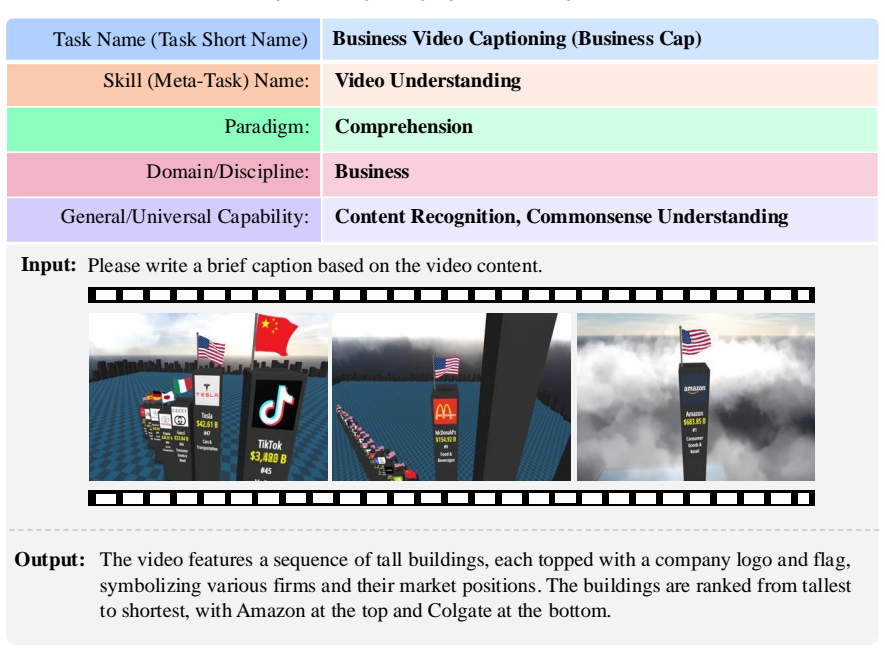
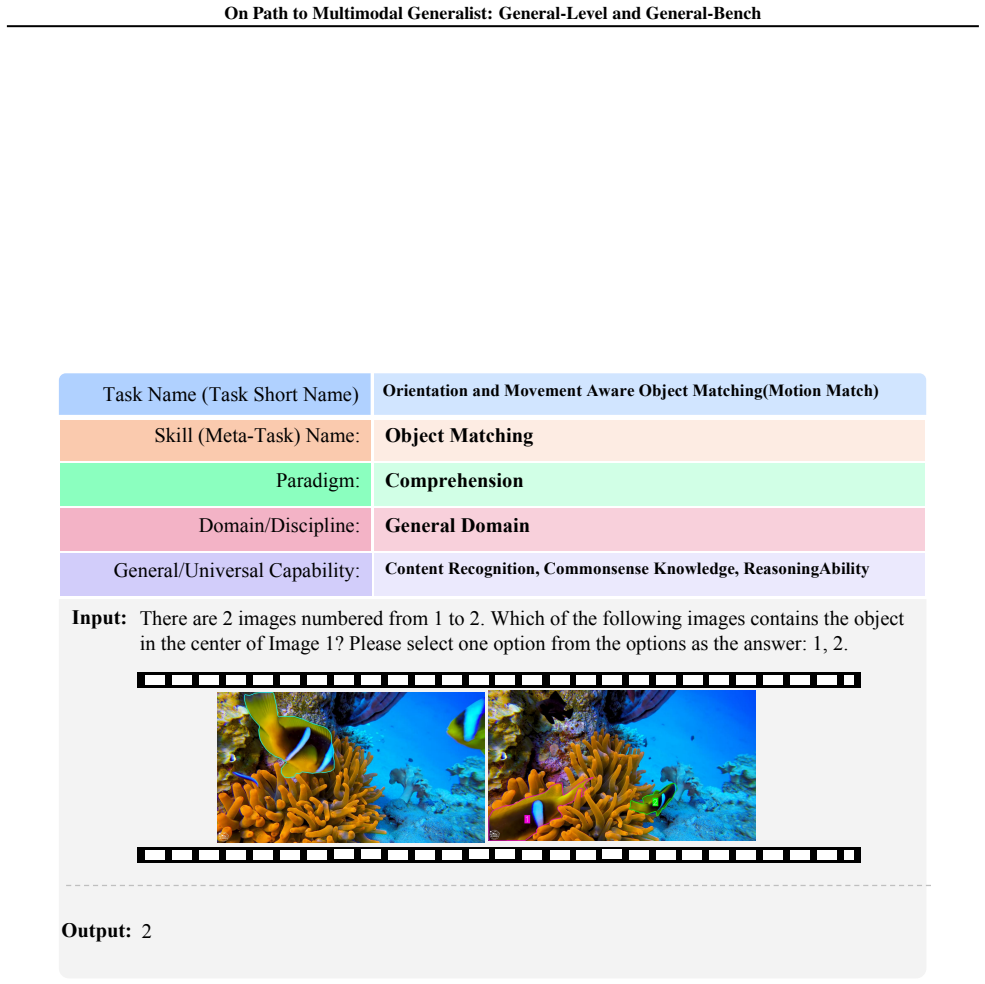
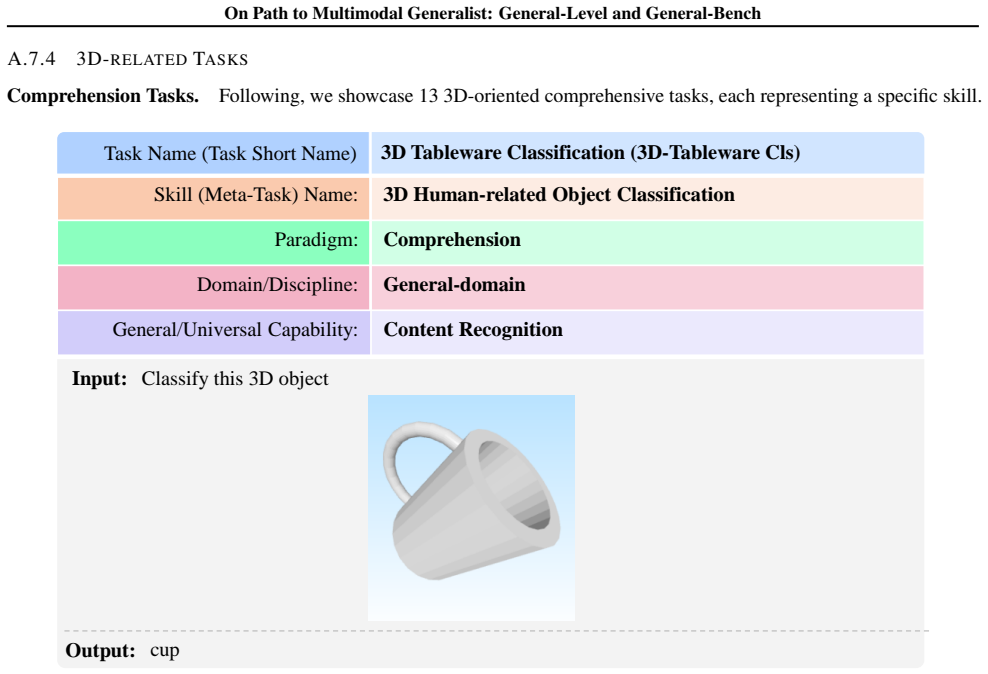
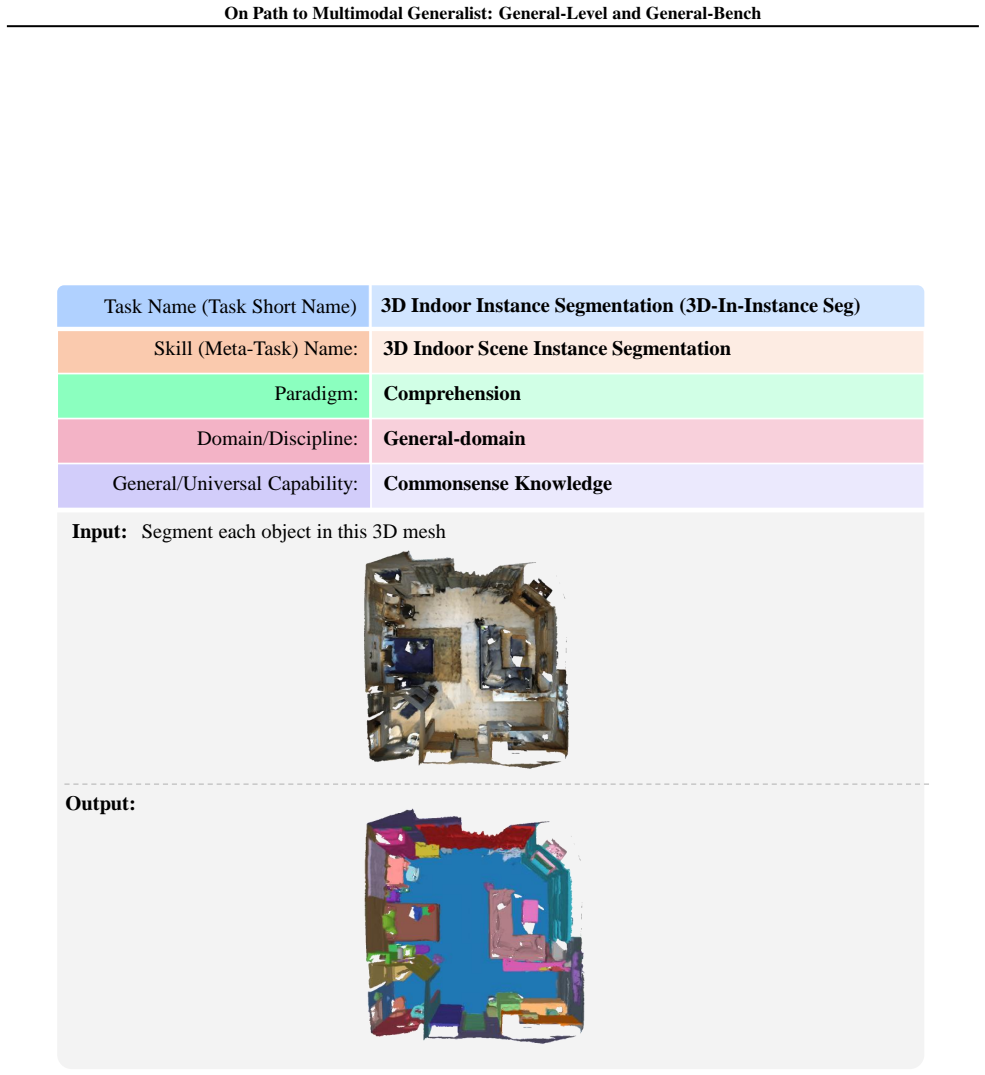
The paper argues that conventional MLLM benchmarks mislead: high average accuracy across tasks does not tell you whether a model is a true multimodal generalist or merely a collection of competences. To fix this, it proposes General-Level, a five-level taxonomy whose criterion is "synergy"—the ability of knowledge learned in one task or modality to lift performance in another, operationalized as beating the state-of-the-art specialist on a given task. To drive the taxonomy, it builds General-Bench, a benchmark of 702 tasks and 325,800 instances spanning image, video, audio, 3D, and language, in original output formats rather than forced multiple choice. Evaluating over 100 models, the paper finds that most MLLMs support few tasks and rarely surpass specialists, that GPT-4V and GPT-4o do not lead the generalist ranking, and that no current model reaches Level-5: none improves language intelligence through non-language modalities. If the framework is right, the path to AGI is not measured by raw task accuracy but by demonstrable cross-task and cross-modal transfer.

What carries the argument

The load-bearing object is the General-Level scoring ladder. Level-2 averages normalized scores over all supported comprehension and generation tasks; Level-3 re-scores each task as zero unless the generalist beats the task's SoTA specialist, so the score counts only "winning" tasks; Level-4 takes the harmonic mean of comprehension and generation scores, rewarding balance; Level-5 multiplies the Level-4 score by a normalized weight equal to the model's rate of beating NLP SoTA specialists. Because higher levels are built from masked or combined lower-level scores, the framework mathematically guarantees scores decrease monotonically as levels rise. The synergy concept is what carries the argument: the paper treats beating a specialist as observable evidence of transfer, and General-Bench supplies the task surface—702 tasks in native formats, grouped by modality and by comprehension and generation—on which that evidence is collected.

What would settle it

Train two copies of a top Level-3 model—one jointly on a set of tasks, one on each task independently—and compare their performance against the same specialists; if the separately trained copy matches or beats the joint model, then the measured "synergy" is not transfer and the Level-3 and higher hierarchy loses its evidential basis.

Watch

Extended reading notes

Core claim

On the paper's own terms, the central discovery is that "synergy"—defined as a generalist outperforming the state-of-the-art (SoTA) specialist on a task, taken as evidence of transfer from other tasks or modalities—is rare and shallow in current MLLMs. At Level-2 (basic unified comprehension and generation), models like Unified-io-2 and AnyGPT outrank GPT-4V and GPT-4o because breadth of task and modality support outweighs single-task strength. At Level-3 (cross-task synergy), top ranks go to Sa2VA-26B, LLaVA-One-Vision-72B, and Qwen2-VL-72B, while GPT-4V and GPT-4o place lower. Only Mini-Gemini, Vitron-V1, and Emu2-37B reach Level-4, meaning synergy across comprehension and generation. No model earns a non-zero Level-5 score: no tested system outperforms NLP SoTA specialists on language tasks, so there is no evidence that non-language modalities enhance language intelligence.

Load-bearing premise

The whole measurement of synergy assumes that a generalist beating a chosen specialist on a task proves it transferred knowledge from other tasks or modalities, rather than simply being larger, better trained, or matched against weaker baselines.

Editorial extensions

If this is right

  • Rankings of MLLMs change once synergy is the criterion: models that support many modalities and beat specialists on many tasks rise, while high-scoring but narrow models such as GPT-4V fall.
  • Future training of multimodal generalists should explicitly target cross-task and cross-modal transfer, because Level-3 and Level-4 cannot be reached by adding parameters or data within a single task.
  • The absence of any Level-5 model implies that current language-centric MLLM architectures are not yet producing bidirectional modality-to-language transfer, so improving that direction becomes a named research goal.
  • Benchmarks should preserve native task formats rather than coercing everything into multiple choice, since forced QA hides generation and fine-grained-output failures.
  • Because specialist baselines update over time, a generalist's level is not permanent: as SoTA specialists improve, models must keep improving to hold their Level-3 and higher status.

Reading between the lines

Editorial extensions of the paper, not claims the author makes directly.

  • Because "synergy" is measured against a chosen pool of open-source SoTA specialists, the same model could land at different levels if that pool is swapped; a natural test is to re-run the Level-3 and higher scoring against a stronger or weaker specialist pool and watch the rankings move.
  • The framework's own monotonicity proofs imply that higher levels are definitionally harder to reach, meaning a model's level is only partly an empirical fact about the model and partly a design choice about task coverage and specialist baselines.
  • The paper's observed image-video synergy clustering suggests visual modalities share transferable features; a testable implication is that joint image-video training should produce the largest specialist-beating gains, while audio-language joint training should show the smallest, guiding where to invest in architecture.
  • The empty Level-5 predicts that simply adding more multimodal pretraining to an LLM will not improve its core NLP performance; this could be tested by measuring an MLLM's NLP scores before and after multimodal training under controlled data budgets.
Share X Bluesky LinkedIn Reddit HN

Signed reviews

No signed human review yet.

Editorial analysis

A structured set of objections, weighed in public.

Desk editor's note, referee report, and a circularity audit.

Referee Report

4 major / 6 minor

Summary. The paper proposes General-Level, a five-level taxonomy for ranking multimodal large language models (MLLMs) by a construct called 'synergy,' and General-Bench, a benchmark of 702 tasks and 325,876 instances spanning image, video, audio, 3D, and language modalities in native task formats. At Level-2 and above, scores are computed from task performance relative to selected SoTA specialists: a model is credited with synergy on a task when its zero-shot score reaches or exceeds the specialist's score. The authors evaluate over 100 LLM/MLLM systems, report leaderboards at Levels 2-4, and conclude that most MLLMs lack cross-task and cross-modal synergy, that even GPT-4V and GPT-4o do not rank at the top, and that no model has demonstrated enhancement of language intelligence through non-language modalities.

Significance. If the central measurement were valid, the paper would offer a substantively new way to evaluate generalists beyond raw accuracy, and its negative result about current MLLMs would be a notable challenge to prevailing benchmark narratives. The benchmark itself is a large and potentially useful resource: 702 tasks in original free-form formats, 172 specialist references, 102 evaluated generalists, and broad modality and domain coverage. The observation that closed models such as GPT-4V rank below several open models under a specialist-relative scoring rule is also interesting and falsifiable. However, the headline synergy claims rest entirely on an unvalidated equivalence between beating a selected specialist and exhibiting cross-task transfer, and the formal monotonicity scaffolding contains algebraic errors. The benchmark and leaderboards can survive a reformulation, but the current framing overstates what the data establish.

major comments (4)
  1. [§3.2.2, §5.4, §6] The central measurement assumption is unvalidated. The paper defines a task-level 'win' over a SoTA specialist as evidence of a synergy effect, and all Level-3, Level-4, and Level-5 scores, together with the headline conclusions ('most MLLMs lack synergy'; 'no model has demonstrated the ability to enhance language intelligence through non-language modalities'), are built on that equivalence. The comparison is asymmetric: generalists are evaluated zero-shot (§5.3), while specialists are fine-tuned and selected for top public performance (§5.1), and the specialist set excludes closed-source models. A zero-shot generalist failing to beat a fine-tuned specialist cannot distinguish 'no learned cross-task transfer' from 'a high specialist bar by construction,' and a win over a weak or contaminated selected baseline cannot by itself establish transfer. The authors acknowledge in §6 that the relaxation 'avoids a direct measurement of the synergy effect.' As written, the Level-3+ rankings and the 'no reverse synergy' result are not measurements of synergy as defined in §3.1.2. I ask for either a validation study (for example, controlled single-task versus multi-task training where ground-truth transfer is known, checking whether beating a specialist predicts transfer) or a re-framing of all Level-3+ claims as 'zero-shot specialist-relative performance' with the term synergy removed.
  2. [§3.2.3, Table 1] The monotonicity proofs contain algebraic errors and do not establish the claimed strict decline. In the proof of S4 ≤ S3, multiplying the displayed inequality by 4(SC + SG) yields (SC + SG)^3 ≥ 8 SC SG, not ≥ 8 SC SG (SC + SG); the subsequent factorization is not a consequence of the displayed inequality. The correct AM-HM argument does show S4 ≤ S3 for positive scores, but only as a non-strict inequality. Similarly, the proof of S3 ≤ S2 establishes ≤, and equality occurs whenever a model exceeds every specialist threshold. The paper's Property-2 claim that 'S_{k-1} > S_k' is therefore not proven. Additionally, Table 1 defines w_L = S_L / S_total without defining S_total, so the Level-5 score is not computable as specified. These issues do not necessarily invalidate the leaderboard numbers, but the formal support claimed in §3.2.3 should be corrected or downgraded to non-strict claims.
  3. [§4.1.2, §4.2, Table 2] The claimed minimum of 500 samples per task is inconsistent with the reported totals. Section 4.1.2 states 'We ensure that each task includes (at least) 500 data samples,' while Section 4.2 says 'For most of the tasks, we maintain around 500 testing instances.' Table 2 reports 702 tasks and 325,876 instances, an average of about 464 instances per task; the largest cell (271 image-comprehension tasks with 124,880 instances) averages about 461. These numbers are incompatible with a 500-sample minimum unless many tasks exceed 500 and others fall below. The paper should report the actual per-task distribution and reconcile the text. This matters because per-task specialist comparisons with small samples have high variance, which directly affects the stability of the Level-3 single-task 'win' decisions.
  4. [§5.1, §5.3, Tables 12-16] The leaderboard rankings are sensitive to the choice of the specialist baseline set, and no sensitivity analysis is reported. The paper excludes closed-source models from the specialist pool (§5.1) and selects specialists by public benchmark recognition, so the 'win-over-specialist' counts (Observation-2 in §5.3) and all Level-3+ scores are relative to this particular set. For example, GPT-4V and GPT-4o are evaluated as generalists but cannot serve as specialist references; had they been included for the tasks they support, several Level-3 wins could disappear. The paper should report how rankings change under alternative specialist choices (for example, best open-source model per task versus best available model, or including closed-source API baselines where feasible) before claiming that the rankings are stable characterizations of generalist capability.
minor comments (6)
  1. [§3.3] The section heading 'Receipt to Leveling Upper in General-Level' appears to be a typo; it should read 'Recipe for Leveling Up in General-Level.'
  2. [Table 4] The backbone name 'Qwev-7B' appears twice (models 10 and 22); this is presumably 'Qwen-7B' and should be corrected.
  3. [§5.3, Observation-2] Observation-2 says 'few models capable of surpassing the SoTA generalist,' but the comparison is against specialists; the terminology should be fixed to 'SoTA specialist.'
  4. [Tables 6-7 vs. Table 4] The model is named 'SEED-LLaMA-13B' in Table 4 but 'SEED-LLaMA-14B' in Tables 6 and 7; the naming should be consistent across the paper.
  5. [§4.3] The text says 'General-Bench comprises 130 multimodal skills, containing 702 tasks,' while Table 2 and Figure 7 report 145 skills; please clarify whether language skills are excluded from the 130 figure.
  6. [§3.2.3, Property-3] The 'More Task, The Better' argument is not generally true as stated: since S2 is an average over all benchmark tasks, adding a task where the model scores zero cannot increase its score, and a model supporting more tasks can still have a lower average if the added task scores are low. The claim should be reworded to describe an incentive under specific support/score conditions.

Circularity Check

2 steps flagged · score 6.0 of 10

Synergy is operationalized as beating a hand-picked SoTA specialist, so the paper's central 'no synergy' finding is a consequence of its own scoring definition.

  1. self definitional [Section 3.2.2 (Scoring Relaxation) and Section 5.3 Observation-2]
    "Then, we can simplify the synergy measurement as: if a generalist outperforms a SoTA specialist in a specific task, we consider it as evidence of a synergy effect ... If an MLLM cannot outperform the SoTA specialist, it implies that the foundational conditions of cross-task/ability synergy for these MLLMs to become multimodal generalists are not met."

    The paper defines evidence of synergy as exceeding a selected SoTA specialist's score (the mask=1 condition in S3's SC and SG), and then reports the absence of synergy whenever a model does not exceed that score. The central conclusion—'most MLLMs lack the cross-task or cross-modal synergy ability'—is therefore a restatement of the scoring rule, not an empirical discovery. The authors concede in §6 that this 'avoids a direct measurement of the synergy effect.' Because generalists are evaluated zero-shot (§5.3) while specialists are task-fine-tuned and chosen by the authors among open-source models (§5.1), the Level-3 and higher rankings measure beating a movable baseline, not learned cross-task transfer.

  2. self definitional [Section 3.2.1 (Scoring Specification, Level-5) and Section 5.6]
    "Therefore, for level 5—measuring total synergy—we do not measure the generality across all modalities and tasks. Instead, we assess whether a model can improve NLP task performance to exceed that of NLP SoTA specialists."

    The headline negative result, 'no model has yet demonstrated the ability to enhance language intelligence through non-language modalities,' is read directly from the Level-5 formula S5 = S4 × wL, where wL = SL/Stotal and SL is nonzero only when an NLP score σk ≥ σsota. Thus a model can only exhibit the claimed reverse modality-to-language synergy by exceeding fine-tuned NLP specialists; failing that threshold is, by construction, defined as lacking that synergy. The claim is therefore guaranteed by the scoring definition rather than measured as transfer. Additionally, Stotal is never defined, so the Level-5 score is formally underspecified even as a definition.

full rationale

The paper has a genuinely external component: General-Bench contributes 702 tasks and 325,800 instances with held-out evaluation, and the zero-shot performance numbers are not derived from the scoring definition. A model that actually exceeded many SoTA specialists on those tasks would receive a nonzero Level-3 or Level-4 score, so the benchmark is not vacuous as a capability report. However, the paper's load-bearing interpretive claim—that most MLLMs lack cross-task/cross-modal synergy, and that none shows non-language-to-language synergy—is made true by construction. Synergy is not measured; it is defined as surpassing an author-selected, open-source, task-fine-tuned SoTA specialist, while generalists are run zero-shot. The paper's own §6 limitation statement ('avoiding a direct measurement of the synergy effect') confirms this definitional gap. This is closer to a self-definitional reduction than to fitted-parameter circularity: the ranking tables and the 'no synergy' narrative are consequences of the threshold rule in §3.2.2, not independent findings about transfer. The self-citations to Vitron-V1 and other author-affiliated models are not load-bearing as a citation chain, and there is no imported uniqueness theorem; the circularity is concentrated in the operational definition of synergy itself. Separately, the mathematical scaffolding is unreliable (Stotal is undefined in S5, and the S4≤S3 proof contains an algebraic error), which weakens the formal framework but is not itself a circularity step. Overall, partial circularity at the core: score 6.

Assumptions & free parameters 3 free parameters · 4 assumptions · 2 invented entities

The General-Level framework rests on several non-validated premises: the equivalence between beating a specialist and exhibiting synergy; the representativeness of the chosen open-source specialists; the equal weighting of modalities; and the assumption that language-to-modality transfer already exists. These are design choices rather than derived facts, and the authors acknowledge the first one in §6.

free parameters (3)
  • Metric normalization mapping functions = Not specified in main text (Appendix A.1)
    Hand-designed maps for metrics like FID, MAE, PSNR to a 0-100 scale; these transformations affect every score yet are not derived from first principles and are not shown in the main text.
  • Equal modality weighting 1/N = 1/4 for image, video, audio, 3D
    The Level-k score averages each non-language modality equally, a design choice that makes modality coverage dominate ranking; it is not derived from any objective criterion.
  • Stotal in Level-5 weight = Undefined
    The formula S5 = S4 x wL with wL = SL/Stotal uses Stotal without a definition in Table 1 or the text, so the Level-5 score is not computable as specified.
assumptions (4)
  • ad hoc to paper Outperforming a SoTA specialist on a task is treated as direct evidence of synergy
    Explicitly assumed in §3.2.2 and acknowledged as a relaxation in §6; it is the load-bearing premise for Levels 3-5.
  • domain assumption The selected open-source specialists represent the true SoTA ceilings for each task
    §5.1 excludes closed-source models without released parameters, so the reference scores may underestimate the actual SoTA and inflate generalists' synergy scores.
  • domain assumption Current MLLMs already transfer language intelligence to non-language modalities, so Level-5 only tests the reverse direction
    Stated in §3.2.1; this assumption narrows the Level-5 definition to non-language-to-language transfer.
  • domain assumption Equal weighting of the four non-language modalities (1/N) produces an unbiased generality score
    Stated in §3.2.1; the weighting changes rankings and is not compared to alternative aggregation schemes.
invented entities (2)
  • Synergy effect (as a measurable model property)
    purpose: To define Levels 2-5 of General-Level, ranking models by whether they beat SoTA specialists and transfer knowledge across tasks, comprehension/generation, and modalities.
    Synergy is operationalized only through the paper's own relaxation assumption (beating a specialist equals synergy); no external or behavioral test outside this paper independently validates the construct.
  • General-Level five-level taxonomy
    purpose: To categorize multimodal generalists into Specialist, Unified, Synergy, Cross C-G Synergy, and Total Synergy levels.
    The levels and their boundaries are invented categories; there is no external yardstick confirming that the levels correspond to true discontinuities in capability.

how reviews work

0 comments
Cite this review

Pith. "Pith review of On Path to Multimodal Generalist: General-Level and General-Bench." pith.science (2026). https://pith.science/paper/SYVEVWZM

@misc{pith2026250504620,
  author       = {Pith},
  title        = {Pith review of: On Path to Multimodal Generalist: General-Level and General-Bench},
  year         = {2026},
  howpublished = {\url{https://pith.science/paper/SYVEVWZM}},
  note         = {Machine review of arXiv:2505.04620}
}
read the original abstract

The Multimodal Large Language Model (MLLM) is currently experiencing rapid growth, driven by the advanced capabilities of LLMs. Unlike earlier specialists, existing MLLMs are evolving towards a Multimodal Generalist paradigm. Initially limited to understanding multiple modalities, these models have advanced to not only comprehend but also generate across modalities. Their capabilities have expanded from coarse-grained to fine-grained multimodal understanding and from supporting limited modalities to arbitrary ones. While many benchmarks exist to assess MLLMs, a critical question arises: Can we simply assume that higher performance across tasks indicates a stronger MLLM capability, bringing us closer to human-level AI? We argue that the answer is not as straightforward as it seems. This project introduces General-Level, an evaluation framework that defines 5-scale levels of MLLM performance and generality, offering a methodology to compare MLLMs and gauge the progress of existing systems towards more robust multimodal generalists and, ultimately, towards AGI. At the core of the framework is the concept of Synergy, which measures whether models maintain consistent capabilities across comprehension and generation, and across multiple modalities. To support this evaluation, we present General-Bench, which encompasses a broader spectrum of skills, modalities, formats, and capabilities, including over 700 tasks and 325,800 instances. The evaluation results that involve over 100 existing state-of-the-art MLLMs uncover the capability rankings of generalists, highlighting the challenges in reaching genuine AI. We expect this project to pave the way for future research on next-generation multimodal foundation models, providing a robust infrastructure to accelerate the realization of AGI. Project page: https://generalist.top/

Figures

Figures reproduced from arXiv: 2505.04620 by the authors.

Figure 1
Figure 1. Leaderboard of multimodal generalists over [PITH_FULL_IMAGE:figures/full_fig_p001_1.png] view at source ↗
Figure 2
Figure 2. The “intelligence” in most existing multimodal generalists (i.e., MLLMs) hinges on language intelligence (i.e., from LLMs) (a), whereas the ideal intelligence mode should be maintaining synergy across all modalities and tasks (b). ones, which actually lag far behind the current advancements in MLLMs, i.e., supporting pixel-level image understanding and generation (Fei et al., 2024a; Zhang et al., 2024a). In response… view at source ↗
Figure 3
Figure 3. A specific illustration on synergy effect. Comprehension Task Group NLP Task Group Generation Task Group Image Video Audio 3D … … … Language specific task [PITH_FULL_IMAGE:figures/full_fig_p007_3.png] view at source ↗
Figures from the paper (173 more)
Figure 4
Figure 4. Figure 4: We categorize tasks of various modalities into [PITH_FULL_IMAGE:figures/full_fig_p007_4.png]
Figure 5
Figure 5. Figure 5: An illustration of the data construction pipeline of [PITH_FULL_IMAGE:figures/full_fig_p014_5.png]
Figure 6
Figure 6. Figure 6: Overview of General-Bench, which covers 145 skills for more than 700 tasks with over 325,800 samples under comprehension and generation categories in various modalities. Appendix § A.3 gives holistic hierarchical taxonomies [PITH_FULL_IMAGE:figures/full_fig_p015_6.png]
Figure 7
Figure 7. Figure 7: General-Bench covers over 29 domains, evaluating more than 12 modality-persistent capabilities of generalists, as well as 145 modality-specific skills. In Appendix §A.4 we showcase all tasks and data specification in detail. 4.3 Data Insights First, [PITH_FULL_IMAGE:f…
Figure 8
Figure 8. Figure 8: We reorganize General-Bench into 4 scopes, categorized by the level of participation difficulty for practitioners. 5 Experiments In this section, we conduct a comprehensive evaluation on General-Bench, from which we gain observations and jump to some conclusions. Note …
Figure 9
Figure 9. Figure 9: Visualization of skill support in various multimodal generalists. [PITH_FULL_IMAGE:figures/full_fig_p031_9.png]
Figure 10
Figure 10. Figure 10: Supporting modality. ModaVerse-7B-v0 AnyGPT NExT-GPT-V1.5 Vitron-V1 SEED-LLaMA-14B Qwen2-VL-72B Mini-Gemini InternVL2.5-8B Emu2-32B Gemini-1.5-Pro GPT-4o GPT-4V 60 30 0 30 60 54.1 81.5 86.5 90.2 75.6 66.7 70.3 41.3 56.2 56.6 80.8 64.1 58.4 62.7 60 58.7 65.3 65.3 65.3 …
Figure 12
Figure 12. Figure 12: Visualizations of synergy effects between all different skills of various MLLMs. [PITH_FULL_IMAGE:figures/full_fig_p033_12.png]
Figure 13
Figure 13. Figure 13: Visualizations (symmetrised) of synergy effects between modalities of various MLLMs. [PITH_FULL_IMAGE:figures/full_fig_p034_13.png]
Figure 14
Figure 14. Figure 14: Synergy strength between com￾prehension and generation. Synergy Across Comprehension and Generation. We further investi￾gate the synergy across comprehension and generation, which represents a broader type of synergy than at the task level. Using a similar approach, w…
Figure 15
Figure 15. Figure 15: An illustrative example of file formats. [PITH_FULL_IMAGE:figures/full_fig_p080_15.png]
Figure 16
Figure 16. Figure 16: The organization structure of the file system. [PITH_FULL_IMAGE:figures/full_fig_p081_16.png]
Figure 17
Figure 17. Figure 17: Taxonomy and hierarchy of data in terms of Image modality. [PITH_FULL_IMAGE:figures/full_fig_p082_17.png]
Figure 18
Figure 18. Figure 18: Taxonomy and hierarchy of data in terms of Video modality. [PITH_FULL_IMAGE:figures/full_fig_p083_18.png]
Figure 19
Figure 19. Figure 19: Taxonomy and hierarchy of data in terms of 3D modality. [PITH_FULL_IMAGE:figures/full_fig_p084_19.png]
Figure 20
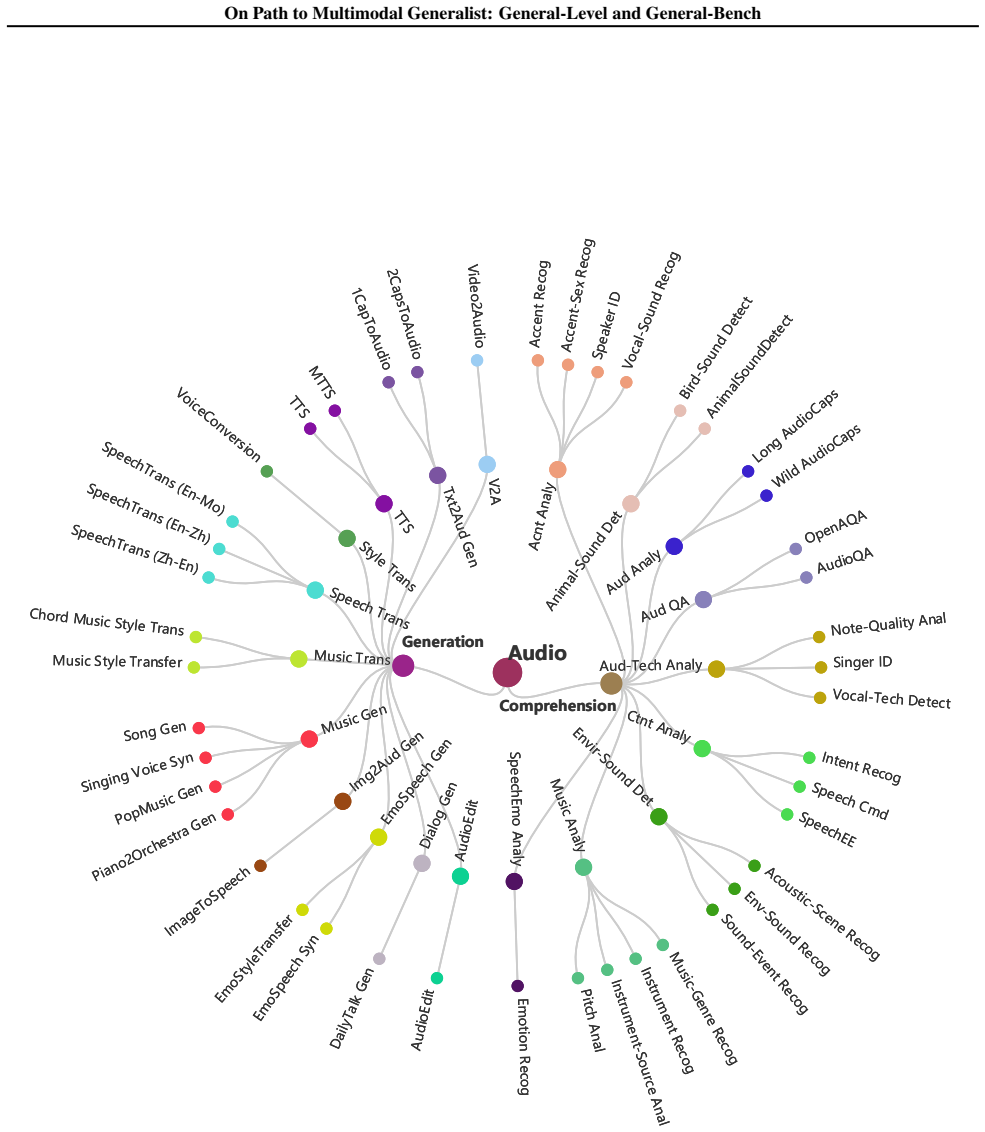
Figure 20. Figure 20: Taxonomy and hierarchy of data in terms of Audio modality. [PITH_FULL_IMAGE:figures/full_fig_p085_20.png]
Figure 21
Figure 21. Figure 21: Taxonomy and hierarchy of data in terms of Language modality. [PITH_FULL_IMAGE:figures/full_fig_p086_21.png]
Figure 22
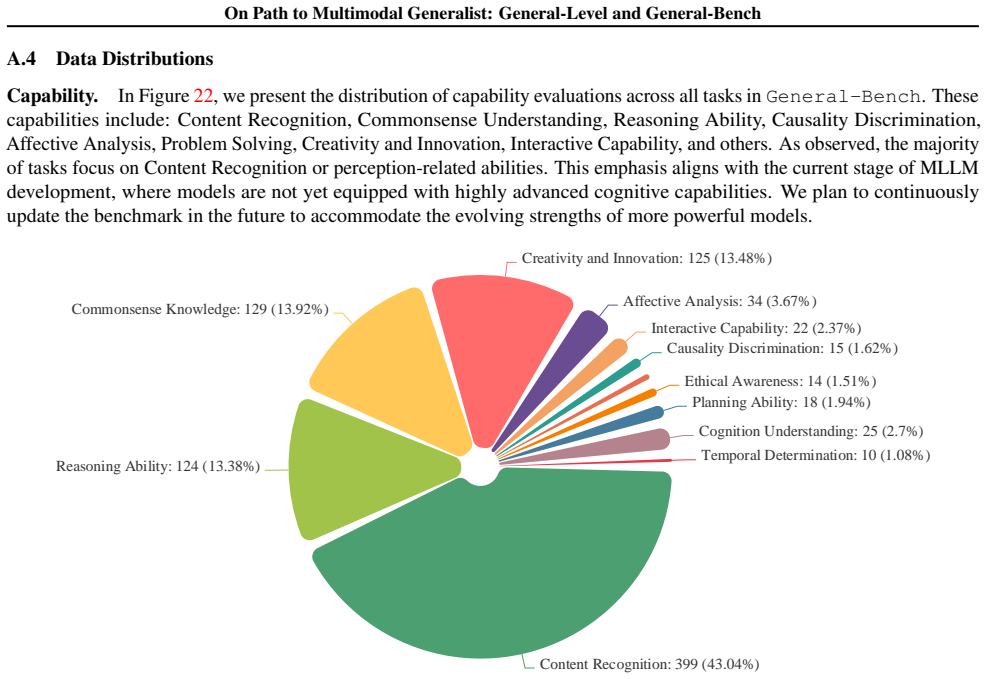
Figure 22. Figure 22: Distribution of various capabilities evaluated in [PITH_FULL_IMAGE:figures/full_fig_p087_22.png]
Figure 23
Figure 23. Figure 23: Distribution of various domains and disciplines covered by [PITH_FULL_IMAGE:figures/full_fig_p087_23.png]
Figure 24
Figure 24. Figure 24: Distribution of various domains and discipline covered by [PITH_FULL_IMAGE:figures/full_fig_p088_24.png]
Figure 25
Figure 25. Figure 25: Distribution of different modalities covered in [PITH_FULL_IMAGE:figures/full_fig_p088_25.png]
Figure 26
Figure 26. Figure 26: Sport Image Classification. 126 [PITH_FULL_IMAGE:figures/full_fig_p126_26.png]
Figure 27
Figure 27. Figure 27: Sketch-to-HTML Code Generation. 127 [PITH_FULL_IMAGE:figures/full_fig_p127_27.png]
Figure 28
Figure 28. Figure 28: Tire Crack Detection. 128 [PITH_FULL_IMAGE:figures/full_fig_p128_28.png]
Figure 29
Figure 29. Figure 29: Plant Disease Detection. 129 [PITH_FULL_IMAGE:figures/full_fig_p129_29.png]
Figure 30
Figure 30. Figure 30: Abnormal Heartbeat Recognition. Skill (Meta-Task) Name: Image Visual Question Answering Paradigm: Comprehension Domain/Discipline: General-domain General/Universal Capability: Context Recognition Input: Output: Task Name (Task Short Name) Multi-Page News Document VQA …
Figure 31
Figure 31. Figure 31: Multi-Page News Document VQA. 130 [PITH_FULL_IMAGE:figures/full_fig_p130_31.png]
Figure 32
Figure 32. Figure 32: Emotion Recognition. Identify ambulance, firetruck, or traffic sounds using given spectrogram. Skill (Meta-Task) Name: Graph Classification Paradigm: Comprehension Domain/Discipline: General-domain General/Universal Capability: Content Recognition Input: Output: Task …
Figure 33
Figure 33. Figure 33: Spectrum Graph Car Classification. 131 [PITH_FULL_IMAGE:figures/full_fig_p131_33.png]
Figure 34
Figure 34. Figure 34: Object Hallucination Detection Galaxy Cluster Gas Creates Hole in Microwave Background Skill (Meta-Task) Name: Image Captioning Paradigm: Comprehension Domain/Discipline: Astronomy General/Universal Capability: Image Captioning Input: Output: Task Name (Task Short Nam…
Figure 35
Figure 35. Figure 35: Astronomy Image Captioning. 132 [PITH_FULL_IMAGE:figures/full_fig_p132_35.png]
Figure 36
Figure 36. Figure 36: Image Depth Estimation. Skill (Meta-Task) Name: Image Instance Segmentation Paradigm: Comprehension Domain/Discipline: General-domain General/Universal Capability: Image Instance Segmentation Input: Output: Task Name (Task Short Name) Vehicle Instance Segmentation Thi…
Figure 37
Figure 37. Figure 37: Image Instance Segmentation. 133 [PITH_FULL_IMAGE:figures/full_fig_p133_37.png]
Figure 38
Figure 38. Figure 38: License Plate ORC. Skill (Meta-Task) Name: Image Recognition Paradigm: Comprehension Domain/Discipline: Medicine General/Universal Capability: Content Recognition, Commonsense Knowledge Input: Output: Task Name (Task Short Name) Acne Recognition (Acne Recog) Acne [PI…
Figure 39
Figure 39. Figure 39: Acne Recognition. 134 [PITH_FULL_IMAGE:figures/full_fig_p134_39.png]
Figure 40
Figure 40. Figure 40: BobRoss Painting Segmentation. 135 [PITH_FULL_IMAGE:figures/full_fig_p135_40.png]
Figure 41
Figure 41. Figure 41: Complex Expression Visual Grounding. Find x. Round side measure to the nearest tenth. The candidate choices are: A. 7.5 B. 8.6 C. 16.8 D. 19.3 Skill (Meta-Task) Name: Image Visual Question Answering Paradigm: Comprehension Domain/Discipline: Geometry General/Universal…
Figure 42
Figure 42. Figure 42: Geometry Visual Question Answering. 136 [PITH_FULL_IMAGE:figures/full_fig_p136_42.png]
Figure 43
Figure 43. Figure 43: Tuberculosis X-ray Segmentation. 137 [PITH_FULL_IMAGE:figures/full_fig_p137_43.png]
Figure 44
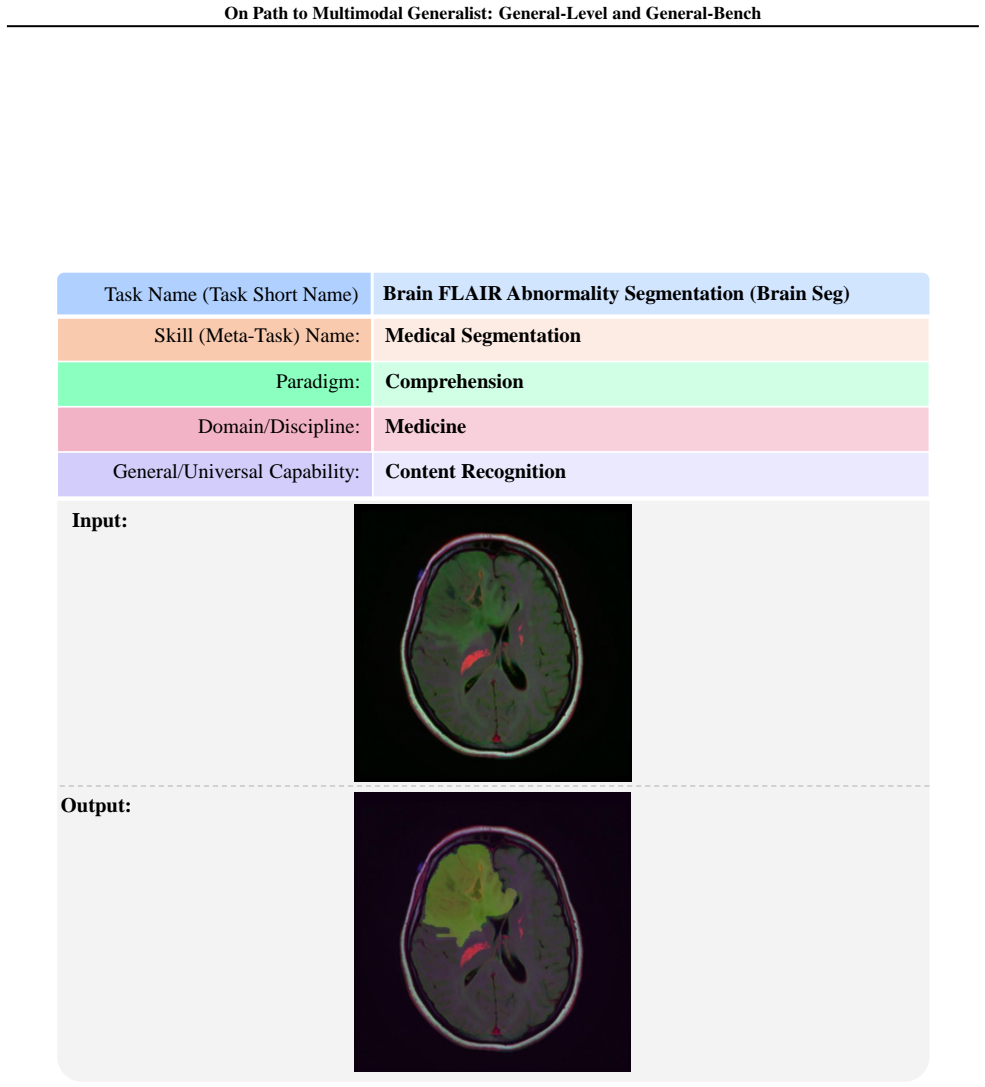
Figure 44. Figure 44: Brain FLAIR Abnormality Segmentation. 138 [PITH_FULL_IMAGE:figures/full_fig_p138_44.png]
Figure 45
Figure 45. Figure 45: Person Keypoint Detection. 139 [PITH_FULL_IMAGE:figures/full_fig_p139_45.png]
Figure 46
Figure 46. Figure 46: Car Model Matching. 140 [PITH_FULL_IMAGE:figures/full_fig_p140_46.png]
Figure 47
Figure 47. Figure 47: Environment-based Next-action Description. [PITH_FULL_IMAGE:figures/full_fig_p141_47.png]
Figure 48
Figure 48. Figure 48: Fashion Concept Visual Question Answering. [PITH_FULL_IMAGE:figures/full_fig_p142_48.png]
Figure 49
Figure 49. Figure 49: Seed Counting. 142 [PITH_FULL_IMAGE:figures/full_fig_p142_49.png]
Figure 50
Figure 50. Figure 50: Multimodal Neural Translation. Skill (Meta-Task) Name: Object Detection Paradigm: Comprehension Domain/Discipline: Medicine General/Universal Capability: Content Recognition Input: Output: Task Name (Task Short Name) Medical Device Detection(Medical-Device Det) [PITH…
Figure 51
Figure 51. Figure 51: Medical Device Detection. 143 [PITH_FULL_IMAGE:figures/full_fig_p143_51.png]
Figure 52
Figure 52. Figure 52: Animal Image Matting. Recognize the category of the animal in the image. Skill (Meta-Task) Name: Object Recognition Paradigm: Comprehension Domain/Discipline: Animal General/Universal Capability: Content Recognition Input: Output: Task Name (Task Short Name) Animal Re…
Figure 53
Figure 53. Figure 53: Animal Recognition. 144 [PITH_FULL_IMAGE:figures/full_fig_p144_53.png]
Figure 54
Figure 54. Figure 54: Road Scene Panoptic Segmentation. Recognize the yoga pose type. Skill (Meta-Task) Name: Pose Recognition Paradigm: Comprehension Domain/Discipline: Sports General/Universal Capability: Content Recognition Input: Output: Task Name (Task Short Name) Yoga Pose Recognitio…
Figure 55
Figure 55. Figure 55: Yoga Pose Recognition. 145 [PITH_FULL_IMAGE:figures/full_fig_p145_55.png]
Figure 56
Figure 56. Figure 56: Description of Single Spatial Relationship. [PITH_FULL_IMAGE:figures/full_fig_p146_56.png]
Figure 57
Figure 57. Figure 57: RGBD Semantic Segmentation. 146 [PITH_FULL_IMAGE:figures/full_fig_p146_57.png]
Figure 58
Figure 58. Figure 58: Strawberry Ripeness Recognition. 147 [PITH_FULL_IMAGE:figures/full_fig_p147_58.png]
Figure 59
Figure 59. Figure 59: Fire Detection. 148 [PITH_FULL_IMAGE:figures/full_fig_p148_59.png]
Figure 60
Figure 60. Figure 60: Image Scene Graph Parsing. Skill (Meta-Task) Name: Scene Recognition Paradigm: Comprehension Domain/Discipline: Nature General/Universal Capability: Content Recognition, Commonsense Knowledge Input: Output: Task Name (Task Short Name) Landscape Recognition (Landscape …
Figure 61
Figure 61. Figure 61: Landscape Recognition. 149 [PITH_FULL_IMAGE:figures/full_fig_p149_61.png]
Figure 62
Figure 62. Figure 62: American Sign Language Recognition. Please give a editing Request to describe the transformation from the source image to the target image. Skill (Meta-Task) Name: Visual Relation Inference Paradigm: Comprehension Domain/Discipline: General-domain General/Universal Ca…
Figure 63
Figure 63. Figure 63: Before-After Relationship Caption. 150 [PITH_FULL_IMAGE:figures/full_fig_p150_63.png]
Figure 64
Figure 64. Figure 64: Cartoon Storytelling. Skill (Meta-Task) Name: Weather Recognition Paradigm: Comprehension Domain/Discipline: Climate General/Universal Capability: Content Recognition Input: Output: Task Name (Task Short Name) Weather Recognition (Weather Recog) Hail [PITH_FULL_IMAGE…
Figure 65
Figure 65. Figure 65: Weather Recognition. 151 [PITH_FULL_IMAGE:figures/full_fig_p151_65.png]
Figure 66
Figure 66. Figure 66: Edge-to-Image Generation. 152 [PITH_FULL_IMAGE:figures/full_fig_p152_66.png]
Figure 67
Figure 67. Figure 67: EEG-to-Image Generation. 153 [PITH_FULL_IMAGE:figures/full_fig_p153_67.png]
Figure 68
Figure 68. Figure 68: Image Raindrop Removal. 154 [PITH_FULL_IMAGE:figures/full_fig_p154_68.png]
Figure 69
Figure 69. Figure 69: Low-light Image Enhancement. 155 [PITH_FULL_IMAGE:figures/full_fig_p155_69.png]
Figure 70
Figure 70. Figure 70: Face Image Inpainting. 156 [PITH_FULL_IMAGE:figures/full_fig_p156_70.png]
Figure 71
Figure 71. Figure 71: Text-based Image Style Transfer. 157 [PITH_FULL_IMAGE:figures/full_fig_p157_71.png]
Figure 72
Figure 72. Figure 72: Infection-map Generation. 158 [PITH_FULL_IMAGE:figures/full_fig_p158_72.png]
Figure 73
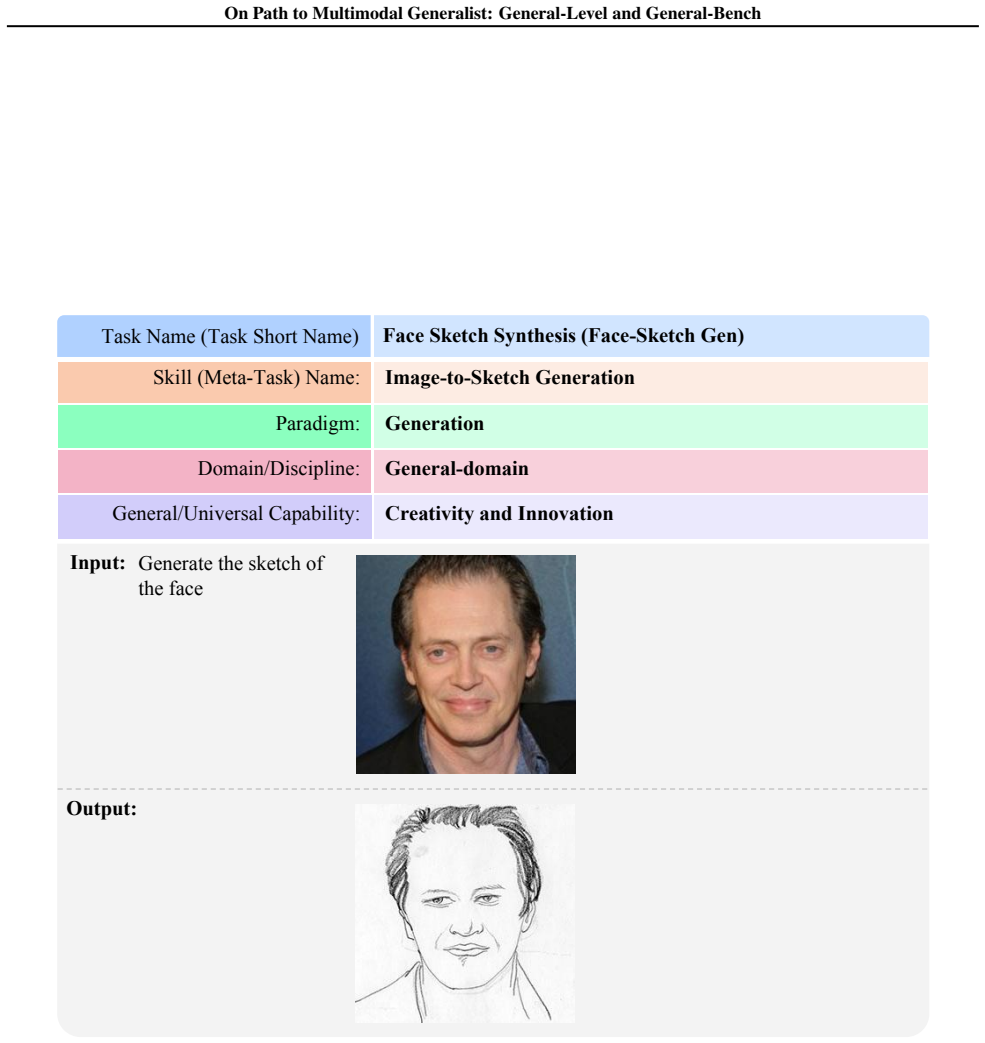
Figure 73. Figure 73: Face Sketch Synthesis. 159 [PITH_FULL_IMAGE:figures/full_fig_p159_73.png]
Figure 74
Figure 74. Figure 74: Image Editing with Text and Image Prompt. [PITH_FULL_IMAGE:figures/full_fig_p160_74.png]
Figure 75
Figure 75. Figure 75: Layout-to-Face Image Generation. 161 [PITH_FULL_IMAGE:figures/full_fig_p161_75.png]
Figure 76
Figure 76. Figure 76: Mask-to-Face Image Generation. 162 [PITH_FULL_IMAGE:figures/full_fig_p162_76.png]
Figure 77
Figure 77. Figure 77: Sketch-to-Face Image Generation. 163 [PITH_FULL_IMAGE:figures/full_fig_p163_77.png]
Figure 78
Figure 78. Figure 78: Sound-to-Image Generation. 164 [PITH_FULL_IMAGE:figures/full_fig_p164_78.png]
Figure 79
Figure 79. Figure 79: Image Colorization. 165 [PITH_FULL_IMAGE:figures/full_fig_p165_79.png]
Figure 80
Figure 80. Figure 80: Text-based Astronomical Image Generation. [PITH_FULL_IMAGE:figures/full_fig_p166_80.png]
Figure 81
Figure 81. Figure 81: Movie Video Question Answering. What are the moves in the last scene of this dance? Skill (Meta-Task) Name: Video Object Recognition Paradigm: Comprehension Domain/Discipline: Art, Culture General/Universal Capability: Content Recognition Input: Output: Task Name (Tas…
Figure 82
Figure 82. Figure 82: Art Recognition. 167 [PITH_FULL_IMAGE:figures/full_fig_p167_82.png]
Figure 83
Figure 83. Figure 83: Sign Language Video Recognition. Please write a brief caption based on the video content. Skill (Meta-Task) Name: Video Understanding Paradigm: Comprehension Domain/Discipline: Business General/Universal Capability: Content Recognition, Commonsense Understanding Input…
Figure 84
Figure 84. Figure 84: Business Video Understanding. 168 [PITH_FULL_IMAGE:figures/full_fig_p168_84.png]
Figure 85
Figure 85. Figure 85: In-the-Wild Automobile Video Object Segmentation. [PITH_FULL_IMAGE:figures/full_fig_p169_85.png]
Figure 86
Figure 86. Figure 86: Human Video Object Segmentation. 170 [PITH_FULL_IMAGE:figures/full_fig_p170_86.png]
Figure 87
Figure 87. Figure 87: Automobile Street-Scene Video Object Segmentation. [PITH_FULL_IMAGE:figures/full_fig_p171_87.png]
Figure 88
Figure 88. Figure 88: Human Referring Video Object Segmentation. [PITH_FULL_IMAGE:figures/full_fig_p172_88.png]
Figure 89
Figure 89. Figure 89: Animal Reasoning Video Object Segmentation. [PITH_FULL_IMAGE:figures/full_fig_p173_89.png]
Figure 90
Figure 90. Figure 90: Spatial-Temporal Static Action Detection. [PITH_FULL_IMAGE:figures/full_fig_p174_90.png]
Figure 91
Figure 91. Figure 91: Human-and-Part Complex-Scene Reasoning Video Object Segmentation (VOS). [PITH_FULL_IMAGE:figures/full_fig_p175_91.png]
Figure 92
Figure 92. Figure 92: Human Video Grounding. 176 [PITH_FULL_IMAGE:figures/full_fig_p176_92.png]
Figure 93
Figure 93. Figure 93: Indoor Video Depth Estimation. 177 [PITH_FULL_IMAGE:figures/full_fig_p177_93.png]
Figure 94
Figure 94. Figure 94: Orientation-and-movement-aware Object Matching. [PITH_FULL_IMAGE:figures/full_fig_p178_94.png]
Figure 95
Figure 95. Figure 95: Human Tracking. 179 [PITH_FULL_IMAGE:figures/full_fig_p179_95.png]
Figure 96
Figure 96. Figure 96: Animal Long-Video Tracking. 180 [PITH_FULL_IMAGE:figures/full_fig_p180_96.png]
Figure 97
Figure 97. Figure 97: UAV Video Building Tracking. 181 [PITH_FULL_IMAGE:figures/full_fig_p181_97.png]
Figure 98
Figure 98. Figure 98: Underwater Video Object Tracking in Blue Water. [PITH_FULL_IMAGE:figures/full_fig_p182_98.png]
Figure 99
Figure 99. Figure 99: Optical Flow in Simple Synthetic Scene. 183 [PITH_FULL_IMAGE:figures/full_fig_p183_99.png]
Figure 100
Figure 100. Figure 100: News and Document Video Captioning. 184 [PITH_FULL_IMAGE:figures/full_fig_p184_100.png]
Figure 101
Figure 101. Figure 101: Camera Motion Video Generation. Generate a video. Gwen Stacy reading a book, Van Gogh style. Skill (Meta-Task) Name: Conditional Video Generation Paradigm: Generation Domain/Discipline: Art General/Universal Capability: Creativity and Innovation Input: Output: Task N…
Figure 102
Figure 102. Figure 102: Style-Specific Text to Video Generation. [PITH_FULL_IMAGE:figures/full_fig_p185_102.png]
Figure 103
Figure 103. Figure 103: Human Video Generation. Generate a video. A brown dog with a black collar sits on a dirt path in a forest, looking up at the camera. Skill (Meta-Task) Name: Image-to-Video Generation Paradigm: Generation Domain/Discipline: Animal General/Universal Capability: Creativ…
Figure 104
Figure 104. Figure 104: Pet Image to Video Generation. 186 [PITH_FULL_IMAGE:figures/full_fig_p186_104.png]
Figure 105
Figure 105. Figure 105: Video Deraining. 187 [PITH_FULL_IMAGE:figures/full_fig_p187_105.png]
Figure 106
Figure 106. Figure 106: Video Non-Animal Inpainting. 188 [PITH_FULL_IMAGE:figures/full_fig_p188_106.png]
Figure 107
Figure 107. Figure 107: Accent Classification. Skill (Meta-Task) Name: Speech Content Understanding Paradigm: Comprehension Domain/Discipline: General-domain General/Universal Capability: Reasoning Ability Task Name (Task Short Name) Intent Classification (Intent Recog) Requirement: 1. 不要随意…
Figure 108
Figure 108. Figure 108: Intent Classification. 189 [PITH_FULL_IMAGE:figures/full_fig_p189_108.png]
Figure 109
Figure 109. Figure 109: Speech Emotion Recognition. Skill (Meta-Task) Name: Music Understanding Paradigm: Comprehension Domain/Discipline: Art General/Universal Capability: Content Recognition,Commonsense Knowledge Task Name (Task Short Name) Music Instrument Classification(Instrument Recog…
Figure 110
Figure 110. Figure 110: Music Instrument Classification. 190 [PITH_FULL_IMAGE:figures/full_fig_p190_110.png]
Figure 111
Figure 111. Figure 111: Vocal Technique Detection. Skill (Meta-Task) Name: Audio Content Understanding Paradigm: Comprehension Domain/Discipline: General-domain General/Universal Capability: Reasoning Ability,Content Recognition Task Name (Task Short Name) Long Audio Captioning (Long AudioC…
Figure 112
Figure 112. Figure 112: Long Audio Captioning. 191 [PITH_FULL_IMAGE:figures/full_fig_p191_112.png]
Figure 113
Figure 113. Figure 113: Open-ended Audio Question Answering. Skill (Meta-Task) Name: Animal Sound Analysis Paradigm: Comprehension Domain/Discipline: Biology, Animal General/Universal Capability: Content Recognition,Commonsense Knowledge Task Name (Task Short Name) Animal Sound Detection (A…
Figure 114
Figure 114. Figure 114: Animal Sound Analysis. 192 [PITH_FULL_IMAGE:figures/full_fig_p192_114.png]
Figure 115
Figure 115. Figure 115: Sound Event Recognition. 193 [PITH_FULL_IMAGE:figures/full_fig_p193_115.png]
Figure 116
Figure 116. Figure 116: Audio Editing. 194 [PITH_FULL_IMAGE:figures/full_fig_p194_116.png]
Figure 117
Figure 117. Figure 117: Daily Talk Generation. 195 [PITH_FULL_IMAGE:figures/full_fig_p195_117.png]
Figure 118
Figure 118. Figure 118: Emotional Speech Synthesis. 196 [PITH_FULL_IMAGE:figures/full_fig_p196_118.png]
Figure 119
Figure 119. Figure 119: Multimodal Text-to-Speech (TTS). 197 [PITH_FULL_IMAGE:figures/full_fig_p197_119.png]
Figure 120
Figure 120. Figure 120: Single Captions To Audio Generation. 198 [PITH_FULL_IMAGE:figures/full_fig_p198_120.png]
Figure 121
Figure 121. Figure 121: Image-to-Speech Synthesis. 199 [PITH_FULL_IMAGE:figures/full_fig_p199_121.png]
Figure 122
Figure 122. Figure 122: Video-to-Audio Synthesis. 200 [PITH_FULL_IMAGE:figures/full_fig_p200_122.png]
Figure 123
Figure 123. Figure 123: Voice Conversion. Skill (Meta-Task) Name: Speech Translation Paradigm: Generation Domain/Discipline: Multi-domain General/Universal Capability: Content Recognition Input: Output: Task Name (Task Short Name) Chinese-to-English Speech Translation (SpeechTrans(Zh-En)) R…
Figure 124
Figure 124. Figure 124: Chinese-to-English Speech Translation. 201 [PITH_FULL_IMAGE:figures/full_fig_p201_124.png]
Figure 125
Figure 125. Figure 125: Song Synthesis. 202 [PITH_FULL_IMAGE:figures/full_fig_p202_125.png]
Figure 126
Figure 126. Figure 126: Chord-based Music Style Transfer. 203 [PITH_FULL_IMAGE:figures/full_fig_p203_126.png]
Figure 127
Figure 127. Figure 127: 3D Tableware Classification. Skill (Meta-Task) Name: 3D Structure and Environment Classification Paradigm: Comprehension Domain/Discipline: General-domain General/Universal Capability: Content Recognition Input: Output: Task Name (Task Short Name) 3D Furniture Classi…
Figure 128
Figure 128. Figure 128: 3D Furniture Classification. 204 [PITH_FULL_IMAGE:figures/full_fig_p204_128.png]
Figure 129
Figure 129. Figure 129: 3D Vehicle Classification. 205 [PITH_FULL_IMAGE:figures/full_fig_p205_129.png]
Figure 130
Figure 130. Figure 130: 3D Indoor Appliance Semantic Segmentation. [PITH_FULL_IMAGE:figures/full_fig_p206_130.png]
Figure 131
Figure 131. Figure 131: 3D Outdoor Vehicle Semantic Segmentation. [PITH_FULL_IMAGE:figures/full_fig_p207_131.png]
Figure 132
Figure 132. Figure 132: 3D Indoor Instance Segmentation. 208 [PITH_FULL_IMAGE:figures/full_fig_p208_132.png]
Figure 133
Figure 133. Figure 133: 3D Odometry. 209 [PITH_FULL_IMAGE:figures/full_fig_p209_133.png]
Figure 134
Figure 134. Figure 134: 3D Household Part Segmentation. 210 [PITH_FULL_IMAGE:figures/full_fig_p210_134.png]
Figure 135
Figure 135. Figure 135: 3D Vehicle Tracking. 211 [PITH_FULL_IMAGE:figures/full_fig_p211_135.png]
Figure 136
Figure 136. Figure 136: 3D Normal Estimation. 212 [PITH_FULL_IMAGE:figures/full_fig_p212_136.png]
Figure 137
Figure 137. Figure 137: 3D Vehicle Detection. 213 [PITH_FULL_IMAGE:figures/full_fig_p213_137.png]
Figure 138
Figure 138. Figure 138: 3D QA for Spatial Scene Understanding. 214 [PITH_FULL_IMAGE:figures/full_fig_p214_138.png]
Figure 139
Figure 139. Figure 139: 3D Motion Captioning. 215 [PITH_FULL_IMAGE:figures/full_fig_p215_139.png]
Figure 140
Figure 140. Figure 140: 3D-Point-Cloud Completion. 216 [PITH_FULL_IMAGE:figures/full_fig_p216_140.png]
Figure 141
Figure 141. Figure 141: Point-Cloud-to-Mesh Scene Reconstruction. [PITH_FULL_IMAGE:figures/full_fig_p217_141.png]
Figure 142
Figure 142. Figure 142: Living-and-Arts Image-to-3D-Point-Cloud Generation. [PITH_FULL_IMAGE:figures/full_fig_p218_142.png]
Figure 143
Figure 143. Figure 143: Nature-and-Biology Text-to-3D-Mesh Generation. [PITH_FULL_IMAGE:figures/full_fig_p218_143.png]
Figure 144
Figure 144. Figure 144: Science-and-Technology Image-to-3D-Point-Cloud Generation. [PITH_FULL_IMAGE:figures/full_fig_p219_144.png]
Figure 145
Figure 145. Figure 145: Culture-and-Structure Image to 3D Mesh Generation. [PITH_FULL_IMAGE:figures/full_fig_p220_145.png]
Figure 146
Figure 146. Figure 146: RGBD-to-Point-Cloud Reconstruction. 221 [PITH_FULL_IMAGE:figures/full_fig_p221_146.png]
Figure 147
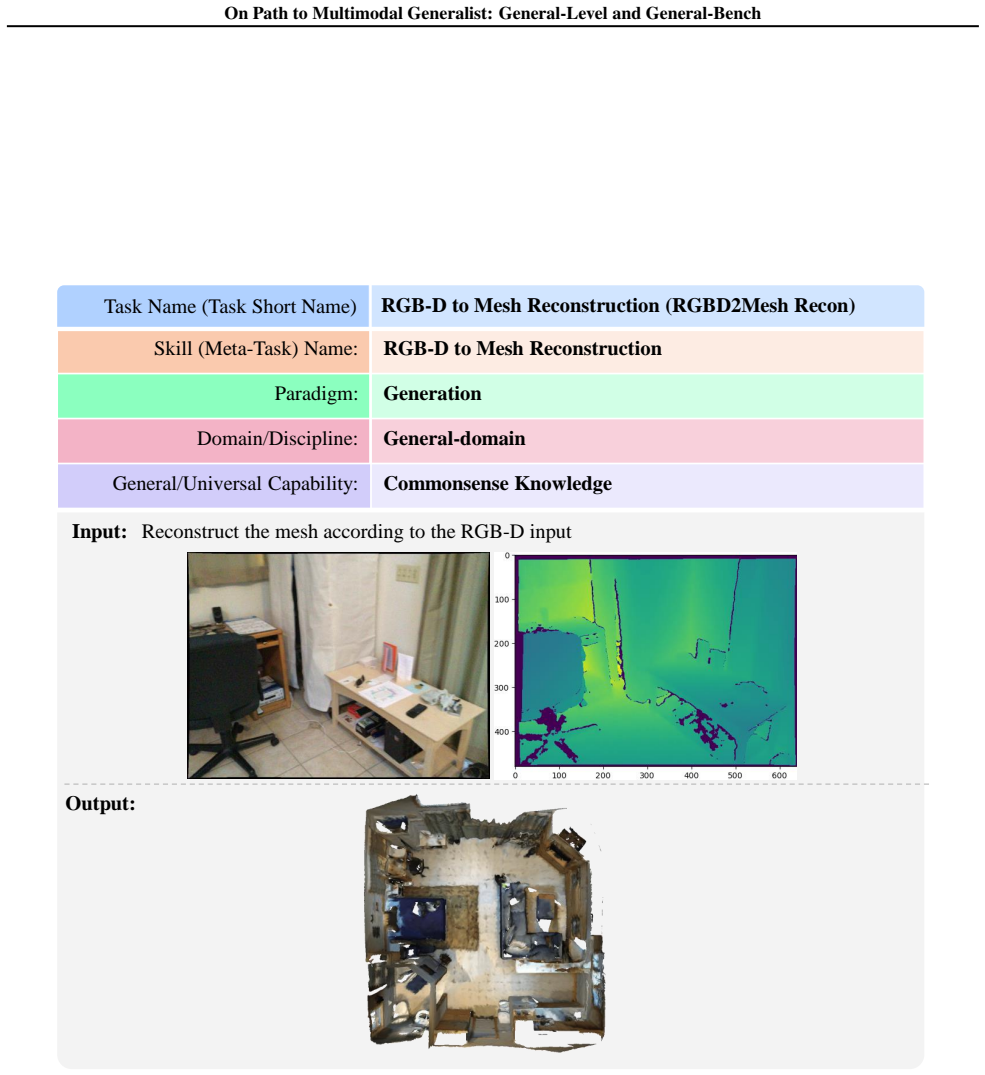
Figure 147. Figure 147: RGBD-to-Mesh Reconstruction. 222 [PITH_FULL_IMAGE:figures/full_fig_p222_147.png]
Figure 148
Figure 148. Figure 148: Text-to-3D-Motion Generation. 223 [PITH_FULL_IMAGE:figures/full_fig_p223_148.png]
Figure 149
Figure 149. Figure 149: Commonsense Reasoning. Skill (Meta-Task) Name: Ethical NLP Paradigm: Comprehension & Generation Domain/Discipline: Culture General/Universal Capability: Affective Analysis Input: Output: Task Name (Task Short Name) Offensive Classification (Offensive Classify) Practi…
Figure 150
Figure 150. Figure 150: Offensive Classification. 224 [PITH_FULL_IMAGE:figures/full_fig_p224_150.png]
Figure 151
Figure 151. Figure 151: Legal Question Answering. Skill (Meta-Task) Name: Domain-Specific QA Paradigm: Comprehension & Generation Domain/Discipline: Nature General/Universal Capability: Reasoning Ability Input: Output: Task Name (Task Short Name) Nature Question Answering (Nature QA) Questi…
Figure 152
Figure 152. Figure 152: Nature Question Answering. 225 [PITH_FULL_IMAGE:figures/full_fig_p225_152.png]
Figure 153
Figure 153. Figure 153: Social Science Question Answering. Skill (Meta-Task) Name: Non-Traditional QA Paradigm: Comprehension & Generation Domain/Discipline: Social General/Universal Capability: Reasoning Ability Input: Output: Task Name (Task Short Name) Tweet Question Answering (Tweet QA)…
Figure 154
Figure 154. Figure 154: Tweet Question Answering. 226 [PITH_FULL_IMAGE:figures/full_fig_p226_154.png]
Figure 155
Figure 155. Figure 155: Tweet Question Answering. Skill (Meta-Task) Name: Advanced QA Paradigm: Comprehension & Generation Domain/Discipline: Linguistics General/Universal Capability: Reasoning Ability Input: Output: Task Name (Task Short Name) Multilingual Question Answering (Multi-lang QA…
Figure 156
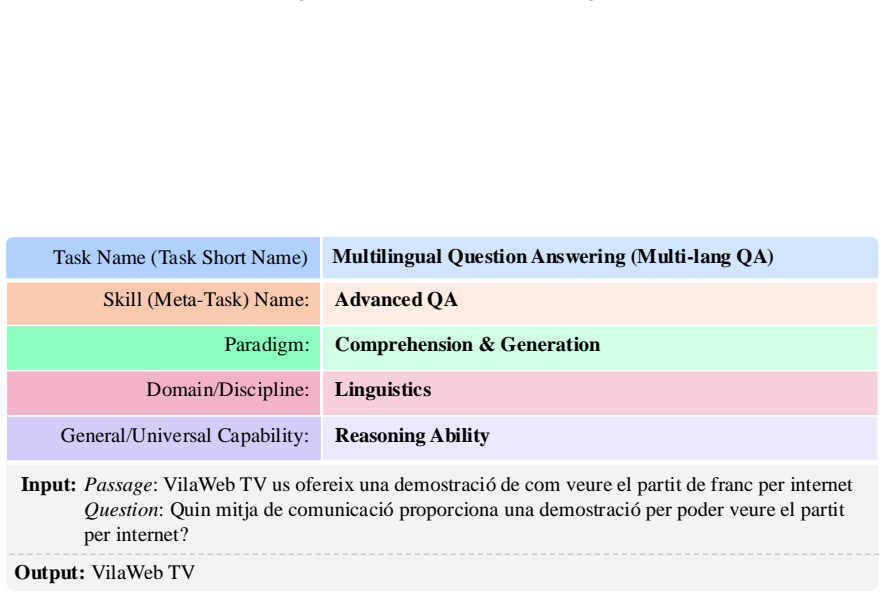
Figure 156. Figure 156: Multilingual Question Answering. 227 [PITH_FULL_IMAGE:figures/full_fig_p227_156.png]
Figure 157
Figure 157. Figure 157: Math Question Answering. Skill (Meta-Task) Name: Code Problem Solving Paradigm: Comprehension & Generation Domain/Discipline: Code General/Universal Capability: Problem Solving Input: Output: Task Name (Task Short Name) Code Explanation (Code Explain) Code: boolean a…
Figure 158
Figure 158. Figure 158: Code Explanation. 228 [PITH_FULL_IMAGE:figures/full_fig_p228_158.png]
Figure 159
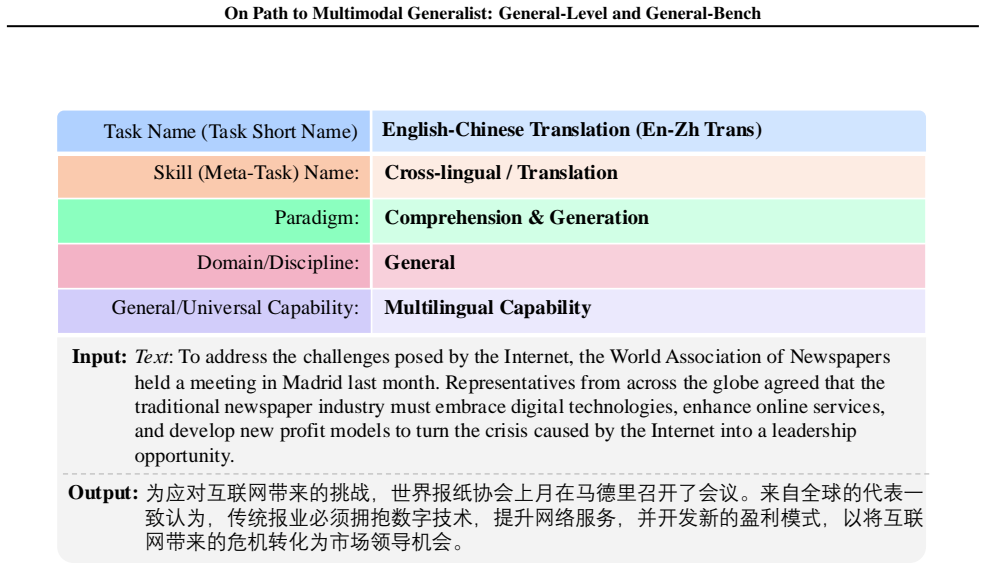
Figure 159. Figure 159: English-Chinese Translation. Skill (Meta-Task) Name: Text Summarization Paradigm: Comprehension & Generation Domain/Discipline: General General/Universal Capability: Text Manipulation Input: Output: Task Name (Task Short Name) Abstractive Summarization (Abstract Summ…
Figure 160
Figure 160. Figure 160: Abstractive Summarization. 229 [PITH_FULL_IMAGE:figures/full_fig_p229_160.png]
Figure 161
Figure 161. Figure 161: Multi-Turn Daily Dialogue Generation. Skill (Meta-Task) Name: Text Generation Paradigm: Comprehension & Generation Domain/Discipline: General General/Universal Capability: Creativity and Innovation Input: Output: Task Name (Task Short Name) Text Style Transfer (Style…
Figure 162
Figure 162. Figure 162: Text Style Transfer. 230 [PITH_FULL_IMAGE:figures/full_fig_p230_162.png]
Figure 163
Figure 163. Figure 163: Time Series Prediction. Skill (Meta-Task) Name: Content Categorization Paradigm: Comprehension & Generation Domain/Discipline: General-Domain General/Universal Capability: Content Recognition Input: Output: Task Name (Task Short Name) Question Classification (Questio…
Figure 164
Figure 164. Figure 164: Question Classification. 231 [PITH_FULL_IMAGE:figures/full_fig_p231_164.png]
Figure 165
Figure 165. Figure 165: Natural Language Inference. Skill (Meta-Task) Name: Opinion Mining Paradigm: Comprehension & Generation Domain/Discipline: Humanities General/Universal Capability: Reasoning Ability Input: Output: Task Name (Task Short Name) Stance Detection (Stance Detect) target: A…
Figure 166
Figure 166. Figure 166: Stance Detection. Skill (Meta-Task) Name: Behavioral Analysis Paradigm: Comprehension & Generation Domain/Discipline: Business General/Universal Capability: Affective Analysis Input: Output: Task Name (Task Short Name) Personality Analysis (Personality) I am really e…
Figure 167
Figure 167. Figure 167: Personality Analysis. 232 [PITH_FULL_IMAGE:figures/full_fig_p232_167.png]
Figure 168
Figure 168. Figure 168: Sentence Similarity Detection. Skill (Meta-Task) Name: Affective Computing Paradigm: Comprehension & Generation Domain/Discipline: General-Domain General/Universal Capability: Affective Analysis Input: Output: Task Name (Task Short Name) Sentiment Classification (Sen…
Figure 169
Figure 169. Figure 169: Sentiment Classification. Skill (Meta-Task) Name: Biomedical Named Entity Recognition Paradigm: Comprehension & Generation Domain/Discipline: Biology General/Universal Capability: Content Recognition Input: Output: Task Name (Task Short Name) Disease-NER (Disease NER…
Figure 170
Figure 170. Figure 170: Disease-NER. 233 [PITH_FULL_IMAGE:figures/full_fig_p233_170.png]
Figure 171
Figure 171. Figure 171: Climate Change NER. Skill (Meta-Task) Name: Named Entity Recognition Paradigm: Comprehension & Generation Domain/Discipline: Politics General/Universal Capability: Content Recognition Input: Output: Task Name (Task Short Name) Organization Recognition (Org NER) The E…
Figure 172
Figure 172. Figure 172: Organization Recognition. Skill (Meta-Task) Name: Biomedical Relation Extraction Paradigm: Comprehension & Generation Domain/Discipline: Medicine General/Universal Capability: Content Recognition Input: Output: Task Name (Task Short Name) Adverse Drug Reaction Detect…
Figure 173
Figure 173. Figure 173: Adverse Drug Reaction Detection. 234 [PITH_FULL_IMAGE:figures/full_fig_p234_173.png]
Figure 174
Figure 174. Figure 174: Joint NER and RE. Skill (Meta-Task) Name: Event Extraction Paradigm: Comprehension & Generation Domain/Discipline: General-Domain General/Universal Capability: Content Recognition Input: Output: Task Name (Task Short Name) Event Trigger Detection (Event Detect) Rosen…
Figure 175
Figure 175. Figure 175: Event Trigger Detection. 235 [PITH_FULL_IMAGE:figures/full_fig_p235_175.png]
Figure 176
Figure 176. Figure 176: Dependency Parsing. Skill (Meta-Task) Name: Semantic Parsing Paradigm: Comprehension & Generation Domain/Discipline: Linguistics General/Universal Capability: Content Recognition Input: Output: Task Name (Task Short Name) Semantic Role Labeling (SRL) Well, look at it…
Figure 177
Figure 177. Figure 177: Semantic Role Labeling. 236 [PITH_FULL_IMAGE:figures/full_fig_p236_177.png]

Discussion (0). Continue with ORCID to comment.

Forward citations

Cited by 2 Pith papers

Reviewed papers in the Pith corpus that reference this work. Sorted by Pith novelty score. Full citation record

  1. Dense360: Dense Understanding from Omnidirectional Panoramas

    cs.CV 2025-06 reject novelty 6.0 of 10

    Introduces a 160K-panorama auto-annotated dataset, a dense captioning and grounding benchmark, and ERP-RoPE; fine-tuning Qwen2.5VL on the data lifts benchmark scores.

  2. Mixed-R1: Unified Reward Perspective For Reasoning Capability in Multimodal Large Language Models

    cs.CL 2025-05 conditional novelty 6.0 of 10

    Mixed-R1 uses four reward types under GRPO, including a new bidirectional max-average token similarity (BMAS) reward, and lifts MLLM reasoning benchmarks by 2-5%.

Reference graph

Works this paper leans on

45 extracted references · 45 canonical work pages · cited by 2 Pith papers

  1. [2]

    Worker for the audio group

  2. [7]

    多多参考本样例 Figure 73: Face Sketch Synthesis. 159 On Path to Multimodal Generalist: General-Level and General-Bench Skill (Meta-Task) Name: In-context Image Editing Paradigm: Generation Domain/Discipline: General-domain General/Universal Capability: Image Generation Input: Output: Task Name (Task Short Name) Image Editing with Text and Image Prompt (Img-Edit ...

  3. [10]

    多参考样例 Figure 107: Accent Classification. Skill (Meta-Task) Name: Speech Content Understanding Paradigm: Comprehension Domain/Discipline: General-domain General/Universal Capability: Reasoning Ability Task Name (Task Short Name) Intent Classification (Intent Recog) Requirement:

  4. [13]

    多参考样例 Input: Output: what is the intent in the audio? Action: decrease, Object: heat, Location: kitchen Figure 108: Intent Classification. 189 On Path to Multimodal Generalist: General-Level and General-Bench Skill (Meta-Task) Name: Speech Emotion Understanding Paradigm: Comprehension Domain/Discipline: General-domain General/Universal Capability: Affecti...

  5. [16]

    多参考样例 Input: Output: what is the emotion in the audio? angry Figure 109: Speech Emotion Recognition. Skill (Meta-Task) Name: Music Understanding Paradigm: Comprehension Domain/Discipline: Art General/Universal Capability: Content Recognition,Commonsense Knowledge Task Name (Task Short Name) Music Instrument Classification(Instrument Recog) Requirement:

  6. [19]

    多参考样例 Input: Output: what is the instrument used in the music? brass Figure 110: Music Instrument Classification. 190 On Path to Multimodal Generalist: General-Level and General-Bench Skill (Meta-Task) Name: Audio Technique Understanding Paradigm: Comprehension Domain/Discipline: Art General/Universal Capability: Reasoning Ability,Commonsense Knowledge Ta...

  7. [22]

    多参考样例 Input: Output: what vocal techniques are used in the given audio? Long tones, messa Figure 111: V ocal Technique Detection. Skill (Meta-Task) Name: Audio Content Understanding Paradigm: Comprehension Domain/Discipline: General-domain General/Universal Capability: Reasoning Ability,Content Recognition Task Name (Task Short Name) Long Audio Captioning...

  8. [25]

    "Air is moving through a large chamber and a loudspeaker is blaring close by

    多参考样例 Input: Output: Listen to the audio and give a description. "Air is moving through a large chamber and a loudspeaker is blaring close by. Figure 112: Long Audio Captioning. 191 On Path to Multimodal Generalist: General-Level and General-Bench Skill (Meta-Task) Name: General Audio Question Answering Paradigm: Comprehension Domain/Discipline: General-d...

Show all 45 references
  1. [28]

    Figure 113: Open-ended Audio Question Answering

    多参考样例 Input: Output: What can be inferred based on the combination of sound events in the clip? It is possible that the sound events are occurring at a social gathering or event where people are enjoying themselves and engaging in friendly conversation and laughter. Figure 113...

  2. [31]

    多参考样例 Input: Output: what is the animal sound in the audio? chicken Figure 114: Animal Sound Analysis. 192 On Path to Multimodal Generalist: General-Level and General-Bench Skill (Meta-Task) Name: Environment Sound Understanding Paradigm: Comprehension Domain/Discipline: Gener...

  3. [34]

    193 On Path to Multimodal Generalist: General-Level and General-Bench Generation Tasks

    多参考样例 Input: Output: what is the sound in the audio? drilling Figure 115: Sound Event Recognition. 193 On Path to Multimodal Generalist: General-Level and General-Bench Generation Tasks. Following we showcase 11 audio-oriented generative tasks, each representing a specific ski...

  4. [37]

    Figure 116: Audio Editing

    多参考样例 edit the given audio file: This track composed of electronic instruments gives a sense of opening and clearness. Figure 116: Audio Editing. 194 On Path to Multimodal Generalist: General-Level and General-Bench Skill (Meta-Task) Name: Dialogue Speech Generation Paradigm: ...

  5. [40]

    I'd like to try the chef's special

    多参考样例 Dialog History: "I'd like to try the chef's special.", "Then what about you, Miss?", "I am on a diet. Do you have a vegetarian menu?", "The vegetarian dishes are at the last pages of the menu." " Oh, I see. I would like to have mashed potatoes and chocolate pudding. " Fi...

  6. [43]

    多参考样例 generate angry emotional speech from the given text, emotion and reference neural speech: 我刚从苏格兰回来 (I just came back from Scotland.)。 Figure 118: Emotional Speech Synthesis. 196 On Path to Multimodal Generalist: General-Level and General-Bench Skill (Meta-Task) Name: Tex...

  7. [46]

    Figure 119: Multimodal Text-to-Speech (TTS)

    多参考样例 generate a speech from the given reference image and text: Does society really exist as an entity over and above the agglomeration of men. Figure 119: Multimodal Text-to-Speech (TTS). 197 On Path to Multimodal Generalist: General-Level and General-Bench Skill (Meta-Task)...

  8. [49]

    多参考样例 generate audio from the given caption: A man speaking while a large crowd cheers in the background Figure 120: Single Captions To Audio Generation. 198 On Path to Multimodal Generalist: General-Level and General-Bench Skill (Meta-Task) Name: Image-to-Audio Synthesis Para...

  9. [52]

    Figure 121: Image-to-Speech Synthesis

    多参考样例 generate audio from the image: A blonde horse and a blonde girl in a black sweatshirt are staring at a fire in a barrel . Figure 121: Image-to-Speech Synthesis. 199 On Path to Multimodal Generalist: General-Level and General-Bench Skill (Meta-Task) Name: Video-to-Audio S...

  10. [55]

    Figure 122: Video-to-Audio Synthesis

    多参考样例 Generate an appropriate audio for the given video. Figure 122: Video-to-Audio Synthesis. 200 On Path to Multimodal Generalist: General-Level and General-Bench Skill (Meta-Task) Name: Speech Style Transfer Paradigm: Generation Domain/Discipline: General-domain General/Uni...

  11. [58]

    Figure 123: V oice Conversion

    多参考样例 generate male voice with Scottish accent to read the provided text: We would have concerns about suspension. Figure 123: V oice Conversion. Skill (Meta-Task) Name: Speech Translation Paradigm: Generation Domain/Discipline: Multi-domain General/Universal Capability: Conte...

  12. [61]

    有些地区也会有其他的人提供初级医疗,例如、药剂师。 Figure 124: Chinese-to-English Speech Translation

    多参考样例 translate the given english sentence in to chinese speech: There are people providing primary care in some area, such as pharmacists. 有些地区也会有其他的人提供初级医疗,例如、药剂师。 Figure 124: Chinese-to-English Speech Translation. 201 On Path to Multimodal Generalist: General-Level and Gene...

  13. [64]

    Figure 125: Song Synthesis

    多参考样例 generate song from the given description: An electronic that would loosely come under the electro-pop genre it is a song with vocals, a wobbly bass line, synths, white noises, and drums. Figure 125: Song Synthesis. 202 On Path to Multimodal Generalist: General-Level and ...

  14. [66]

    demo 导出时,需采用PDF格式,并且裁剪多于的空白部分,包括requirement

  15. [67]

    203 On Path to Multimodal Generalist: General-Level and General-Bench A.7.4 3D- RELATED TASKS Comprehension Tasks

    多参考样例 generate music style from the given midi file and chord: Figure 126: Chord-based Music Style Transfer. 203 On Path to Multimodal Generalist: General-Level and General-Bench A.7.4 3D- RELATED TASKS Comprehension Tasks. Following, we showcase 13 3D-oriented comprehensive t...

  16. [73]

    Figure 136: 3D Normal Estimation

    多多参考本样例 Estimate the normal for the given 3D point cloud. Figure 136: 3D Normal Estimation. 212 On Path to Multimodal Generalist: General-Level and General-Bench Skill (Meta-Task) Name: 3D Detection Paradigm: Comprehension Domain/Discipline: General-domain General/Universal Ca...

  17. [79]

    Figure 140: 3D-Point-Cloud Completion

    多多参考本样例 Complete the given 3D point cloud. Figure 140: 3D-Point-Cloud Completion. 216 On Path to Multimodal Generalist: General-Level and General-Bench Skill (Meta-Task) Name: Point Cloud to Mesh Reconstruction Paradigm: Generation Domain/Discipline: General-domain General/Uni...

  18. [85]

    Figure 141: Point-Cloud-to-Mesh Scene Reconstruction

    多多参考本样例 Reconstruct the 3D mesh for the given 3D point cloud. Figure 141: Point-Cloud-to-Mesh Scene Reconstruction. 217 On Path to Multimodal Generalist: General-Level and General-Bench Skill (Meta-Task) Name: Text to Point Cloud Generation Paradigm: Generation Domain/Discipli...

  19. [86]

    不要随意调整:1)字体的大小,格式;2)整个图片区域的宽度

  20. [87]

    图片,视频的展示,必须清晰可见。不能随意压缩宽度、高度比例,使内容变形

  21. [88]

    图片放置位置可以在输入text的下方或者旁边,合理即可。

  22. [89]

    demo 导出时,需采用PDF格式(文件->导出->创建PDF)

  23. [90]

    使用工具(https://croppdf.com/zh/)裁剪多于的空白部分(包括requirements), 提交裁剪后的PDF

  24. [91]

    I don't think I'll be getting anything,\

    多参考样例 Passage: Oh man just read about Paul Walkers death. So young. Ugggh makes me sick especially when it’s caused by an accident. God bless his soul. – Jay Sean (@jaysean) December 1, 2013 Question: why is sean torn over the actor’s death? walker was young Figure 155: Tweet ...

  25. [92]

    Designed data collection methods and se- lected models for verification

  26. [93]

    Responsible for all paper writing, illustra- tions, and polishing

  27. [94]

    Managed online deployment of data and au- tomated evaluation systems

  28. [95]

    7) Provided computing resources

    Maintained the project website. 7) Provided computing resources. All audio-generation datasets All specialists in audio- generation tasks Audio MLLMs: WavLLM, ImageBind-LLM, Unified- io-2-XXL, ModaVerse-7b- v0, AudioGPT-GPT4, SpeechGPT-7B-com, LLaMA-Omni 2 Yuan Zhou Working fo...

  29. [96]

    Project co-leader: give the formal text and formula definitions for the 5 levels of the General-Level evaluation framework, along with the corresponding formula derivation

  30. [97]

    Led the image group, managing tasks and execution

  31. [98]

    Constructed and polished over 150 datasets; implemented around 30 SoTA specialists and 2 MLLMs

  32. [99]

    Verified task and data management, and de- ployed systems

  33. [100]

    Developed evaluation scripts and automated testing systems. All image-related datasets Image-oriented MLLMs: GPT4-o, GPT4-o-mini, GPT4-V 3 Juncheng Li Working for Image group Project co-leader for image group: Led the image group for supervised dataset collection and image-bas...

  34. [101]

    Project co-supervisor, conceptualized the idea of General-Level, and the entire process

  35. [102]

    / / 32 Shuicheng Yan Project Supervision

    Provided computing resources. / / 32 Shuicheng Yan Project Supervision

  36. [103]

    Project co-supervisor, co-conceptualized the idea of General-Level, and supervised the en- tire process

  37. [104]

    / / 304 On Path to Multimodal Generalist: General-Level and General-Bench Table 119: List of some contributors without authorship

    Provided computing resources. / / 304 On Path to Multimodal Generalist: General-Level and General-Bench Table 119: List of some contributors without authorship. # Name Contribution 1 Zhengzhe Liu Contributed to image group: assisted in image-oriented dataset preparation and mo...

Pith tools

Reviewed August 15, 2026 · model on record in the stance chip above.